
 Thomas Kelly
19 January 2026
Thomas Kelly
19 January 2026
While the title you’ve provided has a certain appeal for promotional material, an encyclopedia entry requires a more neutral and informative approach. Therefore, I will structure this article around the subject matter itself, focusing on the scientific and nutritional aspects of the cucumber.
The cucumber, scientifically classified as Cucumis sativus, is a widely cultivated plant in the gourd family, Cucurbitaceae. It is a creeping vine that bears cucumiform fruits, which are botanically classified as berries. Cucumbers are native to India and have been cultivated for over 3,000 years. Today, they are grown in temperate regions across the globe, with China being the largest producer. This article will delve into the composition, nutritional value, cultivation, and diverse uses of this common vegetable.
Botanical Classification and History
The genus Cucumis also includes melons, such as cantaloupe and honeydew. Cucumis sativus is generally divided into two subspecies: Cucumis sativus var. sativus, commonly grown for slicing, and Cucumis sativus var. hardwickii, a wild variety found in India. The domestication of the cucumber is believed to have occurred in the Indian subcontinent, where it was likely first cultivated for its edible fruit. From India, cultivation spread to other parts of Asia and eventually to Europe and Africa. Ancient Greece and Rome records indicate the presence and consumption of cucumbers. Explorers such as Christopher Columbus are credited with introducing the cucumber to the Americas in the 15th century. Over millennia, selective breeding has resulted in a wide array of cucumber varieties, differing in size, shape, skin texture, and flavor profile.
Subspecies and Varieties
- Cucumis sativus var. sativus: This is the most commonly encountered variety in commercial markets. It is characterized by its smooth, dark green skin, cylindrical shape, and seeds that are typically edible when the fruit is young. This subspecies is further categorized into types suitable for different culinary purposes.
- Slicing Cucumbers: These are the larger, thicker-skinned cucumbers often found in grocery stores. They are ideal for salads, sandwiches, and other raw preparations where a firm texture is desired.
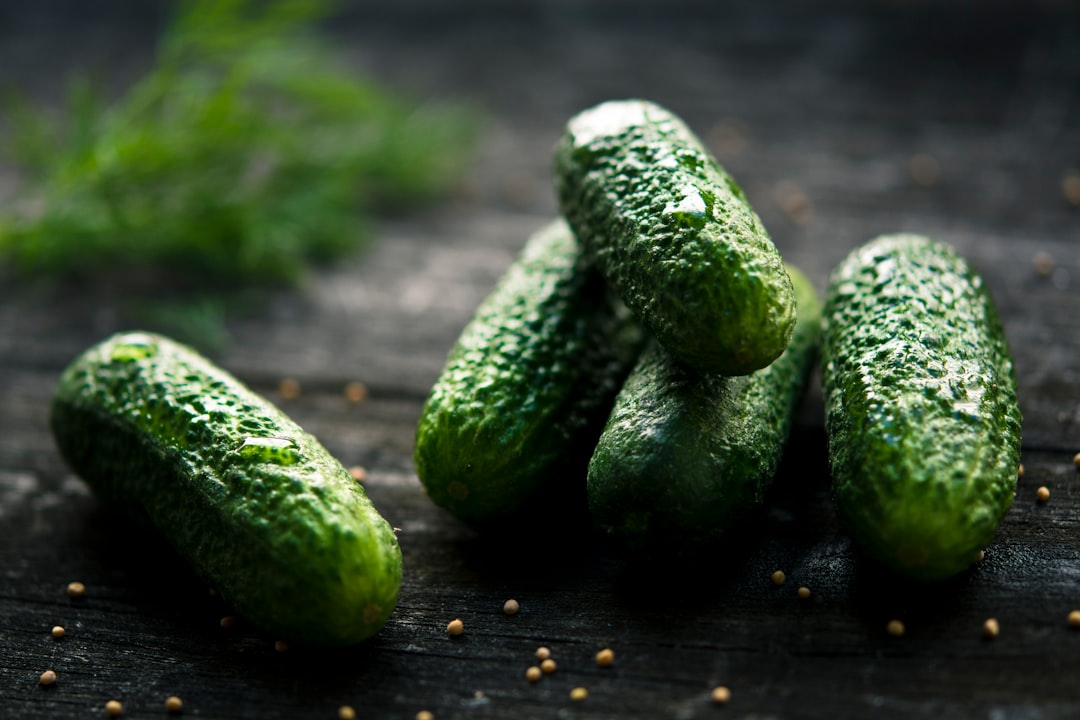
- Pickling Cucumbers: Also known as gherkins or cornichons, these are smaller, more uniformly shaped cucumbers with a bumpy texture and thinner skin. They are specifically bred for their suitability in the pickling process, maintaining firmness and absorbing brine effectively.
- Cucumis sativus var. hardwickii: This is a wild or ancestral variety. It is generally smaller and sometimes more bitter than cultivated cucumbers. Its primary significance lies in its genetic contribution to modern varieties and its role in understanding the evolution of Cucumis sativus.
Historical Spread and Cultivation
The journey of the cucumber from its point of origin in South Asia is a testament to its adaptability and utility. Archaeological evidence and ancient texts suggest its presence in Mesopotamia, and later in Egypt. The Romans, known for their sophisticated agricultural practices, documented various methods of cucumber cultivation, including growing them in enclosed frames to control environmental conditions, a precursor to modern greenhouses. The spread westward was facilitated by trade routes and, later, by voyages of exploration. Portuguese traders brought cucumbers to Africa, and Columbus’s introduction to the New World marked the beginning of its global distribution. The development of different cultivars was a slow, evolutionary process driven by the preferences of different cultures and the demands of various climates.
Nutritional Profile and Hydration
The cucumber is primarily composed of water, making it an exceptionally hydrating food. Its low calorie count and high water content contribute to its popularity as a healthy snack and ingredient.
Water Content and Hydration Benefits
A cucumber is composed of approximately 95% water. This high water content means that consuming cucumbers can contribute significantly to an individual’s daily fluid intake. Proper hydration is essential for numerous bodily functions, including regulating body temperature, transporting nutrients, lubricating joints, and maintaining the health of internal organs. In hot weather or after physical exertion, cucumbers can be a refreshing way to rehydrate and replenish lost fluids. The water within the cucumber also aids in the digestive process, helping to prevent constipation and promoting regularity. It acts as a natural diuretic, assisting the kidneys in flushing out waste products.
Macronutrient and Micronutrient Composition
Beyond water, cucumbers contain a modest amount of carbohydrates, primarily in the form of fiber. They are very low in fat and protein. This nutrient profile makes them a good choice for individuals managing their caloric intake or seeking to increase their consumption of non-starchy vegetables.
- Carbohydrates: The majority of carbohydrates in cucumbers are found in the skin and seeds, contributing dietary fiber. Fiber is crucial for digestive health, helps regulate blood sugar levels, and promotes satiety.
- Vitamins: Cucumbers provide a small but notable amount of Vitamin K, which is important for blood clotting and bone health. They also contain trace amounts of Vitamin C, an antioxidant, and several B vitamins, which play roles in energy metabolism.
- Minerals: Potassium is present in cucumbers, which is beneficial for maintaining healthy blood pressure. Other minerals found in smaller quantities include magnesium, manganese, and copper.
Antioxidants and Phytochemicals
Cucumbers contain various antioxidants and phytochemicals, though in smaller concentrations compared to some other fruits and vegetables. These compounds, such as flavonoids and tannins, can help combat oxidative stress in the body, which is linked to chronic diseases. While not a primary source, their presence contributes to the overall healthfulness of the cucumber.
Cultivation and Growing Conditions
Growing cucumbers requires specific environmental conditions to ensure healthy development and a good yield. They are warm-season crops that are sensitive to frost.
Soil and Climate Requirements
Cucumbers thrive in well-drained, fertile soil rich in organic matter. They prefer a slightly acidic to neutral pH (6.0-7.0). Ideal growing temperatures range from 70-90°F (21-32°C). While they tolerate some shade, cucumbers produce the most fruit when exposed to full sun, at least 6-8 hours per day. Consistent watering is crucial, especially during fruit development, but soil that remains waterlogged can lead to root rot. In cooler climates, starting seeds indoors or using a greenhouse can extend the growing season.
Planting and Care
Cucumbers can be grown from seeds directly sown into the ground after the last frost, or seedlings can be transplanted. They can be grown vertically on trellises, which conserves space, improves air circulation, and reduces the incidence of diseases. This also keeps the fruit clean and prevents it from resting on damp soil. Regular watering, mulching to retain soil moisture and suppress weeds, and fertilization with a balanced organic fertilizer are key to successful cultivation. Pests and diseases, such as cucumber beetles, aphids, and powdery mildew, can affect cucumber plants, requiring vigilance and appropriate organic or conventional management strategies.
Harvesting
Cucumbers are typically ready for harvest 50 to 70 days after planting, depending on the variety. They are best picked when they are firm and have reached their intended size for the specific cultivar. Overripe cucumbers can become yellow, soft, and bitter, and their seeds can enlarge and harden. Frequent harvesting encourages the plant to produce more fruit. It is recommended to use a sharp knife or pruning shears to cut the cucumber from the vine, rather than pulling, to avoid damaging the plant.
Culinary Uses and Preparation
The versatility of the cucumber in the kitchen is extensive, spanning raw preparations, cooked dishes, beverages, and preservation methods. Its mild flavor and refreshing texture make it a palate cleanser and a complement to a wide range of ingredients.
Raw Consumption
The most common way to enjoy cucumbers is raw. They are a staple in salads, adding crunch and a cooling effect. Thinly sliced cucumbers are a popular addition to sandwiches and wraps, providing hydration and a light texture. Cucumber sandwiches, often made with cream cheese or a similar spread, are a classic tea-time accompaniment. In many cultures, cucumber is thinly sliced and served with dips or as a garnish. Its refreshing quality makes it a natural pairing with savory and spicy foods.
Salads
Cucumbers form the backbone of many simple and complex salads. From the ubiquitous cucumber and tomato salad, often dressed with vinaigrette or yogurt, to more elaborate creations featuring creamy dressings or exotic herbs, their contribution is significant. Their low water activity helps prevent other salad ingredients from becoming soggy prematurely.
Sandwiches and Wraps
The crisp texture and mild flavor of cucumber slices provide a welcome contrast to the softer textures of bread, meats, and cheeses in sandwiches. They are a popular option for adding freshness to vegetarian and vegan wraps.
Cooked Applications
While often enjoyed raw, cucumbers can also be lightly cooked. Sautéing or stir-frying cucumbers can soften their texture and concentrate their flavor, though this is less common in Western cuisine than in some Asian culinary traditions. Some recipes involve briefly cooking cucumbers to tenderize them and then serving them in warm dishes or as a side.
Preserved Forms
Pickling is a centuries-old method of preserving cucumbers, transforming them into a tangy, flavorful condiment. This process involves immersing cucumbers in a brine solution, typically containing vinegar, salt, sugar, and spices. The fermentation or acidic environment of the brine inhibits spoilage and creates characteristic flavors and textures. Pickled cucumbers, such as dill pickles, gherkins, and cornichons, are widely consumed as a side dish, condiment, or ingredient in various recipes.
Fermented Pickles
These pickles rely on lactic acid fermentation to preserve them. Naturally occurring bacteria on the cucumber skin convert sugars into lactic acid, creating a characteristic sour flavor and effervescence. Fermented pickles are often considered to have probiotic benefits due to the live bacterial cultures.
Vinegar Pickles
These pickles are preserved in a vinegar-based solution, which provides a sharp, acidic flavor. They are often quicker to make than fermented pickles and have a longer shelf life. This method is common for commercial pickle production.
Beverages and Extracts
Cucumber’s high water content and mild flavor make it an excellent base for refreshing beverages. Cucumber-infused water, achieved by steeping slices of cucumber in water, is a popular way to increase fluid intake and add a subtle flavor. Cucumber juice, sometimes mixed with other fruits and vegetables, is also consumed. In some cosmetic applications, cucumber extract is used for its purported calming and hydrating properties.
Health and Wellness Aspects
The health benefits associated with cucumber consumption are largely attributed to its high water content and its contribution to overall nutrient intake. While not a panacea, it plays a supportive role in a healthy diet.
Contribution to Diet and Weight Management
Due to its low calorie density and high water and fiber content, cucumber can be a valuable component of a weight management plan. It can contribute to satiety, helping individuals feel fuller for longer, which may reduce overall calorie intake. Replacing higher-calorie snacks with cucumber slices can be a simple dietary modification to support weight loss or maintenance efforts.
Hydration and Electrolyte Balance
As previously mentioned, the significant water content of cucumbers is key to rehydration. While not as rich in electrolytes as sports drinks, the potassium present in cucumbers can play a role in electrolyte balance, particularly in conjunction with other potassium-rich foods.
Skin and Eye Health
Anecdotal evidence and traditional uses suggest that cucumber slices can have a soothing effect on the skin and eyes. The cooling sensation and hydration provided by the cucumber slices are believed to temporarily reduce puffiness and irritation. This is often attributed to the cool temperature and the moisture content of the vegetable itself.
Conclusion
The cucumber, Cucumis sativus, stands as a testament to the simple yet profound benefits that can be derived from common produce. A cornerstone of hydration and a versatile ingredient in kitchens worldwide, it offers a refreshing and low-calorie addition to a balanced diet. Its journey from ancient origins to global cultivation highlights its enduring appeal and adaptability. Whether enjoyed raw in a crisp salad, pickled for a zesty tang, or simply sliced for a hydrating snack, the cucumber continues to be a valuable and accessible food source.