

 Thomas Kelly
20 January 2026
Thomas Kelly
20 January 2026
The lime, a citrus fruit characterized by its green rind and acidic pulp, offers a range of potential health benefits and culinary applications. Originating in Southeast Asia and subsequently cultivated globally, limes have become a ubiquitous ingredient in cuisines and traditional medicine practices worldwide. This article explores the botanical aspects, nutritional profile, and the diverse uses of this fruit.
Limes belong to the genus Citrus and are closely related to lemons. While numerous lime species exist, the most commonly encountered varieties are the Key lime (Citrus aurantifolia) and the Persian lime (Citrus latifolia). Understanding their botanical distinctions and cultivation requirements provides insight into their differing characteristics.
Key Lime (Citrus aurantifolia)
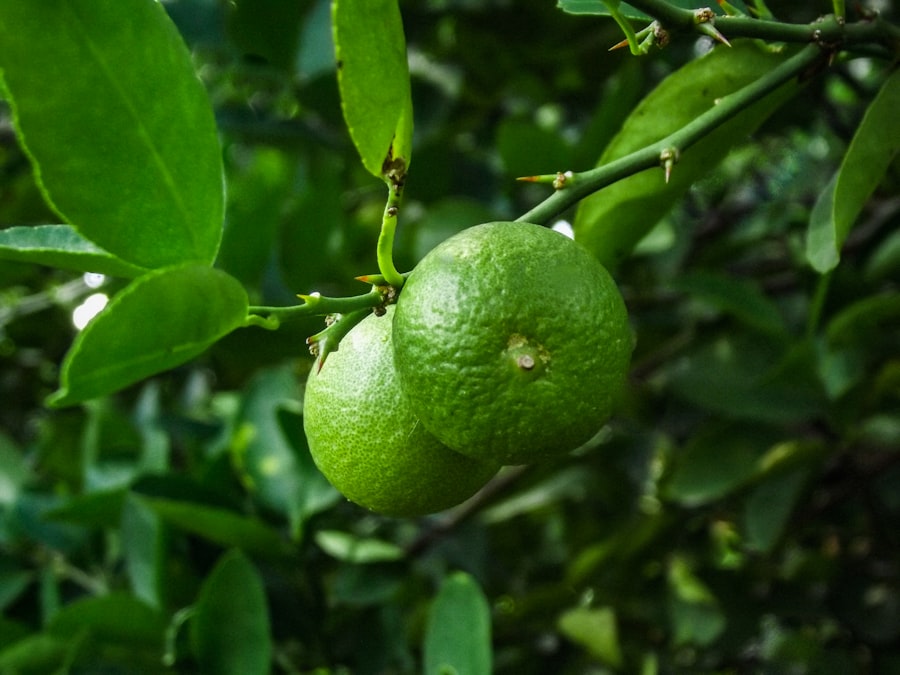
The Key lime, also known as Mexican lime or West Indian lime, is characteristically smaller and contains more seeds than the Persian lime. Its rind is thinner and often yields a more aromatic, intensely acidic juice. This species is believed to have originated in the Indo-Malayan region and was later introduced to the Americas by Spanish explorers.
- Growth Habits: Key lime trees are typically smaller and more thorny than Persian lime trees. They are sensitive to cold temperatures and thrive in tropical and subtropical climates.
- Fruit Characteristics: The fruit is small, round to oval, and ripens from green to yellow. Its flesh is yellowish-green, highly acidic, and possesses a distinct floral aroma.
- Cultivation Requirements: Key lime trees require well-draining soil, ample sunlight, and consistent moisture. They are often propagated from seeds or cuttings.
Persian Lime (Citrus latifolia)
The Persian lime, also known as Tahitian lime or Bearss lime, is the most common commercial lime variety. It is larger, seedless (or contains very few seeds), and has a thicker rind compared to the Key lime. Its juice is less intensely acidic and less aromatic.
- Growth Habits: Persian lime trees are larger and less thorny than Key lime trees. They exhibit greater cold tolerance, allowing for wider cultivation.
- Fruit Characteristics: The fruit is typically oval, with a smooth, bright green rind that remains green even when ripe. Its flesh is pale green, juicy, and less acidic than the Key lime.
- Cultivation Requirements: Similar to Key limes, Persian limes require well-draining soil, adequate sunlight, and regular watering. They are often propagated by grafting.
For those interested in understanding the various aspects of facial blushing and its underlying causes, a related article can be found at this link: Facial Blushing Guide. This comprehensive guide delves into the triggers of facial blushing, offering insights into both psychological and physiological factors, making it a valuable resource for anyone looking to learn more about this common condition.
Nutritional Profile of Limes
Limes are a source of various vitamins, minerals, and phytochemicals. Understanding their nutritional composition can inform dietary choices and illustrate their potential contributions to overall health.
Vitamin C Content
Perhaps the most significant nutritional component of limes is their high vitamin C content. Ascorbic acid, or vitamin C, is an essential water-soluble vitamin involved in numerous physiological processes.
- Antioxidant Properties: Vitamin C acts as an antioxidant, helping to neutralize free radicals in the body. Free radicals are unstable molecules that can damage cells, contributing to oxidative stress.
- Collagen Synthesis: Vitamin C is crucial for the synthesis of collagen, a structural protein found in connective tissues, skin, bones, and blood vessels. Adequate collagen production is vital for wound healing and maintaining tissue integrity.
- Immune Function: Vitamin C plays a role in supporting the immune system. It can enhance the production and function of various immune cells, indirectly contributing to the body’s defense mechanisms.
- Iron Absorption: Vitamin C can enhance the absorption of non-heme iron, the type of iron found in plant-based foods. Consuming limes with iron-rich plant foods can therefore improve iron bioavailability.
Other Vitamins and Minerals
Beyond vitamin C, limes contribute smaller amounts of other essential nutrients.
- B Vitamins: Limes contain trace amounts of B vitamins, including folate, which is important for cell division and DNA synthesis.
- Potassium: While not a primary source, limes do provide a small amount of potassium, an electrolyte involved in maintaining fluid balance, nerve function, and muscle contractions.
- Calcium: Similar to potassium, limes offer a minor contribution to calcium intake, a mineral essential for bone health and other physiological processes.
Phytochemicals
Limes contain various phytochemicals, which are naturally occurring plant compounds that may exert beneficial effects on human health.
- Flavonoids: Limes are rich in flavonoids such as hesperidin, naringin, and rutin. These compounds possess antioxidant and anti-inflammatory properties, potentially contributing to cellular protection.
- Limonoids: Limonoids, including limonin and nomilin, are another class of phytochemicals found in citrus fruits. Research into their potential biological activities is ongoing.
- Carotenoids: While less prominent than in some other fruits, limes contain trace amounts of carotenoids, which are pigments with antioxidant properties.
Culinary Applications of Limes
The acidic and aromatic qualities of limes make them a versatile ingredient in global cuisines. Their use extends beyond mere flavoring; they can also function as tenderizers, preservatives, and coloring agents.
Beverages
Lime juice is a foundational component in numerous beverages, both alcoholic and non-alcoholic.
- Refreshments: Limeade, mojitos, margaritas, and gin and tonics all rely on the bright, acidic note of lime juice. It cuts through sweetness and adds a vibrant tang.
- Flavor Enhancement: A squeeze of lime can brighten the flavor profile of water, iced tea, and various fruit juices. It acts as a counterpoint, preventing cloying sweetness.
- Garnishes: Lime slices and wedges are commonly used as garnishes in beverages, adding visual appeal and allowing the drinker to add more juice if desired.
Savory Dishes
Limes are indispensable in many savory culinary traditions, particularly in Latin American, Southeast Asian, and Indian cuisines.
- Acidic Element: Lime juice is frequently used as an acidic element to balance rich flavors in dishes such as curries, stir-fries, and marinades. Consider it a culinary fulcrum, bringing equilibrium to complex flavor profiles.
- Marinades: The acidity of lime juice can tenderize meats, poultry, and fish by denaturing proteins. It also imparts a distinct flavor to marinades for tacos, fajitas, and ceviches.
- Dressings and Sauces: Lime juice forms the base for many vinaigrettes, salsas, and dipping sauces. Its zest can add an extra layer of aromatic complexity.
- Preservation: In certain applications, the high acidity of lime juice can act as a natural preservative, inhibiting bacterial growth, particularly in dishes like ceviche, where seafood is “cooked” by the acid.
Desserts and Sweets
While perhaps less prevalent than in savory dishes, limes also find their way into a range of desserts.
- Pies and Tarts: Key lime pie is a classic example, showcasing the intense tartness of Key limes balanced with sweetness.
- Custards and Mousses: Lime zest and juice can be incorporated into custards, mousses, and sorbets, providing a refreshing and tangy counterpoint to rich textures.
- Candies and Confections: Lime essential oil and juice are used to flavor candies, jellies, and other confections, offering a piquant, citrusy note.
Traditional and Modern Health Practices

Limes have been employed in traditional medicinal practices for centuries, and contemporary research continues to explore their potential therapeutic properties.
Digestive Support
Various traditional systems suggest that limes can aid digestion.
- Digestive Aid: The acidity of lime juice may stimulate the production of digestive enzymes, potentially aiding in the breakdown of food. Some people consume warm water with lime in the morning as a digestive stimulant.
- Nausea Relief: The aroma and taste of lime are sometimes used to alleviate nausea and morning sickness.
Skin Health
The vitamin C and antioxidant content of limes have led to their use in various skin care applications.
- Antioxidant Protection: The vitamin C in limes may help protect skin cells from oxidative damage caused by environmental factors.
- Collagen Production: As an essential component for collagen synthesis, vitamin C contributes to skin elasticity and repair.
- Astringent Properties: Diluted lime juice is sometimes used topically as an astringent to tighten pores, though direct application should be done with caution due to its acidity and potential for phototoxicity.
Oral Health
Limes have a historical association with combating scurvy, a disease caused by vitamin C deficiency, impacting oral health significantly.
- Scurvy Prevention: Historically, sailors consumed citrus fruits like limes to prevent scurvy, which manifests with symptoms such as bleeding gums and tooth loss.
- Oral Hygiene: The acidic nature of lime juice is sometimes cited as a mouth freshener, though direct, undiluted application should be avoided due to its erosive potential on tooth enamel.
Lime is often celebrated for its refreshing flavor and numerous health benefits, much like chia seeds, which have gained popularity as a superfood. For those interested in exploring the nutritional advantages of chia seeds, you can read more about them in this insightful article. Incorporating both lime and chia seeds into your diet can enhance your meals while providing essential nutrients. To learn more about the incredible properties of chia seeds, check out this related article.
Potential Considerations and Best Practices
While limes offer numerous benefits, it is important to be aware of potential considerations and employ best practices when incorporating them into your diet or topical applications.
Acidity and Dental Health
The high acidity of lime juice can potentially erode tooth enamel over time if consumed frequently or in high concentrations.
- Dilution: When consuming lime juice directly, dilute it with water to reduce its erosive potential.
- Straw Use: Using a straw can help minimize contact between lime juice and tooth enamel.
- Rinsing: Rinsing your mouth with plain water after consuming highly acidic foods or drinks can help neutralize the acid.
Phototoxicity (Phytophotodermatitis)
Certain compounds in limes, particularly psoralens, can cause a skin reaction known as phytophotodermatitis when exposed to sunlight.
- Mechanism: Psoralens, when activated by ultraviolet (UV) light, can cause a topical inflammatory reaction, resulting in redness, blistering, and hyperpigmentation. This is more common with direct skin contact with lime juice, especially when followed by sun exposure.
- Prevention: Exercise caution when handling limes in direct sunlight. Wash hands thoroughly after squeezing limes, especially before sun exposure.
- Symptoms: Symptoms can range from mild redness and itching to severe blistering. The resulting dark spots can persist for weeks or months.
Allergic Reactions
While uncommon, some individuals may experience allergic reactions to citrus fruits, including limes.
- Symptoms: Allergic reactions can include hives, swelling, difficulty breathing, and in severe cases, anaphylaxis.
- Management: If you suspect an allergic reaction, discontinue consumption and seek medical attention.
Pesticide Residues
As with all produce, limes can carry pesticide residues.
- Washing: Thoroughly wash limes under running water before use.
- Organic Options: Consider purchasing organic limes to reduce exposure to synthetic pesticides.
The lime, a small but potent fruit, offers a spectrum of uses and potential benefits. From its botanical origins to its nutritional profile, culinary versatility, and applications in health practices, the lime stands as a testament to the diverse contributions of citrus fruits. By understanding its characteristics and employing mindful consumption, you can integrate this vibrant fruit into your lifestyle effectively.