
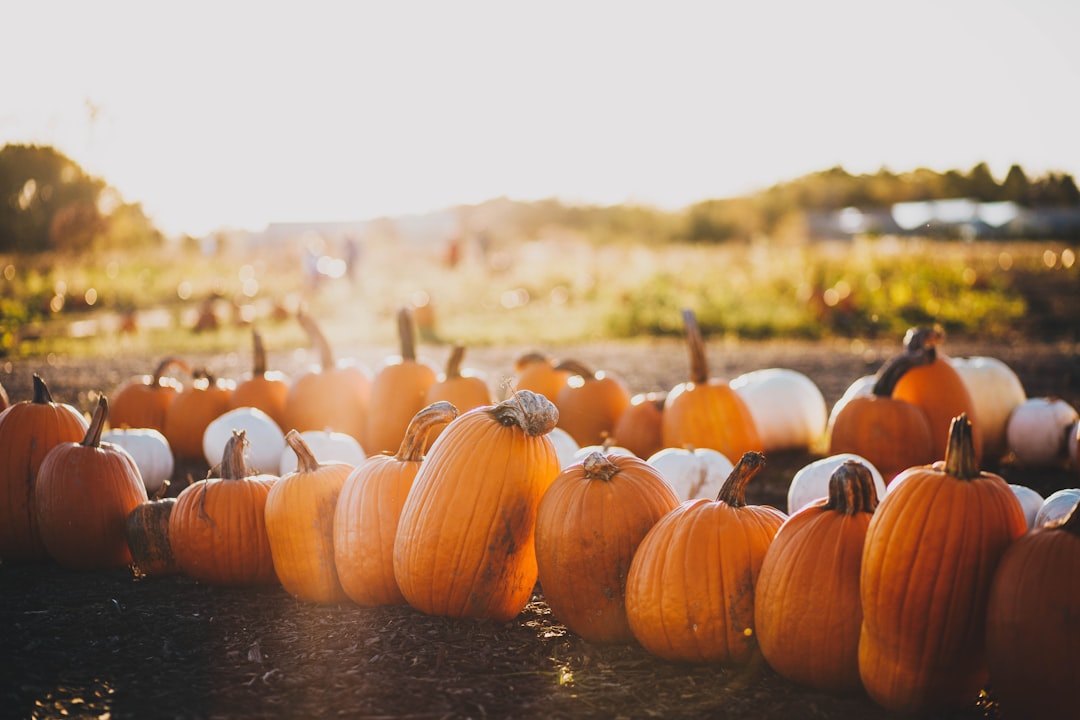
 Thomas Kelly
29 January 2026
Thomas Kelly
29 January 2026
Pumpkin, a member of the Cucurbitaceae family, has a long and varied history. Originating in North America, its cultivation dates back over 7,500 years, making it one of the earliest domesticated plants. Evidence from archaeological sites in Mexico indicates that ancient Mesoअमेरिकन civilizations utilized pumpkin not only for its edible flesh and seeds but also for its durable shells, which served as containers. The term “pumpkin” itself is thought to derive from the Greek word “pepon,” meaning “large melon,” which later evolved through Old French “pompion” and Middle English “pompon” before reaching its current form.
Early European explorers introduced pumpkin to the Old World, where it rapidly integrated into various culinary traditions. Its adaptability to diverse climates and its long storage life made it a valuable food source, particularly during periods of scarcity. Native American tribes, including the Cherokee, Choctaw, and Iroquois, relied on pumpkin as a staple crop, incorporating it into stews, breads, and dried preparations for winter sustenance. They also recognized its medicinal properties, employing its seeds as a vermifuge and its flesh for soothing burns.
Origins and Early Cultivation
The earliest evidence of pumpkin domestication comes from the Tehuacan Valley in Mexico, where squash seeds dating back to 7,500–5,000 BCE have been discovered. These early forms, likely ancestral to modern pumpkins, were smaller and harder-fleshed than the varieties we know today. Over centuries, selective breeding by indigenous peoples led to the development of the diverse range of pumpkins available globally. This deliberate cultivation optimized for traits such as sweetness, size, and flesh texture, illustrating a sophisticated understanding of agricultural practices.
Global Diffusion
Following the Columbian Exchange, pumpkins diffused rapidly across Europe, Asia, and Africa. European botanists and horticulturists were intrigued by the plant’s robust growth and versatility. It quickly became a common sight in gardens and fields, eventually becoming a symbol of agricultural prosperity in many regions. The crop’s ease of cultivation and nutritional value made it a popular addition to diets, particularly in areas where other starchy staples were less readily available. This global spread demonstrates the plant’s inherent resilience and its capacity to thrive in varied environmental conditions.
Pumpkin is a nutrient-dense food, offering a significant array of vitamins, minerals, and antioxidants while remaining relatively low in calories. Its vibrant orange hue is indicative of its high beta-carotene content, a precursor to vitamin A, which plays a crucial role in various physiological functions. This rich nutritional composition makes pumpkin a valuable addition to a balanced diet, providing benefits that extend beyond mere caloric intake.
Macronutrients
For approximately 100 grams of raw pumpkin, you can expect:
- Calories: ~26 kcal
- Carbohydrates: ~6.5 grams (primarily starches and sugars)
- Protein: ~1 gram
- Fat: ~0.1 grams
- Fiber: ~0.5 grams
While not a primary source of protein or fat, pumpkin contributes complex carbohydrates and a modest amount of fiber, which is beneficial for digestive health and satiety. The caloric density is low, making it a suitable food for those managing weight or seeking to increase nutrient intake without excessive calories.
Vitamins
Pumpkin is particularly rich in several key vitamins:
- Vitamin A (as beta-carotene): A single cup of cooked pumpkin can provide over 200% of the recommended daily intake of vitamin A. This vitamin is essential for vision, immune function, and cell growth.
- Vitamin C: A moderate source, vitamin C is a powerful antioxidant and crucial for collagen synthesis and immune support.
- Vitamin E: Another antioxidant present in pumpkin, contributing to cell protection from oxidative damage.
- B Vitamins: Pumpkin contains smaller amounts of B vitamins, including folate, B6, and thiamine, which are involved in energy metabolism and neurological function.
The high concentration of vitamin A is a distinguishing feature of pumpkin’s nutritional profile, positioning it as a significant contributor to eye health and immune system robustness.
Minerals
Pumpkin provides a spectrum of essential minerals:
- Potassium: An electrolyte critical for blood pressure regulation and nerve function.
- Manganese: Involved in bone formation and metabolism.
- Copper: Essential for red blood cell formation and iron absorption.
- Iron: Necessary for oxygen transport in the blood.
- Magnesium: Involved in over 300 biochemical reactions in the body, including muscle and nerve function, blood glucose control, and blood pressure regulation.
These minerals contribute to various bodily processes, underscoring pumpkin’s role as a holistic nutrient provider. The combination of vitamins and minerals creates a synergistic effect, enhancing the overall health benefits.
Antioxidants and Phytochemicals
Beyond vitamins and minerals, pumpkin is a source of various antioxidants and phytochemicals:
- Alpha-carotene: Similar to beta-carotene, it’s converted to vitamin A in the body and acts as an antioxidant.
- Lutein and Zeaxanthin: These carotenoids are particularly beneficial for eye health, accumulating in the retina and protecting against age-related macular degeneration.
- Cryptoxanthin: Another carotenoid with antioxidant properties.
These compounds combat oxidative stress, which contributes to chronic diseases and aging. The presence of these diverse antioxidants elevates pumpkin beyond simple nutrition, positioning it as a functional food with protective qualities.
Pumpkin, a versatile and nutritious vegetable, plays a significant role in various culinary traditions and seasonal festivities. For those interested in exploring the broader context of agricultural practices and their impact on construction projects, a related article on earthwork in civil construction can provide valuable insights. You can read more about this topic by visiting this article, which discusses the importance of earthwork in shaping landscapes and its relevance to sustainable development.
Health Benefits of Pumpkin
The rich nutritional composition of pumpkin translates into a range of health benefits. These advantages are derived from its synergistic blend of vitamins, minerals, fiber, and potent antioxidants, which collectively support various bodily systems.
Eye Health
The most prominent benefit connected to pumpkin is its contribution to eye health. The high concentration of beta-carotene, alpha-carotene, lutein, and zeaxanthin directly supports ocular function. Beta-carotene is a precursor to Vitamin A, a vital nutrient for maintaining good vision, particularly in low light conditions. A shortage of Vitamin A can lead to xerophthalmia, a condition characterized by dry eyes that can progress to night blindness. Lutein and zeaxanthin, often referred to as “macular pigments,” accumulate in the retina, primarily in the macula. This region is responsible for sharp, central vision. These carotenoids act as a natural filter, absorbing harmful blue light and neutralizing free radicals generated by light exposure, thereby protecting the delicate cells of the macula from oxidative damage. Regular consumption of pumpkin may therefore contribute to reducing the risk of age-related macular degeneration (AMD) and cataracts, two common causes of vision impairment in older adults.
Immune System Support
Pumpkin’s role in bolstering the immune system is multifaceted. Its abundant Vitamin A content is crucial for the development and proper functioning of various immune cells, including T-lymphocytes and B-lymphocytes, which are integral to adaptive immunity. Vitamin C, another significant component, acts as a powerful antioxidant, protecting immune cells from damage caused by free radicals generated during immune responses. Furthermore, Vitamin C enhances the production of white blood cells, the body’s primary defense against infections. The presence of other antioxidants, such as Vitamin E and various carotenoids, further contributes to this immune support by reducing inflammation and oxidative stress, thereby creating a more robust environment for immune cells to operate effectively. In essence, pumpkin acts as a scaffold, providing the necessary building blocks and protective agents for a resilient immune system.
Skin Health
The same antioxidants that protect the eyes and immune system also confer benefits to skin health. Beta-carotene, when consumed, is converted to Vitamin A, which is essential for cell turnover and repair, contributing to a healthy skin barrier. It also helps to maintain skin hydration and elasticity. Additionally, beta-carotene and other carotenoids offer natural photoprotection, helping to mitigate damage from ultraviolet (UV) radiation, which is a major contributor to premature skin aging and the development of skin cancers. While not a substitute for sunscreen, dietary carotenoids can enhance the skin’s internal defense mechanisms against oxidative stress induced by sun exposure. Vitamin C also plays a pivotal role in collagen synthesis, a protein vital for skin structure, firmness, and wound healing. By promoting collagen production, pumpkin indirectly supports skin integrity and can contribute to a more youthful appearance.
Digestive Health
Pumpkin is a moderate source of dietary fiber, both soluble and insoluble. Dietary fiber is a cornerstone of digestive health. Insoluble fiber adds bulk to stool, facilitating regular bowel movements and preventing constipation. Soluble fiber, on the other hand, forms a gel-like substance in the digestive tract, which can help to slow down sugar absorption, regulate blood cholesterol levels, and provide prebiotics that nourish beneficial gut bacteria. A healthy gut microbiota is increasingly recognized as central to overall health, influencing everything from immune function to mood. By promoting a healthy digestive environment, pumpkin can alleviate common gastrointestinal discomforts and support systemic well-being.
Potential Anti-cancer Properties
While research is ongoing and further human studies are needed, the high concentration of antioxidants in pumpkin, particularly the carotenoids, has generated interest in its potential anti-cancer properties. Carotenoids are known to neutralize free radicals, unstable molecules that can damage DNA and contribute to the development of cancer. Studies have indicated that diets rich in carotenoids may be associated with a reduced risk of certain cancers, including lung, prostate, and breast cancer. These compounds may exert their anti-cancer effects by inhibiting cell proliferation, inducing apoptosis (programmed cell death) in cancer cells, and modulating immune responses. It is important to view pumpkin as part of a broader healthy diet rather than a standalone cancer cure, but its antioxidant profile provides a compelling rationale for its inclusion in cancer-preventative eating patterns.
Heart Health
The potassium content in pumpkin is noteworthy for cardiovascular health. Potassium is a crucial electrolyte that works in conjunction with sodium to maintain fluid balance and regulate blood pressure. A diet rich in potassium can help to counteract the effects of high sodium intake, which is often associated with hypertension, a significant risk factor for heart disease and stroke. Furthermore, the fiber in pumpkin can contribute to lowering LDL (“bad”) cholesterol levels by binding to cholesterol in the digestive tract and facilitating its excretion. The various antioxidants also play a role in reducing oxidative stress and inflammation within the arterial walls, which are underlying mechanisms in the development of atherosclerosis, a condition that hardens and narrows arteries. By fostering healthy blood pressure, cholesterol levels, and reducing arterial inflammation, pumpkin acts as a quiet guardian for the cardiovascular system.
Culinary Versatility of Pumpkin

Pumpkin’s culinary versatility is one of its most defining characteristics, allowing it to transcend traditional seasonal boundaries and integrate into a wide array of dishes, from savory entrées to sweet desserts. Its mild, earthy flavor and creamy texture make it an adaptable ingredient, a blank canvas awaiting the brushstrokes of spices and other components.
Savory Applications
Pumpkin is not limited to sweet pies and lattes. It excels in savory preparations, lending a depth of flavor and creamy consistency.
- Soups and Stews: Roasted or boiled pumpkin can be pureed into velvety smooth soups, often enhanced with spices like ginger, nutmeg, and cinnamon, or with savory elements like garlic and onion. It can also be diced and added to heartier stews, absorbing the flavors of the broth and adding a subtle sweetness.
- Roasting: Cubed pumpkin, tossed with olive oil, herbs like rosemary or sage, and a sprinkle of salt and pepper, transforms into a tender, caramelized side dish. Roasting concentrates its natural sugars, intensifying its flavor.
- Curries and Chilis: Its ability to absorb spices makes pumpkin an excellent addition to curries and chilis, providing a hearty texture and a touch of sweetness that balances sharper flavors.
- Pasta Dishes: Pureed pumpkin can form the base of a creamy, dairy-free pasta sauce, or roasted chunks can be folded into risottos and pasta bakes, contributing color and a tender bite.
Sweet Applications
The sweet side of pumpkin is perhaps its most famous, particularly in North America during the autumn season.
- Pies and Breads: Pumpkin pie remains a quintessential fall dessert, its rich, spiced custard encased in a flaky crust. Pumpkin also features prominently in quick breads, muffins, and cookies, contributing moisture and a distinctive flavor.
- Desserts and Puddings: Pumpkin puree can be incorporated into cheesecakes, custards, and puddings, offering a comforting and flavorful base.
- Smoothies and Drinks: A spoonful of pumpkin puree can add a nutritional boost and a creamy texture to smoothies, while spiced pumpkin lattes have become a global autumnal phenomenon.
Edible Seeds (Pepitas)
Pumpkin seeds, known as pepitas when hulled, are a byproduct of pumpkin processing that are themselves a highly nutritious and versatile food.
- Nutritional Value: Pepitas are an excellent source of protein, healthy fats (omega-3 and omega-6 fatty acids), fiber, and a wide array of minerals including magnesium, zinc, iron, and phosphorus. They also contain antioxidants like vitamin E.
- Culinary Uses: They can be roasted and seasoned for a healthy snack, added to salads for crunch, incorporated into granolas, used as a topping for soups and yogurts, or ground into a paste for various culinary applications. Their distinct nutty flavor makes them a valuable addition to both savory and sweet dishes.
Sustainable Harvesting and Storage
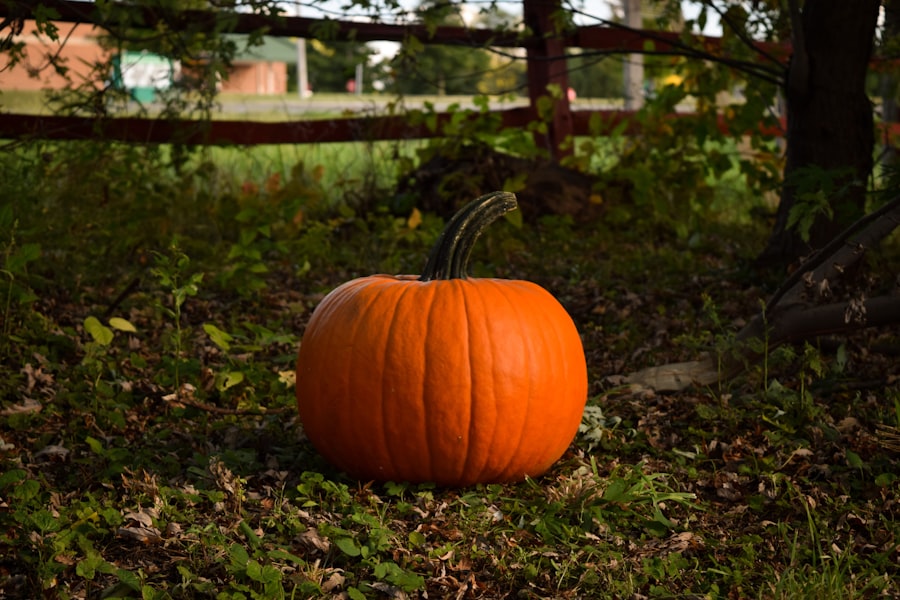
Responsible harvesting and proper storage are crucial for maximizing pumpkin’s lifespan and minimizing food waste. Understanding these practices ensures both environmental stewardship and extended access to this versatile produce.
Harvesting Practices
For home gardeners, pumpkins are typically ready for harvest when their rinds are firm, the color is deep and consistent (orange for most varieties), and the stem has hardened. A common indicator is a hollow sound when tapped gently. It is essential to leave a few inches of stem attached to the pumpkin during harvest. This “handle” is not merely aesthetic; it plays a critical role in preventing rot and extending the pumpkin’s storage life. Cutting the stem too short or breaking it creates an open wound where bacteria and fungi can enter, leading to premature spoilage. Pumpkins should be harvested before the first hard frost, as freezing temperatures can damage the rind and reduce storage quality. Curing pumpkins after harvest by exposing them to warm, humid conditions for about 10-14 days can further toughen the rind and heal minor cuts, enhancing their ability to store.
Storage Conditions
Once harvested and potentially cured, pumpkins require specific conditions for optimal long-term storage.
- Temperature: The ideal storage temperature for most winter squash and pumpkins is between 50-55°F (10-13°C). Temperatures significantly warmer can encourage rot, while colder temperatures (especially below freezing) can cause chilling injury, leading to soft spots and rapid deterioration.
- Humidity: A moderate humidity level (50-70%) is generally recommended. High humidity can foster fungal growth, while excessively low humidity can lead to moisture loss and shriveling.
- Ventilation: Good air circulation is important. Storing pumpkins in a single layer, not touching each other, on shelves or pallets allows for airflow and prevents moisture buildup that can accelerate spoilage. Avoid storing them directly on concrete floors, which can be too cold and draw moisture.
- Light: Pumpkins should be stored in a dark environment or away from direct sunlight, as light can degrade their nutritional content and accelerate spoilage.
- Inspection: Regular inspection of stored pumpkins is advisable. Any signs of mold, soft spots, or bruising should prompt removal of the affected pumpkin to prevent the spread of decay to others.
Under these optimal conditions, many varieties of winter squash and pumpkins can be stored for several months, sometimes even up to a year, acting as a natural food reservoir during colder months. This inherent storability underscores pumpkin’s traditional role as a valuable sustenance crop.
If you’re looking to enhance your makeup skills, you might find it interesting to explore how to apply concealer effectively, especially when preparing for a festive occasion like Halloween where pumpkins are a popular theme. Mastering the art of concealer can help you achieve a flawless look that complements your pumpkin-inspired costume. For more tips on this topic, check out this helpful article on how to apply concealer.
Culinary Considerations and Preparation Tips
Maximizing the flavor and nutritional value of pumpkin requires attention during preparation, from selection to cooking methods. These considerations enhance the overall culinary experience and ensure optimal consumption.
Selecting a Ripe Pumpkin
Choosing the right pumpkin is the first step toward a delicious dish. When selecting pumpkins for culinary use, look for those that are:
- Firm and Heavy: A ripe pumpkin should feel solid and heavy for its size, indicating good moisture content.
- Deep, Even Color: The skin should have a consistent, deep color specific to its variety. Avoid pumpkins with green patches, as this often indicates immaturity.
- Intact Skin: Inspect for soft spots, bruises, or cuts, which can be entry points for spoilage.
- Dull Surface: A dull, rather than shiny, surface often suggests ripeness.
- Firm Stem: The stem should be firm and dry, not soft or moldy. A missing stem can lead to quicker spoilage. For baking, smaller, denser varieties like sugar pumpkins or ‘pie pumpkins’ are often preferred over larger decorative types, as they tend to have sweeter, less stringy flesh.
Preparing Pumpkin for Cooking
Preparing a pumpkin can seem daunting due to its size and hard rind, but a few techniques can simplify the process:
- Washing: Always wash the exterior of the pumpkin thoroughly to remove dirt and bacteria before cutting.
- Stabilize: Place the pumpkin on a cutting board on a damp towel to prevent it from sliding.
- Cutting: For ease, often the best approach is to first cut the pumpkin in half. A sharp, heavy chef’s knife is essential. You might need to rock the knife back and forth or use a rubber mallet to tap the spine of the knife through the tough skin. Once halved, you can either peel it with a sturdy vegetable peeler or a knife before dicing, or roast it with the skin on and scoop out the flesh afterward.
- Deseeding: Use a sturdy spoon, preferably one with a sharp edge, to scrape out the seeds and fibrous strands from the cavity. Don’t discard the seeds; they can be roasted for a nutritious snack.
- Peeling: For recipes requiring peeled pumpkin, once the pumpkin is cut into manageable pieces, peeling becomes easier. Some prefer to peel half first, then cut, while others cut into wedges and then peel.
Cooking Methods and Flavor Enhancement
Pumpkin’s mild flavor allows it to pair well with a broad spectrum of spices and cooking techniques.
- Roasting: Perhaps the most effective method for concentrating pumpkin’s natural sweetness and developing a rich flavor. Cut into cubes or wedges, toss with a little oil, salt, and your chosen spices (cinnamon, nutmeg, ginger, allspice for sweet applications; rosemary, sage, garlic, cumin for savory), and roast until tender and caramelized.
- Steaming/Boiling: While simpler, these methods can introduce more water into the pumpkin, potentially diluting its flavor. If boiling, cut into larger pieces and avoid overcooking to prevent sogginess. Steaming retains more nutrients. Drain well if using for purees.
- Baking: Whole or halved pumpkins can be baked until tender, after which the flesh can be scooped out and used. This method requires less hands-on preparation.
- Pureeing: For soups, pies, or sauces, cooked pumpkin is typically pureed. A food processor, blender, or even a potato masher can be used to achieve the desired consistency. For a smooth puree, ensure the pumpkin is fully cooked and drain any excess liquid.
- Spice Pairings: For sweet dishes, classic fall spices like cinnamon, nutmeg, cloves, ginger, and allspice are excellent companions. For savory preparations, consider garlic, onion, sage, thyme, rosemary, cumin, coriander, and chili powder. A touch of maple syrup or brown sugar can enhance sweetness in desserts, while a pinch of salt can bring out the inherent flavor in all applications.
These careful considerations, from selecting the proper cultivar to employing suitable cooking methods, elevate pumpkin from a simple crop to a culinary staple, providing both nourishment and flavor.