
 Thomas Kelly
19 February 2026
Thomas Kelly
19 February 2026
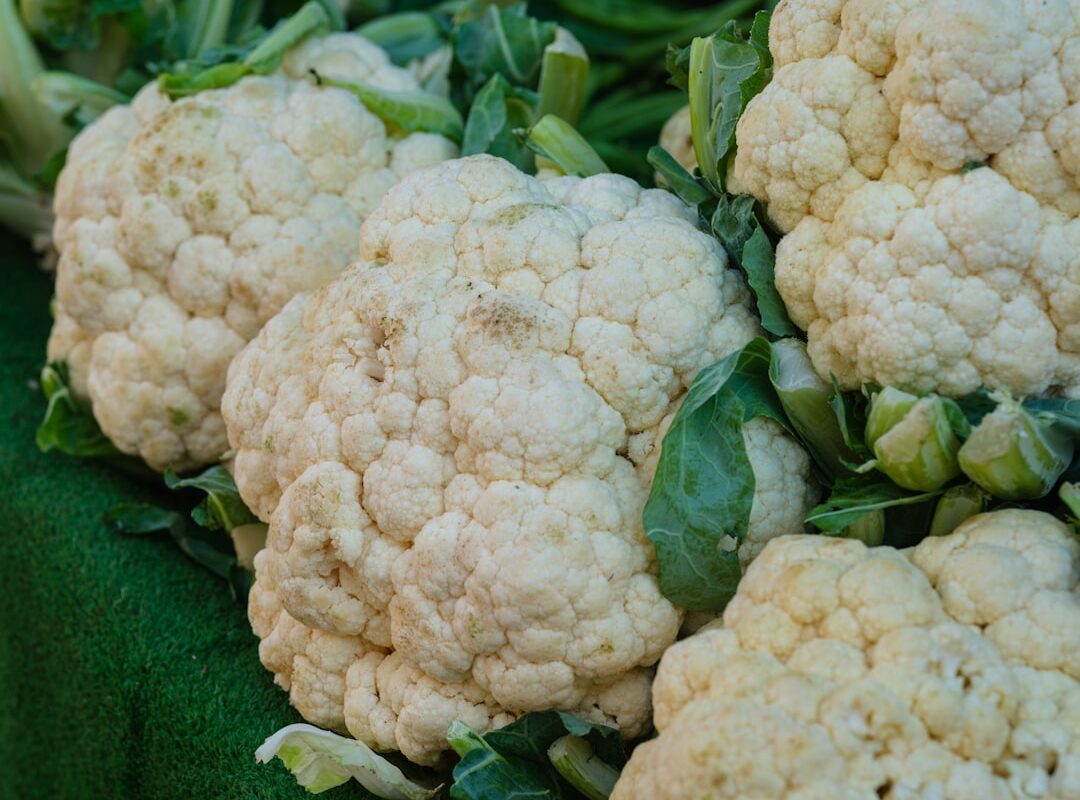
Cauliflower, a cruciferous vegetable belonging to the species Brassica oleracea (Botrytis Group), is a plant characterized by an edible white flower head, or “curd.” Its name derives from the Italian cavolfiore, meaning “cabbage flower,” reflecting its botanical lineage. Originally domesticated in the Mediterranean region, cauliflower has been cultivated for centuries and has gained widespread recognition for its adaptability and nutritional value. This article explores the multifaceted applications of cauliflower in modern cuisine and its various culinary preparations, shedding light on why it has become a staple ingredient for both home cooks and professional chefs.
Understanding the fundamental characteristics of cauliflower aids in appreciating its culinary potential. As a member of the Brassicaceae family, it shares genetic ties with broccoli, kale, and Brussels sprouts. Its dense, white curd is a compressed cluster of immature flower buds, protected by large, green leaves.
Varieties Beyond White
While white cauliflower is the most common, other varieties exist, offering aesthetic and subtle flavor distinctions.
- Romanesco Cauliflower: This striking variety displays a fractal-like, chartreuse-green curd with a slightly nutty flavor and firmer texture than its white counterpart. Its unique appearance makes it a visually appealing ingredient.
- Purple Cauliflower: Colored by anthocyanins, the same antioxidants found in red cabbage and red wine, purple cauliflower offers a visually distinct option. Its flavor profile is generally similar to white cauliflower, though some detect a slightly sweeter note.
- Orange Cauliflower (Cheddar Cauliflower): This variety, a natural mutation, boasts a higher vitamin A content due to its beta-carotene pigment. It tends to be milder and sweeter than white cauliflower.
Nutritional Value
Cauliflower is a nutrient-dense vegetable with a low caloric content. Its nutritional profile includes a good source of dietary fiber, vitamin C, vitamin K, and B vitamins, particularly folate. It also contains various phytonutrients, including glucosinolates and isothiocyanates, which are subjects of ongoing research for their potential health benefits. The presence of antioxidants contributes to its overall nutritional appeal.
Cauliflower, a versatile and nutritious vegetable, has gained popularity in various culinary applications, from low-carb rice alternatives to hearty soups. For those considering home renovations to create a better space for cooking and enjoying meals, you might find it interesting to read about the costs associated with adding a second storey to your home. This can provide additional space for a larger kitchen or dining area, enhancing your cooking experience. To learn more about the financial aspects of such a project, check out this article on the costs of second storey additions: Much Does a Second Storey Addition Cost?.
Culinary Transformations: From Raw to Roasted
Cauliflower’s neutral flavor and firm texture provide a blank canvas for a multitude of culinary preparations. Its versatility allows it to mimic or stand in for other ingredients, opening up a world of possibilities for the adventurous cook.
Raw Applications
When consumed raw, cauliflower offers a crisp texture and a mild, slightly peppery flavor.
- Crudités: Sliced or floreted, raw cauliflower is a common component of vegetable platters, often served with dips such as hummus or ranch dressing. Its crunch provides a textural contrast.
- Salads: Finely chopped or grated raw cauliflower can be incorporated into salads, adding bulk, texture, and a subtle flavor without overpowering other ingredients. It serves as a base without the heaviness of grains.
- Tabbouleh-Style Preparations: Replacing bulgur wheat with finely chopped raw cauliflower creates a grain-free alternative to traditional tabbouleh. This application highlights its ability to mimic grain textures.
Roasting and Sautéing
These cooking methods bring out cauliflower’s inherent sweetness and tenderize its dense structure.
- Roasted Florets: Tossed with olive oil and seasonings, roasted cauliflower develops caramelized edges and a deeper, nuttier flavor. This method is straightforward and accentuates its natural sugars. The high heat acts as an alchemist, transforming its raw potential.
- Cauliflower “Steaks”: Thick slices of cauliflower, roasted or pan-seared, offer a substantial vegetarian entrée. Seasoned and cooked until tender, they present a hearty alternative to meat. These steaks are a testament to its structural integrity under heat.
- Sautéed Sides: Quickly sautéed cauliflower florets, perhaps with garlic or other aromatics, provide a quick and flavorful side dish. This method retains some of its crispness while softening the texture.
The Mimicry Master: Cauliflower as a Substitute
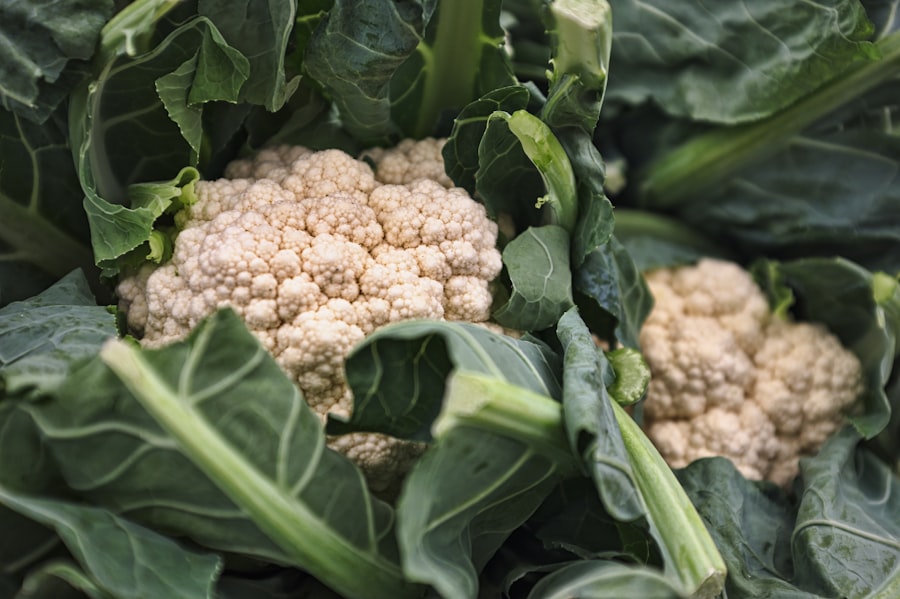
One of cauliflower’s most remarkable attributes is its ability to imitate other ingredients, offering lower-carb or vegetable-based alternatives in various dishes. It’s a culinary chameleon, adapting its form and function.
Rice and Grains
For those seeking to reduce carbohydrate intake or increase vegetable consumption, cauliflower provides an effective substitute for traditional grains.
- Cauliflower Rice: Grated or processed cauliflower, sautéed until tender, closely mimics the texture of rice. It can be used as a base for stir-fries, curries, or served as a standalone side. Its subtle flavor allows it to absorb the characteristics of companion ingredients.
- Cauliflower Couscous: Similar to cauliflower rice, finely processed cauliflower can be used as a stand-in for couscous in salads or as a light side dish. Its light texture makes it suitable for fresh preparations.
Doughs and Bases
The dense texture of cooked and pureed cauliflower allows it to bind with other ingredients, forming stable bases.
- Cauliflower Pizza Crust: When cooked, drained, and mixed with egg and cheese, cauliflower can be pressed into a crust for pizza. This provides a gluten-free and lower-carbohydrate alternative to traditional wheat-based crusts. It requires careful preparation to remove excess moisture for optimal crispness.
- Cauliflower Wraps/Tortillas: Thinly pressed and baked cauliflower mixtures can form pliable wraps or tortillas, offering a gluten-free option for tacos, burritos, or sandwiches. This application demonstrates its structural adaptability.
Sauces, Purees, and Creams: The Silken Touch of Cauliflower
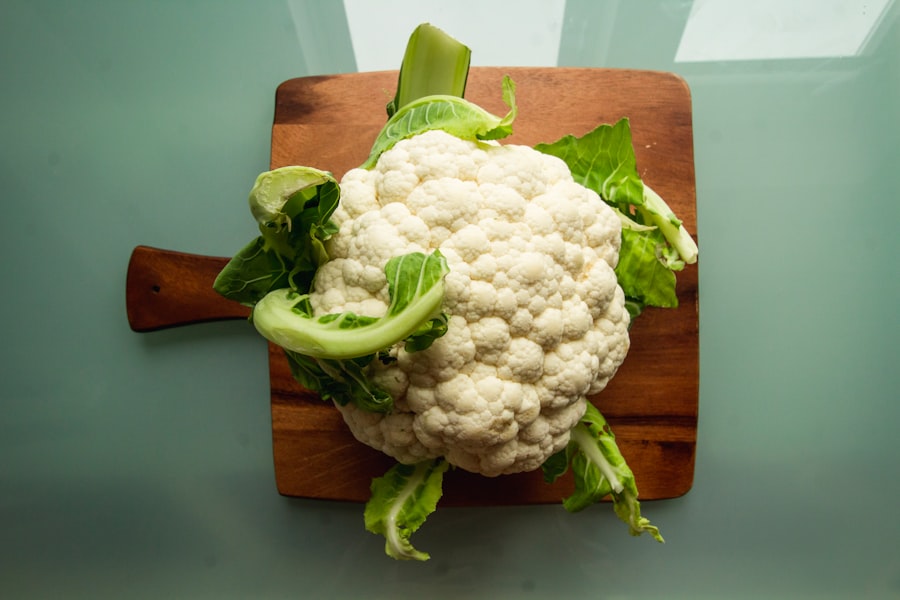
Beyond its solid forms, cauliflower can be transformed into smooth, creamy textures, adding richness and body to dishes without the heavy fat content of traditional cream-based sauces. It acts as a culinary emulsifier, binding flavors and textures.
Thickeners and Emulsifiers
Cooked and pureed cauliflower can naturally thicken sauces and soups, offering a nutritious and often dairy-free alternative.
- Cauliflower Cream Sauce: Blended cooked cauliflower, often with vegetable broth or a touch of milk, can create a velvety sauce for pasta, vegetable bakes, or as a base for gratins. Its subtle sweetness complements a range of savory flavors. This is a prime example of its ability to offer richness without reliance on high-fat ingredients.
- Soup Base: Pureed cauliflower adds body and creaminess to soups, such as leek and potato soup, or acts as the star in a dedicated roasted cauliflower soup. It functions as an invisible architect, building the foundation of a dish.
Dips and Spreads
The smooth consistency achievable with pureed cauliflower makes it suitable for various dips.
- Cauliflower Hummus: Replacing chickpeas with cooked and pureed cauliflower creates a lower-carb version of hummus. It can be seasoned with tahini, lemon juice, and garlic, offering a familiar flavor profile with a different base.
- Cauliflower Mash: A direct alternative to mashed potatoes, cauliflower mash is prepared by cooking cauliflower until very tender, then mashing or pureeing it with butter, milk, or cream. It offers a similar texture and is often seasoned similarly to traditional mashed potatoes. This dish showcases its ability to mirror comfort food.
Cauliflower is a versatile vegetable that can be used in a variety of dishes, making it a popular choice for health-conscious individuals. If you’re looking for ideas on how to incorporate more vegetables into your meals during the upcoming holiday season, you might find inspiration in a related article that discusses festive recipes and tips. For more information, check out this helpful guide on the upcoming holiday season.
Exploring Global Flavors with Cauliflower
Cauliflower’s neutral palate makes it an excellent vehicle for absorbing and complementing a wide array of international flavors, allowing it to integrate seamlessly into diverse culinary traditions. It is a universal language spoken across cuisines.
Asian-Inspired Dishes
Cauliflower readily adapts to the aromatic and spicy profiles of Asian cuisine.
- Cauliflower Curry: Florets cooked in a rich, spiced curry sauce, often with coconut milk and various vegetables, are a staple in many South Asian and Southeast Asian culinary traditions. The cauliflower absorbs the complex flavors of the spices, becoming an integral part of the dish.
- General Tso’s Cauliflower: A vegetarian take on the classic Chinese-American dish, cauliflower florets are battered, fried, and coated in a sweet and sour sauce. This application demonstrates its capacity to carry bold, contrasting flavors.
Mediterranean and Middle Eastern Influences
The natural sweetness of roasted or grilled cauliflower pairs well with the herbs and spices characteristic of Mediterranean and Middle Eastern cooking.
- Grilled Cauliflower with Tahini Drizzle: Charred cauliflower, seasoned with spices like cumin and paprika, and finished with a lemon-tahini dressing, highlights its smoky and nutty characteristics. The grill marks act as a testament to its resilience under heat.
- Cauliflower Shawarma: Marinated cauliflower florets roasted until tender, then served in pita bread with pickled vegetables and sauces, mimic the flavors and textures of traditional shawarma. This dish showcases its ability to adopt the persona of another ingredient.
Cauliflower is a versatile vegetable that can be used in a variety of dishes, making it a popular choice for health-conscious individuals. If you’re looking for innovative ways to incorporate cauliflower into your meals, you might find inspiration in a related article that discusses outdoor cooking solutions. This article highlights creative methods for preparing fresh ingredients, including cauliflower, in a unique outdoor setting. To explore these ideas further, check out the article on outdoor solutions here.
Preservation and Preparation Tips: Extending Cauliflower’s Reach
Proper handling and preparation techniques are crucial for maximizing cauliflower’s versatility and ensuring its quality and longevity in the kitchen. A little forethought can extend its culinary lifespan.
Selecting and Storing
Choosing quality produce and storing it correctly contributes to better culinary outcomes.
- Selection: Look for heads that are firm, compact, and heavy for their size, with uniformly white or colored curds. Avoid those with brown spots or dull coloration. The leaves should appear fresh and green, indicating a healthy plant.
- Storage: Whole heads of cauliflower can be stored in the refrigerator in a plastic bag for up to one to two weeks. Cut florets have a shorter shelf life and should be used within a few days. Freezing blanched florets is an effective method for long-term storage, retaining much of their flavor and texture.
Preparation Techniques
Efficient preparation ensures optimal texture and flavor.
- Trimming: Remove the outer leaves and trim the tough stem. The inner, more tender leaves near the base can often be cooked alongside the florets.
- Cutting Florets: For even cooking, aim for florets of similar size. You can separate them by cutting around the core, or by using your hands to break them apart into manageable pieces.
- Blanching: For applications requiring a crisper texture or for freezing, blanching (briefly boiling then plunging into ice water) helps to lighten the flavor and tenderize the cauliflower slightly without fully cooking it. This process also helps in preserving its vibrant color, especially for colored varieties.
Cauliflower’s journey from a humble cruciferous vegetable to a prominent culinary chameleon is a testament to its adaptability and nutritional value. Its ability to transform across various cooking methods, mimic other ingredients, and absorb diverse flavor profiles positions it as a truly versatile and essential component in a modern kitchen. As consumer preferences continue to shift towards plant-centric and healthy eating, cauliflower is poised to remain a foundational ingredient, offering both culinary innovation and nutritional benefits to a broad audience. Its robust nature and neutral flavor allow it to be a building block, a silent partner, or the star of any dish, illustrating its enduring relevance in the gastronomic landscape.