
 Thomas Kelly
23 February 2026
Thomas Kelly
23 February 2026
You have a delicious journey ahead. This article will equip you with the knowledge to appreciate the humble peach.
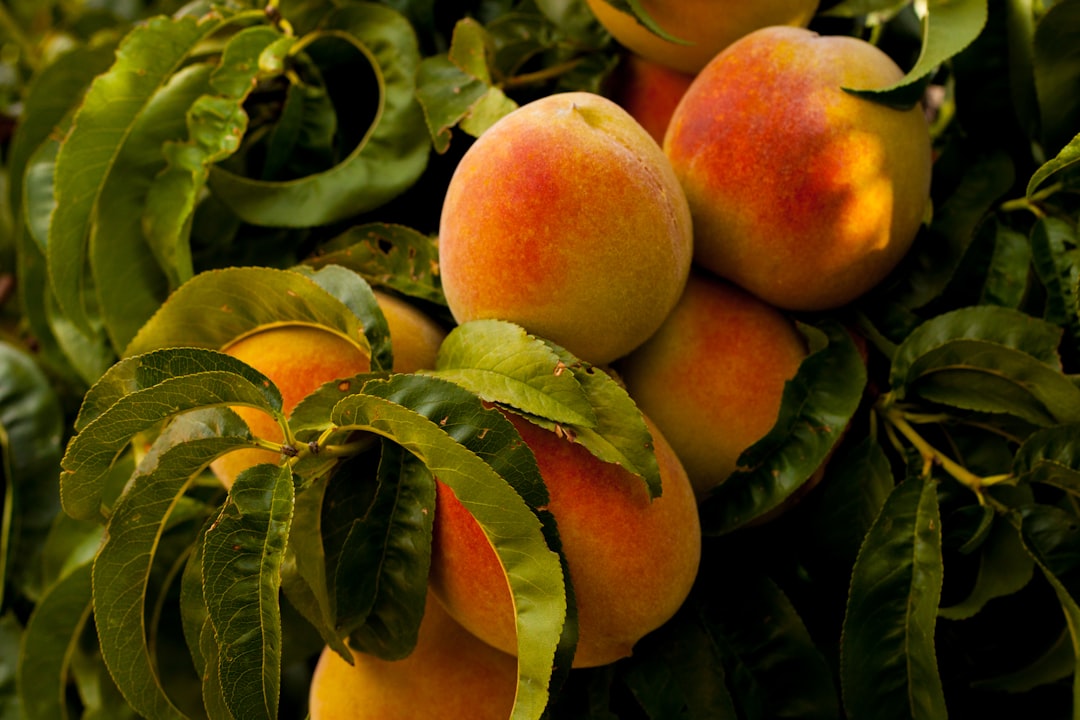
The peach, scientifically known as Prunus persica, is a fruit of considerable interest, both culinarily and botanically. Its origins are deeply rooted in Asia, with evidence pointing towards China as its primary center of domestication. From these ancient lands, the peach embarked on a global odyssey, spreading through trade routes and cultural exchange to become a staple in diverse cuisines and agricultural landscapes.
Origins and Domestication
The domestication of the peach is believed to have occurred over 4,000 years ago in the northwestern regions of China, likely in the Tarim Basin or the areas surrounding the Yellow River. Archaeological findings suggest that early cultivation practices were focused on selecting for desirable traits such as sweetness, size, and ease of peeling, characteristics that continue to define the fruit we know today. The wild ancestor of the peach, Prunus fenzliana, found in Central Asia, provides further clues to its evolutionary journey. It is thought that humans played a crucial role in its spread, inadvertently or intentionally carrying seeds and saplings across continents.
Early Trade and Dissemination
The Silk Road, a network of ancient trade routes connecting the East and West, served as a pivotal conduit for the peach’s expansion. As merchants and travelers traversed these pathways, they likely transported peaches and their seeds, introducing them to new regions. By the first century CE, peaches had made their way to the Roman Empire, where they were often confused with nectarines, a closely related variety. Records from this period indicate that the fruit was already being cultivated and appreciated in various parts of Europe.
Botanical Classification and Characteristics
The peach belongs to the Prunus genus, which also includes plums, cherries, and apricots. Within this genus, it is classified under the subgenus Amygdalus, distinguished by its fuzzy skin at maturity.
Fruit Anatomy
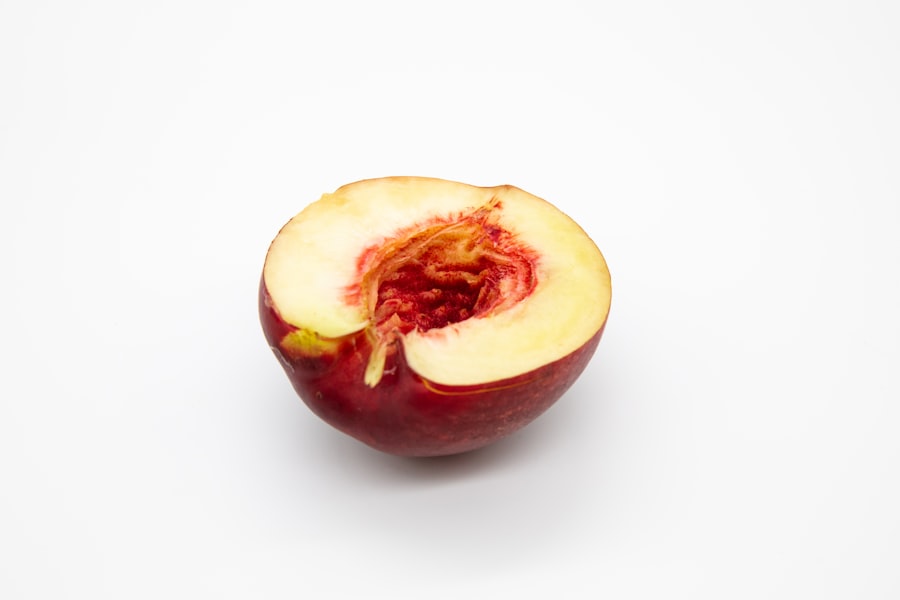
The peach is a drupe, a fleshy fruit with a hard, stony layer (endocarp) surrounding the seed. The edible portion consists of the exocarp (skin) and the mesocarp (flesh). The exocarp can be either fuzzy, as in peaches, or smooth, as in nectarines. The mesocarp varies in color from yellow to white, depending on the cultivar, and its texture can range from firm to meltingly soft. The stone, or pit, contains a single seed, which is not typically consumed.
Varieties and Cultivars
The diversity within the peach species is remarkable, with thousands of cultivars developed over centuries of selective breeding. These cultivars differ in numerous characteristics, including size, shape, color, flavor profile, texture, ripening time, and suitability for different climates and culinary uses. The development of new cultivars continues, driven by agricultural innovation and consumer demand.
Clingstone vs. Freestone
A primary distinction among peach cultivars lies in the adherence of the flesh to the stone. Clingstone varieties, as their name suggests, have flesh that rigidly adheres to the pit, making them more challenging to pit but often prized for their juiciness and rich flavor. Freestone varieties, conversely, have flesh that easily separates from the stone, making them convenient for fresh consumption and various culinary preparations where the stone needs to be removed.
Yellow vs. White Flesh
Another significant classification is based on the color of the flesh. Yellow-fleshed peaches are generally more acidic, offering a tangy counterpoint to their sweetness. Their robust flavor profile makes them well-suited for baking and preserving. White-fleshed peaches, on the other hand, tend to be sweeter with a more delicate, floral aroma. They are often preferred for eating fresh, where their nuanced flavor can be fully appreciated.
The Peach Tree
The Prunus persica tree is deciduous, meaning it sheds its leaves seasonally. It typically grows to a moderate height, usually between 4 and 10 meters (13 to 33 feet), and thrives in temperate climates with distinct warm summers and cool winters. The tree produces beautiful pinkish-white flowers in the spring, which are vital for fruit production.
Flowering and Pollination
Peach trees are primarily self-pollinating, meaning a single flower can fertilize itself, though cross-pollination with another peach tree can sometimes increase fruit set and yield. The delicate blooms are a significant visual spectacle in spring, ushering in the promise of the coming harvest. Bees and other insects play a crucial role in facilitating pollination, even in self-pollinating varieties.
Budding and Fruit Set
Following successful pollination, the flowers develop into small, immature fruits. This process, known as fruit set, is influenced by factors such as temperature, sunlight, and the overall health of the tree. Subsequent stages involve the growth and maturation of the peach, a period that demands adequate water and nutrients for optimal development.
If you’re considering a renovation or rebuilding project, you might find our related article on Peach particularly insightful. It discusses the various aspects of home improvement, including design tips and budgeting strategies that can help streamline your project. For more information, check out the article here: Rebuilding Your Home.
The Peach in Cuisine: A Versatile Ingredient
The peach’s inherent sweetness and tender flesh make it a culinary chameleon, adaptable to a wide array of dishes, from refreshing desserts to savory accompaniments. Its flavor profile, a delightful fusion of sugar and subtle tartness, provides a welcome contrast and complement to many ingredients.
Desserts and Pastries
Peaches are a quintessential ingredient in the world of desserts. Their natural sugars caramelize beautifully when heated, and their juice adds moisture and flavor.
Pies and Tarts
Peach pie, a classic dessert, showcases the fruit in a warm, baked pastry. The combination of flaky crust and soft, sweet peaches is a widely recognized comfort food. Tarts offer a similar experience, often with a more delicate crust and a visually appealing presentation of the fruit.
Cobblers and Crumbles
Cobblers and crumbles feature baked peaches topped with various batters or streusel toppings, respectively. These dishes are known for their rustic charm and satisfying textures, providing a warm, comforting conclusion to a meal.
Ice Cream and Sorbet
The sweet, fragrant nature of peaches lends itself perfectly to frozen desserts. Peach ice cream and sorbet capture the essence of the fruit, offering a cooling and refreshing treat, especially during warmer months.
Savory Applications
While often associated with sweetness, the peach can also enhance savory dishes, its natural sugars providing a delightful counterpoint to salty or acidic components.
Salads
Sliced peaches, either fresh or grilled, add a burst of sweetness and a tender texture to salads. They pair well with ingredients like arugula, prosciutto, and goat cheese, creating a dynamic interplay of flavors.
Grilled and Roasted Dishes
Grilling or roasting peaches intensifies their natural sugars and softens their flesh, making them an excellent accompaniment to grilled meats, poultry, or pork. The smoky notes from grilling can further enhance the peach’s complexity.
Chutneys and Relishes
Cooked down with spices and other fruits or vegetables, peaches can be transformed into versatile chutneys and relishes. These condiments offer a sweet, tangy, and often spicy element that can elevate a variety of savory dishes, from roasted meats to cheese platters.
Preserving the Peach
The bounty of a peach harvest can be enjoyed year-round through various preservation methods, each retaining the fruit’s desirable qualities.
Canning and Jam-Making
Canning whole or sliced peaches preserves them in a sweet syrup, allowing for their use in pies, crumbles, or as a standalone treat. Peach jam, created by cooking down the fruit with sugar, is a popular spread for toast and baked goods.
Freezing Peach Slices
Freezing peaches is a simple method to preserve their flavor and texture for later use in smoothies, baked goods, or sauces. Blanching the slices before freezing can help retain their quality.
Drying Peach Slices
Dehydrating peaches concentrates their sugars and creates chewy, flavorful snacks. Dried peaches retain a significant amount of their nutritional value and can be a convenient source of energy.
The Nutritional Powerhouse: Health Benefits of Peaches
Beyond their delightful taste, peaches offer a surprising array of nutrients that contribute to a balanced diet and overall well-being. They are a good source of vitamins, minerals, and dietary fiber, making them more than just a sweet treat.
Vitamins and Minerals
Peaches are particularly noted for their vitamin C and vitamin A content, though the specific amounts can vary by cultivar.
Vitamin C (Ascorbic Acid)
Vitamin C is an essential nutrient that plays a role in immune function, collagen synthesis, and antioxidant activity. It helps protect cells from damage caused by free radicals.
Vitamin A (Beta-Carotene)
The body converts beta-carotene, a precursor to vitamin A, into the vitamin. Vitamin A is crucial for vision, immune function, and cell growth. Yellow-fleshed peaches, in particular, tend to be a good source of beta-carotene.
Potassium
Peaches also provide potassium, an electrolyte that is important for maintaining fluid balance, nerve signals, and muscle contractions. Adequate potassium intake is linked to healthy blood pressure levels.
Dietary Fiber
The fiber content in peaches contributes to digestive health and can aid in feelings of fullness.
Soluble and Insoluble Fiber
Peaches contain both soluble and insoluble fiber. Soluble fiber can help regulate blood sugar and cholesterol levels, while insoluble fiber adds bulk to stool, promoting regular bowel movements.
Digestive Health
The fiber present in peaches supports a healthy digestive system by aiding in the breakdown of food and promoting the growth of beneficial gut bacteria.
Antioxidants
Peaches are a source of various antioxidants that help combat oxidative stress in the body.
Phenolic Compounds
These compounds, found in the skin and flesh of peaches, act as antioxidants, helping to neutralize harmful free radicals.
Flavonoids
Flavonoids are a group of plant pigments known for their antioxidant and anti-inflammatory properties. They are present in notable amounts in peaches, contributing to their overall health benefits.
Cultivating the Peach: From Orchard to Table

Growing peach trees requires understanding their specific needs and providing the right conditions for optimal fruit production. It is a process that demands patience and attention to detail.
Climate and Soil Requirements
Peaches are temperate fruits and require a certain chilling period to break dormancy and stimulate flowering.
Temperature and Chilling Hours
Peach trees need a period of cold weather during winter, typically ranging from 700 to 1,000 hours below 7°C (45°F), to set fruit effectively. Conversely, they are susceptible to frost damage during their blooming period in spring.
Sunlight and Air Circulation
Full sun exposure is crucial for peach trees to produce abundant and sweet fruit. Good air circulation also helps prevent fungal diseases.
Soil Type and Drainage
Peaches prefer well-drained, fertile soil with a slightly acidic to neutral pH. Heavy, waterlogged soils can lead to root rot.
Planting and Care
Proper planting and ongoing care are essential for the health and productivity of a peach tree.
Site Selection and Planting
Choosing a sunny location with good air circulation and well-drained soil is the first step. Digging a hole twice the width of the root ball and ensuring the graft union is above the soil line are critical planting practices.
Watering and Fertilization
Consistent watering is important, especially during dry periods and when the fruit is developing. Fertilization is typically done in early spring, providing essential nutrients for growth and fruit production.
Pruning
Pruning is a vital aspect of peach tree management. It involves removing dead, diseased, or crossing branches, as well as thinning out excessive growth to improve light penetration and air circulation. Annual pruning also promotes fruit production for the following season.
Pest and Disease Management
Peach trees are susceptible to various pests and diseases, requiring proactive management strategies.
Common Pests
Pests such as the peach borer, oriental fruit moth, and aphids can damage trees and reduce fruit yield. Integrated Pest Management (IPM) strategies, which combine biological, cultural, and chemical controls, are often employed.
Common Diseases
Fungal diseases like peach leaf curl, brown rot, and powdery mildew are prevalent concerns. Proper sanitation, pruning to improve air circulation, and the judicious use of fungicides can help manage these issues.
If you’re interested in enhancing your gardening skills, you might find it helpful to explore methods for growing various vegetables indoors. A related article that provides valuable insights on this topic is available at how to grow peppers indoors. This resource offers practical tips that can complement your efforts in cultivating peaches and other fruits in your home garden.
The Peach’s Global Influence and Cultural Significance
The peach, a fruit that began its journey in ancient China, has woven itself into the tapestry of human culture and agriculture worldwide. Its presence is marked by culinary delights, symbolic meanings, and economic importance.
Symbolism and Mythology
Across various cultures, the peach has acquired rich symbolic meanings, often associated with longevity, prosperity, and good fortune.
Chinese Mythology and Folklore
In Chinese tradition, the peach is deeply imbedded in mythology, often depicted as the fruit of immortality. The Queen Mother of the West is said to possess a garden where peaches of immortality ripen only once every millennia. This association has cemented the peach as a symbol of long life and divine favor.
European and Middle Eastern Associations
In some European and Middle Eastern traditions, the peach has been linked to sensuality and fertility, its soft flesh and delicate aroma evoking notions of ripeness and abundance.
Art and Literature
The peach has been a recurring motif in art and literature across centuries and continents. Its vibrant color and appealing form have made it a popular subject in still life paintings, while its symbolic weight has found expression in poetry and prose.
Economic Impact
The cultivation and trade of peaches represent a significant economic activity in many regions around the world.
Major Producing Regions
Globally, countries such as China, Spain, Italy, the United States, and Greece are major producers of peaches. These regions benefit from diverse climates that are conducive to peach cultivation.
Export and Market Trends
The international trade of fresh and processed peaches is a substantial global market. Consumer demand for fresh fruit, as well as products like canned peaches and peach juice, drives market trends and influences agricultural practices.
Agricultural Innovation and Research
Ongoing research and agricultural innovation aim to improve peach cultivars for increased yield, disease resistance, and enhanced flavor. This continuous effort ensures the sustained presence and quality of peaches in the global marketplace.