 Thomas Kelly
10 August 2026
Thomas Kelly
10 August 2026
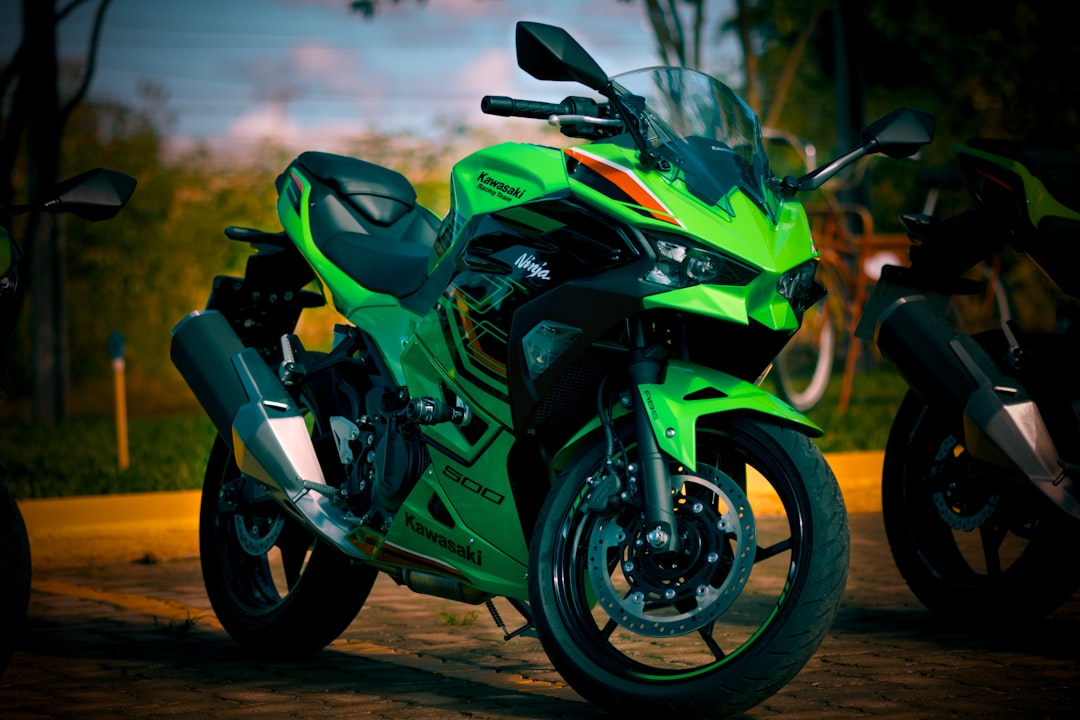
The Kawasaki Ninja 400 is a fantastic motorcycle that genuinely excels as an all-rounder. It’s not just a beginner bike, and it’s not just a track toy; it skillfully blends approachable power with surprisingly capable handling, making it a stellar choice for a wide variety of riders. This bike offers a lot more than its displacement might suggest, providing a truly engaging and practical riding experience whether you’re commuting, carving backroads, or even hitting a local track day.
What really makes the Ninja 400 special is its balance. Kawasaki didn’t just scale down a bigger sportbike; they engineered a machine that feels purpose-built for its segment. It hits a sweet spot that many other bikes in its category either miss or struggle to achieve.
Goldilocks Power Delivery
The Ninja 400’s 399cc parallel-twin engine is a gem. It’s liquid-cooled and fuel-injected, producing around 45 horsepower. This might not sound like a huge number, but it’s delivered in a wonderfully linear and predictable fashion. You don’t get any sudden surges or dips, just smooth, tractable power throughout the rev range.
- Usable Torque: Unlike some smaller displacement bikes that feel breathless at lower RPMs, the Ninja 400 has ample torque available from about 3,000 RPM. This makes city riding and pulling away from stops effortless, without needing to constantly wring its neck.
- Pleasant High-End: When you do open it up, the engine revs freely and quickly, pulling strongly all the way to its redline. It’s engaging without being intimidating, offering enough grunt for spirited riding on twisty roads or comfortable highway cruising at legal speeds.
- Fuel Economy: An often-overlooked benefit of this efficient engine is its excellent fuel economy. Riders commonly report averages in the high 50s to low 60s MPG, which is a significant practical advantage for daily commuting or longer trips.
Agile and Forgiving Handling
This is where the Ninja 400 truly shines. The chassis is light, rigid, and incredibly responsive. It genuinely feels like a much smaller and lighter machine when you’re flicking it through corners.
- Lightweight Construction: Tipping the scales at around 366 lbs (wet), the Ninja 400 is one of the lightest bikes in its class. This low weight contributes immensely to its agility and makes it very easy to manage at low speeds.
- Sporty Geometry: Kawasaki gave the Ninja 400 a relatively aggressive steering geometry, with a 24.7-degree rake and 3.6 inches of trail. This provides quick turn-in and a direct feel when leaning into corners.
- Showa Suspension: While not high-end adjustable components, the 41mm conventional telescopic fork and Uni-Trak monoshock (with preload adjustability) are well-tuned for street riding. They offer a good balance of comfort and control, soaking up bumps without feeling mushy, and providing enough support for enthusiastic cornering.
- Confidence-Inspiring Brakes: The single 310mm front disc with a two-piston caliper and the 220mm rear disc with a single-piston caliper (often paired with ABS) offer ample stopping power for the bike’s weight and performance. They provide good feel and progressive engagement, making it easy to modulate braking force.
Comfort and Ergonomics for All-Day Riding
Sportbikes often get a bad rap for being uncomfortable, but the Ninja 400 largely defies this stereotype. While it’s still a sportbike, its ergonomics are surprisingly accommodating.
Rider Triangle
The relationship between the handlebars, seat, and footpegs is designed to be relatively relaxed for a sport-oriented machine.
- Slightly Upright: The handlebars are clip-ons, but they’re mounted above the top triple clamp, placing them higher than on a full-blown supersport. This results in a less aggressive forward lean, reducing strain on your wrists and back.
- Neutral Footpeg Position: The footpegs are rear-set enough to allow for good cornering clearance and a sporty feel, but not so extreme that they cramp your legs uncomfortably.
- Manageable Seat Height: With a seat height of 30.9 inches, the Ninja 400 is accessible to a wide range of riders. The seat itself is relatively narrow where it meets the tank, making it easier for shorter riders to flat-foot or at least get the balls of their feet down.
Pillion Comfort (Surprisingly Adequate)
While no sportbike is truly a touring machine, the Ninja 400 offers a more tolerable pillion experience than many of its counterparts. The rear seat is reasonably padded and not excessively high, and there are grab handles available. For short to medium trips, a passenger will likely find it acceptable.
Customization and Accessibility
One of the great things about a popular and well-established model like the Ninja 400 is the sheer volume of aftermarket support and its overall accessibility.
Aftermarket Abundance
Whether you want to personalize its aesthetics, enhance its performance, or improve its practicality, there’s a part for almost anything you can imagine.
- Exhaust Systems: From slip-ons that improve the sound and save a little weight to full systems that uncork a few extra horsepower, exhaust options are plentiful.
- Suspension Upgrades: While the stock suspension is good, riders looking for more adjustability or a firmer ride for track use can upgrade forks (cartridge kits) or the rear shock.
- Ergonomic Enhancements: Taller windscreens, adjustable levers, rear-set footpegs, and comfort seats are all readily available to fine-tune the bike to your specific needs.
- Cosmetic Touches: Fender eliminator kits, frame sliders, tank pads, and graphic kits allow owners to truly make the Ninja 400 their own.
Learning and Growing Potential
The Ninja 400 is often recommended as a great beginner bike, and for good reason. Its manageable power and forgiving handling make it an excellent platform to learn fundamental riding skills.
- Predictable Learning Curve: The bike doesn’t have any nasty surprises. Its smooth power delivery and stable chassis allow new riders to build confidence without being overwhelmed.
- Skills Development: As riders gain experience, the Ninja 400 continues to offer opportunities for skill development. Its capable chassis means you can learn to corner aggressively, practice braking techniques, and even dabble in track riding without immediately needing a more powerful machine.
- A “Forever” Bike for Many: While some riders will eventually graduate to larger, more powerful bikes, many Ninja 400 owners find that it fulfills their needs perfectly and see no reason to upgrade. Its blend of fun, practicality, and affordability makes it a compelling long-term choice.
Performance and Track Capability
Don’t let its “beginner bike” label fool you; the Ninja 400 is surprisingly competent on a racetrack. It’s become a very popular choice for production racing classes and track day enthusiasts alike.
Punching Above Its Weight
On a twisty track, the Ninja 400 can embarrass many more powerful machines, especially in the hands of a skilled rider. Its light weight and agile handling allow it to carry incredible corner speed, often making up for its power deficit on the straights.
- Cornering King: The bike’s ability to change direction quickly and hold a line through a corner is exceptional. You can brake later and get on the throttle earlier than you might expect.
- Low Tire and Consumable Costs: Track riding on a Ninja 400 is significantly more affordable than on a 600cc or 1000cc sportbike. Tires last longer, brake pads don’t wear out as quickly, and fuel consumption is lower.
- Excellent Learning Platform for the Track: For aspiring track riders, the Ninja 400 is ideal. It forces you to focus on corner entry speed, smooth throttle application, and proper body position – fundamentals that are crucial for going fast on any bike. On a more powerful machine, you can often mask mistakes with brute force; the Ninja 400 rewards precision.
Race Ready Potential
There’s a reason the Ninja 400 is a dominant force in lightweight racing classes globally. With a few key modifications, it transforms into a highly competitive track machine.
- Suspension Upgrades are Key: For dedicated track use, upgrading the forks (cartridge kit or full replacement) and the rear shock is the most impactful modification. This allows for fine-tuning rebound, compression, and preload to suit track conditions and rider preference.
- Brake Enhancements: While stock brakes are good for the street, track riders often opt for upgraded brake pads, steel-braided lines, and potentially a more aggressive master cylinder for improved feel and fade resistance.
- Power Enhancements (Minor): Full exhaust systems, ECU flashes, and air filter upgrades can squeeze a few more horsepower out of the engine, but the biggest gains on the track come from rider skill and chassis setup.
- Protection: Race fairings, frame sliders, and engine case covers are essential for track safety and minimizing damage in the event of a fall.
Practicality for Everyday Life
Beyond its sporty aspirations, the Ninja 400 is a remarkably practical motorcycle for daily commuting and general street riding.
Commuter Friendly Features
Many aspects of the Ninja 400 make it an excellent urban companion.
- Narrow Profile: Its slim design allows it to navigate through congested traffic with ease, making lane splitting (where legal) simple and efficient.
- Light Clutch Pull: The assist and slipper clutch provides an incredibly light lever pull, reducing hand fatigue in stop-and-go traffic. The slipper function also prevents rear wheel hop during aggressive downshifts, enhancing safety.
- Adequate Mirrors: The mirrors offer a decent view of what’s behind, which is often not the case on smaller sportbikes.
- Informative Dash: The instrument cluster is clear and easy to read, providing all essential information including speed, RPM, gear position, fuel level, and sometimes even a clock.
Luggage and Storage Options
While it’s not a touring bike, you can certainly add some practicality to the Ninja 400.
- Tank Bags: Magnetic or strap-on tank bags are popular for carrying small items like wallets, phones, and water bottles.
- Tail Bags: Various tail bags, from small seat-mounted options to larger bags that strap over the passenger seat, are available for additional storage.
- Backpacks: For many riders, a comfortable backpack is all that’s needed for daily commuting or short trips.
- Small Under-Seat Storage: Like most sportbikes, there’s a very limited amount of space under the passenger seat, perhaps enough for registration papers, a small tool kit, or a disc lock.
In conclusion, the Kawasaki Ninja 400 is much more than just an entry-level sportbike. It’s a versatile, capable, and genuinely fun machine that offers a compelling package for riders of all experience levels. Whether you’re looking for a stylish commuter, a weekend backroad carver, or even a budget-friendly track day weapon, the Ninja 400 consistently exceeds expectations. Its blend of approachable power, nimble handling, and surprising comfort makes it a true standout in the lightweight sportbike category, truly unleashing its power in many forms.
FAQs
What is the engine displacement of the Kawasaki Ninja 400?
The Kawasaki Ninja 400 has a 399cc parallel-twin engine.
What is the top speed of the Kawasaki Ninja 400?
The top speed of the Kawasaki Ninja 400 is around 105 mph.
What is the weight of the Kawasaki Ninja 400?
The curb weight of the Kawasaki Ninja 400 is approximately 366 lbs.
What is the fuel capacity of the Kawasaki Ninja 400?
The fuel capacity of the Kawasaki Ninja 400 is 3.7 gallons.
What are some key features of the Kawasaki Ninja 400?
Some key features of the Kawasaki Ninja 400 include a slipper clutch, LED headlights, and a digital display with gear position indicator.