

 Thomas Kelly
12 January 2026
Thomas Kelly
12 January 2026
Spinach, a leafy green vegetable, is a well-known source of various nutrients. Its inclusion in a balanced diet can contribute to overall well-being. This article aims to provide factual information about the nutritional profile of spinach and its potential health benefits.
Spinach is characterized by its high density of vitamins, minerals, and antioxidants. Understanding its composition reveals why it is often categorized as a superfood.
Macronutrient Profile
Spinach contains a low calorie count and is primarily composed of water and carbohydrates. Its protein content is modest, and it is virtually fat-free. This makes it a valuable food for individuals managing their caloric intake. A 100-gram serving of raw spinach typically contains:
- Calories: Approximately 23 kcal
- Carbohydrates: Around 3.6 grams, with a significant portion being fiber.
- Protein: Roughly 2.9 grams.
- Fat: Less than 0.4 grams.
The low carbohydrate and fat content, coupled with a reasonable amount of dietary fiber, contributes to spinach’s suitability in various dietary plans.
Key Vitamins Found in Spinach
Spinach is a notable source of several essential vitamins, playing crucial roles in bodily functions.
Vitamin A
Spinach is rich in beta-carotene, a precursor to vitamin A. The body converts beta-carotene into vitamin A, which is vital for vision, immune function, and cell growth. A deficiency in vitamin A can lead to vision impairment, particularly night blindness. The presence of beta-carotene in spinach serves as a dietary source to help meet daily vitamin A requirements. This vitamin acts as a shield for the eyes, allowing them to process light more effectively.
Vitamin C
This antioxidant is essential for immune system support, collagen synthesis, and wound healing. Vitamin C also aids in the absorption of iron from plant-based sources, making the iron in spinach more accessible to the body. As a water-soluble vitamin, it is not stored in large quantities, necessitating regular dietary intake.
Vitamin K
Spinach is an excellent source of vitamin K, a fat-soluble vitamin critical for blood clotting and bone health. Vitamin K plays a role in the synthesis of proteins that are necessary for proper coagulation, thus helping to prevent excessive bleeding. Furthermore, it contributes to bone metabolism and may play a role in reducing the risk of osteoporosis. The body’s ability to regulate calcium is influenced by vitamin K.
Folate (Vitamin B9)
Folate is vital for DNA synthesis and repair, cell division, and the production of red blood cells. It is particularly important during pregnancy for the healthy development of the neural tube in fetuses. Adequate folate intake from sources like spinach can help prevent certain birth defects. This vitamin is like a construction manager for new cells, ensuring that genetic material is accurately replicated.
Essential Minerals in Spinach
Beyond vitamins, spinach provides a good array of minerals that are fundamental to physiological processes.
Iron
Spinach contains non-heme iron, a form of iron found in plant-based foods. While it is not absorbed as readily as heme iron from animal sources, the presence of vitamin C in spinach can enhance its absorption. Iron is a component of hemoglobin, which carries oxygen from the lungs to the rest of the body. Iron deficiency can lead to anemia, characterized by fatigue and weakness.
Calcium
Spinach contributes to calcium intake, a mineral essential for building and maintaining strong bones and teeth. Calcium also plays a role in muscle function and nerve signaling. However, spinach contains oxalates, compounds that can bind to calcium and reduce its absorption. The impact of oxalates on calcium bioavailability from spinach is a factor to consider, although cooking can reduce their content.
Magnesium
Magnesium is involved in over 300 biochemical reactions in the body, including energy production, muscle and nerve function, and blood pressure regulation. It also plays a role in maintaining healthy bones and may help manage blood sugar levels.
Potassium
Potassium is an electrolyte that helps regulate fluid balance, nerve signals, and muscle contractions. It is also important for maintaining healthy blood pressure by counteracting the effects of sodium.
Antioxidant Powerhouse
Spinach is a significant source of various antioxidants, compounds that protect cells from damage caused by free radicals. Free radicals are unstable molecules that can contribute to cellular damage and are implicated in chronic diseases and aging.
Flavonoids
Spinach contains several types of flavonoids, including quercetin and kaempferol. These compounds possess anti-inflammatory and antioxidant properties. Quercetin, in particular, has been studied for its potential to reduce inflammation and protect against cardiovascular disease.
Carotenoids
Besides beta-carotene, spinach is a good source of other carotenoids like lutein and zeaxanthin. These antioxidants are particularly important for eye health, accumulating in the retina and helping to filter harmful blue light. Lutein and zeaxanthin may reduce the risk of age-related macular degeneration and cataracts. These carotenoids act like tiny sunglasses for your eyes.
Spinach, known for its rich nutritional profile, is often celebrated in various culinary contexts. For those interested in enhancing their cooking skills, understanding the importance of selecting the right tools and equipment can significantly impact the preparation of dishes featuring spinach and other vegetables. A related article that provides valuable insights on this topic is available at Selecting the Right Tradesman Canopy, which discusses how to choose the appropriate gear for outdoor cooking and gardening.
Health Benefits of Incorporating Spinach
The rich nutritional profile of spinach translates into a range of potential health benefits when incorporated into a regular diet.
Cardiovascular Health
The nutrients in spinach can contribute to maintaining a healthy cardiovascular system.
Blood Pressure Regulation
The potassium content in spinach can help balance the effects of sodium, which is often associated with elevated blood pressure. Maintaining healthy blood pressure is a key factor in reducing the risk of heart disease and stroke. The fiber in spinach also plays a role in cardiovascular health by helping to manage cholesterol levels.
Cholesterol Management
Dietary fiber, present in spinach, can contribute to lowering LDL (bad) cholesterol levels. By binding to cholesterol in the digestive tract, fiber helps prevent its absorption into the bloodstream. This can be an important component of a diet aimed at improving lipid profiles.
Antioxidant Protection for the Heart
The antioxidants in spinach, such as flavonoids and carotenoids, can help protect the heart and blood vessels from oxidative stress. This oxidative stress can damage arterial walls and contribute to the development of atherosclerosis. By neutralizing free radicals, these compounds support the integrity of the cardiovascular system.
Bone Strength and Health
Spinach’s contribution to bone health is primarily linked to its vitamin K and calcium content.
Role of Vitamin K in Bone Metabolism
Vitamin K is essential for the production of osteocalcin, a protein that binds calcium to the bone matrix, thereby increasing bone mineral density. Adequate vitamin K intake is associated with a reduced risk of fractures.
Calcium Contribution
While the bioavailability of calcium from spinach is somewhat limited due to oxalates, it still represents a nutritional contribution towards daily calcium needs. Calcium is the building block of bones, and maintaining sufficient levels is crucial throughout life for bone integrity.
Eye Health Support
The specific antioxidants found in spinach, lutein and zeaxanthin, are particularly beneficial for maintaining healthy vision.
Protection Against Macular Degeneration
Lutein and zeaxanthin are concentrated in the macula of the eye. Their antioxidant properties help protect the macula from damage caused by light exposure and oxidative stress. Studies suggest a correlation between higher intake of these carotenoids and a reduced risk of age-related macular degeneration (AMD), a leading cause of vision loss in older adults.
Cataract Prevention
The antioxidant action of lutein and zeaxanthin may also contribute to reducing the risk of developing cataracts, a clouding of the lens of the eye. By combating oxidative damage, these nutrients help preserve the clarity of the lens.
Digestive Health
The dietary fiber in spinach is a significant factor in promoting a healthy digestive system.
Promoting Regular Bowel Movements
Fiber adds bulk to stool and helps it move through the digestive tract more efficiently, preventing constipation. This regular transit is fundamental for overall gut health and well-being.
Supporting a Healthy Gut Microbiome
While research is ongoing, dietary fiber is recognized as a prebiotic, meaning it can nourish beneficial bacteria in the gut. A balanced gut microbiome is increasingly understood to influence various aspects of health, from digestion to immune function and even mental well-being.
How to Incorporate Spinach into Your Diet
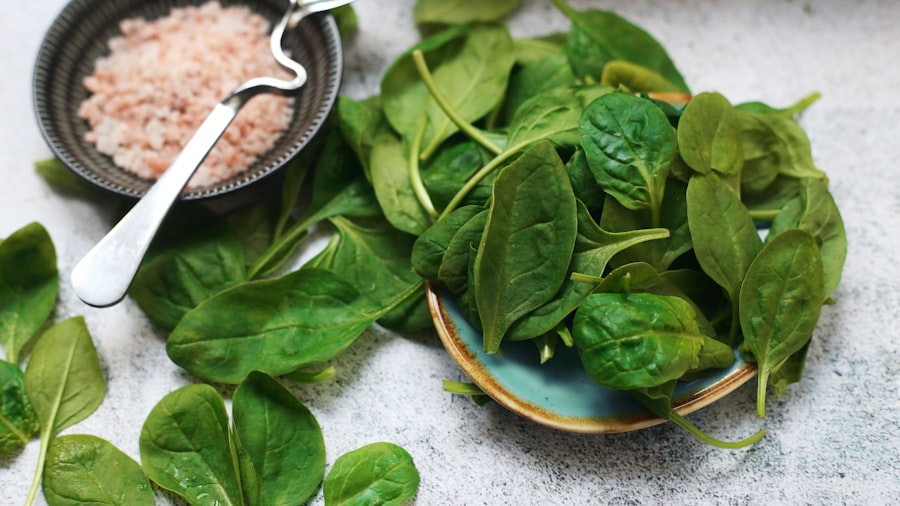
Spinach is a versatile ingredient that can be easily added to a wide range of meals. Its mild flavor and ability to wilt significantly when cooked make it adaptable to different culinary preparations.
Raw in Salads and Smoothies
Raw spinach leaves can form the base of healthy salads, providing a nutritious foundation. They can also be blended into fruit or vegetable smoothies without significantly altering the taste, offering a convenient way to boost nutrient intake. This is akin to adding a hidden mineral spring to your daily beverage.
Cooked in Various Dishes
Spinach wilts down considerably when cooked, meaning a large volume of raw spinach can be incorporated into a small amount of cooked food.
Sautéed Spinach
Sautéing spinach with garlic and olive oil is a simple and quick method to prepare it as a side dish. This method also helps to reduce the oxalate content compared to raw spinach.
In Soups and Stews
Spinach can be added to soups, stews, and broths, wilting down and adding nutrients without changing the primary flavor profile significantly.
In Casseroles and Baked Dishes
Chopped spinach can be incorporated into casseroles, lasagnas, quiches, and other baked dishes, adding a nutritious element to familiar meals.
As a Pizza or Pasta Topping
Fresh spinach can be added to pizzas before baking or stirred into pasta dishes towards the end of cooking.
Considerations and Potential Drawbacks

While spinach offers numerous health benefits, there are certain considerations and potential drawbacks to be aware of.
Oxalate Content and Kidney Stones
Spinach is relatively high in oxalates. In individuals susceptible to kidney stones, particularly calcium oxalate stones, high intake of oxalate-rich foods can be a concern. Cooking spinach can help reduce its oxalate content. For most individuals without a history of kidney stones, moderate consumption is unlikely to pose a significant risk.
Warfarin Interaction
Vitamin K is crucial for blood clotting and plays a role in the effectiveness of anticoagulant medications like warfarin (Coumadin). Individuals taking warfarin need to maintain a consistent intake of vitamin K. Significant fluctuations in spinach consumption, due to its high vitamin K content, could potentially affect the efficacy of these medications. It is advisable for individuals on warfarin to consult with their healthcare provider regarding their dietary intake of vitamin K-rich foods.
Nitrates
Spinach contains naturally occurring nitrates. In the body, nitrates can be converted to nitrites, and under certain conditions, these can form nitrosamines, which are potentially carcinogenic. However, the consumption of vegetables containing nitrates, like spinach, is generally considered safe and beneficial due to the presence of antioxidants, which can inhibit the formation of nitrosamines. The risk is typically associated with processed meats where nitrates are added as preservatives.
Spinach is not only a nutritious leafy green but also a versatile ingredient that can enhance various dishes. If you’re looking for ways to incorporate healthy foods into family meals, you might find this article on camping with children particularly useful. It offers tips on preparing wholesome meals while enjoying the great outdoors, making it easier to include spinach and other vegetables in your family’s diet.
Conclusion
Spinach is a nutrient-dense vegetable that offers a substantial contribution of vitamins, minerals, and antioxidants. Its inclusion in a balanced diet can support various aspects of health, including cardiovascular function, bone strength, eye health, and digestive well-being. By understanding its nutritional composition and incorporating it thoughtfully into meal preparations, individuals can harness the benefits of this versatile leafy green.
Summary of Key Nutrients
- Vitamins: A, C, K, Folate
- Minerals: Iron, Calcium, Magnesium, Potassium
- Antioxidants: Flavonoids (Quercetin), Carotenoids (Lutein, Zeaxanthin)
Culinary Adaptability
Spinach can be enjoyed raw in salads or smoothies, or cooked in various dishes such as sautéed sides, soups, stews, casseroles, and as a topping for pizzas and pasta.
Important Considerations
Individuals prone to kidney stones should be mindful of spinach’s oxalate content. Those on warfarin therapy should consult their doctor regarding consistent vitamin K intake. The generally accepted health benefits of consuming spinach and other vegetables rich in nitrates outweigh potential concerns.