

 Thomas Kelly
26 February 2026
Thomas Kelly
26 February 2026
Tomatoes, the edible berries of the plant Solanum lycopersicum, are a staple in cuisines worldwide and a valuable source of nutrients. Originating in western South America, they were first domesticated in Mexico and subsequently spread globally after the Spanish colonization of the Americas. While botanically a fruit, tomatoes are culinary vegetables. This article explores the various health benefits associated with tomato consumption, drawing from scientific research to delineate their nutritional value and therapeutic potential.
Tomatoes are nutrient-dense yet low in calories, making them a beneficial addition to most diets. Their composition contributes to a wide array of health advantages.
Vitamins and Minerals
Tomatoes are a significant source of several essential vitamins and minerals.
- Vitamin C: A powerful antioxidant, vitamin C is crucial for immune function, skin health, and collagen production. A medium-sized tomato can provide a substantial portion of the recommended daily intake.
- Potassium: This electrolyte is vital for maintaining fluid balance, nerve signals, and muscle contractions. Adequate potassium intake is linked to lower blood pressure.
- Vitamin K1 (Phylloquinone): Essential for blood clotting and bone health, vitamin K1 helps ensure proper physiological function.
- Folate (Vitamin B9): Crucial for cell growth and function, folate is particularly important during pregnancy to prevent birth defects.
- Other B Vitamins: Tomatoes contain smaller amounts of other B vitamins, including B3 (niacin) and B6 (pyridoxine), which play roles in metabolism and nervous system function.
Water Content and Fiber
Tomatoes are predominantly water, contributing to hydration and feelings of satiety.
- Hydration: Comprising about 95% water, tomatoes can support the body’s hydration needs.
- Dietary Fiber: Tomatoes contain both soluble and insoluble fiber. Soluble fiber can help regulate blood sugar levels and cholesterol, while insoluble fiber adds bulk to stool, promoting digestive regularity and preventing constipation. This fibrous content acts as a broom, sweeping through the digestive tract.
Carotenoids
The vibrant red color of most tomatoes is due to the presence of carotenoids, a class of pigments that act as antioxidants.
- Lycopene: The most abundant carotenoid in red tomatoes, lycopene is a potent antioxidant. Its bioavailability is enhanced by cooking and processing, as heat helps break down cell walls, releasing the compound.
- Beta-carotene: This carotenoid is a precursor to vitamin A, essential for vision, immune function, and skin health.
- Lutein and Zeaxanthin: Found in smaller amounts, these carotenoids are important for eye health, specifically protecting against age-related macular degeneration and cataracts. Think of them as tiny internal sunglasses for your eyes.
If you’re interested in exploring the world of wine further, you might find the article on Zinfandel in Australian wine quite enlightening. It delves into the unique characteristics of this varietal and its growing popularity in Australia. For more information, you can read the article here: Guide to Zinfandel: Australian Wine.
Antioxidant Powerhouse
Tomatoes are recognized for their robust antioxidant capacity, primarily due to their rich content of lycopene, vitamin C, and other phenolic compounds. These antioxidants combat oxidative stress, a process implicated in various chronic diseases.
Combating Free Radicals
Oxidative stress occurs when there is an imbalance between free radicals and antioxidants in the body. Free radicals are unstable molecules that can damage cells, proteins, and DNA.
- Cellular Protection: Antioxidants in tomatoes neutralize free radicals, thereby protecting cells from damage and reducing the risk of chronic illnesses such as heart disease and certain cancers. They act as microscopic shields, deflecting harmful particles.
- Inflammation Reduction: Chronic inflammation is a significant contributor to many diseases. Tomato antioxidants, particularly lycopene, exhibit anti-inflammatory properties, potentially mitigating inflammatory responses in the body.
Lycopene’s Role
Lycopene is the most extensively studied carotenoid in tomatoes due to its potent antioxidant activity.
- Enhanced Bioavailability: Research indicates that the absorption of lycopene is greater from cooked and processed tomatoes (e.g., tomato paste, sauce, juice) than from fresh ones, due to the breaking down of cell walls during heating and processing. Serving tomatoes with a source of fat can further enhance absorption, as lycopene is fat-soluble.
- Synergistic Effects: Lycopene’s benefits are often amplified when consumed alongside other tomato compounds. The interplay of various nutrients within the tomato creates a more powerful effect than ingesting individual compounds in isolation.
Cardiovascular Health
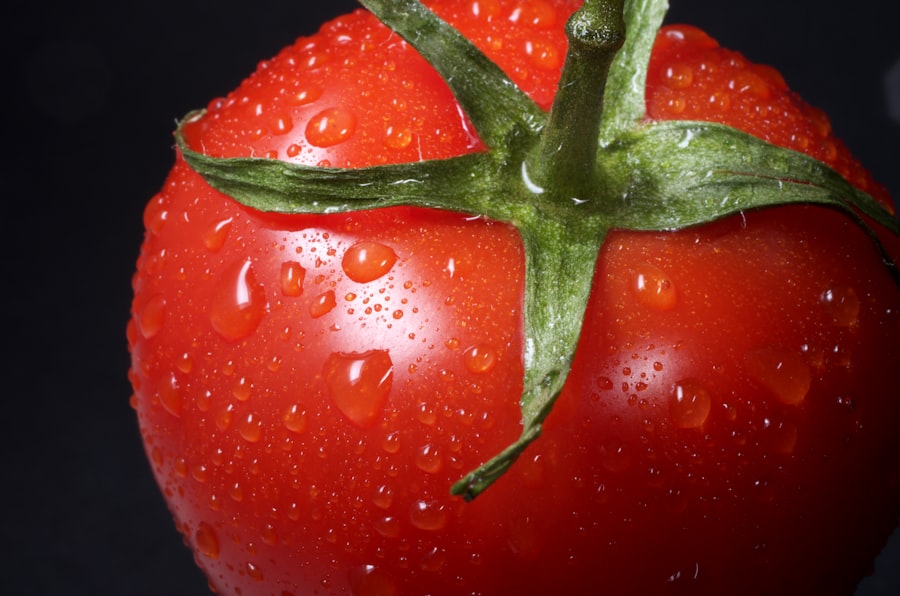
Regular consumption of tomatoes and tomato products is associated with improvements in several markers of cardiovascular health.
Blood Pressure Regulation
The potassium content in tomatoes plays a role in maintaining healthy blood pressure levels.
- Vasodilation: Potassium helps counteract the effects of sodium, promoting the relaxation of blood vessel walls, which can lead to lower blood pressure. It is akin to easing tension in a coiled spring.
- Reduced Risk of Hypertension: Studies suggest that individuals with higher dietary potassium intake tend to have a lower risk of developing hypertension.
Cholesterol Management
Lycopene and other compounds in tomatoes contribute to beneficial changes in lipid profiles.
- LDL Cholesterol Reduction: Lycopene has been shown to reduce levels of low-density lipoprotein (LDL) cholesterol, often referred to as “bad” cholesterol, which contributes to arterial plaque formation.
- HDL Cholesterol Enhancement: Some research indicates that tomato consumption may modestly increase levels of high-density lipoprotein (HDL) cholesterol, or “good” cholesterol, which helps remove cholesterol from arteries.
- Antioxidant Protection of Lipids: Antioxidants in tomatoes prevent the oxidation of LDL cholesterol, a crucial step in the progression of atherosclerosis.
Improved Endothelial Function
The endothelium, the inner lining of blood vessels, plays a critical role in cardiovascular health.
- Vessel Elasticity: Tomato consumption may improve endothelial function, leading to better blood vessel elasticity and overall cardiovascular performance. This makes blood vessels more resilient, like a flexible hose rather than a rigid pipe.
- Nitric Oxide Production: Certain compounds in tomatoes may support the production of nitric oxide, a molecule that helps relax and widen blood vessels, facilitating blood flow.
Cancer Prevention Potential

Numerous studies have investigated the potential role of tomatoes in cancer prevention, with particular attention to lycopene.
Prostate Cancer
Prostate cancer is one of the most studied areas regarding tomato consumption and cancer.
- Reduced Risk: Observational studies have consistently linked high intake of tomatoes and tomato-based products, especially those rich in lycopene, to a reduced risk of prostate cancer.
- Mechanisms of Action: Lycopene’s antioxidant properties help protect cells from DNA damage, inhibit cancer cell proliferation, and induce apoptosis (programmed cell death) in prostate cancer cells. It acts as a cellular guardian, identifying and neutralizing threats.
Other Cancers
While research is ongoing, tomatoes may also offer protection against other forms of cancer.
- Gastric Cancer: Some evidence suggests a negative correlation between tomato consumption and the incidence of gastric cancer, potentially due to the anti-inflammatory and antioxidant effects.
- Colorectal Cancer: Fiber content in tomatoes, along with their antioxidants, may contribute to a reduced risk of colorectal cancer. Fiber promotes healthy bowel function and helps eliminate carcinogens from the digestive tract.
- Breast Cancer: Preliminary research indicates a possible inverse relationship between lycopene intake and breast cancer risk, although more extensive studies are needed.
Importance of Processed Tomatoes
As mentioned, the bioavailability of lycopene is enhanced by processing.
- Cooked vs. Raw: Cooked tomatoes, such as those found in sauces, pastes, and purees, often have higher concentrations of bioavailable lycopene compared to raw tomatoes. This is because heat breaks down the thick cell walls, making lycopene more accessible for absorption.
- Fat enhances absorption: Consuming tomato products with a small amount of dietary fat (e.g., olive oil) further maximizes lycopene absorption, as it is a fat-soluble compound.
Tomatoes are a versatile ingredient that can enhance a variety of dishes, much like how coffee beans contribute unique flavors to beverages. If you’re interested in exploring the intricate world of flavors, you might find this article on coffee beans particularly enlightening, as it delves into the freshness and waste associated with them, drawing parallels to the importance of quality in all culinary ingredients.
Eye Health and Skin Protection
The rich array of antioxidants and vitamins in tomatoes extends their benefits to maintaining healthy vision and protecting the skin from environmental damage.
Protecting Vision
Tomatoes contain specific carotenoids that are integral to eye health.
- Lutein and Zeaxanthin: These are concentrated in the macula of the eye, where they filter harmful blue light and act as antioxidants, protecting the delicate photoreceptor cells from oxidative damage. They are like natural internal filters for your eyes.
- Reduced Risk of Eye Diseases: Regular intake of these carotenoids is associated with a reduced risk of age-related macular degeneration (AMD) and cataracts, two leading causes of vision impairment in older adults.
- Vitamin A: Beta-carotene, a precursor to vitamin A, is essential for maintaining good vision, particularly in low light conditions, and preventing night blindness.
Skin Health
The potent antioxidants in tomatoes offer a degree of protection against environmental stressors that can damage the skin.
- UV Protection: Lycopene and other antioxidants can help mitigate the damage caused by ultraviolet (UV) radiation from the sun. While not a substitute for sunscreen, they provide an internal layer of defense, reducing inflammation and oxidative stress in skin cells. This internal sunscreen works from the inside out.
- Collagen Synthesis: Vitamin C is crucial for the synthesis of collagen, a structural protein that provides elasticity and firmness to the skin. Adequate collagen levels can contribute to a more youthful appearance and faster wound healing.
- Anti-aging Effects: By combating free radical damage, tomatoes may help reduce the appearance of wrinkles and fine lines, contributing to overall skin health and a more radiant complexion.
Wound Healing
Beyond protection, some components of tomatoes support skin repair processes.
- Vitamin C and Tissue Repair: The role of vitamin C in collagen formation is fundamental to wound healing. It helps in the repair of damaged tissues and the formation of new skin cells.
- Anti-inflammatory properties: Reduced inflammation aids in the healing process, and the anti-inflammatory compounds in tomatoes may contribute to quicker recovery from skin injuries.
Conclusion
Tomatoes are more than just a culinary ingredient; they are a nutritional powerhouse. Their diverse array of vitamins, minerals, fiber, and especially their rich concentration of antioxidants like lycopene, contribute to a vast spectrum of health benefits. From supporting cardiovascular well-being and potentially reducing cancer risk to safeguarding vision and promoting skin health, integrating tomatoes into a balanced diet can serve as a simple yet effective strategy for enhancing overall health. The benefits extend whether consumed fresh, cooked, or processed, with specific compounds becoming more bioavailable depending on the preparation method. Making tomatoes a regular part of your diet is a straightforward step towards a healthier lifestyle.