 Thomas Kelly
18 February 2026
Thomas Kelly
18 February 2026
Nectarines are a variety of peach, scientifically classified as Prunus persica var. nucipersica. They are distinguished from peaches by their smooth, fuzz-free skin, a characteristic often attributed to a genetic mutation. While sharing a close botanical lineage, nectarines offer a distinct sensory experience due to this epidermal difference. This article will explore the multifaceted aspects of nectarines, from their botanical origins to their culinary applications and nutritional significance.
Nectarines, as members of the Rosaceae family and the genus Prunus, share a common ancestor with peaches, almonds, plums, cherries, and apricots. Their historical trajectory is intertwined with that of peaches, with evidence suggesting an East Asian origin, likely China, several millennia ago.
Genetic Distinction
The smooth skin of a nectarine, in contrast to the downy skin of a peach, is a result of a recessive gene. This genetic mutation, though seemingly minor, has profound implications for texture and consumer preference. Early cultivation may have involved selection for this trait, or it may have arisen spontaneously.
Historical Cultivation
Records indicate that nectarines were cultivated in ancient Persia and Greece, eventually reaching Europe through Roman expansion. Their presence was noted in English literature as early as the 17th century. The term “nectarine” itself is believed to derive from “nectar,” referencing the fruit’s perceived sweetness.
Global Distribution
Today, primary nectarine-producing regions include California, France, Italy, Spain, Greece, and Chile. These areas possess the temperate climates necessary for optimal growth, characterized by warm summers and mild winters.
Nectarines, with their juicy and sweet flavor, are not only a delicious summer fruit but also a great source of vitamins and antioxidants. While enjoying this delightful fruit, it’s essential to remember the importance of online security, especially when sharing recipes or tips related to nectarines. For more insights on safeguarding your online presence, you can read a related article on the significance of strong passwords at Why Strong Passwords Are Vital.
Cultivars and Varieties
Vast genetic diversity within Prunus persica var. nucipersica has led to the development of numerous nectarine cultivars. These varieties differ in flesh color, sweetness, acidity, size, and ripening season, catering to diverse preferences and agricultural needs.
Yellow-Flesh Nectarines
These are the most common type, characterized by their vibrant yellow to orange flesh. Their flavor profile typically balances sweetness with a pleasant tartness, particularly when consumed slightly under-ripe.
Freestone Varieties
Freestone nectarines, as their name suggests, have pits that detach easily from the flesh. This characteristic makes them ideal for fresh consumption and processing, as it simplifies preparation. Common freestone varieties include ‘Fantasia’, ‘Flamekist’, and ‘Arctic Star’.
Clingstone Varieties
In contrast, clingstone nectarines have pits that adhere firmly to the flesh. While still edible fresh, they are often preferred for canning and preserving due to their ability to hold their shape during processing. Examples include ‘Mayfire’ and ‘Redgold’.
White-Flesh Nectarines
Distinguished by their pale, sometimes translucent flesh, white-flesh nectarines generally possess a lower acidity than their yellow-flesh counterparts, resulting in a distinctly sweeter flavor profile. Their delicate texture and aroma are highly prized.
Subacid Varieties
Many white-flesh nectarines are categorized as subacid, meaning they have very low levels of malic acid, contributing to their pronounced sweetness. Popular subacid white nectarines include ‘Arctic Rose’ and ‘Snow Queen’.
Donut Nectarines
Also known as Saturn nectarines, these flat-shaped fruits offer a unique appearance and a slightly different eating experience. Their compact form makes them convenient for snacking.
Cultural Preferences
The preference for yellow-flesh versus white-flesh, or freestone versus clingstone, often varies geographically and culturally, influenced by tradition, availability, and specific culinary applications.
Nutritional Profile and Health Benefits
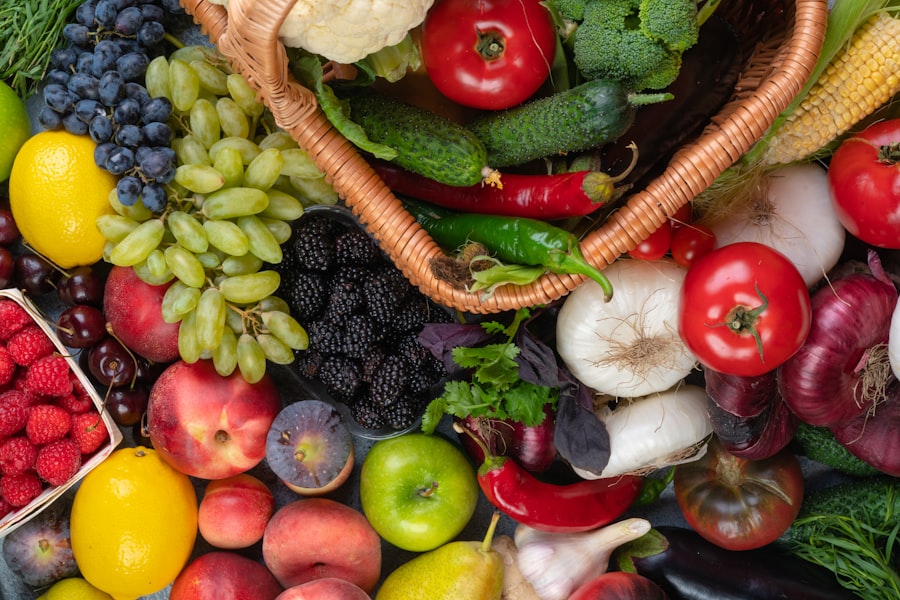
Nectarines are more than just a sweet treat; they are a source of various essential nutrients, contributing to a balanced diet and offering several potential health benefits.
Vitamins and Minerals
A single medium-sized nectarine provides a significant portion of the recommended daily intake for several vitamins.
Vitamin C
Nectarines are a good source of Vitamin C (ascorbic acid), a powerful antioxidant. Vitamin C plays a crucial role in immune system function, collagen synthesis for skin health, and wound healing. It also aids in the absorption of non-heme iron.
Vitamin A
Through their beta-carotene content, particularly in yellow-flesh varieties, nectarines contribute to Vitamin A intake. Vitamin A is vital for vision, immune function, and cell growth.
Potassium
Nectarines provide potassium, an essential electrolyte involved in maintaining fluid balance, nerve signals, and muscle contractions. Adequate potassium intake is linked to blood pressure regulation.
Antioxidants
Beyond vitamins C and A, nectarines contain other phytochemicals with antioxidant properties, including phenolic compounds and carotenoids. Antioxidants combat oxidative stress in the body, which is linked to chronic diseases.
Dietary Fiber
Both soluble and insoluble dietary fiber are present in nectarines. Fiber is crucial for digestive health, promoting regularity and contributing to satiety. Soluble fiber can also help moderate blood sugar levels and lower cholesterol.
Hydration
Comprising a high water content, nectarines contribute to overall hydration, especially important during warmer months or intense physical activity.
Cultivation and Harvesting
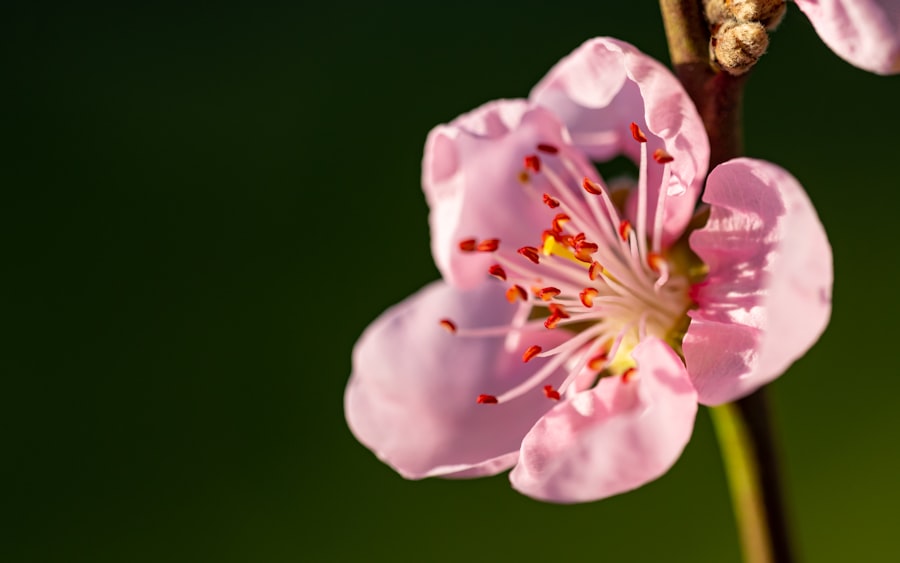
Successful nectarine cultivation requires specific environmental conditions and careful horticultural practices. The journey from blossom to ripe fruit is a testament to natural processes and human intervention.
Climate Requirements
Nectarines thrive in temperate zones with distinct seasons. They require a certain number of “chill hours” during winter (periods below 7°C/45°F) to break dormancy and ensure proper flowering and fruiting. Conversely, they need warm, sunny summers for fruit maturation and sugar development.
Soil and Planting
Well-drained loamy soil with a pH between 6.0 and 7.0 is ideal. Proper site selection, ensuring adequate sunlight exposure and protection from strong winds, is also crucial. Planting typically occurs in late winter or early spring.
Pest and Disease Management
Like all fruit trees, nectarines are susceptible to various pests and diseases, including peach leaf curl, brown rot, and oriental fruit moths. Integrated pest management (IPM) strategies, which combine cultural, biological, and chemical controls, are employed to minimize losses.
Pruning and Thinning
Regular pruning is essential for maintaining tree structure, promoting air circulation, and enhancing fruit development. Fruit thinning, where excess young fruits are removed, is often practiced to ensure remaining fruits grow to an optimal size and quality.
Harvesting
Nectarines are typically harvested by hand to prevent bruising. The timing of harvest is critical for optimal flavor and shelf life. They are usually picked when firm but fully colored, indicating physiological ripeness. Overripe nectarines become soft and perishable, while underripe fruits may not develop full flavor.
Nectarines, with their smooth skin and sweet flavor, are a delightful addition to many summer recipes. If you’re interested in enhancing your culinary skills, you might find inspiration in a related article about home improvement and renovation ideas that can elevate your kitchen space. Check out this informative piece on rebuilding your home to discover how a well-designed kitchen can make preparing meals with fresh ingredients like nectarines even more enjoyable.
Culinary Applications
The versatility of nectarines extends significantly into the culinary realm, where their sweet-tart flavor and smooth texture lend themselves to a wide array of dishes. From fresh consumption to baked goods and preserves, nectarines offer a broad spectrum of possibilities.
Fresh Consumption
Perhaps the most common and arguably the most satisfying way to enjoy a nectarine is to eat it fresh, straight from the hand. The smooth skin requires no peeling, making it a convenient snack. Their juicy texture and balanced sweetness make them a refreshing addition to fruit salads, or simply enjoyed on their own.
Pairing with Savory Foods
Nectarines, despite their sweetness, can also complement savory dishes. Thin slices can be incorporated into green salads, adding a vibrant sweetness that counterpoints bitter greens or salty cheeses. Grilled nectarine halves can serve as an accompaniment to pork, chicken, or fish, where their caramelized sugars and slight acidity enhance the main course. They also work well in salsas, particularly when paired with chili, lime, and cilantro, to create a fresh and zesty condiment for tacos or grilled meats.
Baking and Desserts
Nectarines are a natural fit for numerous baked goods and desserts, their structure holding up well to heat while releasing their characteristic flavor.
Pies, Crisps, and Crumbles
Classic dessert applications include pies, tarts, crisps, and crumbles. The fruit can be sliced and combined with sugar, flour (as a thickener), and sometimes spices like cinnamon or nutmeg, then baked with a pastry crust or a crumbly topping. The heat intensifies their sweetness and softens their texture, creating a comforting dessert.
Cakes and Muffins
Diced nectarines can be folded into cake batters or muffin mixes, providing pockets of juicy fruit that burst with flavor. Their sweetness can reduce the need for excessive added sugar in such recipes. They can also be used as a topping for cheesecakes or custards.
Grilled and Roasted Nectarines
Grilling or roasting nectarine halves caramelizes their sugars, imparting a deeper, more complex sweetness. A drizzle of honey or balsamic glaze can further enhance this effect. These can be served alongside ice cream, yogurt, or as a component of a summer fruit platter. This process also brings out a smoky nuance that pairs well with rich dairy products.
Preserves and Sauces
The natural pectin and acidity in nectarines make them suitable for preserves, allowing their flavor to be enjoyed year-round.
Jams, Jellies, and Chutneys
Nectarine jams and jellies capture the essence of the fruit, providing a spreadable condiment for toast, scones, or as a glaze for poultry. Nectarine chutneys, often featuring spices, vinegar, and sometimes onions, offer a sweet and savory accompaniment to curries, roasted meats, or cheese boards.
Salsas and Compotes
A nectarine compote involves gently cooking sliced nectarines with a minimal amount of sugar and perhaps a splash of citrus juice until softened. This can be served warm or cold, over pancakes, waffles, or as a topping for oatmeal. Nectarine salsas, typically raw and cubed, often include ingredients like red onion, jalapeño, and lime juice, providing a fresh, piquant counterpoint to grilled fish or chicken.
Beverages
Nectarines contribute a refreshing sweetness and aroma to various beverages.
Smoothies and Juices
Blended into smoothies, nectarines add a creamy texture and sweet flavor, complementing other fruits like berries or bananas. Their juice can be extracted and enjoyed on its own or mixed with other fruit juices to create refreshing blends.
Cocktails and Mocktails
Muddled nectarine pieces can form the base for summer cocktails, such as sangrias, mojitos, or spritzers, lending a seasonal fruitiness. Non-alcoholic mocktails can also benefit from nectarine puree or slices, offering a sophisticated and refreshing alternative.
Nectarines, with their smooth skin and sweet flavor, are a delightful addition to many dishes, from salads to desserts. If you’re interested in exploring more about fruits and their various uses, you might find this article on camphor blocks intriguing, as it discusses natural products that can complement your culinary adventures. Whether you’re baking a pie or enjoying them fresh, nectarines can elevate your meals with their vibrant taste and nutritional benefits.
Storage and Selection
Proper selection and storage are crucial for maximizing the enjoyment and longevity of nectarines. Understanding how to identify a ripe fruit and preserve its quality will enhance your experience.
Selecting Ripe Nectarines
The primary indicators of ripeness in a nectarine are color, feel, and aroma.
Color
A ripe nectarine will display a vibrant, consistent color appropriate for its variety (e.g., deep red blush over a yellow or creamy background for yellow-flesh; pale cream or white for white-flesh). Avoid fruits with excessive green patches, as this often indicates immaturity. However, a slight greenish tint near the stem is sometimes acceptable, particularly if the fruit is firm and intended for later consumption.
Firmness
Gently press the nectarine with your thumb. A ripe nectarine will yield slightly to gentle pressure, indicating juicy flesh within. Avoid fruits that are rock hard, as they are likely underripe and may never develop full flavor. Conversely, overly soft or mushy nectarines are past their prime and may be bruised or fermenting. The texture should be uniformly firm but give just a little.
Aroma
A ripe nectarine should emit a sweet, fragrant aroma at the stem end. This aromatic promise is a reliable indicator of internal sweetness and flavor development. A lack of scent often suggests an underripe fruit, while a fermenting smell indicates spoilage.
Visual Imperfections
Minor blemishes, such as small scars or slight discoloration, do not necessarily affect the internal quality or taste. However, avoid nectarines with large soft spots, deep cuts, or signs of mold, as these can quickly lead to spoilage.
Storing Nectarines
Storage methods depend on the ripeness of the fruit and the intended consumption timeline.
Ripening At Room Temperature
If nectarines are purchased unripe (firm with little aroma), they should be left at room temperature, ideally in a single layer to avoid bruising, in a fruit bowl or on a counter. Placing them in a paper bag can accelerate ripening by trapping ethylene gas, a natural ripening agent produced by the fruit itself. Check daily for desired firmness and aroma. Avoid direct sunlight, which can cause them to spoil unevenly.
Refrigeration for Ripe Nectarines
Once ripe, nectarines should be transferred to the refrigerator to slow down the ripening process and extend their shelf life. Store them in the crisper drawer, preferably in a plastic bag or container to prevent moisture loss. Ripe nectarines can typically last for 3-5 days in the refrigerator. Prolonged refrigeration can sometimes diminish their flavor and texture, so consume them within this window.
Freezing for Long-Term Storage
For long-term storage, nectarines can be frozen. This process typically involves washing, pitting, and slicing the fruit. Some prefer to peel the fruit, though it’s not strictly necessary. The slices can then be spread in a single layer on a baking sheet and frozen until solid. Once frozen, transfer them to airtight freezer bags or containers. This prevents them from clumping together and allows for easy portioning. Frozen nectarines are excellent for smoothies, sauces, jams, and baking, though their texture will be softer upon thawing. They can be stored in the freezer for up to 6-12 months.
Preventing Bruising and Damage
Nectarines have delicate skin and flesh. Handle them with care to prevent bruising, which can accelerate spoilage. Avoid piling them high or placing heavy items on top of them.
Washing Before Consumption
Always wash nectarines thoroughly under cool running water before consumption, even those intended for peeling, to remove any surface dirt, pesticides, or microbial contaminants. A gentle rub with your hands is usually sufficient.