
 Thomas Kelly
12 February 2026
Thomas Kelly
12 February 2026
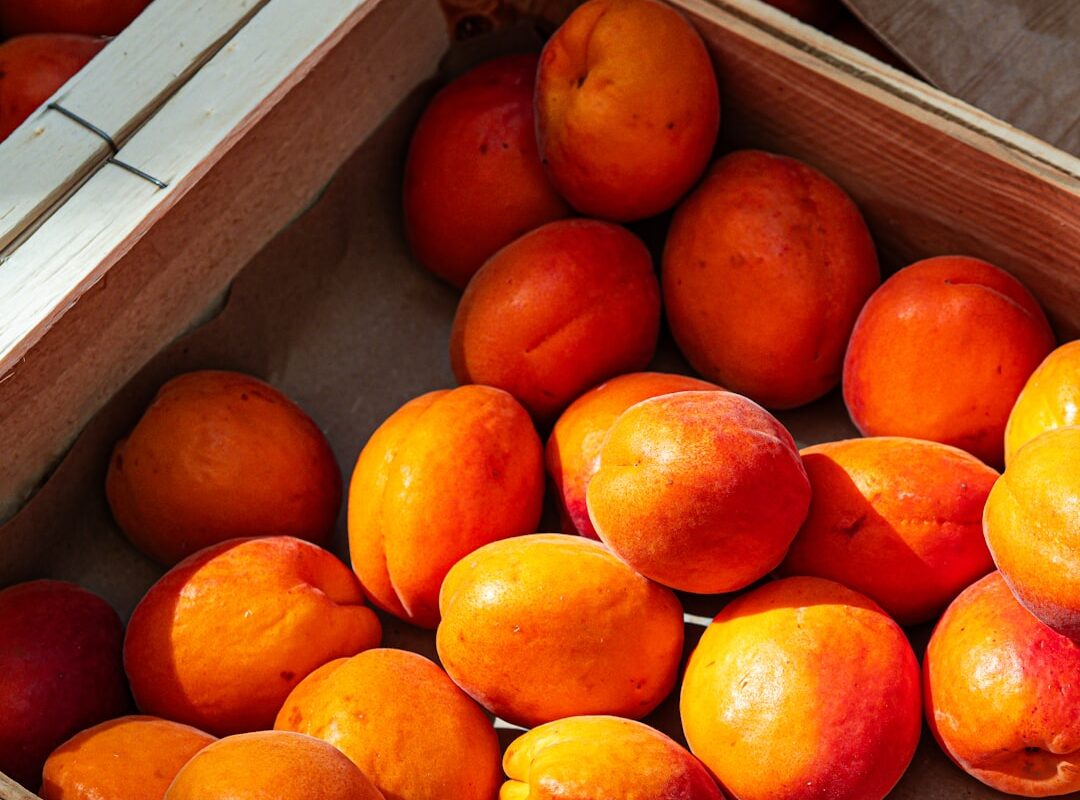
The apricot (Prunus armeniaca) is a stone fruit, closely related to the plum and peach. It is a small, round fruit, typically 1.5 to 2.5 inches (3.8 to 6.4 cm) in diameter, with a fuzzy skin and a sweet, slightly tart flesh. The fruit’s color ranges from yellow to orange, often with a reddish blush on the side exposed to the sun. Inside, it contains a single, hard stone that encloses the seed. Apricots are native to Central Asia and have been cultivated for centuries, eventually spreading to Europe, the Mediterranean, and North America.
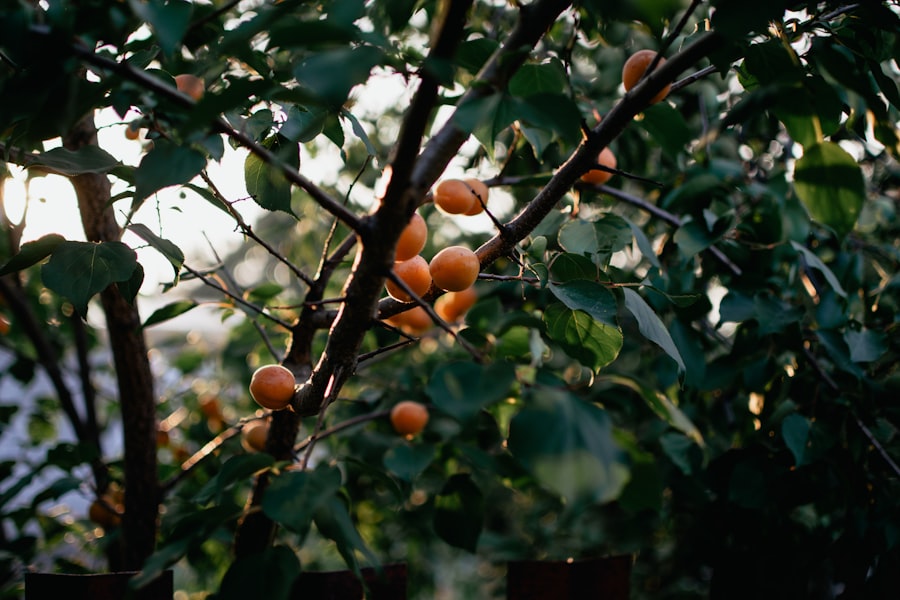
The apricot tree (Prunus armeniaca) is a deciduous tree that typically grows to a height of 15 to 30 feet (4.5 to 9 meters). It has a spreading habit and produces abundant white or pinkish flowers in early spring, preceding the fruit’s development. The leaves are ovate to broadly ovate, with serrated margins. The tree is self-pollinating for many varieties, although cross-pollination can improve fruit set and yield.
Fruit Development
Fruit development begins after pollination. The small, green ovaries gradually swell and mature over a period of 3 to 5 months, depending on the variety and climate. The skin of the apricot is thin and slightly fuzzy, often referred to as tomentose. The flesh can vary in texture, from firm and crisp to soft and melting, and its flavor profile ranges from intensely sweet to subtly tart, often with floral undertones. The stone, or pit, is hard and woody, containing a kernel that, in some species, is edible, though bitter and requiring careful processing to remove toxic compounds like amygdalin.
Growing Conditions
Apricot trees thrive in temperate climates with distinct seasons. They require a period of winter chill to break dormancy and initiate flowering, typically 600 to 900 hours below 45 °F (7 °C). However, they are also sensitive to late frosts, which can damage delicate blossoms and significantly reduce fruit yield. Apricot trees prefer well-drained soil and full sun exposure. While they can tolerate a range of soil types, they perform best in sandy loam soils. Adequate water is crucial during the growing season, especially during fruit development, but waterlogged conditions can lead to root rot.
Site Selection
Choosing the right location for an apricot tree is a critical step in successful cultivation. A site that receives at least six to eight hours of direct sunlight daily is ideal. Protection from strong winds is also beneficial, as they can cause physical damage to the branches and flowers. Avoiding low-lying areas where frost can settle is also advised.
Soil Preparation
Before planting, it is important to prepare the soil. This involves amending the soil with organic matter such as compost or well-rotted manure. This improves drainage and aeration, providing a nutrient-rich environment for the young tree. The pH of the soil should ideally be between 6.0 and 7.0, which is slightly acidic to neutral.
Watering and Fertilization
Consistent watering is a cornerstone of good apricot cultivation. Young trees require more frequent watering to establish their root systems. Mature trees still need irrigation during dry spells, particularly when the fruit is developing. Overwatering should be avoided, as it can lead to root diseases. Fertilization recommendations vary based on soil composition and tree vigor. Typically, a balanced, slow-release fertilizer is applied in early spring, before new growth begins. Excessive nitrogen can promote vegetative growth at the expense of fruit production.
Pruning
Pruning is essential for maintaining tree health, shape, and fruit production. Apricot trees are often pruned to an open center or vase shape, which allows for good air circulation and sunlight penetration. Pruning is typically done in late winter or early spring, before the start of the growing season. Summer pruning may be employed to control vigorous growth and improve fruit color.
If you’re interested in learning more about home improvement solutions that can enhance your property’s value and functionality, you might find this article on the best company guttering system particularly useful. It provides insights into selecting the right guttering options to protect your home from water damage, which is essential for maintaining the integrity of structures like apricot orchards. You can read the article here: Best Company Guttering System.
Nutritional Profile and Health Benefits
Apricots are a good source of vitamins, minerals, and dietary fiber, contributing to a balanced diet. Their nutritional density makes them a valuable addition to various culinary preparations.
Key Nutrients
Apricots are particularly rich in Vitamin A, primarily in the form of beta-carotene, a powerful antioxidant. Vitamin C is also present, which plays a role in immune function and collagen synthesis. Potassium, an essential mineral for maintaining fluid balance and blood pressure, is another significant component. Dietary fiber, present in both soluble and insoluble forms, supports digestive health and can contribute to feelings of satiety.
Vitamin A
The beta-carotene in apricots is converted to Vitamin A in the body. Vitamin A is crucial for vision, immune function, and cell growth. A regular intake of beta-carotene-rich foods like apricots can contribute to maintaining good eyesight and healthy skin.
Vitamin C
Vitamin C acts as an antioxidant, protecting cells from damage by free radicals. This nutrient also supports the immune system and aids in the absorption of iron.
Potassium
Potassium is an electrolyte that helps regulate blood pressure by counteracting the effects of sodium. It also plays a role in nerve function and muscle contractions.
Health Benefits
The consumption of apricots has been linked to several health benefits, largely due to their nutrient composition. Their fiber content can aid in digestion and promote gut health. The antioxidants present offer protection against cellular damage and may contribute to reducing the risk of chronic diseases.
Digestive Health
The fiber in apricots can promote regularity and prevent constipation. It also serves as a prebiotic, feeding beneficial gut bacteria, which contributes to a healthier microbiome.
Antioxidant Properties
The antioxidants found in apricots, such as beta-carotene and Vitamin C, help neutralize harmful free radicals in the body. This cellular protection is thought to reduce the risk of oxidative stress and its associated chronic conditions.
Eye Health
The high concentration of Vitamin A, derived from beta-carotene, is directly linked to maintaining good vision, particularly night vision, and supporting overall eye health.
Culinary Uses and Preparations
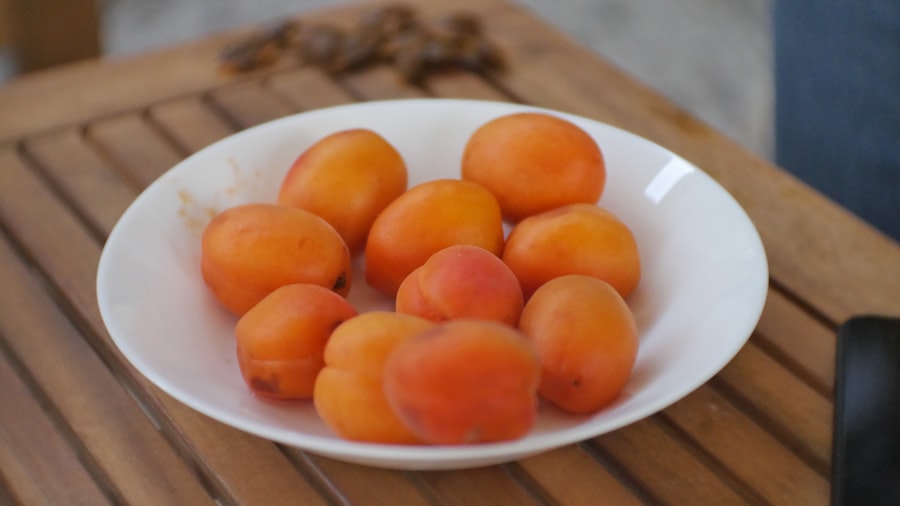
The versatility of the apricot extends across a wide spectrum of culinary applications, from fresh consumption to incorporation into baked goods, preserves, and savory dishes.
Fresh Consumption
When ripe, apricots are often enjoyed directly from the tree or purchased fresh at markets. Their inherent sweetness and subtle tartness make them a refreshing snack. The texture can range from firm enough to hold its shape to yielding and soft, depending on the variety and ripeness. The skin is edible and contributes to the overall texture and flavor profile.
Selecting Ripe Apricots
Choosing ripe apricots involves a sensory assessment. The fruit should yield slightly to gentle pressure. The color should be a rich, uniform orange or yellow, with minimal greenness, especially around the stem. A slightly fuzzy texture is normal, but avoiding fruit with bruised or overly soft spots is advisable. The aroma should be sweet and fragrant.
Enjoying as a Snack
A simple way to enjoy apricots is as a natural, raw snack. They can be eaten whole, or the stone can be removed for easier consumption. Their portability makes them suitable for on-the-go snacking.
Preserves and Jams
Apricots lend themselves exceptionally well to preservation due to their natural pectin content and balanced sweetness and acidity. This makes them ideal for creating jams, jellies, and preserves, which extend their usability beyond the fresh season. The fruit’s flavor intensifies during the cooking process, resulting in a concentrated sweetness.
Apricot Jam
Apricot jam is a classic preserve. The fruit is cooked with sugar and often a little lemon juice to enhance the flavor and aid in setting. The resulting product is a spreadable condiment with a vibrant color and intense apricot taste.
Dried Apricots
Drying is a traditional method of preserving apricots, concentrating their sugars and intensifying their flavor. Dried apricots are a popular snack and ingredient, offering a chewy texture and a sweet, slightly tangy taste. They are often sulfured to preserve their color, though unsulfured varieties are also available.
Apricot Varieties and Their Characteristics
The world of apricots is diverse, with numerous cultivars developed for specific climates, flavors, and uses. Each variety possesses a unique combination of features that make it suitable for different agricultural and culinary purposes.
Well-Known Cultivars
Several apricot varieties have gained widespread recognition for their distinctive qualities. These cultivars have been selectively bred for factors such as disease resistance, yield, and fruit quality.
‘Blenheim’/’Royalty’
This is a traditional and highly regarded variety, known for its rich, aromatic flavor and tender flesh. However, it can be susceptible to certain diseases and is often used for canning and drying due to its excellent quality when processed.
‘Moorpark’
Another esteemed variety, ‘Moorpark’ apricots are large, with a robust, sweet, and slightly tangy flavor. They are often considered a dessert apricot and are suitable for fresh consumption and preserves. This variety requires a good chilling period.
‘Tilton’
‘Tilton’ is a popular choice for commercial growers due to its prolific bearing habit and good disease resistance. The fruit is medium to large, with a pleasant, mildly sweet flavor and firm flesh, making it suitable for fresh markets and processing.
Regional Adaptations
The suitability of an apricot variety is often dictated by its adaptation to specific environmental conditions. Some varieties are better suited to colder climates, while others thrive in warmer regions. Understanding these adaptations is crucial for successful cultivation in different geographical areas.
Cold Hardy Varieties
For regions experiencing harsh winters, cold-hardy varieties are essential. These cultivars can withstand lower temperatures and are often more resistant to late frosts, which can damage the blossoms of less hardy types.
Heat Tolerant Varieties
In warmer climates, heat-tolerant varieties are preferred. These apricots can withstand higher temperatures without experiencing heat stress, ensuring consistent fruit development and quality.
Apricots are not only delicious but also packed with nutrients, making them a popular choice for health-conscious individuals. If you’re interested in enhancing your website’s visibility, you might want to explore the significance of backlinks in digital marketing. A related article that delves into this topic can be found here, where you can learn how building quality backlinks can improve your site’s authority and search engine ranking. Incorporating apricots into your diet can be a sweet way to boost your health while you work on boosting your online presence.
The Apricot in Global Cuisine and Culture
The apricot has a long and rich history, intertwined with the cultural and culinary traditions of various regions. Its journey from its origins in Central Asia to its widespread cultivation globally highlights its adaptability and appeal.
Historical Significance
The apricot is believed to have originated in the Armenian Highlands or surrounding areas, hence its scientific name, Prunus armeniaca. Archaeological evidence suggests its cultivation dates back thousands of years. From its native region, it was carried along ancient trade routes, reaching Persia, India, and eventually the Mediterranean basin. Roman scholars documented the fruit, and it became an established part of European agriculture.
Ancient Trade Routes
The Silk Road played a pivotal role in the dissemination of the apricot. As traders moved between East and West, they carried seeds and saplings, introducing the fruit to new lands. This exchange was not only about commerce but also about the sharing of agricultural knowledge and botanical diversity.
European Introduction
The apricot found a welcoming home in the Mediterranean climate, particularly in regions like Italy, Spain, and later France. It became a favored fruit in royal gardens and was incorporated into the evolving European culinary landscape.
Cultural Symbolism
In many cultures, the apricot holds symbolic meaning. Its golden hue often associates it with prosperity, good luck, and fertility. In some traditions, it represents longevity and good health, reflecting its nutritional value.
Symbol of Good Fortune
The vibrant color of the apricot has led to its association with the sun and its life-giving properties. In some Asian cultures, it is seen as a symbol of good fortune and is used in celebrations and offerings.
Culinary Heritage
Across the globe, apricots are integral to a variety of traditional dishes. From the sweet and savory tagines of North Africa to the fruit tarts and compotes of Europe, the apricot adds its unique flavor and character. Its presence in regional cuisines speaks to its adaptability and enduring appeal as an ingredient.
Apricot Production and Market Trends
The global production of apricots is influenced by various factors, including climate, agricultural practices, and market demand. Understanding these dynamics provides insight into the availability and economic significance of the fruit.
Major Producing Regions
Several countries stand out as significant producers of apricots. Turkey is consistently one of the largest global producers, followed by countries such as Uzbekistan, Iran, and Algeria. Mediterranean countries and parts of Central Asia represent key apricot-growing regions.
Turkey’s Dominance
Turkey, with its favorable climate and extensive apricot orchards, is a leading force in global apricot production. Its output significantly impacts the international market, supplying both domestic consumption and export markets.
Central Asian Contributions
Countries like Uzbekistan and Iran have a long-standing tradition of apricot cultivation. These regions contribute substantially to the global supply, often focusing on varieties well-suited to their local climates.
Market Dynamics and Commercial Uses
The market for apricots is segmented, with a portion consumed fresh and a larger percentage processed into various products. The demand for dried apricots, in particular, is a significant driver in the global apricot trade. Other commercial uses include their incorporation into juices, yogurts, confectionery, and as ingredients in savory dishes.
The Dried Apricot Trade
The dried apricot market is a substantial component of the global apricot economy. Their desirability as a shelf-stable, convenient, and nutrient-dense snack fuels significant international trade. Quality, moisture content, and the presence of sulfites are key factors influencing market value.
Processed Apricot Products
Beyond drying, apricots are widely used in other processed forms. Their natural sweetness and texture make them suitable for jams, preserves, purees, and as flavoring agents in a variety of food products. The canning industry also utilizes apricots for fruit cups and pie fillings. The trend towards healthier processed foods also influences the demand for apricots in natural sweeteners and fruit-based snacks.