 Thomas Kelly
19 February 2026
Thomas Kelly
19 February 2026
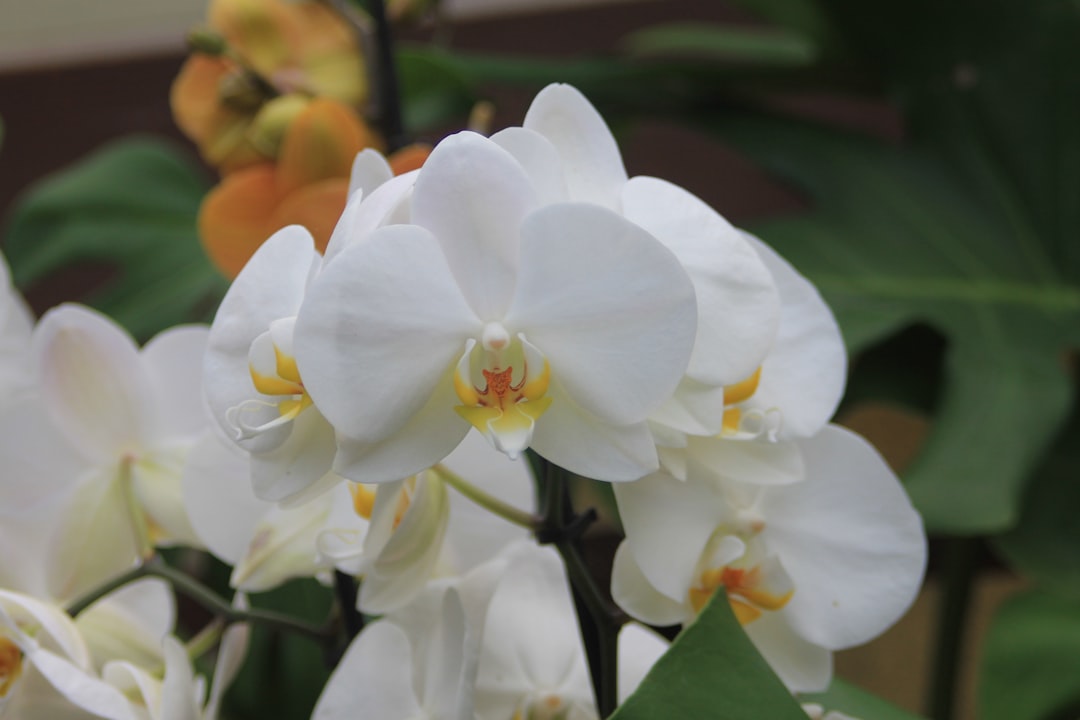
Phalaenopsis orchids, commonly known as moth orchids, are among the most popular and widely cultivated orchids in the world. Their striking flowers, which can last for several months, come in a variety of colors and patterns, making them appealing to both novice and experienced gardeners. Native to Southeast Asia, these orchids thrive in warm, humid environments, which mimic their natural habitat. Their relatively easy care requirements compared to other orchid species contribute to their popularity, allowing enthusiasts to enjoy their beauty without extensive horticultural knowledge.
The allure of Phalaenopsis orchids extends beyond their aesthetic appeal. They are known for their long-lasting blooms and ability to adapt to various indoor conditions. This adaptability has made them a favorite choice for home decor and gifts. Understanding the specific needs of these orchids is essential for successful cultivation. With the right care, Phalaenopsis orchids can flourish and produce stunning flowers year after year.
Key Takeaways
- Phalaenopsis orchids thrive in environments with moderate humidity, indirect light, and stable temperatures.
- Proper watering involves allowing the potting medium to dry slightly between waterings to prevent root rot.
- Using a well-draining potting medium like bark or sphagnum moss is essential for healthy root growth.
- Regular fertilizing, pruning, and timely repotting support vigorous growth and blooming.
- Monitoring for pests and diseases early helps maintain orchid health and encourages successful propagation.
Choosing the Right Growing Environment
Creating an optimal growing environment is crucial for the health of Phalaenopsis orchids. These plants prefer warm temperatures, typically ranging from 65°F to 85°F (18°C to 29°C) during the day and slightly cooler at night. It is important to avoid exposing them to extreme temperature fluctuations, as this can stress the plant and hinder its growth. A stable environment that mimics their natural tropical habitat will promote healthy development and flowering.
In addition to temperature, humidity plays a significant role in the well-being of Phalaenopsis orchids. These plants thrive in humidity levels between 50% and 70%. If the air in your home is too dry, especially during winter months, consider using a humidifier or placing a tray of water near the orchids to increase moisture levels. Grouping plants together can also help maintain humidity, as they release moisture into the air through transpiration. Ensuring proper air circulation is equally important; stagnant air can lead to fungal issues and other problems.
Understanding Watering and Humidity Needs
Watering is one of the most critical aspects of caring for Phalaenopsis orchids. These plants prefer to dry out slightly between waterings, so it is essential to monitor their moisture levels closely. Overwatering can lead to root rot, a common issue that can be detrimental to the plant’s health. A good rule of thumb is to water when the top inch of the potting medium feels dry to the touch. This approach helps ensure that the roots receive adequate moisture without becoming waterlogged.
Humidity is closely linked to watering practices. In addition to providing sufficient water, maintaining appropriate humidity levels is vital for the overall health of Phalaenopsis orchids. If humidity is too low, consider misting the leaves occasionally or using a pebble tray filled with water beneath the pot. However, avoid letting the pot sit directly in water, as this can lead to root rot. Monitoring both watering and humidity will create a balanced environment that supports healthy growth.
The Importance of Light and Temperature
Light is another critical factor in the successful cultivation of Phalaenopsis orchids. These plants thrive in bright, indirect light but can also tolerate lower light conditions. Direct sunlight can scorch their leaves, so it is best to place them near a window with filtered light or use sheer curtains to diffuse harsh rays. Observing the plant’s response to light is essential; if the leaves turn yellow, it may indicate too much light, while dark green leaves may suggest insufficient light.
Temperature also plays a significant role in flowering and overall plant health. Phalaenopsis orchids require a temperature drop at night to trigger blooming; this drop should ideally be around 10°F (5°C). Maintaining a consistent day-night temperature range will help encourage flower spikes and promote healthy growth. Be mindful of placing orchids near heating vents or air conditioning units, as these can create temperature extremes that may stress the plant.
Selecting the Proper Potting Medium
Choosing the right potting medium is essential for the health of Phalaenopsis orchids. Unlike traditional houseplants that thrive in soil, these orchids require a well-draining medium that allows for adequate airflow around their roots. Common potting materials include bark chips, sphagnum moss, and coconut coir. These materials provide support while ensuring that excess water drains away quickly, preventing root rot.
When selecting a potting medium, consider the size and age of your orchid. Younger plants may benefit from a finer mix that retains moisture better, while mature plants often thrive in coarser mixes that allow for increased drainage. Repotting every one to two years is recommended to refresh the medium and provide ample space for root growth. This practice not only supports healthy development but also helps prevent issues related to decomposing potting materials.
Fertilizing and Feeding Your Orchid
Fertilizing Phalaenopsis orchids is an important aspect of their care regimen. These plants benefit from regular feeding during their active growing season, which typically occurs in spring and summer. A balanced fertilizer formulated specifically for orchids is ideal; look for one with equal parts nitrogen, phosphorus, and potassium (N-P-K). Diluting the fertilizer to half strength can help prevent over-fertilization, which can harm the plant.
During the dormant period in fall and winter, reduce fertilization frequency or stop altogether, as the plant’s nutrient needs decrease during this time. When fertilizing, it is best to apply it after watering to avoid burning the roots. Observing your orchid’s growth and adjusting your fertilization schedule accordingly will help ensure that it receives the necessary nutrients for healthy development and flowering.
Pruning and Repotting Techniques
Pruning is an essential practice for maintaining the health and appearance of Phalaenopsis orchids. After blooming has finished, it is advisable to cut back the flower spike to encourage new growth. Use sterilized scissors or pruning shears to make clean cuts just above a node on the spike; this can stimulate branching and potentially lead to additional blooms later on. Regularly removing dead or yellowing leaves also helps improve air circulation around the plant.
Repotting should be done every one to two years or when you notice that the potting medium has broken down significantly. Carefully remove the orchid from its pot, gently untangling any roots that may be bound or stuck. Trim away any dead or rotting roots before placing the plant in fresh potting medium. Ensure that the orchid is positioned at the same depth as it was previously planted; this will help prevent stress on the plant during its transition.
Dealing with Pests and Diseases
Phalaenopsis orchids can be susceptible to various pests and diseases if not properly cared for.
Common pests include aphids, mealybugs, and spider mites, which can weaken the plant by feeding on its sap.
Regularly inspecting your orchid for signs of infestation is crucial; early detection allows for more effective treatment options. Insecticidal soap or neem oil can be used as organic solutions to manage pest populations.
Diseases such as root rot or fungal infections can also pose threats to Phalaenopsis orchids. Root rot often results from overwatering or poor drainage; ensuring proper watering practices and using well-draining potting media can help prevent this issue. Fungal infections may manifest as spots on leaves or wilting flowers; removing affected areas promptly and improving air circulation around the plant can mitigate further spread.
Encouraging Blooms and Flowering
To encourage blooming in Phalaenopsis orchids, it is essential to provide optimal care throughout their growth cycle. As mentioned earlier, maintaining appropriate light levels and temperature fluctuations between day and night are key factors in promoting flowering. Additionally, ensuring that your orchid receives adequate nutrients through regular fertilization will support its overall health and flowering potential.
Another technique to stimulate blooms involves mimicking seasonal changes in nature. Gradually reducing watering and lowering temperatures during late fall can signal the plant that it is time to prepare for dormancy before initiating a new growth cycle in spring. This process can help trigger flower spikes as the plant responds to environmental cues that indicate it is time to bloom.
Tips for Propagation and Division
Propagation of Phalaenopsis orchids can be achieved through several methods, including division and keiki production. Division involves separating a mature orchid into smaller sections with roots attached; this should be done during repotting when the plant has outgrown its container. Each division should have at least two healthy growths and sufficient roots for successful establishment in new pots.
Keikis are small offshoots that develop on flower spikes or stems; they can be removed once they have developed roots of their own. Gently detach the keiki from the parent plant using sterilized tools and pot it in suitable medium. Providing proper care during this transition will help ensure successful establishment and growth of new plants.
Common Mistakes to Avoid in Orchid Care
Caring for Phalaenopsis orchids requires attention to detail, and several common mistakes can hinder their growth and flowering potential. One frequent error is overwatering; many beginners assume that more water equates to better health when, in fact, this can lead to root rot and other issues. It is crucial to allow the potting medium to dry out slightly between waterings.
Another common mistake involves inadequate lighting conditions. Placing orchids in direct sunlight or too dim an area can negatively impact their growth and flowering ability. Understanding your specific environment’s light conditions will help you position your orchid appropriately for optimal growth. By avoiding these common pitfalls and adhering to best practices in orchid care, you can enjoy healthy Phalaenopsis orchids that thrive in your home for years to come.