 Thomas Kelly
8 January 2026
Thomas Kelly
8 January 2026
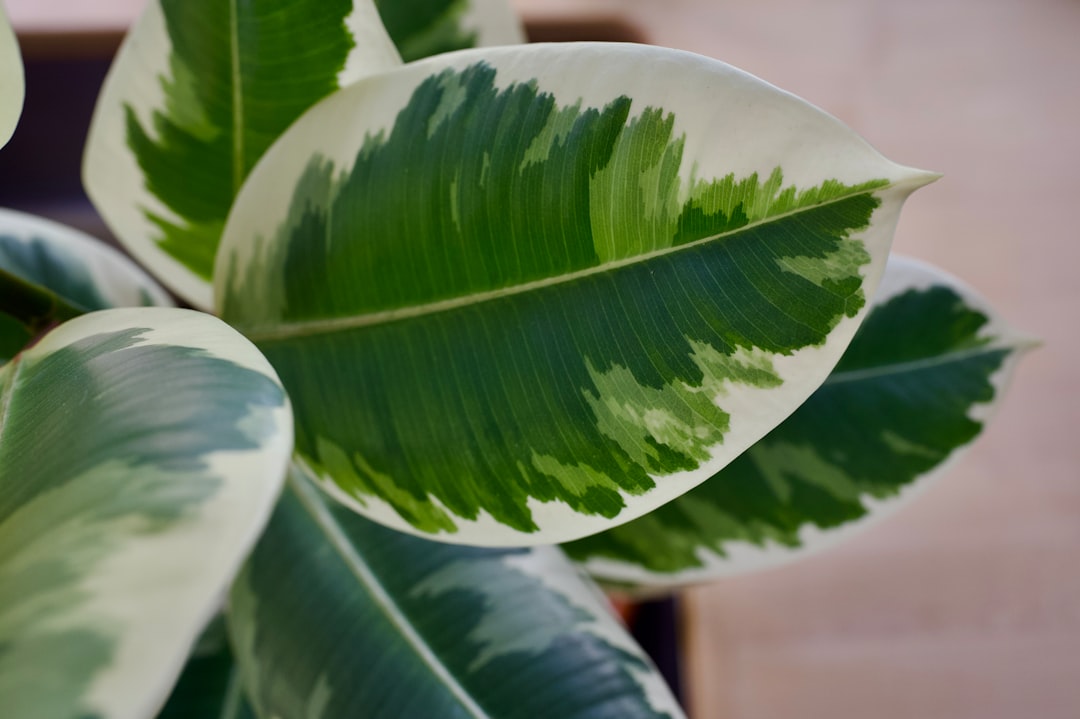
Rubber plants, scientifically known as Ficus elastica, are popular houseplants that belong to the Moraceae family. Native to Southeast Asia, these plants are characterized by their large, glossy leaves and can grow quite tall, making them an attractive addition to indoor spaces. The rubber plant gets its name from the latex sap it produces, which was historically used to create rubber. Over the years, it has gained popularity not only for its aesthetic appeal but also for its air-purifying qualities.
The rubber plant is relatively easy to care for, making it suitable for both novice and experienced plant enthusiasts. Its adaptability to various indoor conditions contributes to its widespread use in homes and offices. With proper care, a rubber plant can thrive for many years, providing a lush green presence that enhances the ambiance of any room. Understanding the specific needs of this plant is essential for ensuring its health and longevity.
Key Takeaways
- Rubber plants thrive in bright, indirect light and prefer warm temperatures.
- Consistent watering and high humidity are essential for healthy growth.
- Use well-draining soil and repot every 1-2 years to support root development.
- Regular pruning encourages bushier growth and propagation through cuttings is effective.
- They offer air-purifying benefits but watch for common pests like spider mites and scale.
Light and Temperature Requirements
Rubber plants thrive in bright, indirect light but can also tolerate lower light conditions. However, insufficient light can lead to leggy growth and a decline in overall health. Ideally, placing the plant near a window with filtered sunlight will promote robust growth and vibrant foliage. Direct sunlight can scorch the leaves, so it is crucial to find a balance that allows the plant to receive adequate light without causing damage.
Temperature plays a significant role in the well-being of rubber plants. They prefer a warm environment, ideally between 60°F and 75°F (15°C to 24°C). Sudden temperature fluctuations or exposure to cold drafts can stress the plant, leading to leaf drop or stunted growth. It is advisable to keep rubber plants away from air conditioning vents or heating sources to maintain a stable temperature. By providing the right light and temperature conditions, you can help your rubber plant flourish.
Watering and Humidity Needs
Watering is a critical aspect of rubber plant care. These plants prefer their soil to dry out slightly between waterings. Overwatering can lead to root rot, while underwatering may cause the leaves to droop and turn brown. A general rule of thumb is to water when the top inch of soil feels dry to the touch. During the growing season, typically spring and summer, rubber plants may require more frequent watering, while in the dormant months of fall and winter, their water needs decrease.
Humidity levels also affect the health of rubber plants. They thrive in environments with moderate to high humidity, which mimics their native tropical habitat.
If the air in your home is particularly dry, especially during winter months, consider using a humidifier or placing a tray of water near the plant to increase humidity levels.
Regular misting can also help maintain adequate moisture in the air around the plant. By carefully managing watering and humidity, you can support healthy growth and vibrant foliage.
Soil and Potting Requirements
Choosing the right soil is essential for the health of rubber plants. A well-draining potting mix is ideal, as it allows excess water to escape while retaining enough moisture for the roots. A blend of potting soil, perlite, and peat moss can provide the necessary drainage and aeration that rubber plants require. Avoid using heavy soils that retain too much moisture, as this can lead to root rot.
When it comes to potting, selecting an appropriate container is equally important. Rubber plants prefer pots with drainage holes to prevent water accumulation at the bottom. As they grow, they may need to be repotted into larger containers to accommodate their expanding root systems. It is generally recommended to repot every couple of years or when you notice that the roots are becoming root-bound. By ensuring proper soil and potting conditions, you can create an environment conducive to healthy growth.
Fertilizing Schedule
Fertilizing rubber plants is an important part of their care routine, particularly during the growing season. A balanced liquid fertilizer diluted to half strength can be applied every four to six weeks from spring through early fall. This provides essential nutrients that support growth and overall health. During the winter months, when the plant enters a dormant phase, fertilization should be reduced or halted altogether.
It is crucial not to over-fertilize, as this can lead to salt buildup in the soil and potentially harm the plant. Signs of over-fertilization include leaf burn or yellowing leaves. If you suspect that your rubber plant has been over-fertilized, flushing the soil with water can help remove excess salts. By adhering to a proper fertilizing schedule, you can ensure that your rubber plant receives the nutrients it needs without risking damage.
Pruning and Propagation Techniques
Pruning is an essential practice for maintaining the shape and health of rubber plants. Regularly removing dead or yellowing leaves encourages new growth and helps prevent pests and diseases from taking hold. Additionally, pruning can help control the size of the plant and promote bushier growth by encouraging lateral branching. It is best to prune during the growing season when the plant is actively producing new leaves.
Propagation of rubber plants can be achieved through several methods, including stem cuttings and air layering. Stem cuttings should be taken from healthy stems with at least one leaf node and placed in water or moist soil until roots develop. Air layering involves creating a small wound on a stem and wrapping it with moist sphagnum moss until roots form before cutting it away from the parent plant. Both methods can be successful if done correctly, allowing you to expand your collection or share with others.
Common Pests and Diseases
Rubber plants are generally resilient but can be susceptible to certain pests and diseases if not properly cared for. Common pests include spider mites, aphids, and mealybugs. These insects can cause damage by feeding on the sap of the plant, leading to yellowing leaves or stunted growth. Regularly inspecting your rubber plant for signs of infestation is crucial for early detection and treatment.
In terms of diseases, root rot is one of the most common issues faced by rubber plants due to overwatering or poorly draining soil. Symptoms include wilting leaves and a foul smell from the soil. If root rot occurs, it may be necessary to remove affected roots and repot the plant in fresh soil. By maintaining good care practices and monitoring for pests and diseases, you can help ensure your rubber plant remains healthy.
Repotting and Transplanting
Repotting is an important aspect of rubber plant care that allows for continued growth as the plant matures. Signs that your rubber plant may need repotting include roots growing out of drainage holes or stunted growth despite proper care. When repotting, choose a container that is one size larger than the current pot and ensure it has adequate drainage holes.
The best time to repot a rubber plant is during its active growing season in spring or early summer. Gently remove the plant from its current pot, taking care not to damage the roots, and place it in fresh potting mix in its new container. After repotting, water thoroughly and place it in a location with appropriate light conditions to help it acclimate to its new environment.
Training and Supporting
As rubber plants grow taller, they may require support to maintain their structure and prevent them from toppling over. Using stakes or trellises can provide necessary support for taller specimens. When training your rubber plant, ensure that any ties used are soft and do not constrict the stem as it grows.
In addition to physical support, you may also consider training your rubber plant for aesthetic purposes. This can involve shaping it into a specific form or encouraging bushier growth through strategic pruning techniques. By providing both physical support and guidance in growth direction, you can enhance the visual appeal of your rubber plant while ensuring its stability.
Benefits of Rubber Plants
Rubber plants offer several benefits beyond their decorative appeal. One notable advantage is their ability to purify indoor air by removing toxins such as formaldehyde and benzene from the environment. This makes them an excellent choice for improving indoor air quality in homes and offices.
Additionally, rubber plants are relatively low-maintenance compared to other houseplants, making them suitable for individuals with busy lifestyles or those new to gardening. Their resilience allows them to adapt well to various indoor conditions while still providing a lush green presence that enhances any space.
Conclusion and Additional Tips
In conclusion, rubber plants are versatile houseplants that can thrive with proper care and attention. Understanding their light, temperature, watering, soil, fertilizing needs, as well as pest management strategies will contribute significantly to their health and longevity. Regular pruning and propagation techniques allow for continued growth and expansion of your collection.
For those considering adding a rubber plant to their home or office space, remember that patience is key; these plants may take time to adjust but will reward you with their beauty over time. Additionally, keeping an eye on humidity levels and ensuring adequate support as they grow will further enhance their development. With these tips in mind, you can enjoy all that rubber plants have to offer while creating a vibrant indoor environment.