
 Thomas Kelly
11 December 2025
Thomas Kelly
11 December 2025
The snake plant, scientifically known as Sansevieria trifasciata, is a popular houseplant that has captured the hearts of plant enthusiasts and casual decorators alike. With its striking, sword-like leaves that can reach impressive heights, the snake plant is not only visually appealing but also remarkably resilient. Native to West Africa, this hardy succulent thrives in a variety of environments, making it an ideal choice for both novice and experienced gardeners.
Its unique ability to adapt to different light conditions and its low water requirements contribute to its reputation as a low-maintenance plant. The snake plant is often referred to by various names, including mother-in-law’s tongue and viper’s bowstring hemp. These monikers reflect its long, pointed leaves and the folklore surrounding its tough nature.
The plant’s architectural form adds a modern touch to any space, whether it’s a cozy apartment or a spacious office. As more people seek to incorporate greenery into their living spaces, the snake plant stands out as a versatile option that complements various interior design styles.
Key Takeaways
- Snake plants are hardy, low-maintenance houseplants ideal for beginners.
- They improve indoor air quality by filtering toxins and releasing oxygen.
- Proper care includes moderate watering, indirect light, and well-draining soil.
- Various snake plant varieties offer diverse shapes and colors for creative home displays.
- They hold significance in Feng Shui, promoting positive energy and well-being.
Benefits of Having a Snake Plant in Your Home
One of the most compelling reasons to introduce a snake plant into your home is its air-purifying capabilities. Research conducted by NASA has shown that snake plants can effectively remove toxins such as formaldehyde, benzene, and xylene from the air. This makes them an excellent choice for improving indoor air quality, especially in urban environments where pollution levels can be high.
By absorbing these harmful substances, snake plants contribute to a healthier living space, promoting overall well-being for residents. In addition to their air-purifying properties, snake plants are known for their ability to thrive in low-light conditions. This adaptability makes them perfect for rooms with limited natural light or for individuals who may not have the time or inclination to provide extensive care for their plants.
Furthermore, snake plants are drought-tolerant, requiring minimal watering—typically only when the soil has completely dried out. This resilience not only saves time but also reduces the risk of overwatering, which is a common pitfall for many houseplant owners.
How to Care for a Snake Plant
Caring for a snake plant is relatively straightforward, making it an ideal choice for those who may not have a green thumb.
A well-draining soil mix is essential, as snake plants are susceptible to root rot if left in overly moist conditions.
A combination of potting soil with added perlite or sand can create an optimal environment for drainage while still providing necessary nutrients. Watering is another critical aspect of snake plant care. Unlike many other houseplants that require frequent watering, snake plants prefer to dry out between waterings.
During the growing season—typically spring and summer—watering every two to three weeks is usually sufficient. In contrast, during the dormant winter months, you can reduce watering even further, perhaps to once a month or less. Observing the leaves can also provide clues; if they appear wrinkled or shriveled, it may be time for a drink.
Best Growing Conditions for Snake Plants
While snake plants are known for their adaptability, certain conditions can enhance their growth and overall health. Ideally, they thrive in bright, indirect light but can also tolerate low-light environments. However, prolonged exposure to direct sunlight can scorch their leaves, leading to unsightly brown tips or patches.
Therefore, placing your snake plant near a window with filtered light or in a well-lit room is often the best approach. Temperature plays a significant role in the well-being of snake plants as well. They prefer temperatures ranging from 60°F to 80°F (15°C to 27°C).
While they can tolerate cooler temperatures down to 50°F (10°C), exposure to frost can be detrimental. Additionally, maintaining humidity levels is not particularly crucial for snake plants; they are well-suited for average household humidity levels. This resilience allows them to thrive in various climates and settings without requiring specialized care.
Common Issues and How to Solve Them
Despite their hardiness, snake plants can encounter some common issues that may affect their health. One of the most prevalent problems is root rot, which typically occurs due to overwatering or poor drainage. Signs of root rot include yellowing leaves and a mushy texture at the base of the plant.
To address this issue, it’s essential to remove the plant from its pot and inspect the roots. Healthy roots should be firm and white; any mushy or brown roots should be trimmed away before repotting the plant in fresh soil. Pests can also pose a threat to snake plants, with mealybugs and spider mites being among the most common offenders.
Mealybugs appear as small white cotton-like masses on the leaves and stems, while spider mites may cause stippling on the foliage and create fine webbing. To combat these pests, you can wipe down the leaves with a damp cloth or use insecticidal soap or neem oil as a treatment option. Regularly inspecting your plant can help catch infestations early before they become more challenging to manage.
Different Varieties of Snake Plants
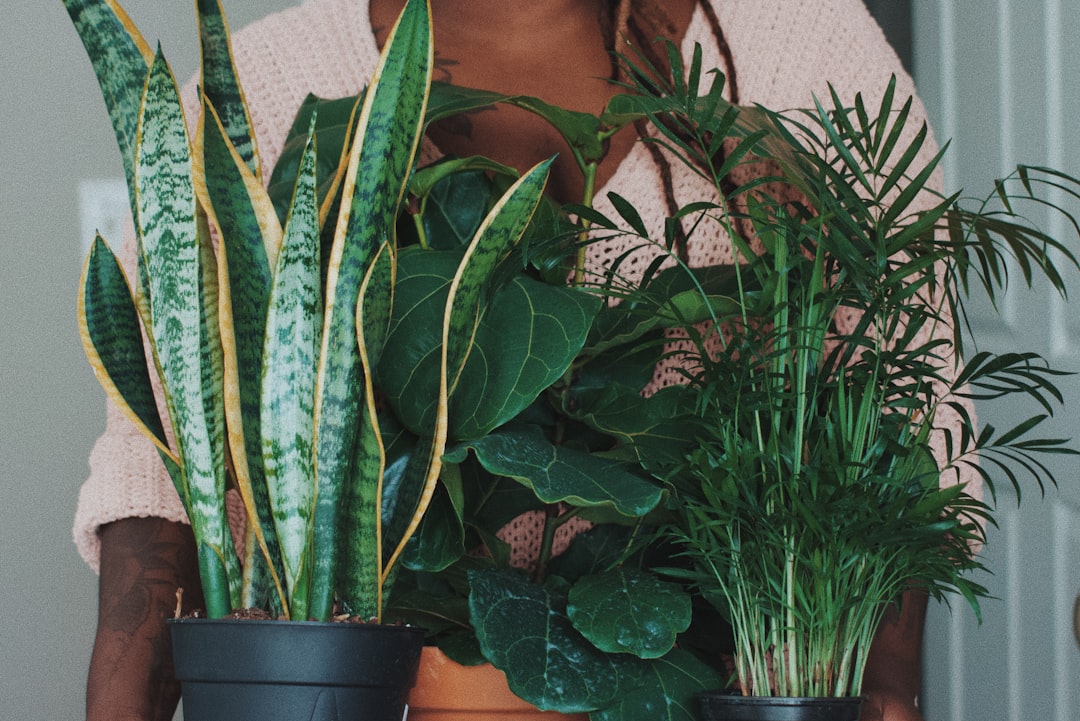
The diversity within the Sansevieria genus offers a range of varieties that cater to different aesthetic preferences and growing conditions. One of the most popular varieties is Sansevieria trifasciata ‘Laurentii,’ characterized by its striking yellow margins that contrast beautifully with its dark green leaves. This variety is often favored for its dramatic appearance and ability to thrive in various lighting conditions.
Another notable variety is Sansevieria cylindrica, commonly known as cylindrical snake plant or African spear plant. This variety features round, upright leaves that resemble thick green rods and can grow quite tall, making it an eye-catching addition to any space. Additionally, Sansevieria moonshine boasts silvery-green leaves that add a unique touch to interiors while maintaining the same low-maintenance qualities as other varieties.
Each type brings its own charm and character, allowing homeowners to select one that best fits their style.
Creative Ways to Display Snake Plants in Your Home
Incorporating snake plants into your home decor can be both functional and artistic. One creative way to display them is by using decorative pots that complement your interior design theme. For instance, a sleek ceramic pot can enhance a modern aesthetic, while a rustic terracotta pot may suit a more traditional setting.
Grouping multiple snake plants of varying heights and sizes can create an eye-catching focal point in a room. Another innovative approach is to use vertical space by hanging snake plants in macramé hangers or wall-mounted planters. This not only saves floor space but also adds visual interest at different levels within your home.
Additionally, placing snake plants on shelves or bookcases can create a layered look that draws the eye upward and adds depth to your decor. The versatility of snake plants allows them to fit seamlessly into any room, from living areas to bathrooms.
Propagating Snake Plants
Propagating snake plants is an enjoyable process that allows you to expand your collection or share plants with friends and family. There are two primary methods for propagation: leaf cuttings and division. Leaf cuttings involve taking healthy leaves from an existing plant and cutting them into sections about 4-6 inches long.
These sections should be allowed to callous over for a few days before being placed in well-draining soil or water until roots develop. The division method involves separating an established snake plant into smaller sections during repotting. This technique is particularly effective when the plant has outgrown its pot or has multiple growth points.
Carefully remove the plant from its pot and gently separate the root ball into smaller sections, ensuring each section has roots attached. Replant these divisions in their own pots with fresh soil, and they will quickly establish themselves as new individual plants.
Snake Plants as Air Purifiers
The air-purifying qualities of snake plants have garnered significant attention in recent years, particularly as more people become aware of indoor air quality issues. According to studies conducted by NASA’s Clean Air Study, snake plants are capable of filtering out harmful pollutants such as formaldehyde, benzene, and trichloroethylene from indoor air. These toxins are commonly found in household products like cleaning agents, paints, and furniture materials.
What sets snake plants apart from many other houseplants is their unique ability to perform photosynthesis at night through a process called CAM (Crassulacean Acid Metabolism). While most plants release carbon dioxide during nighttime respiration, snake plants continue to convert carbon dioxide into oxygen even after sunset. This characteristic makes them particularly beneficial for bedrooms or enclosed spaces where fresh air circulation may be limited.
Snake Plants in Feng Shui
In Feng Shui practices, snake plants are often regarded as symbols of protection and resilience due to their sturdy nature and upright growth habit. They are believed to bring positive energy into a space while warding off negative influences. Placing a snake plant near entryways or windows is thought to create a protective barrier against harmful energies entering the home.
Their ability to thrive in various conditions symbolizes adaptability and strength—qualities that resonate with individuals seeking success in their personal or professional lives. By incorporating snake plants into your home decor according to Feng Shui principles, you can enhance both the aesthetic appeal of your space and its energetic qualities.
Why Snake Plants are the Ultimate Low-Maintenance Houseplant
The allure of snake plants lies not only in their striking appearance but also in their remarkable resilience and adaptability. With minimal care requirements and impressive air-purifying capabilities, they stand out as one of the best choices for indoor gardening enthusiasts at any skill level. Their ability to thrive in various lighting conditions and withstand periods of neglect makes them an ideal companion for busy lifestyles.
Whether you’re looking to enhance your home’s decor or improve indoor air quality, snake plants offer an array of benefits that make them truly exceptional houseplants. From their diverse varieties to creative display options and propagation methods, there’s no shortage of ways to enjoy these remarkable plants in your living space. As more people embrace the joys of indoor gardening, the snake plant remains a timeless favorite that continues to inspire both novice gardeners and seasoned horticulturists alike.