
 Thomas Kelly
16 January 2026
Thomas Kelly
16 January 2026
The journey of a capsicum plant, a member of the Capsicum genus, begins long before it reaches your plate. Understanding its cultivation cycle is crucial for anyone interested in maximizing yield and quality. Your first step, as a prospective grower, is seed selection. This isn’t a trivial decision; the vast diversity within the Capsicum genus means choosing a variety that aligns with your climate, available space, and desired flavor profile. Are you aiming for the fiery kick of a habanero, the sweet crunch of a bell pepper, or the nuanced warmth of a Hungarian wax? Each has its own distinct characteristics and cultivation requirements.
Seed Germination: Awakening Life
Germination is the awakening of the dormant embryo within the seed. For most Capsicum species, a warm, consistently moist environment is paramount. Aim for soil temperatures between 25-30°C (77-86°F) for optimal results. You can achieve this using heating mats, a common tool for seed starting, particularly in cooler climates. Seeds can be sown in trays or individual pots filled with a well-draining seed-starting mix. Lightly cover the seeds, usually to a depth of about 0.5 cm (0.2 inches), as excessive burial can hinder emergence. Maintain consistent moisture, but avoid waterlogging, which can lead to fungal diseases like damping-off. Germination times vary significantly by variety, from a few days for some sweet peppers to several weeks for hotter, more recalcitrant species. Patience is a virtue during this initial phase.
Transplanting and Early Growth: Building a Foundation
Once your seedlings have developed a few true leaves and are sturdy enough to handle, it’s time for transplanting. This process, moving young plants from their initial germination medium to larger containers or directly into the garden, is a critical transition. Harden off your seedlings before transplanting outdoors. This involves gradually exposing them to outdoor conditions – reduced watering, increased sunlight, and fluctuating temperatures – over a period of 7-10 days. This acclimatization prevents transplant shock, a physiological stress that can stunt growth or even kill young plants. When transplanting, ensure the root ball remains intact to minimize disruption. Dig a hole slightly larger than the root ball, place the seedling, and backfill with soil, gently firming around the base. Adequate spacing between plants is essential for good air circulation and light penetration, typically 30-60 cm (12-24 inches) apart, depending on the mature size of the chosen variety.
Soil and Nutrient Management: Fueling Growth
Capsicums are moderate to heavy feeders. They thrive in well-draining, fertile soil rich in organic matter. A slightly acidic to neutral pH (6.0-7.0) is generally ideal. Before planting, amending the soil with compost or well-rotted manure will significantly improve its structure, fertility, and water-holding capacity. During the growing season, a balanced fertilizer, initially higher in nitrogen for vegetative growth and then shifting to a higher phosphorus and potassium blend for flowering and fruiting, is beneficial. Over-fertilization, particularly with excessive nitrogen, can lead to lush foliage at the expense of fruit production. Regular soil testing can guide your fertilization strategy, providing precise recommendations based on your soil’s current nutrient profile.
Capsicum, commonly known as bell peppers, are not only a vibrant addition to your garden but also a versatile ingredient in various dishes. If you’re interested in expanding your indoor gardening skills, you might find it helpful to explore how to grow other fruits indoors as well. For instance, check out this article on how to grow cherries indoors, which provides useful tips and techniques that can be applied to growing Capsicum and other plants in a controlled environment.
Capsicum Varieties: A Spectrum of Flavor and Heat
The genus Capsicum is remarkably diverse, encompassing a wide array of species and countless cultivars. This diversity manifeststhrough variations in fruit shape, size, color, flavor, and, most notably, heat level. Understanding these distinctions is fundamental to selecting the right capsicum for your culinary or horticultural endeavors.
Sweet Peppers: Culinary Versatility
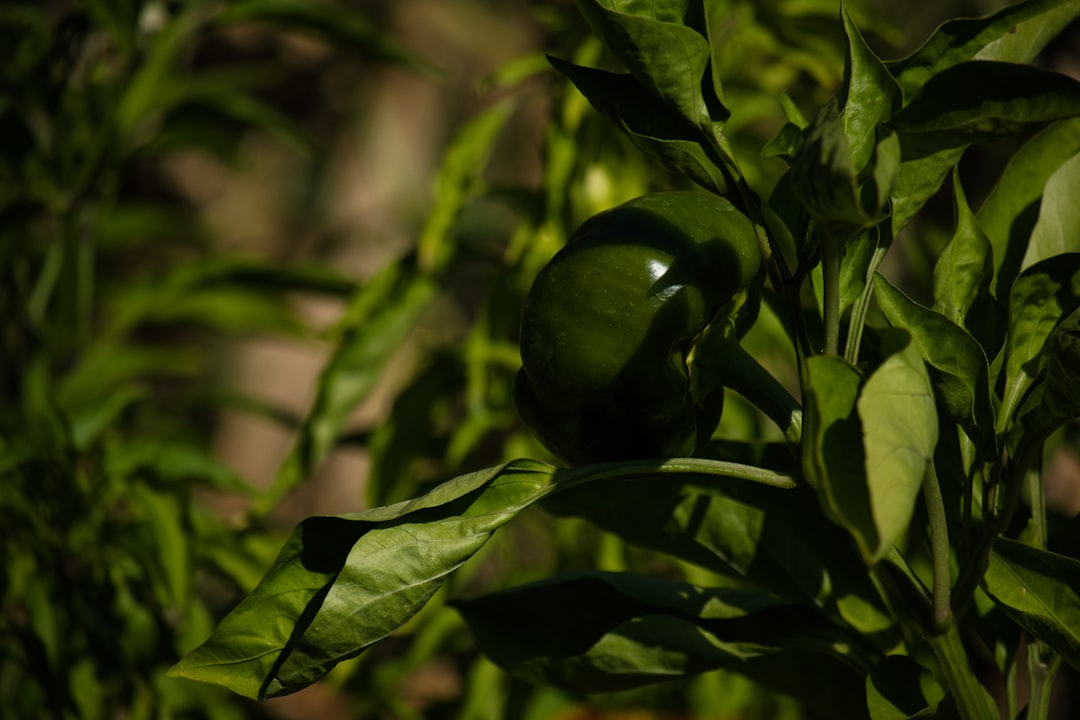
Sweet peppers, often referred to as bell peppers (referring to their bell-like shape), are characterized by their complete lack of capsaicin, the compound responsible for pungency. Their Scoville Heat Unit (SHU) rating is 0. This absence of heat makes them incredibly versatile in the kitchen, adding sweetness, crunch, and vibrant color to dishes without any fiery kick. Common colors include green, red, yellow, and orange, though purple, brown, and even black varieties exist. Green bell peppers are simply unripe red, yellow, or orange varieties, possessing a slightly more bitter, grassy flavor profile. As they ripen, their sugar content increases, leading to a sweeter taste. Cultivars like ‘California Wonder’, ‘Big Bertha’, and ‘Gypsy’ are popular choices known for their robust growth and ample fruit production.
Mild to Medium Peppers: A Gentle Warmth
Stepping up from sweet peppers, this category introduces a subtle to moderate level of heat, offering a pleasant warmth without overwhelming the palate. Their SHU ratings typically range from a few hundred to several thousand. These peppers are ideal for those who enjoy a hint of spice but are not inclined towards extreme heat.
Poblano Peppers: Earthy and Mild
Poblano peppers (250-2,500 SHU) are a staple in Mexican cuisine. They are large, dark green peppers with a relatively mild heat. When dried, they are known as ancho chiles, offering a distinct, smoky flavor. Poblanos are often roasted, peeled, and stuffed (chiles rellenos) or incorporated into sauces. Their thick flesh holds up well to cooking, and their earthy notes pair beautifully with various ingredients.
Anaheim Peppers: Versatile and Approachable
Anaheim peppers (500-2,500 SHU) are another popular choice from the mild to medium category. Originating from Anaheim, California, these long, slender peppers are often used for grilling, roasting, or in fresh salsas. They have a slightly fruity flavor with a gentle warmth, making them accessible to a broad range of tastes. ‘New Mexico’ varieties are closely related and share similar characteristics.
Jalapeño Peppers: The Everyday Spice
Jalapeño peppers (2,500-8,000 SHU) are perhaps the most recognized and widely consumed moderate-heat pepper. Their thick, succulent walls and accessible heat make them suitable for a multitude of applications. They are commonly used fresh in salsas, pickled, or stuffed. When dried and smoked, jalapeños become chipotle peppers, imparting a distinct smoky-sweet flavor. The heat level of jalapeños can vary, influenced by growing conditions and specific cultivar.
Hot Peppers: The Fiery Frontier
This category encompasses peppers with significant levels of capsaicin, ranging from several thousand to over two million SHU. These peppers are for enthusiasts who appreciate intense heat and the complex flavor profiles that often accompany it.
Cayenne Peppers: Pungent and Pervasive
Cayenne peppers (30,000-50,000 SHU) are long, slender peppers often dried and ground into a ubiquitous spice. Fresh cayenne peppers can be used in sauces, stir-fries, and curries, providing a distinct, lingering heat. Their relatively thin walls allow for quick drying.
Habanero Peppers: Fruity and Intense
Habanero peppers (100,000-350,000 SHU) are renowned for their intense heat coupled with a distinctive fruity, sometimes floral, aroma. Originating from the Amazon basin and later cultivated extensively in the Yucatán Peninsula, habaneros are often used in hot sauces, marinades, and Caribbean cuisine. Handling them with gloves is advisable due to their high capsaicin content.
Superhot Peppers: Extreme Heat, Specialty Applications
This category includes some of the world’s hottest peppers, like the Carolina Reaper (1.5-2.2 million SHU), Trinidad Moruga Scorpion (1.2-2 million SHU), and Ghost Pepper (Bhut Jolokia) (855,000-1 million SHU). These peppers are not for the faint of heart and should be handled with extreme caution. They are primarily used in small quantities to create intensely fiery sauces, extracts, or for competitive eating. Their cultivation often requires specific conditions to achieve maximum heat potential.
Nutritional Profile and Health Benefits

Beyond their diverse culinary applications, capsicums offer a valuable array of nutrients that contribute to overall health. Their vibrant colors are often indicative of their rich phytochemical content.
Vitamin Powerhouse: A Spectrum of Essential Nutrients
Capsicums, particularly red and yellow varieties, are exceptional sources of Vitamin C, often containing more per serving than an orange. Vitamin C is a potent antioxidant, crucial for immune function, collagen synthesis (important for skin, bones, and connective tissues), and iron absorption. They also provide significant amounts of Vitamin A, primarily in the form of beta-carotene, a precursor to Vitamin A. Vitamin A is vital for vision, immune health, and cellular growth. Furthermore, capsicums contain various B vitamins, such as Vitamin B6 (pyridoxine), which plays a role in metabolism and neurotransmitter production, and folate (Vitamin B9), essential for cell division and DNA synthesis. Vitamin K is also present, contributing to blood clotting and bone health.
Antioxidant Reserves: Protecting Your Cells
The vibrant hues of capsicums are largely due to a wealth of antioxidant compounds. Beyond Vitamin C and beta-carotene, they contain numerous carotenoids like lutein and zeaxanthin, which are beneficial for eye health, and a variety of flavonoids. These antioxidants combat oxidative stress in the body, a process linked to chronic diseases such as heart disease, cancer, and neurodegenerative disorders. By neutralizing free radicals, capsicums contribute to cellular protection and overall longevity.
Capsaicin: The Hot Healer
In pungent capsicum varieties, capsaicin, the compound responsible for their heat, is not merely a taste sensation but also possesses several documented health benefits. Research suggests capsaicin has anti-inflammatory properties, potentially alleviating pain and swelling. It has also been studied for its role in metabolism, potentially boosting calorie expenditure, and for its antimicrobial effects. Topical applications of capsaicin are used in some pain relief creams for conditions like arthritis and neuropathic pain. However, it’s important to remember that excessive consumption of very hot peppers can cause digestive discomfort in some individuals.
Culinary Applications: Enhancing Your Meals
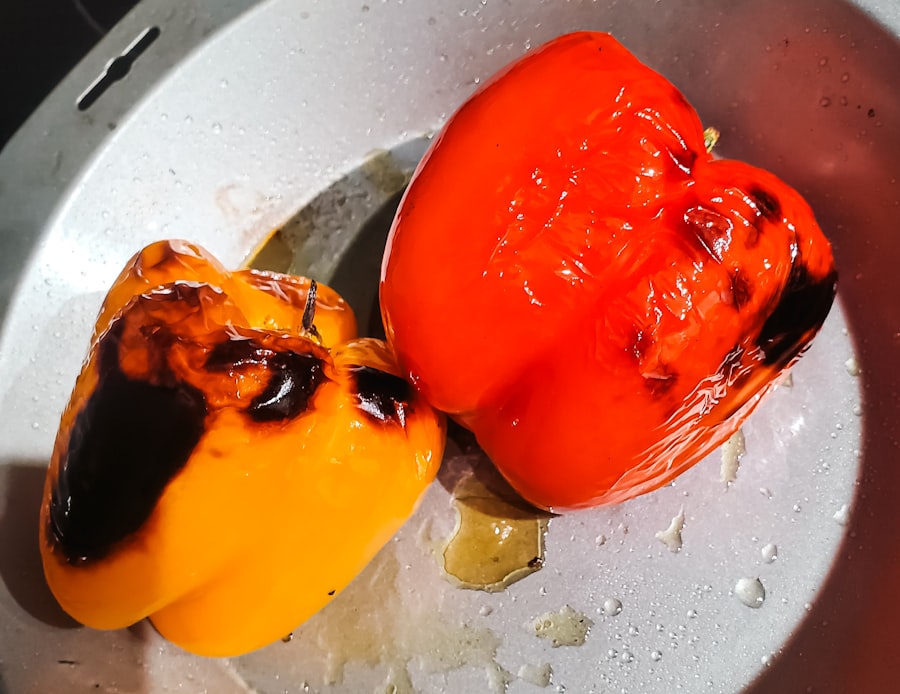
The versatility of capsicums in the kitchen is immense, spanning across global cuisines and fulfilling myriad roles, from fresh crispness to deep, smoky flavors. Your culinary journey with capsicums can be as adventurous or as simple as you desire.
Fresh Preparations: Crispness and Color
Raw capsicums, particularly sweet bell peppers, are a culinary staple. Their crisp texture and vibrant colors make them ideal for salads, adding a refreshing crunch and visual appeal. You can slice them into strips for crudités, pairing them with dips, or dice them finely for salsas and guacamole. Raw capsicums also provide a delightful counterpoint in sandwiches and wraps, offering a juicy contrast to other ingredients. Their naturally sweet flavor profile, especially in red and yellow varieties, makes them palatable even for those sensitive to strong flavors.
Cooked Dishes: Softening and Sweetening
Cooking capsicums transforms their texture and often intensifies their sweetness. Roasting is a popular method, whether whole over an open flame until charred and soft, or chopped and roasted in the oven. This process develops a smoky flavor and caramelizes their natural sugars, making them excellent additions to soups, stews, and purees. Sautéing or stir-frying capsicums imparts a tender-crisp texture and a concentrated flavor, ideal for Asian-inspired dishes, fajitas, or as a vibrant vegetable side. Incorporating them into omelets, frittatas, or pasta sauces adds both flavor and nutritional value. The softening of their cell walls during cooking makes them more digestible for some individuals.
Dried and Ground: Concentrated Flavor and Heat
Drying capsicums is an ancient preservation method that intensifies their flavor and allows for long-term storage. Dried whole pods, like anchos (dried poblanos) or guajillos, are often rehydrated and blended into complex mole sauces or enchilada gravies. Grinding dried capsicums creates a vast array of spices, from mild paprika to intensely hot cayenne pepper the common commercial ones. These powdered forms provide a convenient way to impart specific flavors and heat levels to dishes, whether seasoning meats, spicing up stews, or adding a final flourish to garnishes. The drying process concentrates capsaicin, meaning even mild fresh peppers can become more potent when dried and ground.
Pickling and Fermentation: Tang and Pungency
Pickling capsicums involves preserving them in a vinegar-based brine, often with spices. This process not only extends their shelf life but also imbues them with a tangy, sometimes sweet, and still-pungent flavor. Pickled jalapeños are a common condiment, adding a zesty kick to nachos, tacos, and sandwiches. Sweet pickled bell peppers can be a delightful addition to charcuterie boards or salads. Fermentation, a more ancient preservation technique, produces lacto-fermented capsicums, resulting in complex, probiotic-rich products like hot sauces. The fermentation process can develop new flavor compounds and modify the heat profile of the peppers, creating unique culinary experiences.
Capsicum, known for its vibrant colors and distinct flavors, is often used in various culinary dishes to enhance taste and presentation. Interestingly, the versatility of capsicum can also complement different wines, such as Shiraz, which is celebrated for its bold character. For those interested in exploring the perfect pairings, you can read more about this delightful wine in the article found here. This connection between capsicum and Shiraz showcases how ingredients can elevate each other, creating a memorable dining experience.
Common Pests and Diseases: Protecting Your Plants
Like any cultivated crop, capsicums are susceptible to various pests and diseases. Vigilant monitoring and timely intervention are crucial for maintaining healthy plants and a productive harvest. Proactive measures, however, are often the most effective defense.
Insect Pests: Identifying and Managing Intruders
Several insect species commonly target capsicum plants. Aphids are small, soft-bodied insects that cluster on new growth, sucking plant sap and potentially transmitting viruses. Their presence can be identified by distorted leaves, stunted growth, and sticky honeydew secretions. Spider mites are tiny arachnids that thrive in hot, dry conditions, causing stippling on leaves and fine webbing on the undersides. Whiteflies, as their name suggests, are small, white, winged insects that also feed on sap, often found on the undersides of leaves. Thrips are minute, slender insects that cause silvery streaks on leaves and deform flowers.
Managing these pests often involves an integrated approach. For light infestations, a strong blast of water can dislodge aphids. Insecticidal soaps, neem oil sprays, or horticultural oils can be effective against a broader range of soft-bodied insects by suffocating them. Introducing beneficial insects, such as ladybugs for aphids or predatory mites for spider mites, can provide biological control in larger garden settings. For severe infestations, chemical insecticides may be considered, but always follow label instructions carefully to minimize harm to beneficial insects and the environment.
Fungal and Bacterial Diseases: Recognizing and Preventing Ills
Capsicum plants can be affected by various fungal and bacterial pathogens, often exacerbated by environmental conditions. Fungal diseases like powdery mildew manifest as white, powdery patches on leaves, hindering photosynthesis. Blight, caused by various fungi, can lead to dark lesions on leaves, stems, and fruits, often resulting in defoliation and fruit rot. Anthracnose causes sunken, water-soaked spots on fruits, often with concentric rings. Bacterial spot creates small, dark, water-soaked lesions on leaves and fruits, often surrounded by a yellow halo.
Prevention is the cornerstone of disease management. Good air circulation is vital, achieved through proper plant spacing and pruning. Avoid overhead watering, especially in the evening, as prolonged leaf wetness promotes fungal growth. Use disease-resistant varieties whenever possible. Rotate crops annually to prevent pathogen buildup in the soil. Sanitize gardening tools between uses. Remove and destroy infected plant material promptly to prevent disease spread. Fungicides or bactericides may be used in severe cases, but again, careful adherence to product instructions is paramount.
Viral Diseases: The Unseen Threat
Viral diseases are particularly problematic as there are generally no chemical cures once a plant is infected. Viruses like tobacco mosaic virus (TMV) and cucumber mosaic virus (CMV) can cause stunted growth, distorted leaves, and reduced yields. Symptoms include mosaic patterns on leaves, yellowing, and general plant decline. Viruses are often transmitted by sap-sucking insects (like aphids and thrips) or through contaminated tools and hands.
The primary defense against viral diseases is prevention. Use certified disease-free seeds or transplants. Control insect vectors. Practice good garden hygiene, including washing hands and sanitizing tools, particularly after handling infected plants. Promptly remove and destroy any plants displaying viral symptoms to prevent further spread. Growing resistant varieties is the most reliable long-term strategy for managing viral threats.