 Thomas Kelly
26 February 2026
Thomas Kelly
26 February 2026
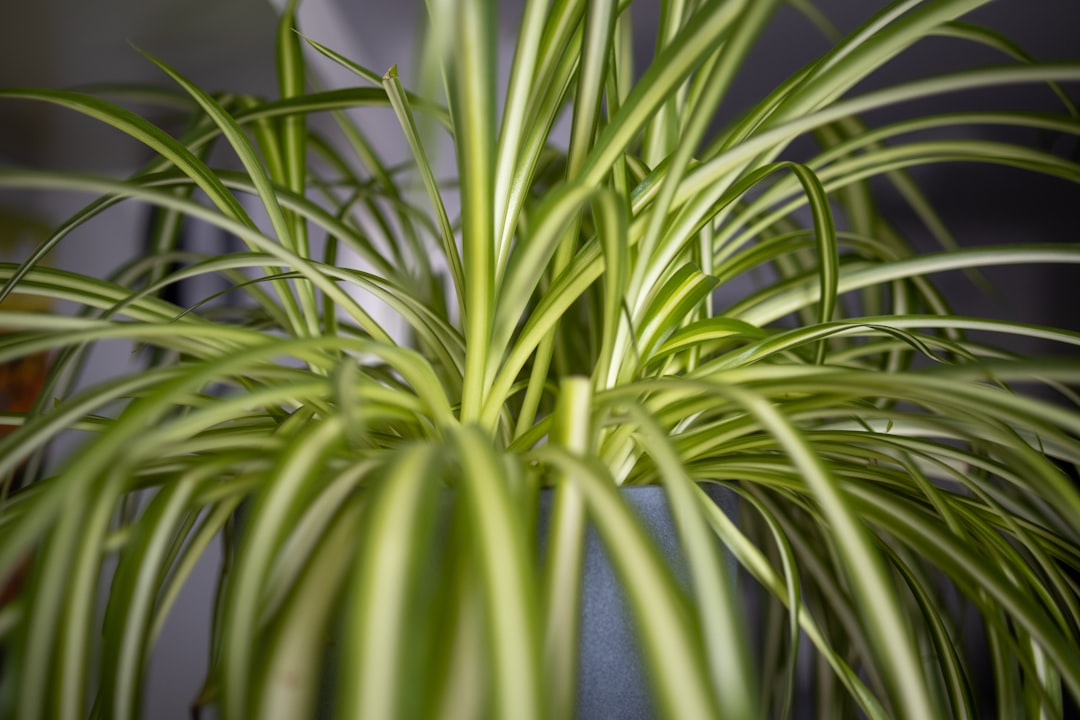
The spider plant, scientifically known as Chlorophytum comosum, is a popular houseplant recognized for its distinctive arching leaves and ability to thrive in various indoor environments. Native to tropical and southern Africa, this resilient plant has gained favor among both novice and experienced gardeners due to its adaptability and ease of care. The spider plant is characterized by its long, slender green leaves that can be variegated with white or yellow stripes, giving it a visually appealing appearance. Additionally, it produces small white flowers and offshoots, commonly referred to as “pups,” which can be propagated to create new plants.
Spider plants are not only aesthetically pleasing but also serve practical purposes. They are known for their air-purifying qualities, making them an excellent choice for improving indoor air quality. The plant’s ability to remove toxins such as formaldehyde and xylene from the air has been recognized by various studies, contributing to its popularity in homes and offices. As a result, the spider plant has become a staple in many households, appreciated for both its beauty and functional benefits.
Key Takeaways
- Spider plants are easy-to-care-for houseplants that improve indoor air quality.
- They thrive in bright, indirect light with well-draining soil and moderate watering.
- Regular pruning and propagation help maintain healthy growth and multiply plants.
- Watch for common pests like spider mites and aphids to keep your plant healthy.
- Creative displays and various varieties make spider plants a versatile addition to any home.
Benefits of Having a Spider Plant in Your Home
One of the primary advantages of having a spider plant in your home is its air-purifying capabilities. Research conducted by NASA in the late 1980s highlighted the effectiveness of spider plants in removing harmful pollutants from indoor air. This makes them particularly beneficial in urban environments where air quality may be compromised. By incorporating a spider plant into your living space, you can contribute to a healthier indoor atmosphere, which is especially important for individuals with respiratory issues or allergies.
In addition to improving air quality, spider plants are also known for their low maintenance requirements. They can tolerate a range of lighting conditions, from bright indirect light to partial shade, making them suitable for various rooms in the house. This adaptability means that even those without a green thumb can successfully cultivate a thriving spider plant. Furthermore, their resilience allows them to withstand occasional neglect, such as infrequent watering or less-than-ideal soil conditions, making them an ideal choice for busy individuals or families.
Ideal Conditions for Spider Plant Growth
To ensure optimal growth of your spider plant, it is essential to provide the right environmental conditions. Spider plants thrive in bright, indirect sunlight but can also adapt to lower light levels. However, prolonged exposure to direct sunlight can scorch their leaves, leading to brown tips and an unhealthy appearance. Therefore, placing your spider plant near a window with filtered light or in a well-lit room is ideal for promoting healthy growth.
Temperature and humidity also play significant roles in the well-being of spider plants. They prefer temperatures ranging from 65°F to 75°F (18°C to 24°C) and can tolerate occasional fluctuations. However, they are sensitive to extreme cold and should be protected from drafts or temperatures below 50°F (10°C). Additionally, while spider plants can adapt to various humidity levels, they thrive in moderate humidity. If your home is particularly dry, especially during winter months, consider misting the leaves occasionally or placing a humidifier nearby to create a more favorable environment.
Choosing the Right Pot and Soil for Your Spider Plant
Selecting the appropriate pot and soil is crucial for the health of your spider plant. When choosing a pot, ensure it has drainage holes to prevent water from accumulating at the bottom, which can lead to root rot. Spider plants prefer slightly snug pots that allow their roots to establish without being overly confined. A pot that is one size larger than the current one is usually sufficient when repotting.
As for soil, a well-draining potting mix is essential for spider plants. A blend designed for houseplants or a mixture of potting soil with perlite or sand can provide the necessary drainage while retaining some moisture. This balance allows the roots to access water without becoming waterlogged. Additionally, consider using organic soil amendments that can provide essential nutrients over time, promoting healthy growth and vibrant foliage.
Watering and Feeding Your Spider Plant
Watering practices are vital for maintaining the health of your spider plant. These plants prefer to dry out slightly between waterings, so it is essential to check the soil moisture before adding more water. A good rule of thumb is to water when the top inch of soil feels dry to the touch. Overwatering can lead to root rot, while underwatering may cause the leaves to wilt or turn brown at the tips. During the growing season, typically spring and summer, spider plants may require more frequent watering compared to the dormant winter months.
Feeding your spider plant is also important for promoting growth and vitality. A balanced liquid fertilizer diluted to half strength can be applied every four to six weeks during the growing season.
This will provide essential nutrients that support healthy foliage and encourage flowering.
However, it is advisable to avoid fertilizing during the winter months when the plant’s growth slows down. Over-fertilization can lead to salt buildup in the soil, which may harm the plant’s roots.
Pruning and Propagating Your Spider Plant
Pruning your spider plant is an essential aspect of its care routine that helps maintain its shape and encourages new growth. Regularly removing any dead or yellowing leaves not only improves the plant’s appearance but also prevents potential pest infestations. Additionally, trimming back excessively long leaves can promote bushier growth and enhance the overall aesthetic of the plant.
Propagation of spider plants is relatively straightforward and can be done through their offshoots or pups. These pups develop on long stems that extend from the parent plant and can be easily separated once they have developed roots or are at least a few inches long. To propagate, gently cut the pup from the parent plant and place it in a small pot with moist potting soil. Keep the new plant in a warm location with indirect light until it establishes itself. This method allows you to expand your collection or share plants with friends and family.
Common Pests and Diseases to Watch Out For
While spider plants are generally resilient, they can be susceptible to certain pests and diseases if not properly cared for. Common pests include spider mites, aphids, and mealybugs. Spider mites thrive in dry conditions and can cause leaf discoloration and webbing on the plant. Regularly inspecting your spider plant for signs of infestation is crucial; if pests are detected, treating them promptly with insecticidal soap or neem oil can help mitigate damage.
In addition to pests, spider plants may also experience diseases such as root rot or leaf spot due to overwatering or poor air circulation. Root rot occurs when the roots sit in waterlogged soil for extended periods, leading to decay. To prevent this issue, ensure proper drainage and allow the soil to dry out between waterings. Leaf spot diseases often manifest as dark spots on leaves and can be caused by fungal infections or excessive moisture on foliage. Maintaining good air circulation around your plant and avoiding overhead watering can help reduce the risk of these diseases.
Spider Plant Varieties and Their Unique Features
Spider plants come in several varieties, each with unique features that cater to different aesthetic preferences. The most common variety is the classic green spider plant (Chlorophytum comosum ‘Vittatum’), characterized by its green leaves with white stripes running down the center. This variety is widely recognized for its hardiness and adaptability.
Another popular variety is the ‘Variegatum,’ which features creamy white edges on its green leaves, adding an attractive contrast that enhances its visual appeal. The ‘Bonnie’ variety has curly leaves that create a more compact appearance, making it suitable for smaller spaces or hanging baskets. Each variety offers distinct characteristics while maintaining the fundamental traits that make spider plants desirable houseplants.
Creative Ways to Display Your Spider Plant
Displaying your spider plant creatively can enhance your home decor while showcasing its unique beauty. One popular method is using hanging planters or macramé hangers that allow the long arching leaves to cascade downwards, creating an eye-catching display from above. This approach not only saves space but also adds a dynamic element to your interior design.
Another option is placing your spider plant on shelves or bookcases where it can spill over the edges, creating a lush green effect that softens hard surfaces. Combining multiple varieties in a single planter can also create visual interest through contrasting leaf shapes and colors. Additionally, using decorative pots that complement your home’s color scheme can further enhance the overall aesthetic appeal of your spider plant display.
Spider Plant Care Tips for Beginners
For those new to houseplant care, following some basic tips can help ensure your spider plant thrives. First, familiarize yourself with its watering needs; remember that it prefers slightly dry soil between waterings. Observing your plant regularly will help you gauge its moisture requirements more accurately over time.
Additionally, providing adequate light is crucial for healthy growth; aim for bright indirect light while avoiding direct sunlight exposure. Regularly dusting off leaves will help maintain their ability to photosynthesize effectively and keep your plant looking its best. Lastly, don’t hesitate to propagate your spider plant as it grows; this not only allows you to expand your collection but also encourages bushier growth in the parent plant.
Why the Spider Plant is the Perfect Low-Maintenance Houseplant
In summary, the spider plant stands out as an ideal choice for those seeking a low-maintenance houseplant that offers both aesthetic appeal and practical benefits. Its air-purifying properties contribute positively to indoor environments while requiring minimal care from owners. With its adaptability to various lighting conditions and resilience against neglect, even novice gardeners can successfully cultivate this versatile plant.
Moreover, its ability to propagate easily allows enthusiasts to share their love for gardening with others while expanding their own collections without significant investment or effort. Whether displayed in hanging planters or on shelves, spider plants add a touch of greenery that enhances any space’s ambiance. For anyone looking for an attractive yet forgiving houseplant option, the spider plant remains an excellent choice that continues to thrive in homes around the world.