
 Thomas Kelly
20 February 2026
Thomas Kelly
20 February 2026
Kale, a cruciferous vegetable within the Brassica oleracea family, has transitioned from a historically utilitarian crop to a prominent ingredient in contemporary cuisine. Its robust nutritional profile, characterized by vitamins A, C, K, and various minerals, has contributed to its widespread adoption in healthy eating trends. This guide aims to explore methods for preparing kale that mitigate its inherent bitterness and tough texture, transforming it into a palatable and versatile component of various dishes.
Several cultivars of kale are available, each possessing distinct characteristics that influence their suitability for different culinary applications. Awareness of these differences allows for informed selection and preparation.
Common Kale Varieties
- Lacinato Kale (Dinosaur Kale): Recognizable by its dark, bumpy, almost reptilian-textured leaves, Lacinato kale offers a milder flavor and more tender texture compared to other varieties. Its robustness makes it a good candidate for sautéing and braising.
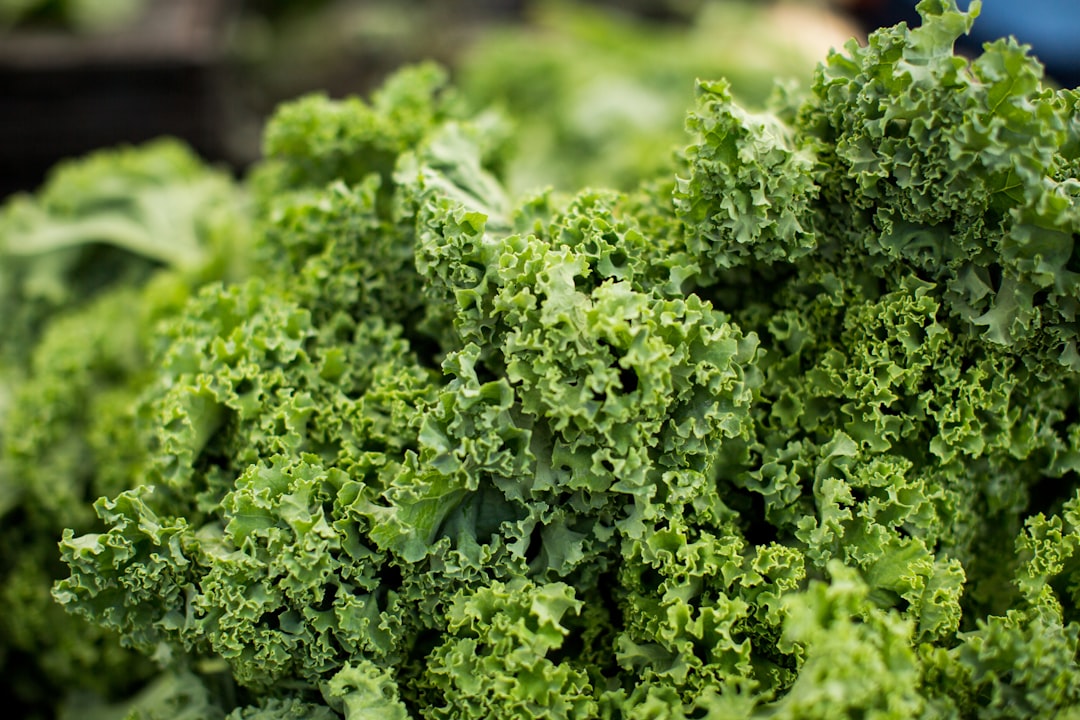
- Curly Kale: This is the most common type of kale found in supermarkets. Its frilly leaves are visually striking but can hold onto moisture and grit, necessitating thorough washing. Curly kale has a pronounced, slightly bitter taste and a chewier texture, often benefiting from massaging or longer cooking times.
- Red Russian Kale: Distinguished by its flat, purple-tinged leaves and reddish stems, Red Russian kale is known for its sweeter, more delicate flavor and tender texture. It is suitable for raw applications in salads and can be cooked quickly.
- Vates Kale (Winterbor Kale): A more traditional variety, Vates kale is hardy and resilient, often enduring frost which can sweeten its flavor. It has a firm texture and a stronger, more earthy taste.
Flavor Profiles and Texture Considerations
Kale’s flavor can be described as earthy, slightly peppery, and, in some varieties, mildly bitter. The bitterness is often attributed to glucosinolates, compounds also linked to kale’s health benefits. While some appreciate this assertive flavor, others find it a barrier to enjoyment. Texturally, kale leaves are fibrous and can be tough, especially the stems.
- Mitigating Bitterness: Several techniques can temper kale’s bitterness. Salting, massaging with acidic ingredients like lemon juice or vinegar, or cooking with sweetening agents such as caramelized onions or a touch of honey can significantly alter the flavor profile.
- Tenderizing Texture: The sturdy structure of kale leaves can be broken down through various cooking methods. Massaging raw kale with oil and salt is a primary step in softening it for salads. Braising, steaming, or sautéing for extended periods also renders the leaves more tender.
Kale, a nutrient-rich leafy green, is not only a popular superfood but also a great addition to various dishes, enhancing both flavor and health benefits. For those interested in optimizing their culinary offerings, understanding how to effectively market a small business that features such ingredients can be crucial. A related article that provides valuable insights on this topic is available at Australian Small Business SEO Tips, which offers practical strategies for improving online visibility and attracting more customers.
Preparation Techniques for Palatable Kale
The initial preparation of kale is crucial for unlocking its culinary potential. Proper washing and de-stemming form the foundational steps before any cooking or serving takes place.
Thorough Washing and Cleaning
Kale leaves, particularly curly varieties, are prone to accumulating dirt and grit in their frilled surfaces. A multi-stage washing process is recommended.
- Initial Rinse: Submerge the kale in a large bowl of cool water, swirling the leaves vigorously to dislodge loose debris. Drain this water and repeat the process.
- Targeted Cleaning: For stubborn grit, consider placing kale in a colander and rinsing it under a strong stream of running water, gently rubbing the leaves.
- Drying: Thoroughly drying the kale after washing is important to prevent dilution of flavors during cooking and to ensure crispness in dishes where that is desired. A salad spinner is an effective tool for this purpose.
De-stemming and Chopping
The central stem of kale leaves is tough and fibrous, often contributing to an undesirable chewiness. It is generally recommended to remove it.
- Stem Removal: For each leaf, hold the stem with one hand and use the other hand to strip the leafy portion away from the tough central rib. Alternatively, fold the leaf in half lengthwise and slice along either side of the stem.
- Chopping: Once de-stemmed, the kale can be chopped into the desired size for the recipe. Smaller pieces cook more quickly and integrate better into dishes. For raw salads, a fine chop is often preferred.
Raw Kale Applications: Beyond the Bitter Salad
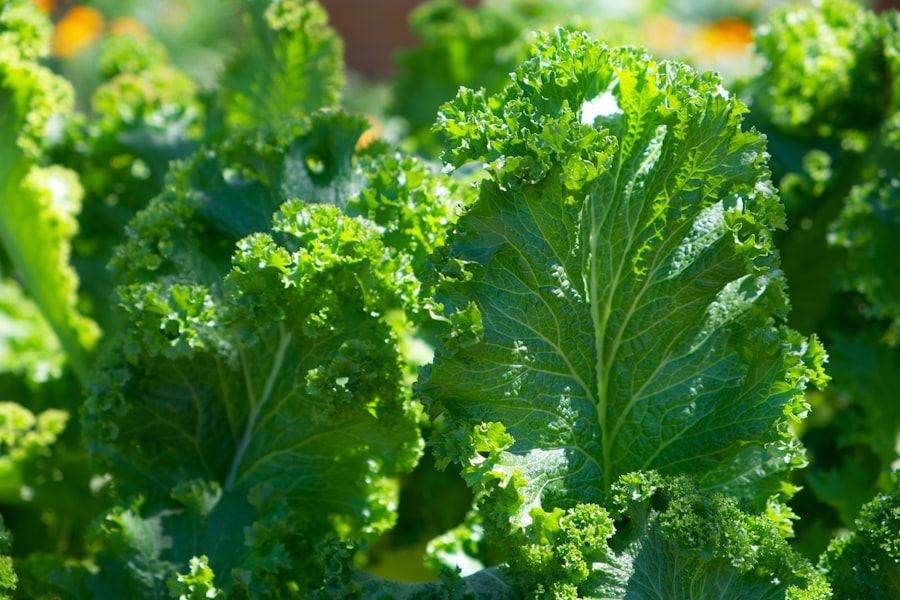
While kale’s robust texture might seem unsuitable for raw preparations, strategic techniques can transform it into a delightful salad green. This approach capitalizes on kale’s nutrient density without the need for heat.
Massaged Kale Salads
The process of massaging kale effectively breaks down its cell walls, similar to how heat would tenderize it, while also distributing oil and acid.
- The Process: In a large bowl, place the de-stemmed and chopped kale. Drizzle with olive oil and a source of acidity (lemon juice, lime juice, or vinegar). Sprinkle with salt and pepper. Using your hands, gently but firmly massage the ingredients into the kale for several minutes until the leaves visibly soften, darken, and reduce in volume. The texture should become pliable and less fibrous.
- Flavor Enhancements: This base can be augmented with a variety of additional ingredients. Consider a combination of toasted nuts or seeds (almonds, walnuts, sunflower seeds), dried fruits (cranberries, raisins), crumbled cheese (feta, goat cheese), and thinly sliced fruits or vegetables (apples, pears, red onion). A creamy dressing, such as a tahini-based or avocado dressing, can further enhance the richness and mask any residual bitterness.
Kale as a Raw Ingredient in Other Dishes
Beyond traditional salads, raw kale can be incorporated into other preparations where its texture can be appreciated or further softened by other ingredients.
- Smoothies: The nutrient-dense nature of kale makes it a popular addition to smoothies, where its flavor is often masked by fruits and other ingredients. A small amount of kale, when blended with strong-flavored fruits such as berries or pineapple, can contribute significant nutritional value without an overpowering taste.
- Wraps and Sandwiches: Finely chopped raw kale can add a crisp textural element and a nutritional boost to wraps and sandwiches. It pairs well with creamy fillings or robust flavors that can complement its earthiness.
Cooked Kale Dishes: Embracing Heat for Tenderness and Flavor
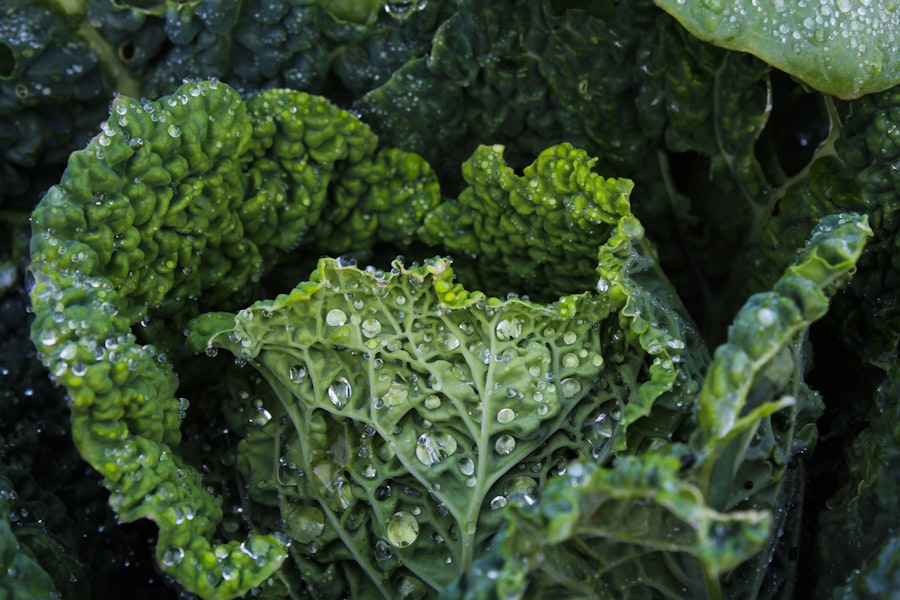
Cooking kale unlocks its full potential in terms of tenderness and allows for the development of complex flavors. Various methods can be employed, each yielding a different result.
Sautéed Kale: A Quick and Versatile Method
Sautéing is a rapid cooking technique that allows kale to soften while retaining some of its texture and vibrant color.
- Basic Sauté: Heat olive oil or another cooking fat in a large skillet over medium-high heat. Add minced garlic and cook for about 30 seconds until fragrant. Add the de-stemmed and chopped kale, season with salt and pepper, and stir to coat. Cook, stirring frequently, for 3-7 minutes, depending on desired tenderness. The leaves should wilt and become tender.
- Flavor Variations: Consider adding red pepper flakes for a touch of heat, a splash of soy sauce or tamari for umami, or a squeeze of lemon juice at the end for brightness. Cooked onions, shallots, or mushrooms can also be sautéed before adding the kale to build layers of flavor.
Braised Kale: Deep Flavor and Ultimate Tenderness
Braising involves cooking kale in a liquid over a longer period, resulting in exceptionally tender leaves and a rich, developed flavor.
- The Braising Liquid: A variety of liquids can be used for braising kale, including vegetable broth, chicken broth, water, or even wine. The choice of liquid will impart its own flavor notes to the final dish.
- Braising Process: Begin by sautéing aromatic vegetables like onions, garlic, and celery in a pot. Add the kale and then pour in enough braising liquid to come about halfway up the sides of the kale. Bring to a simmer, then reduce heat, cover, and cook for 20-40 minutes, or until the kale is very tender. Season with salt and pepper to taste.
- Enhancing Braised Kale: A piece of smoked meat, such as bacon or ham hock, can be added to the braising liquid for a smoky, savory depth. A touch of vinegar or a bay leaf can also contribute to the complexity of the flavor.
Steamed Kale: A Nutrient-Preserving Approach
Steaming is a gentle cooking method that preserves kale’s nutrients and results in a tender, vibrant green product.
- Steaming Setup: Use a steamer basket placed over a pot of simmering water. Ensure the water level does not touch the bottom of the basket.
- Cooking Time: Add the de-stemmed and chopped kale to the steamer basket, cover, and steam for 5-8 minutes, or until tender. Avoid overcooking, which can lead to a mushy texture and a duller color.
- Serving Steamed Kale: Steamed kale serves as an excellent neutral base. It can be dressed simply with a drizzle of olive oil, a squeeze of lemon, and a pinch of salt. It also pairs well with various sauces, grains, or as a side dish to protein.
Kale is a nutrient-dense leafy green that has gained popularity for its health benefits and versatility in cooking. If you’re interested in expanding your indoor gardening skills, you might find it helpful to explore how to grow other plants as well. For instance, check out this informative article on growing aloe vera indoors, which provides valuable tips that can enhance your gardening experience. Incorporating a variety of plants like kale and aloe vera can not only beautify your space but also contribute to a healthier lifestyle.
Kale in Soups, Stews, and Casseroles: A Hearty Addition
Kale’s ability to withstand sustained cooking makes it a valuable ingredient in long-simmering dishes. Its robust structure prevents it from disintegrating entirely, while its flavor melds with the other components.
Kale in Hearty Soups and Stews
Adding kale to soups and stews towards the end of their cooking time ensures it becomes tender without becoming overly soft.
- Classic Combinations: Kale is a natural fit for bean soups (lentil, white bean, minestrone), sausage and bean stews, and other rustic broths. Its earthiness complements the savory nature of these dishes.
- Timing is Key: Introduce chopped kale during the last 20-30 minutes of cooking. This allows sufficient time for it to soften while retaining some of its structure.
Kale in Casseroles and Baked Dishes
Kale can add both texture and nutritional value to baked dishes, such as gratins, bakes, and pasta casseroles.
- Layering Kale: When incorporating kale into casseroles, it can be layered with other vegetables, cheeses, meats, or grains. Its ability to absorb flavors makes it a good partner for creamy or cheesy bases.
- Pre-cooking Consideration: Depending on the casserole’s cooking time, it may be beneficial to lightly sauté or blanch the kale before adding it to the dish to ensure it reaches the desired tenderness without overcooking the other components.
Nutritional Benefits and Culinary Considerations
Beyond its culinary versatility, kale’s nutritional density is a significant factor in its popularity. Understanding these benefits can further inform its integration into a balanced diet.
Nutrient Profile of Kale
Kale is exceptionally rich in several key vitamins and minerals.
- Vitamins: It is an excellent source of Vitamin K, essential for blood clotting and bone health. It also provides substantial amounts of Vitamin A, crucial for vision and immune function, and Vitamin C, a potent antioxidant important for skin health and immune support.
- Minerals: Kale contains significant levels of calcium, manganese, and potassium, contributing to bone health, metabolism, and blood pressure regulation, respectively.
- Antioxidants and Fiber: The presence of antioxidants like beta-carotene and flavonoids, along with its fiber content, contributes to kale’s reputation as a health-promoting food. Fiber aids in digestion and can contribute to feelings of satiety.
Culinary Tips for Maximizing Flavor and Nutrition
To make the most of kale both nutritionally and culinarily, consider these practical tips.
- Organic Options: When possible, opt for organic kale, as conventional kale can sometimes be found on lists of produce with higher pesticide residues. This is not a guarantee, but a common consideration in food sourcing.
- Pairing with Fats: The fat-soluble vitamins in kale (A, K) are better absorbed when consumed with a source of healthy fats, such as olive oil, avocado, or nuts. This is why dressing kale salads with oil or incorporating it into dishes with healthy fats is beneficial.
- Freezing Kale: Raw, blanched kale can be frozen for later use. Blanching involves briefly dipping kale in boiling water followed by an ice bath, which helps preserve its color and texture. Frozen kale is best suited for cooked dishes like soups, stews, or smoothies rather than raw preparations.
By understanding the characteristics of different kale varieties and applying appropriate preparation and cooking techniques, individuals can confidently integrate this nutrient-rich vegetable into a wide array of delicious and healthy meals. The journey from a challenging to a beloved ingredient is often a matter of education and thoughtful execution.