 Thomas Kelly
19 March 2026
Thomas Kelly
19 March 2026
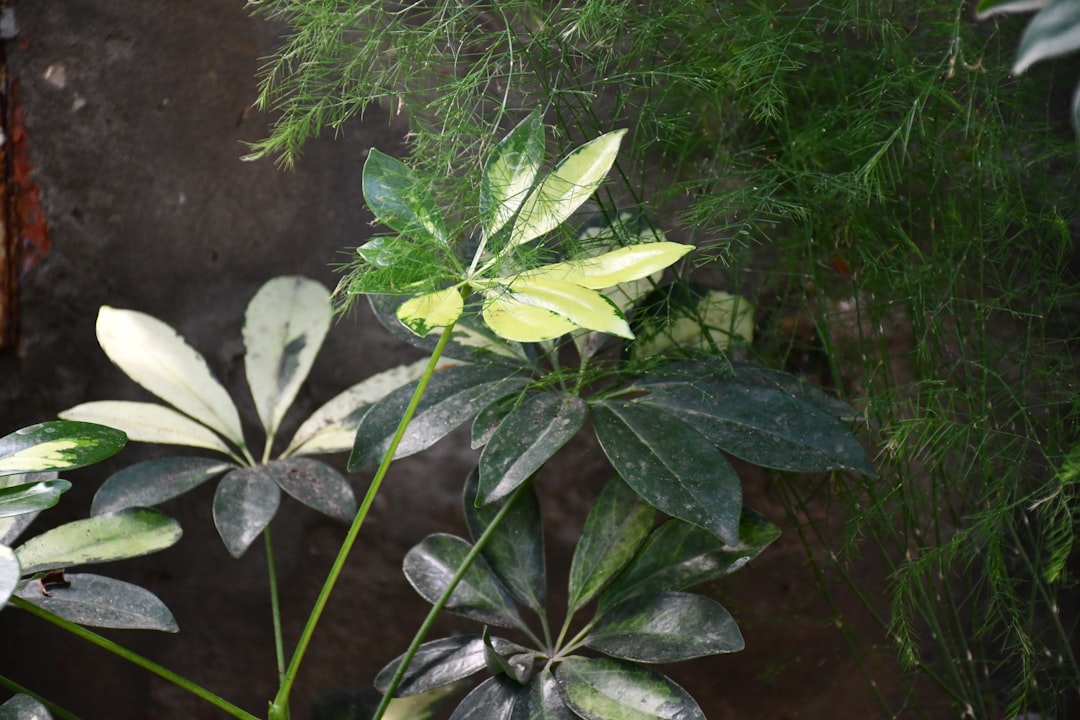
Schefflera plants, often referred to as umbrella trees, are popular houseplants known for their lush, glossy leaves and easy-going nature. Native to tropical regions, these plants can grow quite tall, making them a striking addition to any indoor space. They belong to the Araliaceae family and can be found in various species, with Schefflera actinophylla being one of the most common. Understanding the basic characteristics of Schefflera plants is essential for anyone looking to cultivate them successfully.
These plants are not just visually appealing; they also have air-purifying qualities, which can enhance the indoor environment. Schefflera plants thrive in bright, indirect light but can adapt to lower light conditions, making them versatile for different home settings. However, they do prefer warmth and humidity, which is something to keep in mind when planning their care. With the right attention and care, a Schefflera can grow into a beautiful focal point in your home.
Key Takeaways
- Schefflera plants are popular houseplants known for their attractive foliage and easy care requirements.
- Choose a location with bright, indirect light for your Schefflera plant to thrive.
- Use well-draining, aerated soil and a pot with drainage holes to ensure proper soil and potting for your Schefflera plant.
- Water your Schefflera plant when the top inch of soil is dry and provide moderate humidity to meet its watering and humidity needs.
- Fertilize your Schefflera plant during the growing season and prune and propagate as needed to maintain its health and appearance.
Choosing the Right Location for Your Schefflera Plant
Selecting the right spot for your Schefflera is crucial for its growth and overall health. Ideally, you want to place it in a location that receives bright, indirect sunlight. A spot near a window that filters light is often perfect. Direct sunlight can scorch the leaves, leading to unsightly brown patches. If you notice your plant stretching towards the light, it may be a sign that it needs a brighter location.
Temperature is another factor to consider. Schefflera plants prefer temperatures between 60°F and 75°F (15°C to 24°C). Avoid placing them near drafts or heating vents, as sudden temperature changes can stress the plant. If you live in a particularly dry climate, consider placing your Schefflera in a room with higher humidity or using a humidifier to create a more favorable environment.
The Importance of Proper Soil and Potting for Schefflera Plants
The right soil mix is vital for the health of your Schefflera plant. A well-draining potting mix is essential to prevent root rot, which can occur if the roots sit in waterlogged soil. A blend of potting soil, perlite, and peat moss works well, providing both nutrients and drainage. This combination allows for adequate moisture retention while ensuring that excess water can escape.
When potting your Schefflera, choose a container that has drainage holes at the bottom. This will help prevent water from accumulating and causing root issues. If you’re repotting an established plant, select a pot that is one size larger than the current one. This gives the roots room to grow without overwhelming them with too much soil at once.
Watering and Humidity Needs of Schefflera Plants
Watering your Schefflera plant correctly is key to keeping it healthy. These plants prefer their soil to dry out slightly between waterings. A good rule of thumb is to check the top inch of soil; if it feels dry, it’s time to water. Overwatering can lead to root rot, so it’s better to err on the side of caution. When you do water, ensure that you give it a thorough soak until water drains from the bottom of the pot.
Humidity is another important aspect of care for Schefflera plants.
They thrive in humid environments, so if your home is particularly dry, consider misting the leaves occasionally or placing a tray of water near the plant to increase humidity levels.
Grouping your Schefflera with other plants can also help create a more humid microclimate.
Fertilizing and Feeding Your Schefflera Plant
Fertilizing your Schefflera plant helps promote healthy growth and vibrant foliage. During the growing season—typically spring and summer—apply a balanced liquid fertilizer every four to six weeks. Look for a fertilizer that contains equal parts nitrogen, phosphorus, and potassium (often labeled as 10-10-10). This will provide the essential nutrients your plant needs without overwhelming it.
In the fall and winter months, when growth slows down, you can reduce or even stop fertilizing altogether. Over-fertilizing can lead to salt buildup in the soil, which can harm your plant. If you notice brown leaf tips or stunted growth, it might be time to flush the soil with water to remove excess salts.
Pruning and Propagating Schefflera Plants
Pruning your Schefflera not only helps maintain its shape but also encourages bushier growth. You can trim back leggy stems or remove any yellowing leaves to keep your plant looking its best. Use clean, sharp scissors or pruning shears to make clean cuts just above a leaf node. This will promote new growth from that point.
If you’re interested in propagating your Schefflera, it’s relatively straightforward. You can take stem cuttings that are at least six inches long and place them in water or directly into moist potting soil. If using water, change it regularly until roots develop, then transfer the cutting to soil. With proper care, you’ll soon have new plants to enjoy or share with friends.
Dealing with Common Pests and Diseases in Schefflera Plants
Like any houseplant, Schefflera plants can be susceptible to pests such as spider mites, aphids, and mealybugs. Regularly inspecting your plant for signs of infestation is essential. If you notice small webs or sticky residue on the leaves, it may indicate a pest problem. Treat infestations promptly with insecticidal soap or neem oil, which are effective yet gentle options.
Diseases such as root rot or leaf spot can also affect your Schefflera if not monitored closely. Root rot typically occurs due to overwatering or poor drainage; if you suspect this issue, check the roots and trim away any mushy sections before repotting in fresh soil. Leaf spot can be caused by fungal infections; ensure good air circulation around your plant and avoid overhead watering to minimize this risk.
Repotting and Transplanting Your Schefflera Plant
Repotting your Schefflera is an important part of its care routine, especially as it grows larger. Generally, you should consider repotting every two years or when you notice roots growing out of the drainage holes. Choose a pot that is one size larger than the current one and refresh the soil mix to provide new nutrients.
When repotting, gently remove the plant from its old pot and loosen any tightly bound roots before placing it in the new container. Fill in around the roots with fresh potting mix and water thoroughly after repotting to help settle the soil around the roots.
Creating the Ideal Environment for Your Schefflera Plant
Creating an ideal environment for your Schefflera involves more than just light and water; it’s about replicating its natural habitat as closely as possible. These plants thrive in warm temperatures and high humidity levels typical of tropical climates. If your home tends to be dry during winter months, consider using a humidifier or placing your plant in a bathroom with good light.
Additionally, ensure that your Schefflera has enough space to grow without being cramped by other plants or furniture. Good air circulation is vital for preventing diseases and pests from taking hold. Regularly dusting off leaves will also help improve photosynthesis and keep your plant looking vibrant.
Tips for Troubleshooting Common Issues with Schefflera Plants
If you encounter problems with your Schefflera plant, don’t worry; many issues are easily fixable with some observation and adjustments. Yellowing leaves often indicate overwatering or nutrient deficiencies; check your watering schedule and consider fertilizing if needed. On the other hand, if leaves are dropping off suddenly, it could be due to stress from temperature changes or pests.
Another common issue is leaf browning at the tips, which may signal low humidity levels or underwatering. Adjusting your watering routine or increasing humidity can often resolve this problem quickly. Keeping a close eye on your plant’s condition will help you catch these issues early before they escalate.
Enjoying the Beauty of Your Thriving Schefflera Plant
Once you’ve established a routine for caring for your Schefflera plant, you’ll likely find joy in watching it thrive over time. The lush foliage not only enhances your living space but also contributes positively to your indoor air quality. As it grows taller and fuller, it becomes an impressive focal point that can elevate any room’s aesthetic.
Taking care of a Schefflera can be a rewarding experience that connects you with nature right in your home. Whether you’re enjoying its beauty alone or sharing it with friends and family, this resilient plant has much to offer those willing to invest time in its care. With proper attention and love, your Schefflera will flourish for years to come.