 Thomas Kelly
12 March 2026
Thomas Kelly
12 March 2026
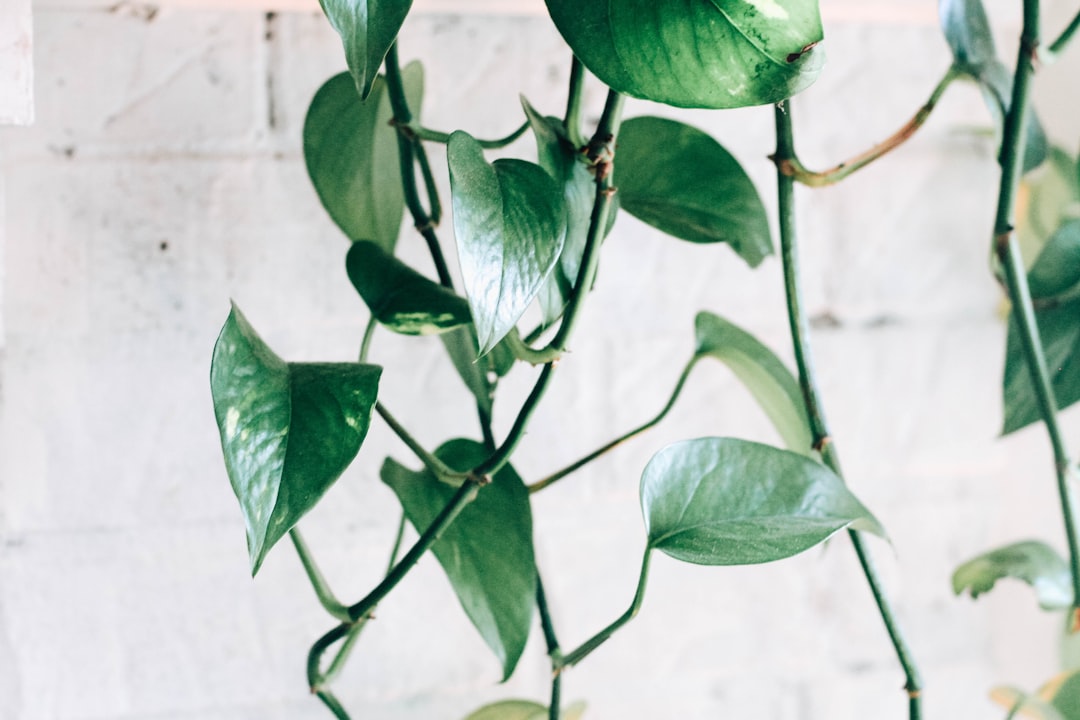
Pothos, scientifically known as Epipremnum aureum, has gained popularity among houseplant enthusiasts for its adaptability and ease of care. This trailing vine is native to the Solomon Islands but has become a staple in homes and offices worldwide. Its heart-shaped leaves, which can vary in color from deep green to variegated patterns, make it an attractive addition to any indoor space. Pothos is often recommended for beginners due to its resilience and ability to thrive in various conditions, making it a versatile choice for both novice and experienced plant owners.
One of the key features that set Pothos apart is its low-maintenance nature. It can tolerate a range of lighting conditions, from low light to bright indirect sunlight, and does not require frequent watering. This hardiness allows it to flourish in environments where other plants might struggle. Additionally, Pothos is known for its air-purifying qualities, helping to improve indoor air quality by removing toxins. With these attributes, it’s no wonder that Pothos has become a beloved houseplant for many.
Key Takeaways
- Pothos is a versatile and low-maintenance houseplant, making it perfect for beginners and busy individuals.
- Choose a location with bright, indirect light for your Pothos plant to thrive.
- Water Pothos when the top inch of soil is dry, and avoid overwatering to prevent root rot.
- Fertilize Pothos monthly during the growing season to promote healthy and lush growth.
- Prune and propagate Pothos regularly to maintain its health and promote new growth.
Choosing the Right Location for Your Pothos Plant
Selecting the appropriate location for your Pothos is crucial for its growth and overall health. While this plant is adaptable, it does have preferences that can influence its development. Ideally, Pothos thrives in bright, indirect light. A spot near a window that filters sunlight is often ideal, as direct sunlight can scorch its leaves. However, if your space lacks natural light, Pothos can still survive in low-light conditions, albeit with slower growth and less vibrant foliage.
When positioning your Pothos, consider the temperature and humidity levels of the area. This plant prefers temperatures between 60°F and 80°F (15°C to 27°C) and enjoys moderate humidity. Avoid placing it near drafts or heating vents, as sudden temperature changes can stress the plant. Observing how your Pothos responds to its environment will help you make adjustments as needed, ensuring it remains healthy and vibrant.
Understanding the Watering Needs of Pothos
Watering is one of the most critical aspects of caring for a Pothos plant. This species prefers to dry out slightly between waterings, making it essential to establish a consistent watering routine. Overwatering is a common mistake that can lead to root rot, a condition that can be detrimental to the plant’s health. To determine when to water, check the top inch of soil; if it feels dry, it’s time to give your Pothos a drink.
When watering, ensure that you provide enough water so that it drains out of the bottom of the pot. This practice helps prevent salt buildup in the soil and ensures that the roots receive adequate moisture. During the growing season, typically spring and summer, your Pothos may require more frequent watering as it actively grows. In contrast, during the dormant months of fall and winter, you may find that your plant needs less water. Adjusting your watering schedule according to seasonal changes will contribute to the overall health of your Pothos.
Fertilizing Your Pothos for Optimal Growth
Fertilization plays a significant role in promoting healthy growth in Pothos plants. While they are not heavy feeders, providing nutrients during the growing season can enhance their vigor and leaf quality. A balanced liquid fertilizer diluted to half strength is often recommended every four to six weeks from spring through early fall. This approach ensures that your plant receives essential nutrients without the risk of over-fertilization.
It’s important to note that during the winter months, when growth slows down, fertilization should be reduced or even halted. Over-fertilizing during this period can lead to salt buildup in the soil and potentially harm the plant. Observing your Pothos for signs of nutrient deficiency—such as yellowing leaves or stunted growth—can help you determine if adjustments to your fertilization routine are necessary.
Pruning and Propagating Pothos: Tips for Keeping Your Plant Healthy
Pruning is an essential practice for maintaining the health and appearance of your Pothos plant. Regularly trimming back leggy growth encourages bushier foliage and prevents the plant from becoming too unruly. Use clean, sharp scissors or pruning shears to remove any yellowing or damaged leaves, as well as stems that have outgrown their space. This not only improves aesthetics but also allows more light to reach the inner leaves.
Propagation is another rewarding aspect of caring for Pothos. This plant readily roots from cuttings, making it easy to expand your collection or share with friends. To propagate, take a cutting with at least two nodes—where leaves emerge from the stem—and place it in water or directly into soil. If using water, change it regularly to prevent stagnation. Once roots develop, typically within a few weeks, you can transfer the cutting into soil for continued growth.
Dealing with Common Pothos Pests and Diseases
While Pothos is generally resilient, it can still fall victim to pests and diseases if not properly cared for. Common pests include spider mites, mealybugs, and aphids. These insects can cause damage by feeding on the plant’s sap, leading to yellowing leaves and stunted growth. Regularly inspecting your plant for signs of infestation is crucial; if you notice pests, treat them promptly with insecticidal soap or neem oil.
In addition to pests, Pothos can also experience diseases such as root rot or leaf spot due to overwatering or poor air circulation. To prevent these issues, ensure that your pot has drainage holes and avoid letting the plant sit in standing water. If you encounter root rot, it may be necessary to remove the affected roots and repot the plant in fresh soil. Maintaining good airflow around your Pothos can also help reduce the risk of fungal infections.
Choosing the Right Pot and Soil for Your Pothos Plant
Selecting an appropriate pot and soil is fundamental to the success of your Pothos plant. A pot with drainage holes is essential; this feature allows excess water to escape and prevents root rot caused by waterlogged soil. When choosing a pot size, consider that Pothos prefers slightly snug conditions; therefore, a pot that is one size larger than its current home is often ideal for repotting.
As for soil, a well-draining potting mix is recommended for Pothos plants. A blend designed for houseplants or one that includes perlite or orchid bark can provide adequate aeration while retaining some moisture. Avoid using garden soil, as it may compact too much in a pot and hinder drainage. The right combination of pot and soil will create an environment conducive to healthy root development.
Creating a Support System for Pothos: Trellises and Moss Poles
Pothos plants are natural climbers and can benefit from a support system such as trellises or moss poles. Providing vertical support allows them to grow upward rather than trailing downwards, which can enhance their aesthetic appeal and promote healthier growth.
Moss poles are particularly effective because they retain moisture, encouraging aerial roots to attach and absorb humidity.
When setting up a support system, position it close to where you want your Pothos to climb. Gently guide the vines around the support structure using soft ties or twine if necessary. As your plant grows, continue to train it along the support system while ensuring that it receives adequate light and care. This practice not only enhances the visual interest of your indoor space but also mimics the natural growing conditions of Pothos in their native habitat.
Maintaining the Aesthetic Appeal of Pothos: Cleaning and Grooming Tips
To keep your Pothos looking its best, regular cleaning and grooming are essential practices. Dust can accumulate on leaves over time, hindering their ability to photosynthesize effectively. Gently wipe down the leaves with a damp cloth or give them a shower using lukewarm water every few weeks to remove dust and debris. This simple task not only improves the plant’s appearance but also promotes better health.
In addition to cleaning, grooming involves monitoring for any dead or yellowing leaves that should be removed promptly. This practice helps maintain a tidy appearance while allowing new growth to flourish without competition from unhealthy foliage. By incorporating these maintenance tasks into your routine, you can ensure that your Pothos remains an attractive focal point in your home.
Troubleshooting Common Issues with Pothos Care
Despite its reputation for being low-maintenance, Pothos plants can encounter various issues that may require attention. One common problem is yellowing leaves, which can indicate overwatering or nutrient deficiencies. If you notice yellowing leaves at the bottom of the plant while upper leaves remain green, it may be a sign of natural aging; however, if yellowing occurs throughout the plant, reassess your watering habits.
Another issue may be leggy growth, which often results from insufficient light exposure. If your Pothos appears stretched with long stems and sparse leaves, consider relocating it to a brighter spot or supplementing with grow lights during darker months. Addressing these common issues promptly will help maintain the health and vitality of your Pothos.
Enjoying the Beauty of Pothos in Your Home
In conclusion, Pothos stands out as an excellent choice for anyone looking to add greenery to their living space without extensive care requirements. Its adaptability allows it to thrive in various conditions while providing aesthetic appeal through its lush foliage. By understanding its needs regarding light, water, fertilization, pruning, and pest management, you can cultivate a thriving Pothos that enhances your home environment.
As you enjoy the beauty of your Pothos plant, remember that each step in its care contributes not only to its health but also to your own satisfaction as a plant owner. Whether you’re propagating new cuttings or simply admiring its growth from afar, nurturing a Pothos offers both challenges and rewards that enrich your indoor gardening experience.