
 Thomas Kelly
11 January 2026
Thomas Kelly
11 January 2026
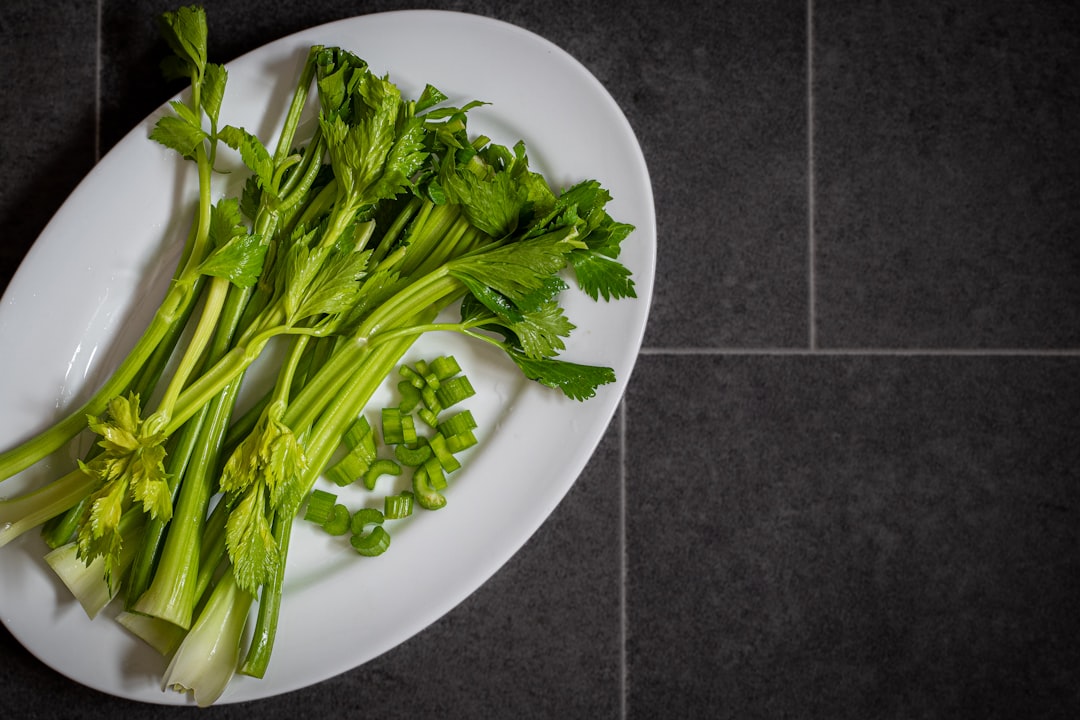
Celery, a common garden vegetable, belongs to the Apium graveolens species. Known for its crisp texture and distinct aroma, it has been cultivated and consumed for centuries, historically valued for its medicinal properties before gaining widespread culinary recognition. This article will explore the nutritional composition of celery, its documented health benefits, and provide practical advice for incorporating it into a balanced diet through various recipes.
Celery is a low-calorie vegetable, primarily composed of water. Its nutritional density, however, makes it a valuable addition to any diet.
Macronutrient Breakdown
- Water Content: Celery consists of approximately 95% water, contributing to hydration.
- Carbohydrates: The carbohydrate content is minimal, primarily in the form of fiber and small amounts of natural sugars.
- Protein and Fat: Celery contains negligible amounts of protein and fat, making it a dieter’s friend.
Micronutrient Contributions
While not a powerhouse in terms of vitamins and minerals compared to some other vegetables, celery offers a supportive role in nutrient intake.
Vitamins
- Vitamin K: Celery is a good source of Vitamin K, crucial for blood clotting and bone health. This vitamin acts as a silent architect, aiding in the construction and maintenance of skeletal structures.
- Vitamin C: It provides a modest amount of Vitamin C, an antioxidant that supports immune function and skin health.
- Folate: Celery contains folate, important for cell growth and division.
- Vitamin A (as beta-carotene): The green stalks, in particular, contain beta-carotene, which the body converts to Vitamin A, essential for vision and immune response.
Minerals
- Potassium: Celery is recognized for its potassium content, an electrolyte that plays a vital role in maintaining fluid balance, nerve signals, and blood pressure regulation. This mineral is like a conductor, orchestrating the electrical impulses within the body.
- Sodium: While often perceived as a high-sodium food, natural sodium in celery is in a form that, when consumed in moderation, can work in concert with potassium to maintain electrolyte balance.
- Other Trace Minerals: It also contains smaller amounts of calcium, magnesium, and phosphorus, contributing to overall mineral intake.
Phytochemicals and Antioxidants
Beyond vitamins and minerals, celery contains various phytochemicals, which are plant-derived compounds with potential health-promoting properties.
Flavonoids
- Apigenin: Found in significant concentrations, apigenin is a flavonoid that has been studied for its anti-inflammatory and antioxidant effects.
- Luteolin: Another flavonoid present, luteolin also exhibits antioxidant and anti-inflammatory properties.
Other Beneficial Compounds
- Phthalides: These compounds are believed to contribute to celery’s cholesterol-lowering and blood-pressure-regulating effects.
- Saponins: Present in celery, saponins are compounds that may possess anti-inflammatory and immune-modulating activities.
If you’re interested in learning more about the importance of effective communication in the workplace, you might find this article on the best practices for panel beaters insightful. It discusses how clear communication can enhance teamwork and improve overall efficiency in auto repair shops. You can read it here: Best Practices for Panel Beaters.
Documented Health Benefits of Celery
The consumption of celery has been linked to several health benefits, supported by both traditional use and scientific research.
Impact on Cardiovascular Health
Celery’s role in cardiovascular health is multifaceted, stemming from its unique combination of nutrients and phytochemicals.
Blood Pressure Regulation
- Potassium’s Role: The significant potassium content in celery helps to counterbalance the effects of sodium, promoting a healthy blood pressure range. Potassium encourages the kidneys to excrete excess sodium, acting as a natural brake on elevated blood pressure.
- Phthalide Influence: Research suggests that phthalides in celery may relax artery walls, leading to improved blood flow and reduced blood pressure. This can be visualized as easing the tension on the body’s internal plumbing system.
Cholesterol Management
- Fiber Content: The dietary fiber in celery can contribute to lower cholesterol levels by binding to cholesterol in the digestive tract and preventing its absorption. Fiber acts as a scavenger, trapping unwanted substances before they enter the bloodstream.
- Phytochemical Contributions: Phthalides have also been investigated for their potential to inhibit cholesterol synthesis in the liver.
Digestive Health Support
Celery’s fiber and water content make it a beneficial food for the digestive system.
Promoting Regularity
- Dietary Fiber: The insoluble fiber in celery adds bulk to stool, aiding in regular bowel movements and preventing constipation. This mechanical action helps to keep the digestive tract moving smoothly.
- Hydration: The high water content further supports the digestive process by softening stool.
Gut Microbiome Influence
- Prebiotic Potential: Emerging research suggests that certain compounds in celery may act as prebiotics, feeding beneficial bacteria in the gut. A healthy gut microbiome is essential for digestion, nutrient absorption, and immune function.
Anti-inflammatory Properties
The presence of specific phytochemicals in celery contributes to its potential anti-inflammatory effects.
Reducing Oxidative Stress
- Antioxidant Network: Flavonoids like apigenin and luteolin, along with Vitamin C, help to combat free radicals, unstable molecules that can cause cellular damage and contribute to inflammation. These antioxidants form a protective shield against cellular wear and tear.
- Chronic Disease Prevention: By reducing oxidative stress, celery may play a role in mitigating the risk of chronic diseases linked to inflammation, such as arthritis and heart disease.
Joint Health
- Potential for Relief: While not a cure, the anti-inflammatory compounds in celery may offer some relief for individuals experiencing joint discomfort. Scientific exploration is ongoing in this area, aiming to quantify these effects.
Hydration and Electrolyte Balance
Celery’s high water content and natural electrolytes are key to its hydrating properties.
Rehydration
- Post-Exercise Recovery: Consuming celery can help in replenishing fluids and electrolytes lost during physical activity. It’s like a natural sports drink, offering a gentle rebalancing.
- Daily Hydration Support: Incorporating celery into meals can contribute to overall daily fluid intake, supporting numerous bodily functions.
Electrolyte Reservoir
- Potassium and Sodium Synergy: The balanced presence of potassium and sodium in celery supports proper nerve function and muscle contraction, essential for everyday physical performance.
Incorporating Celery into Your Diet
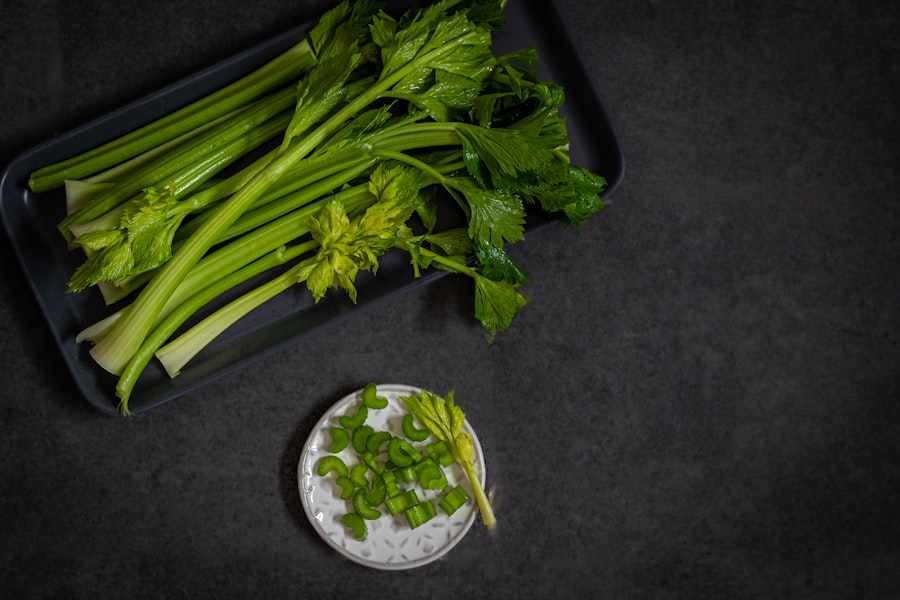
Celery is a versatile vegetable that can be enjoyed in a variety of ways, from raw snacks to cooked dishes.
Raw Preparations
The crisp, refreshing nature of raw celery makes it ideal for snacking and appetizers.
Celery Sticks and Dips
- Classic Snack: Simply wash and cut celery stalks into manageable sticks.
- Accompaniments: Serve with a range of dips including hummus, peanut butter, cream cheese, or yogurt-based dips for added flavor and nutrients. This is a simple yet effective way to deliver beneficial compounds.
- “Ants on a Log”: A popular children’s snack involves filling celery grooves with peanut butter and topping with raisins.
Salads and Slaws
- Textural Contrast: Finely chopped or thinly sliced celery adds a pleasing crunch and fresh flavor to green salads, potato salads, and coleslaws. It provides a palate cleanser amidst richer ingredients.
- Flavor Enhancement: Its mild bitterness can balance out sweet or savory components in a salad.
Cooked Applications
Cooking celery can mellow its flavor and alter its texture, making it suitable for a wider range of dishes.
Soups and Stews
- Flavor Base: Celery is a fundamental component of mirepoix (a combination of diced carrots, onions, and celery), forming the aromatic foundation for countless soups, stews, and sauces. It’s the unsung hero that builds depth of flavor.
- Texture and Moisture: It contributes moisture and a tender texture to slow-cooked dishes.
Sautéed and Roasted Dishes
- Side Dish: Celery can be sautéed with garlic and herbs, or roasted with other vegetables, to create a simple and nutritious side dish. Roasting caramelizes its natural sugars, offering a sweeter profile.
- Stir-fries: Thinly sliced celery can be added to stir-fries for a vibrant green element and a satisfying crunch.
Braised and Baked Goods
- Tender Texture: Braised celery becomes exceptionally tender and flavorful, absorbing the liquids it’s cooked in.
- Savory Baking: Celery can be finely chopped and incorporated into savory muffins, breads, or casseroles.
Delicious and Healthy Celery Recipes
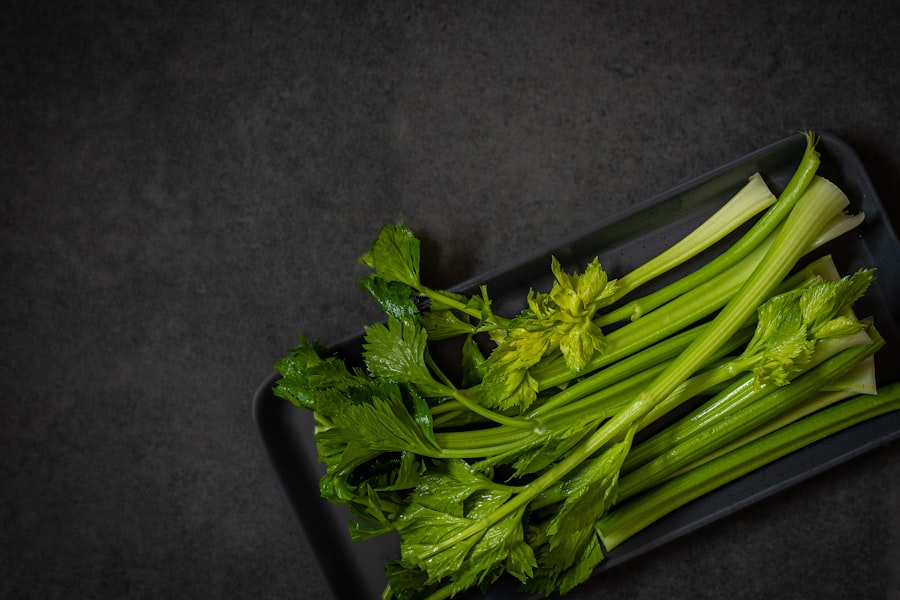
Here are a few recipes that showcase the versatility of celery, emphasizing its health benefits.
Creamy Celery and Potato Soup
This soup offers a comforting and nutrient-rich meal, highlighting celery’s role as a flavor enhancer and volume builder.
Ingredients
- 2 tablespoons olive oil
- 1 large onion, chopped
- 3 cloves garlic, minced
- 6 cups chicken or vegetable broth
- 4 medium potatoes, peeled and cubed
- 4 large celery stalks, chopped (about 4 cups)
- ½ cup heavy cream or unsweetened cashew cream
- Salt and black pepper to taste
- Fresh chives, for garnish
Instructions
- Heat olive oil in a large pot or Dutch oven over medium heat. Add onion and cook until softened, about 5-7 minutes.
- Add garlic and cook for 1 minute more until fragrant.
- Pour in the broth, add potatoes and celery. Bring to a boil, then reduce heat and simmer for 20-25 minutes, or until potatoes and celery are fork-tender.
- Carefully transfer the soup in batches to a blender, or use an immersion blender, and blend until smooth and creamy.
- Return the soup to the pot. Stir in the cream and heat gently, do not boil.
- Season with salt and pepper to taste.
- Serve hot, garnished with fresh chives.
Celery and Apple Slaw with Toasted Walnuts
This refreshing slaw offers a balance of sweet, tart, and savory flavors with a delightful textural interplay.
Ingredients
- 3 large celery stalks, thinly sliced
- 1 large apple (e.g., Granny Smith or Honeycrisp), cored and thinly sliced or julienned
- ¼ cup chopped red onion
- ¼ cup toasted walnuts, roughly chopped
- 2 tablespoons fresh lemon juice
- 1 tablespoon olive oil
- 1 teaspoon Dijon mustard
- Salt and black pepper to taste
Instructions
- In a large bowl, combine the sliced celery, apple, and red onion.
- In a small bowl, whisk together lemon juice, olive oil, and Dijon mustard. Season with salt and pepper.
- Pour the dressing over the celery, apple, and onion mixture. Toss to combine.
- Gently fold in the toasted walnuts.
- Let the slaw sit for at least 10 minutes before serving to allow the flavors to meld.
Simple Sautéed Celery with Lemon and Herbs
A quick and easy preparation that brings out the natural sweetness of celery.
Ingredients
- 4 large celery stalks, trimmed and sliced diagonally
- 1 tablespoon olive oil
- 1 clove garlic, thinly sliced
- Juice of ½ lemon
- 1 teaspoon chopped fresh parsley
- Salt and black pepper to taste
Instructions
- Heat olive oil in a large skillet over medium heat. Add sliced garlic and cook until fragrant, about 30 seconds, being careful not to burn it.
- Add the sliced celery to the skillet. Sauté for 5-7 minutes, or until the celery is tender-crisp.
- Squeeze lemon juice over the celery and toss to combine.
- Stir in fresh parsley and season with salt and pepper.
- Serve immediately as a side dish.
Celery is a versatile vegetable that can be a great addition to your indoor garden. If you’re interested in expanding your herb collection, you might also want to consider growing parsley, which shares similar growing conditions with celery. For tips on how to successfully cultivate parsley indoors, you can check out this informative article on growing parsley indoors. Both herbs can thrive in similar environments, making them perfect companions in your gardening endeavors.
Potential Considerations and Precautions
While celery is generally safe for most individuals, there are a few points to consider.
Allergies
- Celery Allergy: Though less common than other food allergies, celery allergy exists and can range from mild to severe. Individuals with known celery allergies should avoid all forms of the vegetable.
- Cross-Reactivity: Some individuals with pollen allergies, particularly to birch pollen, may experience cross-reactivity with celery.
Pesticide Residues
- Washing Produce: As with all vegetables, it is recommended to thoroughly wash celery before consumption to minimize exposure to potential pesticide residues.
- Organic Options: Choosing organic celery can further reduce pesticide exposure.
Sodium Content
- Natural vs. Added: While celery contains natural sodium, it is significantly lower than processed foods. Individuals on strict low-sodium diets should still consume it in moderation and consider its overall contribution to their daily intake.
In conclusion, celery is more than just a crunchy snack; it is a nutritious vegetable that offers a range of health benefits. Its low-calorie count, combined with essential vitamins, minerals, and beneficial phytochemicals, makes it a valuable asset in maintaining cardiovascular health, supporting digestion, and combating inflammation. By incorporating celery into various preparations, from raw snacks to cooked meals, individuals can readily enjoy its wholesome contributions to a balanced diet.