
 Thomas Kelly
14 January 2026
Thomas Kelly
14 January 2026
Bondi Beach, a crescent of golden sand a few kilometers east of Sydney’s central business district, is globally recognized. Its appeal lies in its pristine appearance, vibrant surf culture, and proximity to a major metropolitan area. Yet, beneath this idyllic facade lies a complex set of environmental and human factors that contribute to what many regard as a surprisingly dangerous swimming and surfing location. This article aims to dissect these dangers, providing a factual overview for those contemplating a visit, without resorting to hyperbole or undue sensationalism.
The primary architects of Bondi’s danger are often invisible to the casual observer: ocean currents. These powerful, subterranean rivers can transform a placid swim into a life-threatening struggle in moments. Understanding their mechanics is paramount for any beach user.
Rip Currents: The Hidden Threat
Rip currents are the most frequently cited cause of drownings and rescues at Bondi. Imagine a bathtub full of water. When you pull the plug, the water rushes towards the drain. This analogy, though simplistic, captures the essence of a rip current. These strong, narrow channels of water flow rapidly away from the shore, typically forming where waves break inconsistently or near headlands and structures.
At Bondi, the geometry of the bay and the consistent wave action create numerous rip currents. These can be particularly insidious because they often appear as calm stretches of water amidst breaking waves, deceptively inviting swimmers into their grasp. Many people, observing the seemingly tranquil surface, believe it to be a safe zone, only to be dragged offshore. The instinct to fight against a rip is natural, but often leads to exhaustion. The correct response, as advocated by surf lifesavers, is to float and signal for help, or to swim parallel to the shore until the rip weakens.
Longshore Currents: A Constant Drift
Less dramatic than rips but equally impactful over time are longshore currents. These currents flow parallel to the shoreline, propelled by waves approaching the beach at an angle. While not as forceful as a rip, they can gradually pull swimmers and surfers away from designated swimming areas or out of their depth without them immediately realizing. A child playing in shallow water, for instance, might suddenly find themselves further down the beach and in deeper water than intended due to the persistent tug of a longshore current. Lifesavers often reposition flags throughout the day to account for the shifting influence of these currents.
Wave Action and Undulating Seabeds
The constant assault of waves on the seabed sculpts its profile. At Bondi, this sculpting is continuous and dynamic. Sandbanks shift, creating deeper troughs and shallower bars, sometimes overnight.
Shore Dumps: The Sudden Impact
A shore dump is a particularly dangerous type of wave that breaks directly on the sand in very shallow water. This can occur when a steep wave hits a rapidly shallowing seabed. The force of such a wave can throw a person forward or backward with considerable power, leading to spinal injuries, neck injuries, and broken bones. This is particularly hazardous for children and individuals who are not accustomed to powerful surf. Imagine being caught off guard by a hammer blow from behind; this is akin to the experience of a shore dump. Swimmers approaching the shore should remain vigilant and face incoming waves, bracing for impact if necessary.
Dips and Gutters: Unexpected Depths
The shifting sands also create sudden changes in depth. What might appear as a consistently shallow stretch can abruptly drop into a deeper gutter or hole. For an individual wading into the water, this can be disorienting and dangerous, especially if they are not strong swimmers. A child playing independently in such an area could quickly find themselves out of their depth, leading to panic and potential drowning. These topographical changes are invisible from the surface and underscore the importance of swimming only between the red and yellow flags, where lifesavers actively monitor the conditions.
In exploring the dangers of Bondi Beach, it’s essential to consider the broader implications of safety and well-being, which can also be affected by factors like sleep quality. For instance, a related article discusses various methods to address insomnia, highlighting how a lack of sleep can impact one’s awareness and decision-making, potentially leading to risky situations at places like Bondi Beach. You can read more about these strategies in the article on insomnia here: Ways to Cure Insomnia.
The Human Factor: Overconfidence and Ignorance
While the ocean presents intrinsic dangers, human behavior often amplifies these risks. A combination of underestimation of the ocean’s power and a lack of knowledge often lands individuals in precarious situations.
Tourist Demographics and Lack of Experience
Bondi Beach attracts millions of visitors annually, a significant proportion of whom are international tourists. Many of these individuals may hail from landlocked countries or have limited experience with ocean swimming, particularly in surf conditions. They may not understand the nuances of wave behavior, the strength of currents, or the subtle warning signs of danger. The allure of the iconic beach can overshadow a realistic assessment of their own abilities. This lack of experience, combined with an understandable desire to enjoy the famous waters, often leads to situations where individuals are ill-equipped to handle the challenges presented by the ocean.
The Allure of the Unflagged Zones
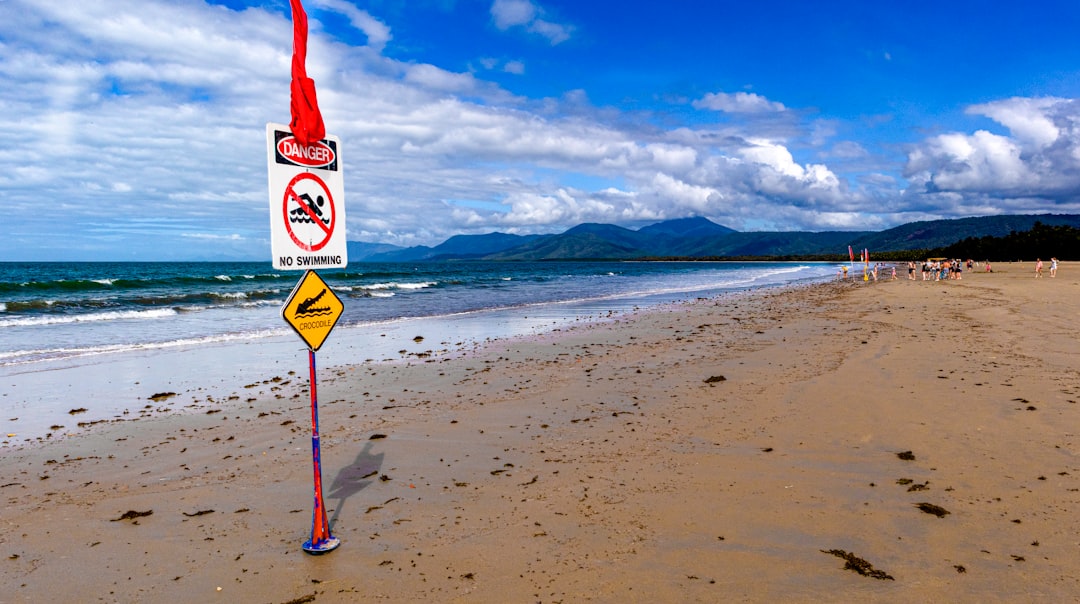
Despite clear signage and the visible presence of red and yellow flags, some individuals deliberately choose to swim outside the patrolled areas. There are multiple reasons for this: a desire for privacy, a perception that the flagged zones are too crowded, or simply a lack of understanding regarding the significance of the flags. These zones are unpatrolled precisely because they are often more susceptible to powerful rips or other hazardous conditions. Swimming outside these areas is akin to venturing into an unmarked minefield; the dangers are present but unseen, and the safety net of lifesavers is absent.
Underestimation of Physical Fitness
Assumption is a perilous companion in the surf. Many individuals overestimate their swimming abilities, particularly when faced with strong currents or powerful waves. A casual swimmer accustomed to a calm pool might struggle immensely in the dynamic environment of a surf beach. Alcohol consumption further impairs judgment and physical capabilities, turning a challenging swim into a potentially fatal endeavor. The ocean demands respect, and underestimating its power can have severe consequences.
Environmental and Biological Hazards
Beyond currents and human error, other factors contribute to Bondi’s dangerous reputation, though these are generally less frequent causes of serious incidents.
Marine Life Encounters
While not an everyday occurrence, encounters with marine life are a possibility at Bondi. The ocean is a complex ecosystem, and humans are visitors.
Sharks: A Persistent Apprehension
The presence of sharks, particularly Great White Sharks, in Australian waters is a well-known fact. While shark attacks at Bondi are rare, the fear of them is a common apprehension. Bondi Beach employs shark nets, which are designed to reduce the likelihood of sharks entering the swimming areas, but these are not foolproof. Incidents, though infrequent, do occur, reinforcing the need for vigilance and adherence to shark alarm protocols. The sight of a shark alarm, though disruptive, is a necessary safety measure, reminding beachgoers that they are sharing an environment with apex predators.
Bluebottle Jellyfish: A Painful Sting
More common than shark encounters are stings from bluebottle jellyfish (Physalia utriculus). These siphonophores, recognizable by their distinctive blue floats, are often washed ashore or into swimming areas by onshore winds. While their sting is rarely life-threatening, it can be intensely painful, causing welts, nausea, and in some cases, respiratory distress. A swarm of bluebottles can render swimming unpleasant, if not impossible, for a period. Lifesavers typically post warnings when bluebottles are prevalent, advising caution or avoidance.
Sun Exposure: A Silent Threat
Though not directly related to water safety, the Australian sun is a significant health hazard, particularly at a beach like Bondi where visitors spend prolonged periods outdoors.
UV Radiation and Skin Damage
Australia experiences some of the highest levels of UV radiation in the world. Unprotected exposure to the sun’s rays can lead to severe sunburn, long-term skin damage, premature aging, and significantly increased risk of skin cancer, including melanoma. The “slip, slop, slap” message (slip on a shirt, slop on sunscreen, slap on a hat) is a well-established public health campaign for a reason. Visitors, especially those from less sunny climates, often underestimate the intensity of the Australian sun, leading to painful and dangerous burns.
Heatstroke and Dehydration
Extended exposure to high temperatures, particularly while engaging in physical activity like swimming or surfing, can lead to heatstroke and dehydration. These conditions can cause dizziness, confusion, nausea, and in severe cases, unconsciousness. Maintaining adequate hydration by drinking plenty of water and seeking shade during the hottest parts of the day are crucial preventative measures.
Lifesaver Efforts and Infrastructure
The danger at Bondi Beach is substantially mitigated by the dedicated efforts of its surf lifesavers and the safety infrastructure in place. Without these, the incident rate would be far higher.
Patrols and Rescue Services
Bondi Beach is patrolled by professional lifeguards 365 days a year, starting early in the morning and extending into the late afternoon. During peak seasons, volunteer surf lifesavers also augment these patrols. These individuals are highly trained in rescue techniques, first aid, and resuscitation. They are the eyes and ears of the beach, constantly monitoring conditions, identifying potential hazards, and intervening when necessary. Their presence is a vital safety net, allowing millions to enjoy the beach safely. The iconic red and yellow flags indicate the safest areas to swim and are positioned based on daily assessment of currents and wave conditions.
Warning Systems and Signage
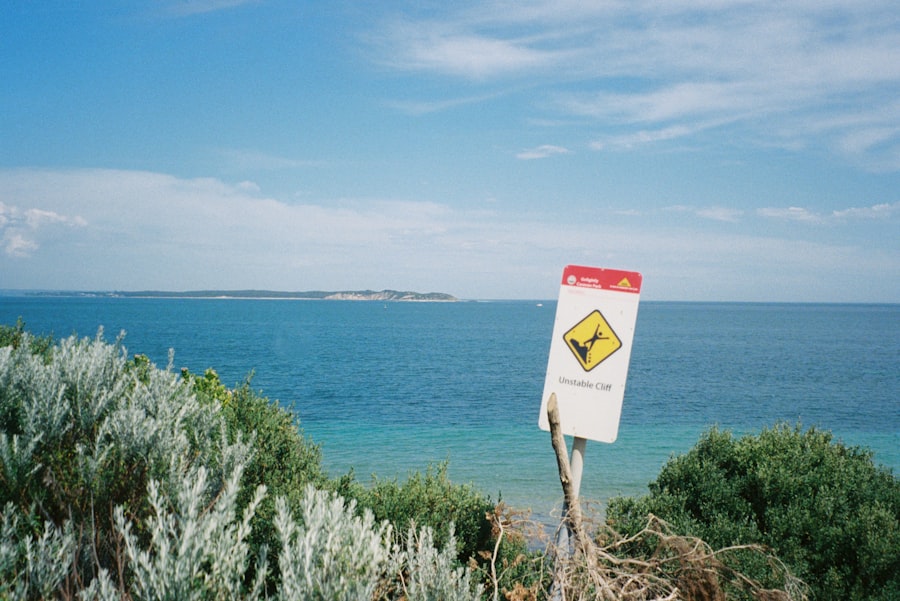
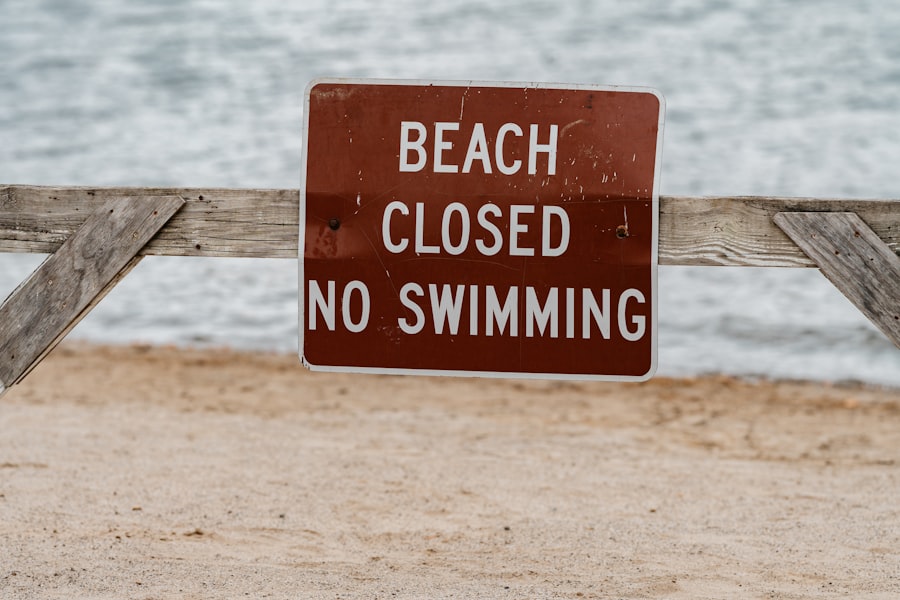
In addition to the flags, Bondi Beach employs various warning systems. Prominent signs clearly display information about rip currents, stingers, and shark sightings. Public address announcements are used to alert beachgoers to immediate dangers or to convey important safety messages. These systems are crucial in communicating essential information to a diverse audience, often with varying levels of English proficiency.
Observation Towers and Equipment
Lifesavers operate from observation towers, providing an elevated vantage point to scan the vast expanse of the beach and ocean. They are equipped with rescue boards, jet skis, and other essential equipment to respond rapidly to emergencies. The speed of response is often critical in preventing a minor incident from escalating into a tragedy.
Bondi Beach, known for its stunning views and vibrant atmosphere, also has a reputation for being dangerous due to strong currents and unpredictable waves. To better understand the risks associated with popular beach destinations, you might find it helpful to read an article about safety precautions when visiting crowded areas, which can be found here. This information can enhance your awareness and ensure a safer experience while enjoying the beauty of Bondi Beach.
The Importance of Personal Responsibility
Ultimately, while the ocean presents inherent dangers and lifesavers provide invaluable protection, personal responsibility remains the cornerstone of safe beach use.
Understanding and Respecting the Conditions
Before entering the water, take a moment to observe the conditions. Look for the red and yellow flags, consult with lifesavers if you have doubts, and observe how others are managing the waves. The ocean is not a swimming pool; its power demands respect. If conditions appear too challenging for your skill level, it is always better to err on the side of caution.
Swimming Between the Flags
This is the golden rule of Australian beach safety. The red and yellow flags mark the safest area to swim, where lifesavers are actively patrolling. Veering outside these flags significantly increases your risk, as you are entering an unpatrolled area where currents may be stronger and hazards more prevalent.
Knowing Your Limits
Be honest with yourself about your swimming ability. If you are not a strong swimmer, do not venture into deep water or powerful surf. Children should always be supervised closely, and anyone feeling unwell or fatigued should avoid swimming. Pushing past your physical limits in a dynamic environment like the ocean is a recipe for disaster.
In conclusion, Bondi Beach is not inherently malicious, but rather a powerful natural environment whose inherent dangers are amplified by its popularity and the diverse experience levels of its visitors. The unpredictable currents, dynamic wave action, and even the natural marine life all contribute to its reputation for being dangerous. However, with awareness, respect for the ocean’s power, adherence to safety guidelines, and the tireless efforts of its surf lifesavers, Bondi Beach can be enjoyed by millions, safely and responsibly. The key differentiator between a pleasant experience and a perilous one often lies in the individual’s approach to safety.