
 Thomas Kelly
15 January 2026
Thomas Kelly
15 January 2026
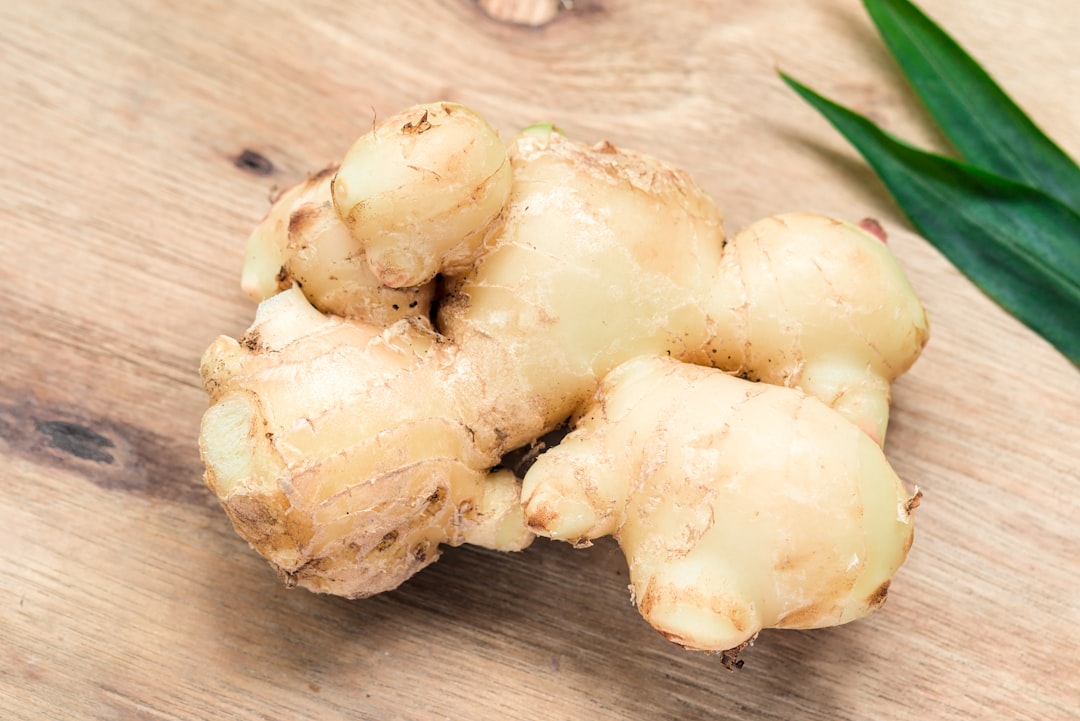
Ginger (scientific name: Zingiber officinale) is a flowering plant whose rhizome (underground stem) is widely used as a spice and a traditional medicine. Its origins trace back to Southeast Asia, and it has been cultivated for millennia, becoming a staple in various cuisines and healing practices globally. The plant itself is herbaceous, perennial, and grows up to a meter in height, with narrow leaves and yellow-green flowers. The part most commonly utilized, the ginger rhizome, has a gnarled, fibrous texture and a distinctive pungent, spicy, and slightly sweet aroma and flavor.
Historical Footprints of Ginger
The history of ginger is a testament to its enduring value. Its journey from ancient gardens to modern kitchens reflects its versatility and desirability.
Ancient Origins and Spread
Archaeological evidence suggests ginger was cultivated in South Asia for at least 5,000 years, with historical texts indicating its early use in both food and medicine in ancient India and China. From these initial hubs, its cultivation and trade expanded steadily.
Roman and Arab Trade Routes
Ginger found its way to the Roman Empire through intricate trade routes, particularly the Spice Route. Roman authors like Pliny the Elder documented its presence. Later, Arab traders played a crucial role in introducing ginger to Europe, where it became a highly sought-after commodity alongside other exotic spices. This demand fueled maritime exploration and commerce.
Medieval European Popularity
During the Middle Ages, ginger was a prized spice in Europe, used to enhance the flavor of a wide range of dishes, from savory meats to sweet confections. It was often expensive, a mark of status, and believed to possess medicinal properties, particularly for digestive ailments. Its presence in medieval cookbooks and apothecaries is well-documented.
If you’re interested in exploring more about modern parenting, you might find this article on fatherhood tips particularly helpful. It offers a comprehensive cheat sheet for navigating the challenges and joys of being a dad in today’s world. You can read it here: Fatherhood Tips: A Cheat Sheet for Modern Fatherhood.
Chemical Composition and Bioactive Compounds
The unique properties of ginger stem from its complex chemical makeup. A variety of compounds contribute to its flavor, aroma, and therapeutic effects.
Key Active Components
The primary active components in ginger are non-volatile phenolic compounds and volatile oils. These work synergistically to produce its characteristic profile.
Gingerols
Gingerols are the most abundant and well-studied phenolic compounds in fresh ginger. They are responsible for much of its pungency. Specifically, 6-gingerol, 8-gingerol, and 10-gingerol are the major analogues. These compounds degrade when heated or dried, transforming into other related substances.
Shogaols
When ginger is dried or cooked, gingerols undergo a dehydration reaction, converting into shogaols. Shogaols, particularly 6-shogaol, are typically more pungent than gingerols and are also present in smaller quantities in fresh ginger. This conversion explains why dried ginger can sometimes feel spicier than its fresh counterpart.
Zingerone
Zingerone is another pungent phenolic compound, but it is less prominent in fresh ginger. It forms when gingerols are subjected to heat, particularly during extended cooking. Zingerone contributes a slightly sweeter, less sharp pungency compared to gingerols and shogaols.
Volatile Oils
The distinctive aroma of ginger is primarily due to its volatile oils, which include compounds like zingiberene, beta-sesquiphellandrene, and ar-curcumene. These oils are typically more concentrated in fresh ginger and are sensitive to heat and light. They contribute to the herbaceous and citrusy notes in ginger’s fragrance.
Culinary Applications: A Spice for All Seasons
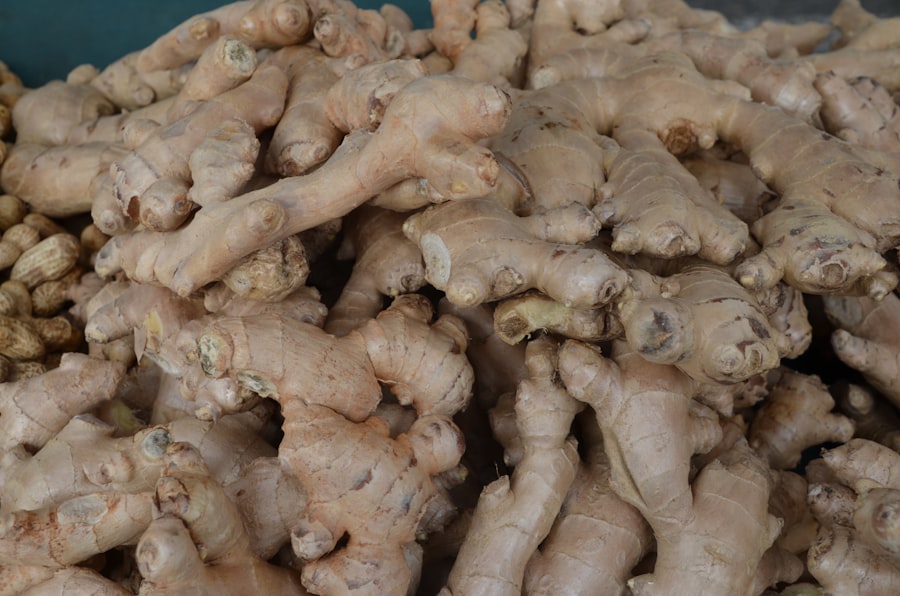
Ginger’s versatility in the kitchen is broad, bridging sweet and savory dishes across numerous culinary traditions. It imparts a warm, aromatic, and sometimes fiery kick.
Forms of Ginger for Cooking
Ginger is available in several forms, each offering slightly different characteristics suited for various culinary uses.
Fresh Ginger Root
This is the most common and versatile form. Fresh ginger has a bright, pungent, and slightly sweet flavor. It can be peeled and then grated, sliced, minced, or crushed, depending on the dish. Its juice can also be extracted for marinades or beverages.
Dried Ginger Powder
Dried ginger, often referred to as ground ginger, is made from dried rhizomes that have been pulverized. It has a more concentrated, spicier flavor than fresh ginger due to the higher proportion of shogaols. It is commonly used in baking, spice blends, and some savory dishes where a less watery form is desired. Think of it as a concentrated snapshot of ginger’s core heat.
Pickled Ginger (Gari)
Pickled ginger, known as gari in Japanese cuisine, consists of thinly sliced young ginger that has been marinated in vinegar, sugar, and salt. It has a crisp texture and a refreshing, tangy flavor, often served as a palate cleanser with sushi.
Candied Ginger
Candied or crystalized ginger is made by simmering ginger slices in sugar syrup until tender and then coating them in granular sugar. It offers a sweet, spicy, and chewy treat, often used in baking or enjoyed on its own.
Global Culinary Traditions
Ginger forms a cornerstone of numerous cuisines worldwide, showcasing its adaptability.
Asian Cuisine
In Asian cooking, ginger is ubiquitous. It is a fundamental ingredient in stir-fries, curries, soups, and marinades across Chinese, Indian, Thai, and Japanese cuisines. It often works in concert with garlic and onions to form the aromatic base of dishes. For example, in Indian cuisine, ginger is a crucial component of garam masala and is often pounded into a paste with garlic for foundational flavors.
Western Baking and Desserts
In Western traditions, ginger is a popular spice in baking, especially during colder months. Gingerbread, ginger snaps, ginger cake, and pumpkin pie are classic examples. Its warming properties complement sweet flavors beautifully.
Beverages and Confections
Ginger is a key ingredient in various beverages, notably ginger ale, ginger beer, and herbal teas. Its warming effects and distinct flavor make it a popular addition to hot and cold drinks. Furthermore, ginger is found in confections like ginger candy and chocolate.
Traditional and Modern Health Benefits
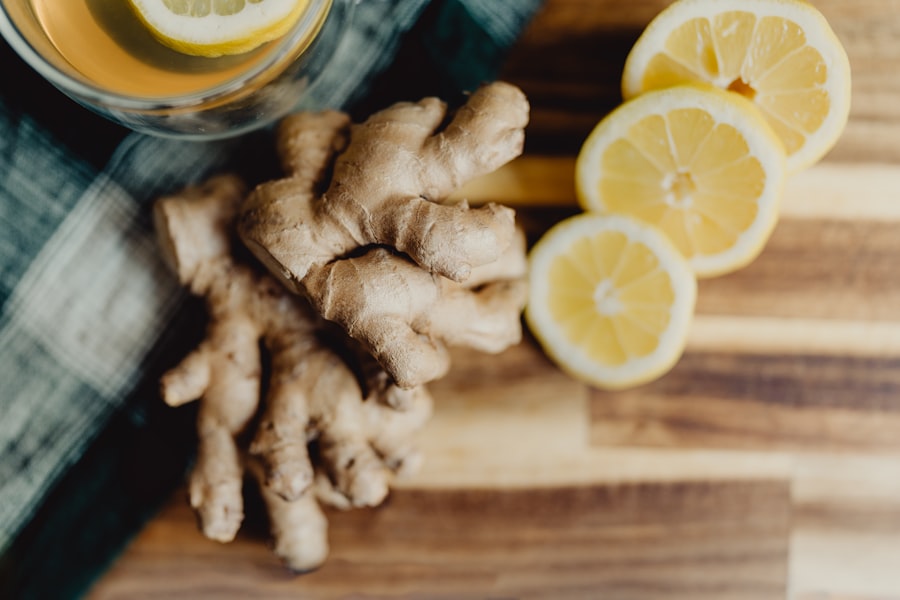
Beyond its culinary appeal, ginger has a long-standing reputation as a medicinal herb. Its therapeutic properties have been recognized by traditional medicine systems and are increasingly being explored by modern science.
Digestive Health Support
One of ginger’s most recognized applications is its ability to support digestive health. It acts as a gentle yet effective aid for various gastrointestinal discomforts.
Anti-Nausea and Anti-Emetic Effects
Ginger is widely used to alleviate nausea and vomiting. It is particularly effective for motion sickness, morning sickness during pregnancy, and chemotherapy-induced nausea. Its mechanism is thought to involve interactions with serotonin receptors in the gut and brain, reducing the signals that trigger the vomiting reflex. It calms the turbulent seas within your stomach.
Indigestion and Bloating Relief
Ginger can help stimulate digestive enzymes and promote gastric emptying, which can alleviate symptoms of indigestion such as bloating, fullness, and discomfort after eating. It helps soothe the digestive tract, like a gentle hand guiding food through.
Anti-Inflammatory and Antioxidant Properties
The bioactive compounds in ginger, particularly gingerols and shogaols, exhibit significant anti-inflammatory and antioxidant activities. These properties contribute to its potential systemic health benefits.
Reducing Muscle Pain and Soreness
Several studies suggest that ginger can help reduce exercise-induced muscle pain and soreness, likely due to its anti-inflammatory effects. While it may not provide immediate pain relief, regular consumption can mitigate the progression of muscle discomfort.
Management of Osteoarthritis Symptoms
Research indicates that ginger extracts may help alleviate pain and improve function in individuals with osteoarthritis, a degenerative joint disease. Its anti-inflammatory action can help reduce inflammation in the joints, offering a natural complement to conventional treatments.
Other Potential Health Benefits
Ongoing research continues to uncover a broader range of potential health benefits associated with ginger consumption.
Blood Sugar Regulation
Some studies suggest that ginger may help lower blood sugar levels and improve insulin sensitivity. This area of research is particularly relevant for individuals with type 2 diabetes, though more extensive human trials are needed to confirm these effects.
Cholesterol Reduction
Preliminary evidence indicates that ginger might have a positive impact on cholesterol levels, specifically by reducing LDL (“bad”) cholesterol and triglyceride levels. This potential benefit could contribute to cardiovascular health.
Immune System Support
Ginger is often consumed during cold and flu season due to its warming properties and perceived immune-boosting effects. While direct evidence of its ability to prevent viral infections is limited, its anti-inflammatory and antioxidant properties may support overall immune function, helping your body’s defenses stand their ground.
Ginger, known for its numerous health benefits, has been a topic of interest in various health and wellness discussions. For those looking to understand how different factors can influence health management, a related article explores the evolving landscape of risk management in 2020. This insightful piece highlights the importance of adapting strategies to mitigate health risks effectively. You can read more about it in this article.
Cultivation and Harvesting
Understanding how ginger grows can shed light on its characteristics and quality. It thrives in specific environmental conditions and requires careful harvesting.
Preferred Growing Conditions
Ginger is a tropical plant that flourishes in warm, humid climates. It requires a specific set of conditions to produce robust rhizomes.
Climate and Soil Requirements
Ginger prefers a warm, humid climate with average temperatures between 20-30°C (68-86°F). It is sensitive to frost and very cold temperatures. The plant requires well-drained, fertile loamy soil rich in organic matter. Waterlogging can lead to rhizome rot.
Planting and Growth Cycle
Ginger is typically propagated from small pieces of rhizome, each containing at least one “eye” or bud. These pieces are planted shallowly and grow into new plants. The growth cycle from planting to harvest usually takes 8-10 months, during which the rhizomes mature underground.
Harvesting and Post-Harvest Processing
The timing and method of harvest significantly impact the quality and flavor of the ginger.
Mature Ginger vs. Young Ginger
Young ginger, also known as “spring” ginger, is harvested after about 5-6 months. It has a thinner skin, is less fibrous, and has a milder, more delicate flavor. It is often used for pickling. Mature ginger is harvested after 8-10 months; it has a tougher skin, is more fibrous, and possesses a stronger, spicier flavor. This is the ginger most commonly found in supermarkets.
Drying and Curing
After harvesting, ginger rhizomes are typically washed and dried. For powdered ginger, the rhizomes are sliced, sun-dried or mechanically dried, and then ground. Curing involves allowing the intact rhizomes to dry slightly in the shade, which helps improve their storage life and develop flavor.
Potential Side Effects and Precautions
While ginger is generally considered safe for most people when consumed in moderate amounts, it is not without potential considerations.
Gastrointestinal Discomfort
Some individuals may experience mild gastrointestinal side effects, especially with high doses of ginger.
Heartburn and Stomach Upset
High doses of ginger, particularly raw ginger or ginger in supplement form, can cause heartburn, stomach upset, or diarrhea in sensitive individuals. This is often due to its pungent compounds irritating the digestive lining.
Drug Interactions
Ginger can interact with certain medications, which is an important consideration for individuals on chronic medication.
Anticoagulants and Antiplatelet Drugs
Ginger has mild anti-platelet effects, meaning it can thin the blood. Combining it with anticoagulant medications (blood thinners) such as warfarin, or antiplatelet drugs like aspirin, could potentially increase the risk of bleeding or bruising. It acts as an amplifier to these medications.
Blood Sugar Lowering Medications
Given ginger’s potential to lower blood sugar, individuals taking medications for diabetes should monitor their blood glucose levels closely if regularly consuming large amounts of ginger, as there is a theoretical risk of hypoglycemia (low blood sugar).
Pregnancy and Breastfeeding
Ginger is often recommended for morning sickness during pregnancy, but moderation is advised.
Recommended Doses for Pregnancy
Most studies indicate that ginger is safe for morning sickness in typical culinary amounts or in doses up to 1 gram per day for a short duration. However, pregnant women should consult their healthcare provider before taking ginger supplements, especially in higher doses.
Lack of Data for Breastfeeding
There is limited scientific data on the safety of high doses of ginger during breastfeeding. As a precautionary measure, breastfeeding mothers should exercise caution and discuss any concerns with a healthcare professional regarding ginger consumption beyond culinary quantities.
Conclusion
Ginger is a remarkable root that has transcended time and geography. From its ancient Asian origins to its global presence today, it has served as both a culinary cornerstone and a medicinal powerhouse. Its complex flavor profile, attributed to gingerols, shogaols, and volatile oils, allows it to seamlessly integrate into diverse cuisines worldwide. As a traditional medicine, ginger has earned its reputation for supporting digestive health, combating inflammation, and offering a spectrum of other potential benefits.
While generally safe and beneficial, a measured approach to its consumption is prudent, particularly for individuals on medication or specific health conditions. The journey of ginger from a humble rhizome to a celebrated spice and therapeutic agent underscores its intrinsic value, making it a constant in kitchens and apothecaries across cultures. Its continued use and exploration promise to enrich both our palates and our well-being for generations to come.