
 Thomas Kelly
18 January 2026
Thomas Kelly
18 January 2026
Potatoes, botanical name Solanum tuberosum, are starchy tubers from the nightshade family, Solanaceae. Originating in the Americas, they have become a fundamental component of global cuisine. This article explores the potato’s history, nutritional value, diverse culinary applications, and economic significance.
The potato’s journey from a wild Andean plant to a global foodstuff is one of botanical domestication and cultural diffusion. Its history is intertwined with agricultural innovation and societal development.
Domestication in the Andes
Archaeological evidence suggests potato domestication occurred independently in several locations across the Andean highlands, primarily in what is now Peru and Bolivia, as early as 8,000 to 5,000 BCE. Indigenous populations cultivated numerous varieties, adapting them to diverse climatic conditions. The Inca Empire, in particular, relied heavily on potatoes as a primary food source, developing sophisticated storage techniques like chuño, a freeze-dried potato product, to preserve harvests for extended periods.
Introduction to Europe
Spanish conquistadors encountered the potato in the 16th century following their conquest of the Inca Empire. Initially brought to Europe as a botanical curiosity rather than a food crop, its acceptance was slow. Misconceptions about its edibility and association with other poisonous nightshades hindered its widespread adoption. Early cultivation was often restricted to botanical gardens.
European Acceptance and Impact
The potato eventually gained acceptance, largely due to its high yield and ability to thrive in poor soils, offering a solution to endemic famine. Frederick the Great of Prussia, for example, actively promoted potato cultivation in the 18th century. Its adoption significantly impacted European demographics, providing a reliable and calorie-rich food source that contributed to population growth. The reliance on a limited number of potato varieties, however, led to vulnerabilities, most notably the Great Famine in Ireland (1845-1849), caused by a blight that decimated potato crops. This event underscores the delicate balance between food security and agricultural monoculture.
Global Diffusion
From Europe, the potato spread globally through colonization and trade. It was introduced to Asia, Africa, and North America, where it adapted to new environments and became integrated into local agricultural systems and culinary traditions. Today, it is cultivated worldwide, representing one of the most important staple crops.
If you’re interested in learning more about how to create a comfortable environment for growing potatoes, you might find this article on heating and cooling systems quite useful. Proper temperature control can significantly impact potato growth and yield. You can read more about it here: Heating and Cooling Systems.
Nutritional Profile
The potato offers a range of nutrients, contributing to its status as a significant food source. While often perceived as solely a carbohydrate, its composition includes vitamins, minerals, and dietary fiber, influenced by preparation methods.
Macronutrients
Potatoes are primarily composed of carbohydrates, predominantly starch, which provides energy. A medium-sized potato contains approximately 26 grams of carbohydrates. It also provides a modest amount of protein, around 3 grams, and negligible fat. The caloric content varies depending on variety and preparation.
Micronutrients
Potatoes are a good source of several vitamins and minerals. They are particularly rich in Vitamin C, an antioxidant important for immune function, especially when consumed with the skin. They also provide B vitamins, including Vitamin B6, which is involved in metabolism. Key minerals include potassium, an electrolyte crucial for blood pressure regulation, and smaller amounts of iron and magnesium.
Dietary Fiber
Potatoes, particularly when consumed with their skins, contribute dietary fiber. Fiber is essential for digestive health, promoting regularity and contributing to satiety. The type of fiber changes slightly depending on cooking, with some resistant starch forming after cooling, which can benefit gut health.
Considerations for Preparation
The nutritional value of potatoes can be significantly altered by cooking methods. Frying, for instance, adds considerable fat and calories. Boiling can cause some water-soluble vitamins to leach into the cooking water. Baking or steaming with the skin on generally preserves the most nutrients. Additives like butter, sour cream, and cheese, while enhancing flavor, also increase caloric and fat content.
Culinary Applications
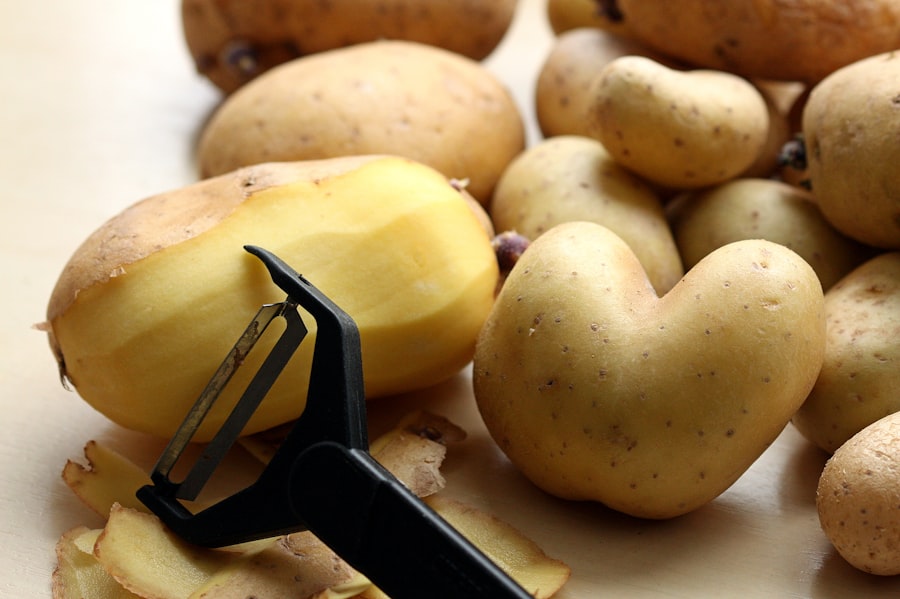
The potato’s mild flavor and adaptable texture render it a culinary blank canvas, capable of assuming numerous forms and incorporating into diverse cuisines. Its versatility is a key factor in its global prevalence.
Boiled and Steamed
Simple boiling or steaming transforms raw potatoes into a soft, palatable form. This basic preparation is a foundation for many dishes. Boiled potatoes are often mashed, producing a creamy side dish, or diced and added to salads. Steamed potatoes retain slightly more texture and sweetness. These methods highlight the potato’s natural flavor.
Roasted and Baked
Roasting potatoes, often with herbs and spices, creates a crispy exterior and a tender interior. This technique develops complex flavors through caramelization. Baking, particularly whole potatoes in their skins, results in a fluffy interior, ideal for stuffing with various fillings. These methods are common in European and North American cuisines.
Fried Preparations
Frying potatoes, whether as thin slices, wedges, or sticks, is a widely popular cooking method. French fries are a ubiquitous fast-food item globally. Potato chips, thinly sliced and deep-fried, are a popular snack. Hash browns and home fries are common breakfast dishes, showcasing the potato’s ability to brown and crisp. These preparations, while popular, significantly increase the fat content.
Mashed and Pureed
Mashed potatoes involve boiling and then mashing potatoes, typically with butter, milk, or cream, to achieve a smooth, yielding texture. This is a staple accompaniment to many meals. Pureed potato can be used to thicken soups and stews or as a base for dishes like gnocchi, a traditional Italian pasta. The ability of potatoes to absorb liquids and blend seamlessly makes them suitable for these applications.
Soups and Stews
Potatoes act as both a thickening agent and a primary ingredient in numerous soups and stews. Their starch content adds body, while their ability to absorb flavors allows them to complement other ingredients. Examples include potato leek soup, Irish stew, and various chowders, where potatoes contribute substance and satiation.
Global Culinary Reach
Beyond common preparations, potatoes are integral to specific ethnic cuisines. In Indian cuisine, aloo gobi (potato and cauliflower) and samosas feature potatoes prominently. Latin American dishes like papas a la huancaína (potatoes with cheese sauce) and causa rellena (layered potato salad) showcase the potato’s diverse uses. In Eastern Europe, potato pancakes (latkes or deruny) are a traditional dish. This demonstrates the potato’s adaptability across cultural palates.
Economic Significance

The potato’s role transcends sustenance, becoming a commodity with significant economic implications for agriculture, trade, and even geopolitical stability. Its cultivation provides livelihoods for millions worldwide.
Global Production and Trade
Potatoes are one of the most widely cultivated crops globally, ranking among the top four in terms of tonnage produced, alongside maize, rice, and wheat. China is the world’s leading producer, followed by India, Russia, and Ukraine. The global potato trade involves both fresh potatoes and processed products, contributing substantially to agricultural economies. This trade network facilitates food distribution and economic exchange between nations.
Livelihood for Farmers
For smallholder farmers in many developing countries, potato cultivation is a primary source of income. Its relatively high yield per unit of land and adaptability to diverse conditions make it a viable crop. Improvements in potato varieties and cultivation techniques can directly impact farmers’ economic well-being and contribute to rural development.
Industrial Processing
The potato processing industry is a substantial economic sector. This includes the production of frozen potato products (fries, hash browns), potato chips, potato flour, starch, and even alcoholic beverages like vodka. These value-added products increase economic activity beyond raw agricultural sales, creating jobs in processing, packaging, and distribution.
Price Volatility and Food Security
Like other agricultural commodities, potato prices can be subject to volatility due to weather events, disease outbreaks, or shifts in supply and demand. Such fluctuations can impact farmer incomes and consumer food prices, with implications for food security, particularly in regions heavily reliant on potatoes as a staple. The stability of potato markets is therefore a matter of economic and social concern.
Potatoes are a versatile ingredient that can be prepared in countless ways, making them a staple in many cuisines around the world. Whether mashed, baked, or fried, they offer a comforting and satisfying addition to any meal. If you’re interested in enhancing your culinary skills, you might find it helpful to explore techniques that can improve your overall presentation, much like the art of public speaking. For insights on this topic, check out this informative article on improving public speaking skills, which can help you communicate your culinary creations with confidence.
Varieties and Cultivars
The genetic diversity of Solanum tuberosum is vast, with thousands of cultivated varieties (cultivars) existing globally. These varieties exhibit differences in size, shape, skin color, flesh color, texture, and starch content, making them suitable for specific culinary applications.
Categorization by Texture
Potatoes are often broadly categorized by their texture after cooking, which is largely influenced by their starch content.
Starchy Potatoes
Starchy potatoes, such as Russet Burbanks, generally have a floury texture when cooked. They break down easily and are ideal for baking, mashing, and frying, as their high starch content results in a fluffy interior and crispy exterior. They tend to absorb more liquid.
Waxy Potatoes
Waxy potatoes, including Red Bliss and new potatoes, have a lower starch content and higher moisture content. They retain their shape well after cooking, making them suitable for boiling, roasting, and use in salads or gratins where a firm texture is desired. Their skin is often thinner.
All-Purpose Potatoes
All-purpose potatoes, like Yukon Golds, fall between starchy and waxy varieties. They offer a balance of texture and can be used for a wide range of cooking methods, from boiling and roasting to mashing. They tend to have a slightly creamy texture.
Skin and Flesh Color
Potato varieties come in a spectrum of skin colors, including brown, yellow, red, purple, and even blue. Flesh colors can also vary, from white and yellow to purple. These color variations are often linked to different anthocyanin pigments, which can also contribute to antioxidant properties. The visual appeal of different colored potatoes has become a factor in gourmet cooking.
Specialized Varieties
Beyond general categories, there are numerous specialized potato varieties bred for specific characteristics. Fingerling potatoes, for example, are small, elongated, and often waxy, favored for roasting. Sweet potatoes, while not botanically true potatoes (they belong to the morning glory family), are often discussed in the same culinary context due to their similar root tuber characteristic and widespread consumption. True potato varieties include heirloom cultivars which often exhibit unique flavors and textures.
Importance of Variety Selection
Understanding the characteristics of different potato varieties allows for optimal culinary results. Using a starchy potato for a potato salad, for instance, might result in a mushy texture, whereas a waxy potato would hold its shape better. Conversely, a waxy potato might not produce the fluffy mashed potatoes desired. The choice of potato is therefore a deliberate decision in the kitchen.
Potatoes, through their enduring history, nutritional contributions, boundless culinary forms, and economic leverage, stand as a testament to the power of a single plant to shape human civilization. They are not merely a food item; they are a bedrock of global agriculture and a versatile ingredient that continues to adapt and satisfy palates across every culture.