
 Thomas Kelly
23 January 2026
Thomas Kelly
23 January 2026
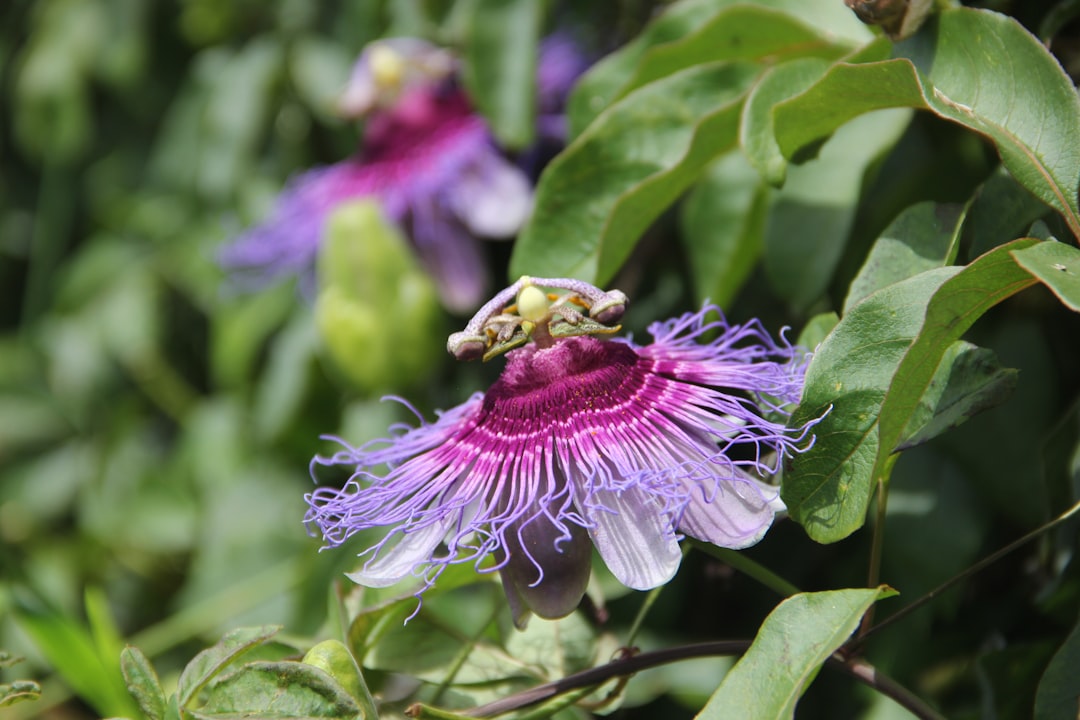
Passiflora edulis, commonly known as passion fruit, is a vine species of passion flower native to Brazil, Paraguay, and northern Argentina. It is cultivated commercially in tropical and subtropical regions for its sweet, seedy fruit. The fruit is a botanical berry, round to oval, either yellow or dark purple at maturity, with a soft to firm, juicy interior filled with numerous seeds. The taste is a characteristic blend of sweet and tart, possessing a strong, aromatic fragrance.
If you’re interested in the journey of home ownership in Australia, you might find this article on becoming an Australian home owner particularly insightful. It covers essential steps and tips for navigating the property market, which can be quite beneficial for first-time buyers. For more information, you can read the article here: Becoming an Australian Home Owner.
Cultivation and Varieties
Passion fruit vines are vigorous climbers requiring substantial support. They thrive in warm, humid climates with well-drained soil. Optimal growth occurs when minimum temperatures remain above 20°C (68°F).
Climate and Soil Requirements
- Temperature: Passion fruit prefers frost-free environments. Extended periods below 10°C (50°F) can cause damage or inhibit growth.
- Rainfall: Regular and adequate rainfall is crucial for fruit development. Irrigation may be necessary in drier periods.
- Soil: Loamy soils with good drainage are ideal. A pH range of 6.0 to 7.5 is generally preferred. Poor drainage can lead to root rot.
Common Cultivars
Several cultivars have been developed, each with distinct characteristics regarding fruit size, color, flavor profile, and disease resistance.
- **Purple Passion Fruit (Passiflora edulis Sims):** This is the most common variety. The fruit is typically smaller, 4–7 cm in diameter, with a deep purple rind. It is generally considered to have a richer, more aromatic flavor with a higher acidity than the yellow variety.
- **Yellow Passion Fruit (Passiflora edulis forma flavicarpa):** Larger than the purple variety, often 6–12 cm in diameter, with a bright yellow or pale orange rind. It is more vigorous and productive, particularly in tropical lowlands, and is often preferred for juice extraction due to its larger size and slightly milder flavor.
- **Giant Granadilla (Passiflora quadrangularis):** While not strictly a passion fruit in the same sense as P. edulis, this related species produces a much larger fruit, sometimes reaching the size of a melon. Its pulp is often milder and can be consumed fresh or used in desserts.
- **Sweet Granadilla (Passiflora ligularis):** Characterized by an orange-yellow rind and a more oval shape. The pulp is often described as having a delicate, less acidic flavor.
Propagation and Pruning
Passion fruit is typically propagated from seeds or cuttings. Cuttings offer the advantage of ensuring clonal reproduction of desirable traits. Pruning is essential for maintaining vine health, vigor, and fruit production. It involves removing old, unproductive wood and training new growth along support structures.
Nutritional Profile and Health Benefits

Passion fruit is a nutrient-dense food, offering a range of vitamins, minerals, and dietary fiber. Its consumption can contribute to overall health and well-being.
Key Nutrients
- Vitamin C: A potent antioxidant crucial for immune function and collagen synthesis. A single passion fruit can provide a significant portion of the recommended daily intake.
- Vitamin A (as beta-carotene): Important for vision, immune function, and skin health. The vibrant orange color of the pulp is indicative of its beta-carotene content.
- Dietary Fiber: Both soluble and insoluble fiber are present. Fiber aids in digestion, contributes to satiety, and can help regulate blood sugar levels. The numerous seeds are a notable source of insoluble fiber.
- Potassium: An essential mineral involved in maintaining fluid balance, nerve signals, and muscle contractions.
- Iron: Necessary for oxygen transport in the blood and various cellular processes.
- Magnesium: Plays a role in over 300 enzymatic reactions in the body, including muscle and nerve function, blood glucose control, and blood pressure regulation.
Potential Health Advantages
The concentrated nutritional profile of passion fruit translates into several potential health benefits.
- Antioxidant Properties: The presence of vitamins A and C, along with various phenolic compounds, provides strong antioxidant activity. These compounds help to neutralize free radicals, which can contribute to cellular damage and chronic diseases.
- Digestive Health: High fiber content promotes regular bowel movements and can help prevent constipation. Soluble fiber can also act as a prebiotic, supporting beneficial gut bacteria.
- Immune System Support: The significant vitamin C content is directly linked to a robust immune system, enhancing the body’s ability to fight off infections.
- Eye Health: Beta-carotene, a precursor to vitamin A, is vital for maintaining good vision and can contribute to protecting against age-related macular degeneration.
- Blood Sugar Regulation: The fiber in passion fruit can help slow down the absorption of sugars into the bloodstream, potentially benefiting individuals managing blood sugar levels.
- Heart Health: Potassium contributes to blood pressure regulation, while fiber can help reduce cholesterol levels, both factors in cardiovascular health.
Culinary Applications
The distinctive flavor of passion fruit makes it a versatile ingredient in various culinary contexts, from beverages to desserts.
Fresh Consumption
For many, the simplest way to enjoy passion fruit is by scooping out the pulp directly from a halved fruit. The combination of sweet, tart, and aromatic notes offers a refreshing experience.
Beverages
Passion fruit is a popular choice for flavoring drinks due to its intense aroma and tangy profile.
- Juices and Smoothies: The pulp can be blended with water, other fruit juices, or yogurt to create vibrant and flavorful beverages. Straining the seeds is optional, depending on preference.
- Cocktails and Mocktails: The juice or pulp is a common ingredient in tropical-inspired drinks, lending a unique zest. It pairs well with spirits like rum, vodka, and gin, as well as non-alcoholic components.
- Infusions: Passion fruit can be used to infuse teas, water, or even vinegars, imparting its characteristic flavor.
Desserts
The sweet and tangy essence of passion fruit elevates a wide array of desserts.
- Mousses and Tarts: Its concentrated flavor provides a counterbalance to rich dairy or pastry bases. Passion fruit curd, similar to lemon curd, is a popular filling for tarts.
- Ice Cream and Sorbets: The intense flavor holds up well to freezing, creating refreshing frozen treats. Sorbets, in particular, highlight the fruit’s natural tang.
- Cheesecakes and Panna Cottas: A passion fruit coulis or glaze can provide a vibrant topping and a burst of flavor to these creamy desserts.
- Baked Goods: While less common than in no-bake desserts, passion fruit can be incorporated into glazes for cakes, or its essence can be part of certain cake batters, though its delicate flavor may diminish with prolonged baking.
Savory Dishes
While primarily used in sweet applications, passion fruit can lend an interesting counterpoint to certain savory dishes, particularly in cuisines that embrace sweet and sour profiles.
- Marinades and Dressings: The acidity of passion fruit can tenderize meats and add complexity to salad dressings, particularly those served with seafood or poultry.
- Sauces for Seafood or Poultry: A light passion fruit reduction or sauce can brighten and cut through the richness of grilled fish or roast chicken. Its tropical notes complement these dishes without overpowering them.
- Salsas: When combined with other fruits, herbs, and mild chilies, passion fruit can form a vibrant salsa to accompany grilled proteins.
Passionfruit is not only a delicious tropical fruit but also a great source of nutrients and health benefits. If you’re interested in enhancing your family’s well-being, you might want to explore how to keep your home safe while enjoying such nutritious foods. For tips on safeguarding your home and loved ones, check out this informative article on home security services. By ensuring a secure environment, you can focus on enjoying the vibrant flavors and health benefits that passionfruit brings to your diet.
Selection and Storage
To fully appreciate passion fruit, understanding how to select ripe fruit and store it properly is essential.
Identifying Ripeness
The outward appearance of a passion fruit is a key indicator of its ripeness.
- Color: For purple varieties, a deep, uniform purple color indicates ripeness. Yellow varieties should be bright yellow. Avoid fruit with green patches, as this suggests immaturity.
- Skin Texture: A ripe passion fruit, particularly the purple variety, will often have a slightly wrinkled or dimpled skin. This texture is a sign that the pulp inside is fully developed and juicy. Smooth skin often indicates a fruit that needs more time to ripen.
- Weight: A ripe fruit will feel heavy for its size, indicating a good amount of pulp inside.
- Aroma: A ripe passion fruit will emit a distinct, sweet, and fragrant aroma when held close to the nose. Lack of aroma suggests immaturity.
Storage Guidelines
Proper storage helps to maintain the fruit’s quality and extend its shelf life.
- Room Temperature: Unripe passion fruit can be left at room temperature for several days until it wrinkles and develops its characteristic aroma.
- Refrigeration: Ripe passion fruit can be stored in the refrigerator for up to a week. Place them in a breathable bag or in the crisper drawer to prevent dehydration.
- Freezing : For longer storage, the pulp and seeds can be scooped out and frozen in airtight containers or ice cube trays. Frozen pulp retains its flavor and can be used in smoothies, juices, or desserts at a later date. This is an efficient way to preserve a bountiful harvest.
Passionfruit is a vibrant and versatile fruit that can enhance a variety of dishes, from smoothies to desserts. If you’re looking to explore more about how to create an engaging online presence for your culinary creations, you might find this article on building a fantastic business website particularly helpful. It offers valuable insights into establishing a strong digital footprint, which is essential for any food-related venture. For more information, check out the article here.
Cultural Significance and Etymology
Beyond its culinary appeal, passion fruit holds cultural significance in various regions and its name carries a historical narrative.
Naming Origin
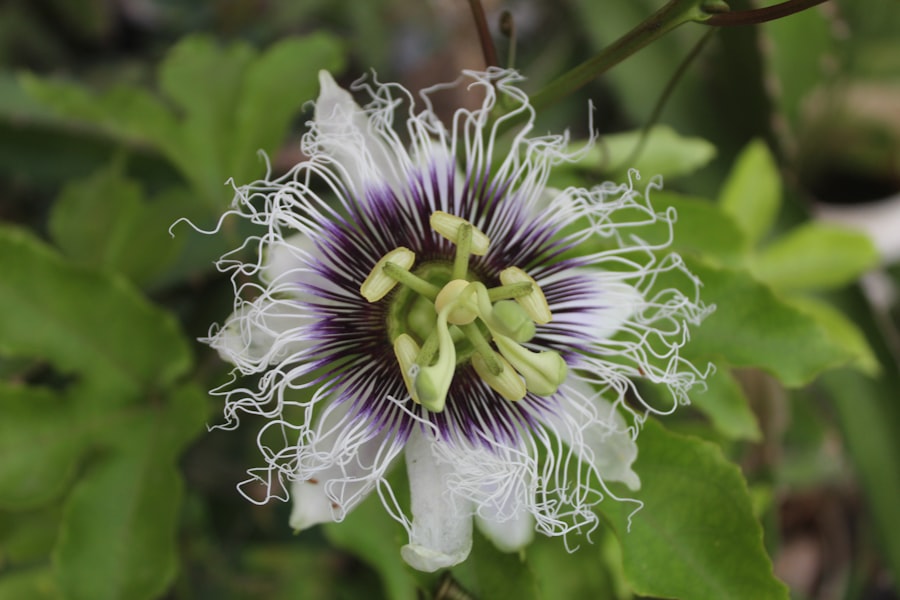
The name “passion fruit” was bestowed by Spanish missionaries in the 16th century in Brazil. They observed the flower’s unique morphology and interpreted its various parts as symbolic representations of the Passion of Christ:
- Three stigmas: Representing the three nails used to crucify Christ.
- Five anthers: Symbolizing the five wounds of Christ.
- Corona filaments: Interpreted as the crown of thorns.
- Ten petals and sepals (undifferentiated): Corresponding to the ten loyal apostles (excluding Peter and Judas).
- Tendrils: Resembling whips used in the flagellation.
This interpretation gave the fruit its enduring name, linking it historically to religious symbolism, a fascinating etymological journey for such a tropical delicacy.
Global Presence
While originating in South America, passion fruit has become deeply embedded in the culinary and agricultural landscapes of many other countries.
- Australia and New Zealand: Passion fruit is a common backyard fruit and is extensively used in desserts, particularly pavlova.
- Hawaii: Known as ‘lilikoi’, it is a staple in local cuisine, appearing in everything from lilikoi butter to desserts and dressings.
- India: Cultivated in southern states, it is consumed fresh and used in juices.
- Southeast Asia: Increasingly popular in countries like Vietnam, Thailand, and the Philippines, where it is used in refreshing beverages and desserts.
- Africa: Countries like Kenya, Uganda, and South Africa are significant producers, with the fruit consumed locally and exported.
The fruit’s adaptability to tropical and subtropical climates, combined with its distinct flavor, has led to this global embrace, solidifying its status as a cosmopolitan fruit that has successfully journeyed across continents.
This detailed exploration should equip you with a comprehensive understanding of passion fruit, from its botanical underpinnings to its diverse applications and cultural resonance. Enjoy its sweet and tangy goodness responsibly.