
 Thomas Kelly
25 January 2026
Thomas Kelly
25 January 2026
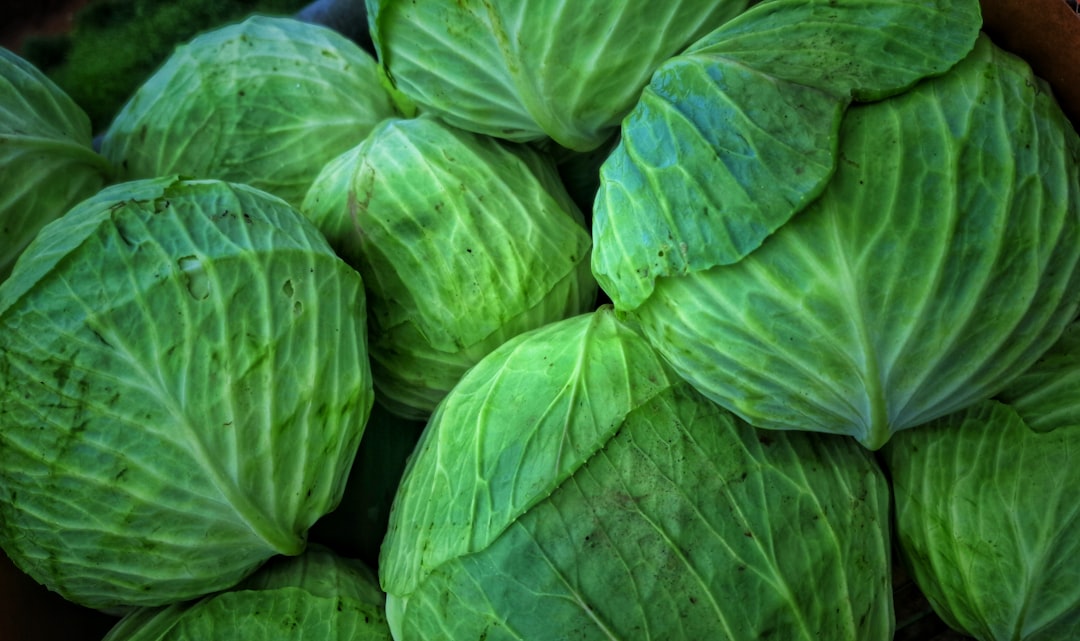
Cabbage (scientific name: Brassica oleracea var. capitata) is a common, leafy green, red, or white cruciferous vegetable often overlooked in discussions of health-promoting foods. While ubiquitous in many cuisines, its nutritional density and potential therapeutic applications are frequently underestimated. This article aims to explore the various health benefits associated with regular cabbage consumption, drawing upon scientific literature to elucidate its physiological impacts.
Cabbage is a low-calorie, nutrient-dense food, making it an excellent addition to a balanced diet. Its composition reflects a rich array of vitamins, minerals, and phytonutrients, the latter of which contribute significantly to its purported health effects.
Macronutrients
- Low in Calories: A typical serving of cabbage contains very few calories, primarily due to its high water content. This makes it a valuable food for weight management and satiety.
- Dietary Fiber: Cabbage is an abundant source of dietary fiber, both soluble and insoluble. This fiber plays a crucial role in digestive health, contributing to regular bowel movements and supporting a healthy gut microbiome.
- Carbohydrates: The carbohydrate content in cabbage is moderate, with a significant portion consisting of dietary fiber.
- Protein and Fat: Cabbage is relatively low in protein and virtually fat-free, further contributing to its low-calorie profile.
Micronutrients
Cabbage is a powerhouse of essential vitamins and minerals.
- Vitamin C: Cabbage is an excellent source of vitamin C, a powerful antioxidant vital for immune function, collagen synthesis, and protecting cells from oxidative damage.
- Vitamin K: Particularly in its green and red varieties, cabbage provides substantial amounts of vitamin K, which is essential for blood clotting and bone health.
- Folate (Vitamin B9): This B vitamin is critical for cell division and DNA synthesis, making it important during periods of rapid growth and for red blood cell formation.
- Other B Vitamins: Cabbage contains smaller amounts of other B vitamins, including B6, which are involved in various metabolic processes.
- Potassium: An electrolyte important for maintaining fluid balance, nerve function, and muscle contractions.
- Manganese: A trace mineral involved in antioxidant defense, bone development, and metabolism.
- Calcium: Though not as concentrated as in dairy products, cabbage does contribute some calcium, necessary for strong bones and teeth.
Phytonutrients
Beyond its basic nutritional components, cabbage is rich in an array of phytonutrients, non-nutritive plant compounds that offer various health benefits.
- Glucosinolates: These sulfur-containing compounds are characteristic of cruciferous vegetables. When cabbage is chopped or chewed, glucosinolates are hydrolyzed into biologically active compounds such as isothiocyanates (e.g., sulforaphane, indole-3-carbinol) and indoles. These compounds are a major focus of research into cabbage’s anti-cancer properties.
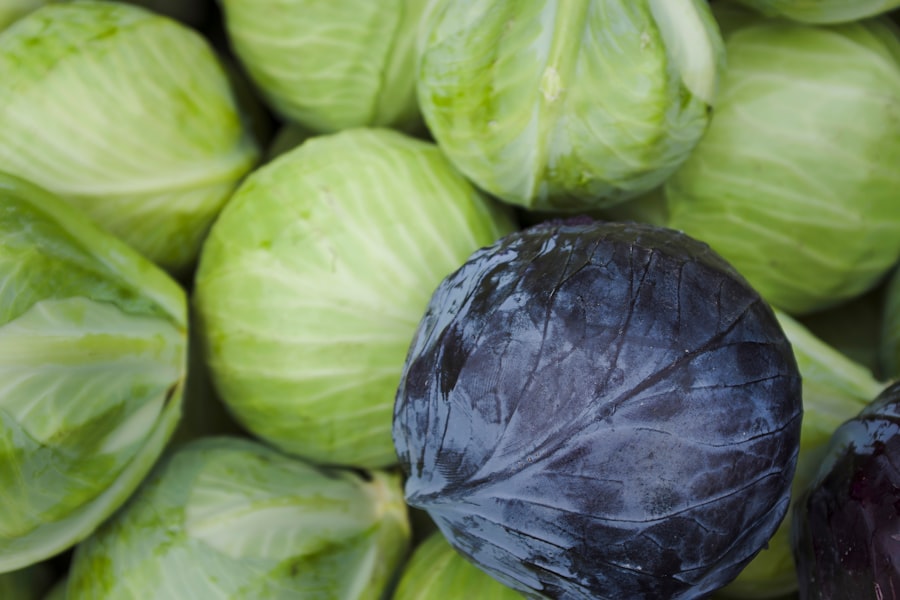
- Anthocyanins: Red cabbage, in particular, owes its vibrant color to anthocyanins, powerful antioxidants that belong to the flavonoid class. These compounds have been studied for their potential to reduce the risk of chronic diseases.
- Flavonoids: In addition to anthocyanins, cabbage contains other flavonoids like quercetin and kaempferol, which also exhibit strong antioxidant and anti-inflammatory properties.
- Carotenoids: Yellow and green varieties of cabbage contain carotenoids such as beta-carotene and lutein, which are important for vision and act as antioxidants.
Understanding this comprehensive nutritional profile is fundamental to appreciating the subsequent health benefits discussed in this article.
Cabbage is a versatile vegetable that can be used in a variety of dishes, making it a staple in many kitchens. If you’re interested in enhancing your outdoor dining experience, you might want to explore how outdoor blinds can transform your space. For more information on this topic, check out the article on investing in outdoor blinds at this link.
Anti-Inflammatory Properties
Chronic inflammation is a root cause of numerous chronic diseases, including heart disease, diabetes, and certain cancers. Cabbage contains several compounds that collectively contribute to its anti-inflammatory effects.
Anthocyanins and Quercetin
The anthocyanins in red cabbage, responsible for its distinctive hue, possess potent anti-inflammatory capabilities. These flavonoids can modulate inflammatory pathways, reducing the production of pro-inflammatory cytokines and enzymes. Similarly, quercetin, found in various cabbage varieties, has been shown to inhibit histamine release and suppress inflammatory markers.
Sulforaphane and Indole-3-Carbinol
Derived from glucosinolates, sulforaphane and indole-3-carbinol are key players in cabbage’s anti-inflammatory arsenal. They act by influencing gene expression, turning down the “volume” on genes that promote inflammation and upregulating those involved in detoxification. This intricate molecular dance can help mitigate systemic inflammation.
Digestive Health Enhancement
The role of cabbage in promoting digestive well-being is multifaceted, primarily owing to its fiber content and specific sulfur compounds.
Fiber Content
The high dietary fiber content in cabbage acts like a broom for the digestive system. Both soluble and insoluble fibers work in concert. Insoluble fiber adds bulk to stool, facilitating regular bowel movements and preventing constipation. Think of it as a natural scrub brush for your intestines, helping to keep things moving. Soluble fiber, on the other hand, forms a gel-like substance in the digestive tract, which can help regulate blood sugar levels and feed beneficial gut bacteria.
Gut Microbiome Support
Cabbage is a source of prebiotics, particularly certain non-digestible carbohydrates. These prebiotics serve as sustenance for beneficial bacteria residing in the gut, fostering a diverse and robust gut microbiome. A healthy microbiome is intricately linked to enhanced nutrient absorption, immune system function, and even mood regulation. Regular consumption essentially provides fuel for your internal garden of beneficial microbes.
Ulcer Healing Potential
Historically, raw cabbage juice has been anecdotally and, to some extent, scientifically explored for its potential to aid in the healing of stomach ulcers. While more robust clinical trials are needed, preliminary research suggests that compounds in cabbage, including S-methylmethionine (often referred to as ‘vitamin U’), may contribute to the protection of the stomach lining and potentially assist in ulcer recovery. It acts like a protective balm, helping to soothe and repair damaged mucosal tissue.
Cardiovascular Health Support
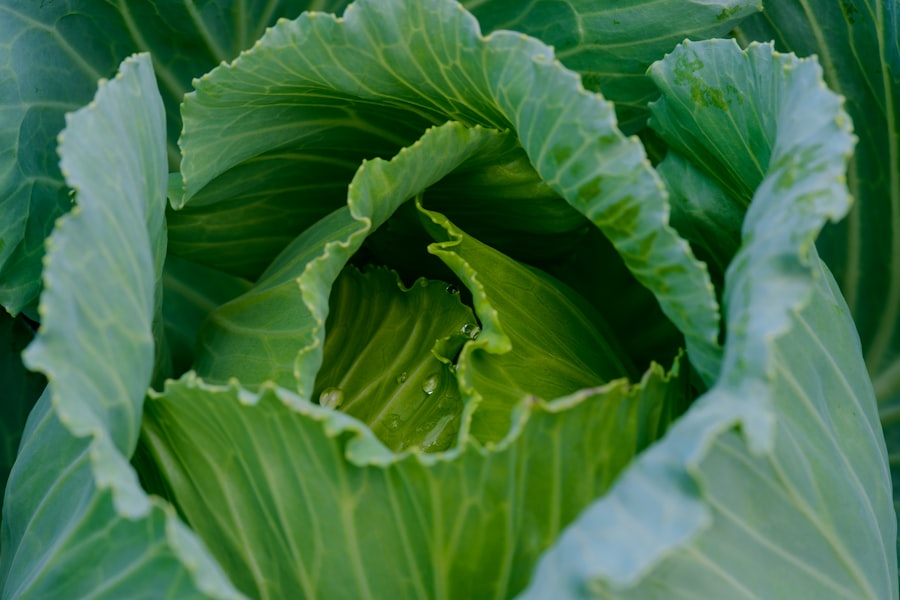
Cabbage contributes to cardiovascular health through several mechanisms, primarily related to its antioxidant, anti-inflammatory, and specific nutrient profiles.
Cholesterol Management
The soluble fiber in cabbage plays a role in cholesterol regulation. It binds with bile acids in the digestive tract, prompting the liver to draw more cholesterol from the bloodstream to produce new bile acids. This process can lead to a reduction in LDL (“bad”) cholesterol levels. Consider the soluble fiber as a small net, capturing cholesterol-carrying bile acids before they can re-enter circulation.
Blood Pressure Regulation
Potassium, an electrolyte abundant in cabbage, is crucial for maintaining healthy blood pressure. It counters the effects of sodium, helping to relax blood vessel walls and reduce overall blood pressure. This contributes to better heart health and a decreased risk of stroke.
Antioxidant Protection
The array of antioxidants in cabbage, including vitamin C, anthocyanins, and other flavonoids, protects the cardiovascular system from oxidative stress. Oxidative damage to blood vessels can lead to atherosclerosis, the hardening and narrowing of arteries. These antioxidants act as guardians, neutralizing harmful free radicals and preserving the integrity of blood vessels.
Cabbage is not only a versatile vegetable but also a great addition to a balanced diet, especially for those looking to enhance their fitness journey. For those interested in how nutrition plays a crucial role in fitness, you might find this article on protein supplements particularly insightful. It explores various ways to incorporate essential nutrients into your regimen, complementing the benefits that cabbage and other vegetables provide.
Potential Anti-Cancer Properties
Perhaps one of the most extensively researched areas regarding cabbage and other cruciferous vegetables is their potential role in cancer prevention. This is largely attributed to the breakdown products of glucosinolates.
Isothiocyanates and Indoles
When cabbage is chewed or chopped, the enzyme myrosinase converts glucosinolates into active compounds like isothiocyanates (e.g., sulforaphane) and indoles (e.g., indole-3-carbinol, or I3C). These compounds are metabolic disruptors for cancer cells.
- Detoxification Enzymes: They activate detoxification enzymes in the liver, which help neutralize and eliminate carcinogens before they can damage DNA. This is like a factory’s sophisticated waste disposal system, efficiently processing and removing harmful substances.
- Apoptosis Induction: Certain isothiocyanates can induce apoptosis, or programmed cell death, in cancer cells without harming healthy cells. This means they can trigger cancerous cells to self-destruct.
- Cell Cycle Arrest: They can also halt the progression of the cell cycle in cancer cells, preventing them from multiplying uncontrollably. This is akin to putting a brake on a runaway train, halting its destructive journey.
- Angiogenesis Inhibition: Some research suggests these compounds may inhibit angiogenesis, the formation of new blood vessels that tumors need to grow and spread. By cutting off the supply lines, they essentially starve the tumor.
Specific Cancer Types
Studies have explored the association between cruciferous vegetable intake and reduced risk of various cancers, including:
- Colorectal Cancer: Fiber and specific phytonutrients may contribute to protective effects in the colon.
- Lung Cancer: Research indicates potential benefits, particularly in smokers, by enhancing detoxification.
- Breast Cancer: Indole-3-carbinol, in particular, has been investigated for its role in estrogen metabolism, potentially influencing hormone-sensitive cancers.
- Prostate Cancer: Compounds like sulforaphane show promise in preclinical studies.
While compelling, it is crucial to remember that this research is ongoing, and cabbage should be viewed as part of a comprehensive, healthy lifestyle rather than a standalone cancer cure.
Cabbage is a versatile vegetable that can be grown in various climates, making it a popular choice for home gardeners. If you’re interested in expanding your gardening skills, you might also want to explore how to cultivate other plants indoors. For instance, you can learn about the best practices for growing bamboo indoors in this informative article. By understanding the needs of different plants, you can create a thriving indoor garden that complements your cabbage cultivation. Check out the article here for more tips on indoor gardening.
Bone Health Benefits
Beyond obvious sources like dairy, cabbage offers contributions to bone health, primarily through its vitamin K content.
Vitamin K and Bone Mineralization
Cabbage, especially green cabbage, is an excellent source of vitamin K1 (phylloquinone). Vitamin K is essential for the activation of certain proteins involved in bone mineralization, most notably osteocalcin. Osteocalcin helps bind calcium to the bone matrix, thereby strengthening bones and reducing the risk of fractures. Think of vitamin K as the glue that helps calcium adhere properly to your bone structure. Adequate vitamin K intake is therefore critical for maintaining bone density and integrity throughout life.
Other Minerals
While less concentrated than some other foods, cabbage also provides small amounts of calcium and manganese, both of which are important for bone structure and metabolism. The cumulative effect of these nutrients, when consumed as part of a balanced diet, contributes to overall skeletal resilience.
Incorporating Cabbage into Your Diet
Given its diverse health benefits, integrating cabbage into your regular diet is a practical step towards improved well-being. Its versatility allows for numerous culinary applications.
Raw Cabbage
- Salads: Shredded cabbage adds a crisp texture and nutritional boost to any salad.
- Slaws: Cabbage is the star of coleslaw, offering a refreshing and crunchy side dish.
- Wraps and Tacos: Use whole cabbage leaves as a low-carb alternative to tortillas or bread.
Cooked Cabbage
- Stir-fries: Cabbage quickly softens and absorbs flavors in stir-fries.
- Soups and Stews: It adds bulk, nutrients, and a subtle sweetness to hearty dishes.
- Sautéed or Roasted: Simple cooking methods can bring out its natural flavors.
- Fermented Cabbage (Sauerkraut and Kimchi): Fermentation not only enhances flavor but also promotes the growth of beneficial probiotics, further boosting gut health. However, be mindful of sodium content in commercially prepared fermented products.
Varieties of Cabbage
- Green Cabbage: The most common variety, firm and mild.
- Red Cabbage: Rich in anthocyanins, offering a slightly peppery flavor.
- Savoy Cabbage: Looser leaves, often more tender and slightly sweeter than green cabbage.
- Napa Cabbage: Milder and often used in Asian cuisines.
Considerations
- Cooking Methods: While some nutritional degradation can occur with high heat, many beneficial compounds in cabbage, especially glucosinolates, remain stable or are even enhanced by light cooking. Steaming or sautéing for short periods is ideal.
- Preparation: Chopping or chewing raw cabbage activates the myrosinase enzyme, which is crucial for converting glucosinolates into their active forms.
- Thyroid Function: For individuals with pre-existing thyroid conditions, particularly those with iodine deficiency, consumption of very large quantities of raw cruciferous vegetables might theoretically interfere with iodine uptake. However, for most individuals consuming a balanced diet, this is not a concern, and cooking largely mitigates this potential effect.
Conclusion
Cabbage, a humble vegetable often relegated to the background, emerges as a nutritional powerhouse with a broad spectrum of health benefits. From supporting digestive health and bolstering the immune system to offering powerful anti-inflammatory and potential anti-cancer properties, its contributions are substantial. By understanding its rich nutritional profile, you can appreciate its role as a key player in promoting overall well-being. Incorporating this versatile vegetable into your diet through various culinary preparations is a straightforward and effective strategy for enhancing your health. Consider cabbage not merely as a side dish, but as a vital component of a health-conscious lifestyle.