
 Thomas Kelly
28 January 2026
Thomas Kelly
28 January 2026
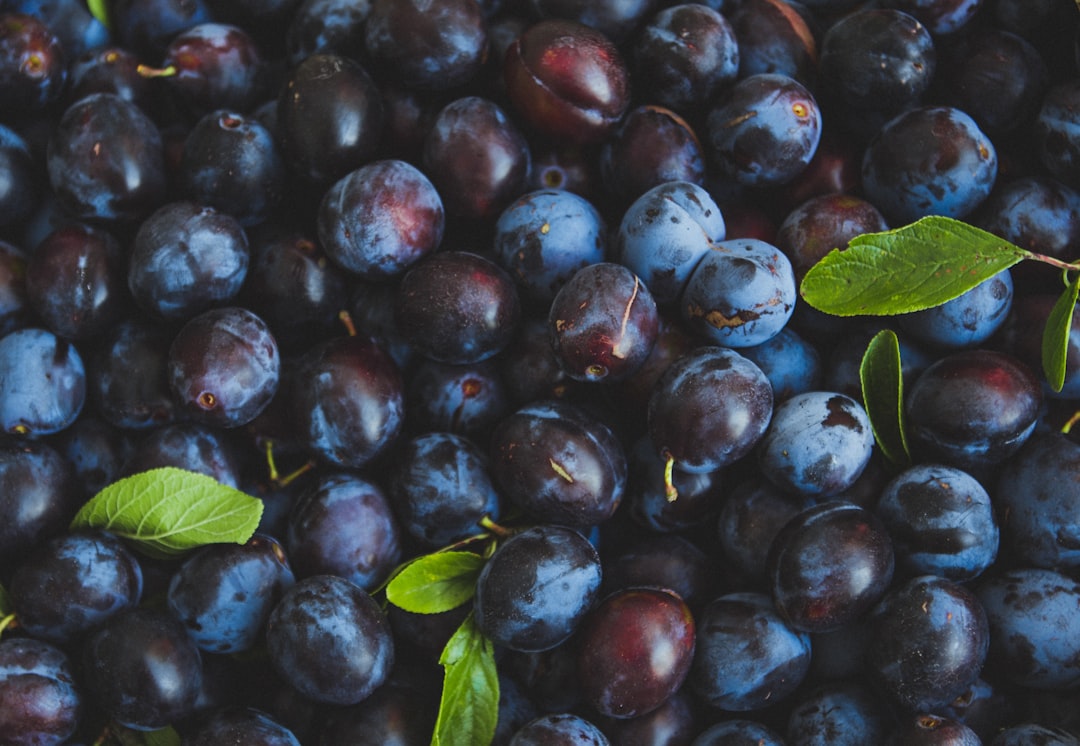
Plums, fruit of several species in the genus Prunus, are a diverse and globally distributed stone fruit. Characterized by their fleshy exocarp and a single hard endocarp (the “stone” or “pit”), plums are appreciated for their varied flavors, textures, and nutritional profiles. Their cultivation spans millennia, with evidence of domestication dating back to ancient China.
Plums offer a spectrum of colors, ranging from deep purple and reddish-black to green, yellow, and orange. Their skin can be firm or soft, with a powdery bloom (epicuticular wax) often present. The flesh is typically juicy, varying from tart to intensely sweet, and can adhere to the pit (clingstone) or separate easily (freestone). This inherent diversity makes plums a versatile ingredient, particularly in the realm of desserts.
Botanical Classification and Origin
The genus Prunus includes almonds, peaches, cherries, and apricots, all sharing the common trait of being drupes. Plums are broadly categorized into Old World and New World species. The most widely cultivated species, Prunus domestica, or the common plum, is believed to have originated from a hybridization event between Prunus spinosa (sloe) and Prunus cerasifera (cherry plum) in the Caspian Sea region.
New World plums, such as Prunus americana and Prunus nigra, are native to North America and were a food source for indigenous populations long before European colonization. These varieties often exhibit different growth habits and flavor characteristics compared to their Old World counterparts. Understanding this botanical background provides context for the vast array of plum cultivars available today.
Plums are a highly adaptable fruit in the kitchen, transitioning seamlessly from fresh consumption to various cooked applications. Their inherent acidity, especially in less ripe varieties, balances sweetness in desserts, preventing them from becoming cloyingly rich. The natural pectin content of plums also makes them suitable for jams and jellies, further expanding their culinary utility.
The texture of plums changes significantly with cooking. When gently heated, they soften into a jammy consistency, releasing their vibrant juices. This transformation is key to their role in numerous dessert preparations, where they contribute both moisture and structure.
Fresh Applications
While often associated with baking, plums are excellent when consumed fresh. Their natural sweetness and tartness make them a refreshing snack. Sliced plums can be incorporated into fruit salads, adding a burst of color and flavor. Their vibrant hues also make them an attractive garnish for various dishes, both sweet and savory.
Consider the simple elegance of a bowl of fresh plums, perhaps served with a dollop of crème fraîche or a sprinkle of toasted almonds. The interplay of textures and temperatures, the cool cream against the juicy, room-temperature plum, elevates a simple fruit into a refined dessert experience.
Cooked Applications
Cooking plums unlocks different dimensions of their flavor and texture. Heating plums concentrates their sugars, intensifying their sweetness and often deepening their color. The heat also breaks down their cell walls, releasing their aromatic compounds and creating a softer texture. This makes them ideal for fillings, compotes, and sauces.
The skin of plums, while sometimes slightly tart, also contributes to the overall flavor profile when cooked. In many preparations, leaving the skin on is beneficial, as it adds a subtle bitterness that complements the sweetness of the flesh and contributes to the final color of the dish.
If you’re considering your first real estate investment property, it’s essential to understand the various factors that can influence your decision. A related article that provides valuable insights on this topic is available at First Real Estate Investment Property. This resource covers key aspects such as market analysis, financing options, and tips for new investors, making it a great complement to your journey in real estate investment.
Nutritional Profile and Health Benefits
Beyond their culinary appeal, plums offer a range of nutritional benefits. They are a good source of vitamins, minerals, and dietary fiber, contributing to overall health and well-being. Incorporating plums into one’s diet can be a flavorful way to enhance nutrient intake.
Vitamins and Minerals
Plums are particularly rich in vitamin C, an essential antioxidant that supports immune function and collagen synthesis. They also provide vitamin K, which plays a crucial role in blood clotting and bone health. Lesser amounts of vitamin A, B vitamins, and vitamin E are also present.
In terms of minerals, plums contain potassium, which helps regulate blood pressure, and manganese, vital for bone development and metabolism. Traces of iron, copper, and magnesium further contribute to their micronutrient profile.
Dietary Fiber
One of the most notable health benefits of plums, particularly dried plums (prunes), is their high dietary fiber content. Soluble fiber, found in plums, helps lower cholesterol and regulates blood sugar levels. Insoluble fiber aids in digestion and promotes bowel regularity, acting as a natural laxative.
The presence of both soluble and insoluble fiber makes plums a powerful digestive aid. This dual action helps maintain gut health and can contribute to a feeling of fullness, which can be beneficial for weight management.
Antioxidant Properties
Plums are a rich source of antioxidants, particularly anthocyanins, which are responsible for their deep purple and red colors. These compounds combat oxidative stress in the body by neutralizing free radicals, which are unstable molecules that can damage cells and contribute to chronic diseases.
The antioxidant capacity of plums contributes to their potential role in reducing the risk of conditions like heart disease, certain cancers, and age-related macular degeneration. Regular consumption of antioxidant-rich foods like plums is a cornerstone of a healthy diet.
Common Plum Varieties for Desserts
The vast number of plum cultivars available worldwide means that selecting the right plum for a specific dessert can significantly impact the final outcome. Different varieties offer distinct flavor profiles, textures, and levels of sweetness or tartness. Understanding these nuances allows for a more informed and successful culinary experience.
European Plums (Prunus domestica)
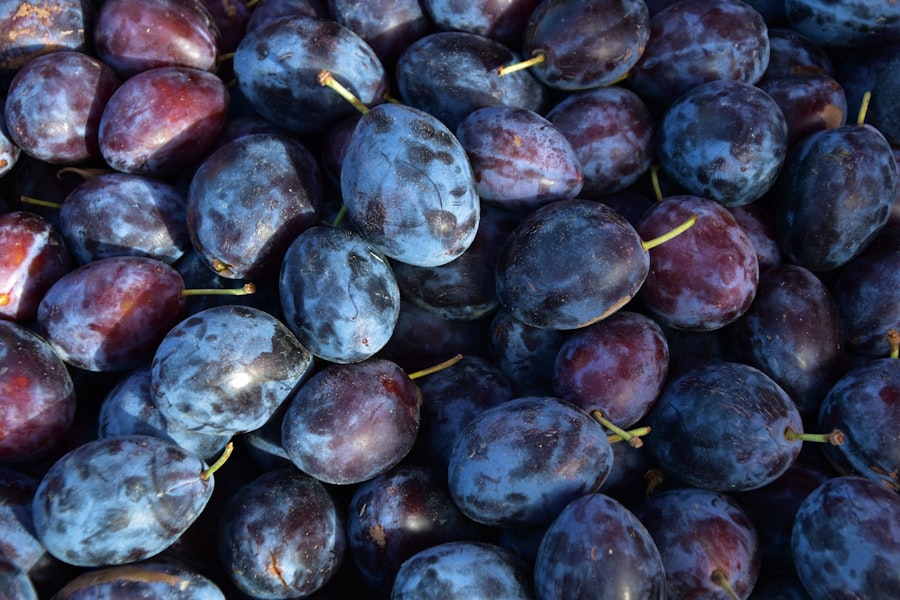
European plums, which include popular varieties like Italian Prune, Empress, and Damson, are generally known for their firm flesh and relatively high sugar content, especially when fully ripe. Many European plums are freestone, making them easy to pit and prepare for baking.
- Italian Prune Plums: These oval-shaped, purple-skinned plums with greenish-yellow flesh are classic for baking. Their firm texture holds up well to heat, and their balanced sweetness makes them ideal for tarts, pies, and crumbles. They are particularly well-suited for drying into prunes.
- Damson Plums: Small, dark purple plums with a notoriously tart flavor. Damson plums are less suitable for fresh eating due to their astringency, but their high pectin content and intense flavor make them exceptional for jams, jellies, and sauces, where their tartness provides a welcome counterpoint to sugar.
- Mirabelle Plums: Small, round, yellow-orange plums with a distinct honey-like sweetness. Primarily grown in France, Mirabelles are a delicacy often used in preserves, tarts, and eau de vie. Their delicate flavor is best showcased in simpler preparations that allow their inherent sweetness to shine.
Japanese Plums (Prunus salicina)
Japanese plums, despite their name, originated in China. They are generally larger, juicier, and rounder than European plums, with a softer flesh and often a tarter flavor profile. Many Japanese plums are clingstone, which can make preparation slightly more challenging.
- Santa Rosa Plums: A widely cultivated variety with reddish-purple skin and amber-red flesh. Santa Rosa plums are known for their juicy, sweet-tart flavor and aromatic qualities. They are excellent for fresh eating but also perform well in cooked applications like preserves and baked goods, where their vibrant color and robust flavor stand out.
- Satsuma Plums: Characterized by their deep red skin and firm, blood-red flesh. Satsuma plums offer a good balance of sweetness and tartness, making them versatile. Their firmer texture allows them to retain their shape during cooking, making them suitable for chunky compotes or roasted plum desserts.
Practical Considerations for Using Plums in Desserts
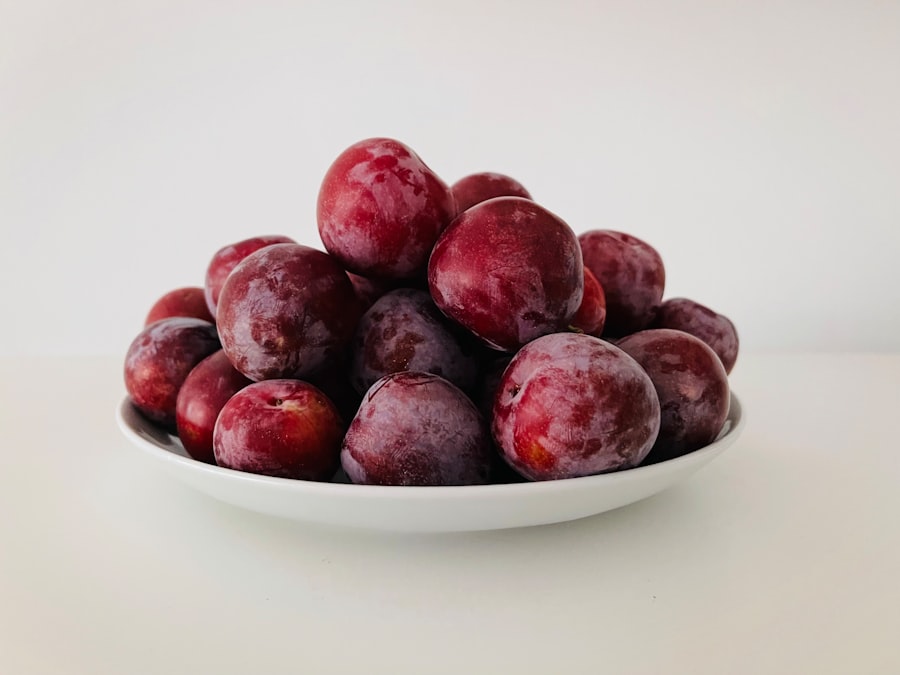
Successfully incorporating plums into desserts involves more than just selecting the right variety. There are practical considerations regarding ripeness, preparation, and how plums interact with other ingredients. Addressing these aspects ensures optimal flavor and texture in the final product.
Ripeness and Storage
The ripeness of a plum significantly impacts its flavor and texture. A perfectly ripe plum will yield slightly to gentle pressure and emit a sweet, fragrant aroma. Underripe plums will be firm and tart, while overripe plums will be excessively soft and mushy, potentially fermenting.
Store ripe plums at room temperature for a day or two if intending to use them immediately. For longer storage, refrigerate plums in a perforated bag, where they can last for up to a week. If plums are still firm, they can be ripened at room temperature, perhaps in a paper bag to speed up the process.
Pitting and Preparation
While some plums are freestone and easily pit, many common dessert varieties are clingstone, meaning the flesh adheres firmly to the pit. For clingstone plums, the most effective method is often to halve the plum and then carefully cut the flesh away from the pit with a knife. Alternatively, a plum corer can be used.
For compotes or sauces where the skin is desired, scoring an ‘X’ on the base of the plum and blanching it in boiling water for 30-60 seconds, followed by an ice bath, will allow the skin to be easily peeled away. This technique is similar to peeling peaches and tomatoes.
Flavor Pairings
Plums possess a complex flavor profile that benefits from thoughtful pairing with other ingredients. Their inherent acidity often means they harmonize well with sweeter elements, creating a balanced and appealing taste.
- Spices: Cinnamon, nutmeg, cloves, and cardamom are classic companions to plums, enhancing their warmth and aromatic qualities. A pinch of ginger or star anise can add an unexpected depth.
- Herbs: Rosemary and thyme, used sparingly, can provide an earthy contrast to the sweetness of plums, particularly in roasted preparations.
- Dairy: Cream, crème fraîche, yogurt, and ice cream offer a creamy contrast to the juicy texture and tartness of plums.
- Nuts: Almonds, pecans, and walnuts bring a nutty crunch and richness that complements the soft texture of cooked plums.
- Other Fruits: Apples, pears, berries, and citrus (particularly lemon zest) can be combined with plums to create more complex fruit flavor profiles.
If you’re interested in cultivating beautiful plants like Plum, you might also want to explore how to grow lotus indoors. This fascinating process can enhance your indoor garden and bring a serene touch to your space. You can read more about it in this informative article on growing lotus indoors, which provides valuable tips and insights for successful gardening.
Iconic Plum Desserts
The versatility of plums is showcased in a wide array of classic and contemporary dessert preparations. From rustic bakes to refined confections, plums hold their own, contributing both flavor and visual appeal.
Tarts and Pies
Plum tarts and pies are a cornerstone of seasonal baking. The plums, whether sliced or halved, soften beautifully during baking, releasing their juices to create a rich, flavorful filling. The sweetness of the pastry often provides a counterpoint to the tartness of the plums, especially in varieties like Damson.
Consider a simple galette, where plums are arranged on a disc of pastry and baked until bubbling. This rustic approach highlights the fruit’s natural beauty and flavor. For a more structured pie, a lattice crust allows steam to escape while providing an elegant presentation.
Crumbles and Crisps
Plum crumbles and crisps are comforting desserts, particularly suited for cooler weather. A simple fruit filling, often enhanced with a touch of sugar and spice, is topped with a buttery, crumbly mixture of flour, oats, and sometimes nuts. The contrast between the soft, yielding plums and the crunchy topping is a key appeal.
These desserts are forgiving and adaptable. Variations can include adding other fruits, such as apples or berries, or incorporating different spices to suit personal preference. Served warm with a scoop of vanilla ice cream or a dollop of whipped cream, they represent simple indulgence.
Compotes and Sauces
Plum compotes and sauces are fundamental preparations that can serve as desserts in their own right or as accompaniments to other dishes. A compote typically involves simmering plums (often with sugar, water, and spices) until they soften and release their juices, resulting in a chunky, flavorful mixture.
Plum sauce, often puréed and strained, offers a smoother consistency and can be used as a topping for pancakes, waffles, or ice cream. These preparations are excellent ways to utilize plums that might be slightly overripe or to preserve the harvest for later enjoyment.
Cakes and Muffins
Plums can be baked directly into cakes and muffins, where their moisture and flavor infuse the batter. In cakes, plums can be arranged on top (as in a plum upside-down cake) or folded into the batter. As they bake, the plums soften and caramelize, creating pockets of intense flavor and a pleasant chewiness.
For muffins, diced plums can be incorporated into the batter, offering bursts of fruit in each bite. The acidity of the plums often reacts with leavening agents, contributing to a light and tender crumb. These baked goods are suitable for breakfast, brunch, or a light dessert.
Jams and Preserves
While not strictly “desserts” in the traditional sense, plum jams and preserves are fundamental to the sweet culinary landscape. The high pectin content of many plum varieties makes them naturally suited for gelling, producing thick, vibrant spreads.
Plum jam, with its characteristic color and balanced sweet-tart flavor, is excellent on toast, scones, or as a filling for tarts and pastries. Preserving plums in this manner captures their essence, allowing their flavor to be enjoyed long after their season has passed. This act of preservation is a testament to the fruit’s enduring appeal.