
 Thomas Kelly
30 January 2026
Thomas Kelly
30 January 2026
Corn, a staple of diets worldwide and a foundational crop in agriculture, offers a remarkable range of applications that extend far beyond simple sustenance. Its journey from the field to the dinner plate, and indeed into numerous industrial processes, showcases an inherent versatility that has shaped human civilization. This exploration delves into the multifaceted nature of corn, examining its cultivation, processing, and diverse uses, illustrating why it remains a cornerstone of global food security and economic activity.
From Seed to Stalk: The Growth Cycle
Corn, scientifically known as Zea mays, is a member of the grass family (Poaceae). Its cultivation is a carefully orchestrated process, beginning with the selection of appropriate seed varieties tailored to specific climates and soil conditions. The planting season, typically in the spring, marks the commencement of a cycle that demands attention to detail.
Soil Preparation and Planting
Effective soil preparation is paramount. Farmers often till the land to loosen compacted soil, improve drainage, and incorporate essential nutrients. This can involve plowing, disking, and sometimes the addition of fertilizers or organic matter. The goal is to create a welcoming environment for the corn seedling to establish a robust root system, the anchor that will support its impressive growth. Planting depth and spacing are critical factors, influencing germination rates and the overall health and yield of the crop. Too deep or too shallow, seeds may struggle to emerge, while overcrowding can lead to competition for resources, reducing individual plant vigor.
Growth Stages and Environmental Needs
Corn plants exhibit distinct growth stages, each with specific requirements. From germination, where the seed sprouts, to the vegetative stage characterized by rapid leaf and stalk development, the plant requires ample sunlight, water, and nutrients. The silk emergence and pollination phase, crucial for kernel development, is particularly sensitive to environmental fluctuations. Drought conditions during this period can severely impact pollination success, leading to incomplete ear formation. Temperature also plays a significant role; corn thrives in warm weather, with optimal growth occurring within a specific temperature range, typically between 21°C and 30°C (70°F and 86°F). Frost can be detrimental, halting growth and damaging the developing kernels. The plant is a robust feeder, drawing substantial nitrogen, phosphorus, and potassium from the soil to fuel its rapid ascent.
Pest and Disease Management
Like any agricultural endeavor, corn cultivation is not without its challenges. Pests, ranging from insects like the corn earworm and rootworm to larger animals, can wreak havoc on crops. Similarly, diseases caused by fungi, bacteria, and viruses can reduce yield and quality. Farmers employ a range of strategies to mitigate these threats. Integrated Pest Management (IPM) programs often combine cultural practices (e.g., crop rotation, resistant varieties), biological controls (introducing natural enemies of pests), and judicious use of pesticides when necessary. Understanding the life cycles of pests and the conditions that favor disease development allows for timely and targeted interventions.
Harvesting and Post-Harvest Handling
The culmination of the growing season is the harvest. The timing of this event is crucial, dictated by the moisture content of the kernels, which affects storage quality and suitability for different end uses.
Determining Maturity and Harvesting Methods
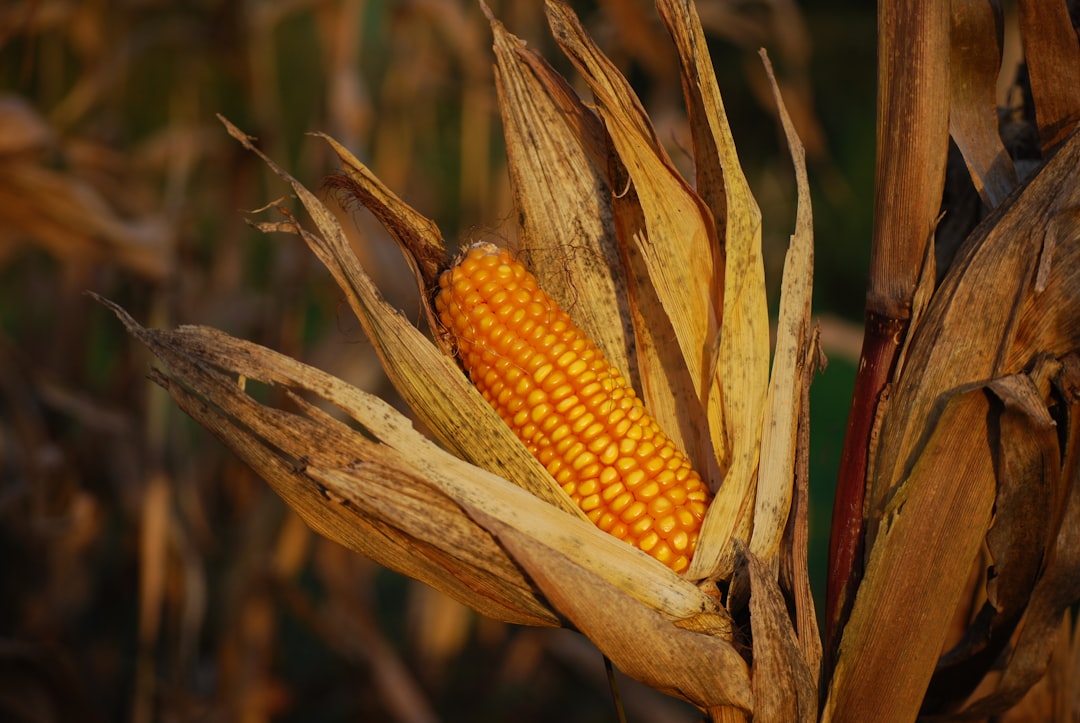
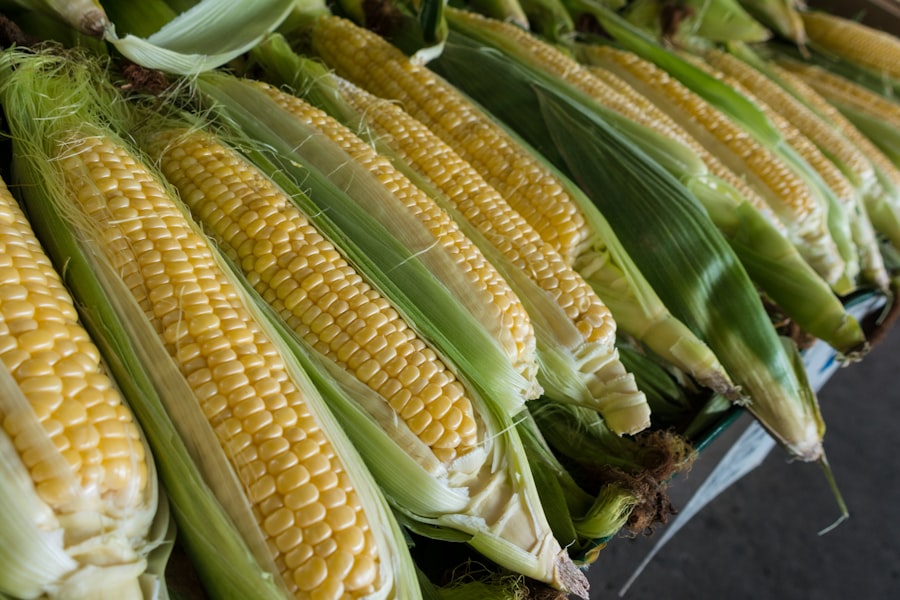
Corn is typically harvested when the kernels reach a certain maturity, often indicated by a hard, dry state. For grain corn, this usually occurs in the fall. Harvesting methods vary based on the scale of operation and the intended use. Large-scale commercial operations utilize sophisticated combine harvesters that simultaneously cut the stalks, thresh the kernels from the cobs, and separate the grain. For sweet corn, typically harvested before full maturity, hand-picking or smaller mechanical harvesters are employed to ensure tenderness. The speed and efficiency of mechanical harvesters are vital in capturing the crop before adverse weather conditions can affect it.
Drying and Storage
Once harvested, corn, particularly grain corn, often requires drying to reduce its moisture content to a level suitable for safe storage. High moisture can promote the growth of mold and fungi, leading to spoilage and the production of mycotoxins. Artificial drying facilities, using forced air and heat, are common in commercial settings. Proper storage is essential to maintain the quality of the harvested corn. This involves well-ventilated silos or grain bins that protect the grain from moisture, pests, and temperature fluctuations. The aim is to keep the grain cool and dry, preventing degradation and preserving its value.
Corn, a staple crop with significant economic and nutritional value, plays a crucial role in global agriculture. Understanding the various factors that influence its production and security is essential for farmers and stakeholders alike. For insights on the importance of security in agricultural settings, you can refer to a related article that discusses the role of security guard companies in protecting valuable crops and resources. This article can be found at Importance of Security Guard Company.
The Transformation Hub: Corn Processing
From Whole Kernel to Diverse Products
The processing of corn is a sophisticated industry that unlocks its multifaceted potential. Through various mechanical and chemical processes, the raw kernel is transformed into a vast array of ingredients and products that permeate modern life. This transformation is akin to a sculptor shaping raw marble into a masterpiece, revealing hidden forms and functions.
Milling: The Foundation of Corn Products
Corn milling is a primary step in its transformation. This process separates the corn kernel into its constituent parts: the pericarp (hull), endosperm (starch-rich interior), and germ (embryo containing oil and nutrients). There are two main types of milling:
Wet Milling
Wet milling involves steeping the corn in water or a dilute sulfurous acid solution. This softens the kernel and facilitates the separation of its components using mechanical means like centrifuges and screens. Wet milling is the pathway to producing corn starch, corn syrup, corn oil, and gluten meal. The starch is the primary product sought after for its thickening and binding properties in food and industrial applications.
Dry Milling
Dry milling, which does not involve steeping, is used to produce cornmeal, grits, and hominy. This process mechanically grinds the kernels, separating the endosperm. Dry-milled products are often used directly in culinary applications, forming the basis of many traditional dishes. The coarser the grind, the different the resulting product, from fine cornmeal for cornbread to coarser grits.
Extraction of Corn Oil
The germ, a rich source of oil, is separated during the milling process. This germ is then further processed, typically through solvent extraction or mechanical pressing, to yield corn oil. Corn oil is a widely used cooking oil, prized for its neutral flavor and versatility in various culinary applications. It is a liquid at room temperature, making it easy to use in dressings, marinades, and high-heat cooking.
Creating Sweetness: The World of Corn Syrup
Corn’s ability to yield sweeteners is one of its most celebrated contributions to the food industry. Through enzymatic hydrolysis, the complex starches in corn are broken down into simpler sugars, most notably glucose and fructose.
Production of High-Fructose Corn Syrup (HFCS)
The production of High-Fructose Corn Syrup involves a multi-step enzymatic process. First, corn starch is converted into glucose. Then, an enzyme called glucose isomerase is used to convert a portion of the glucose into fructose. The resulting mixture is what is commonly known as HFCS. Its widespread use in processed foods and beverages is due to its sweetness, affordability, and functional properties, such as its ability to inhibit crystallization and add moisture.
Other Corn-Based Sweeteners
Beyond HFCS, corn serves as the source for other sweeteners like corn syrup (primarily glucose), dextrose (pure glucose), and maltodextrin. These find applications in confectionery, baked goods, and as bulking agents or stabilizers in various food products. The ability to fine-tune the sugar profile allows manufacturers to achieve specific textures and tastes.
Culinary Cornerstone: Corn on the Plate
Beyond the Cob: Diverse Edible Applications
Corn’s presence in the global diet is undeniable, transcending continents and cuisines. Its inherent sweetness, satisfying texture, and adaptability make it a versatile ingredient for a myriad of dishes. It’s the foundational block in many culinary traditions, a canvas upon which chefs and home cooks alike paint diverse flavors.
Sweet Corn: A Summertime Delight
Sweet corn, harvested at an immature stage, is a beloved delicacy. Whether enjoyed boiled, grilled, or roasted on the cob, its succulent kernels offer a burst of natural sweetness. It’s a symbol of summer gatherings and barbecues, its vibrant yellow color a visual cue of sunny days. Beyond the cob, sweet corn kernels are incorporated into salads, salsas, chowders, and succotash, adding texture and a touch of sweetness. The ease with which it can be prepared contributes to its popularity.
Cornmeal and Flour: The Backbone of Baking
Cornmeal and corn flour, products of dry milling, are fundamental to many baked goods. Cornbread, a staple in Southern American cuisine, relies on cornmeal for its characteristic texture and flavor. Polenta, a creamy porridge made from cornmeal, is a versatile dish found in Italian cuisine. Tortillas, a flatbread essential to Mexican and other Latin American cuisines, are traditionally made from masa harina, a flour derived from nixtamalized corn. The ability of corn flour to absorb moisture and contribute to a delightful crumb structure makes it indispensable in baking. The nixtamalization process, involving soaking corn in an alkaline solution, enhances its nutritional value by making niacin bioavailable and improves its texture and flavor.
Snacks and Processed Foods
Corn is a ubiquitous ingredient in the snack food industry. Popcorn, perhaps the most iconic corn-based snack, is a whole grain that expands when heated, creating a light and airy treat. Corn chips, puffs, and pretzels are also popular, often flavored with a variety of seasonings. Furthermore, corn-derived ingredients like starches and sweeteners are integral to the production of a vast array of processed foods, from cereals and cookies to sauces and dressings. Its cost-effectiveness and functional properties make it an attractive option for food manufacturers.
Cultural Significance and Traditional Dishes
Corn holds deep cultural significance in many societies, interwoven with historical traditions and agricultural practices. Its domestication in Mesoamerica over 7,000 years ago marked a pivotal moment, providing a reliable food source that allowed for the development of complex civilizations.
Mesoamerican Heritage
In Mesoamerica, corn was revered as a sacred crop, central to religious ceremonies and mythology. Maya and Aztec cultures, in particular, attributed divine origins to corn, and its cultivation was a cornerstone of their societies. The Maya believed that humans were created from maize dough. Traditional dishes like tamales, pozole, and atole continue to be cherished, demonstrating the enduring legacy of corn in these regions. The intricate preparation methods for some of these dishes highlight the respect and care given to this foundational food.
Global Culinary Traditions
Beyond its Mesoamerican roots, corn has been adopted and adapted into countless culinary traditions worldwide. In parts of Africa, maize porridge (ugali, nshima) is a staple food. In Eastern Europe, corn is used in dishes like mămăligă. The adaptability of corn to diverse growing conditions and its ability to be prepared in myriad ways has facilitated its global integration. Its presence on tables worldwide underscores its universal appeal and nutritional importance.
The Industrial Powerhouse: Non-Food Applications of Corn
Beyond the Kitchen: Corn’s Role in Industry
The versatility of corn extends far beyond the realm of food. Its starch content and other components are harnessed for a wide range of industrial applications, demonstrating its value as a renewable resource. This industrial utility reveals corn as a silent workhorse, contributing to numerous manufactured goods we encounter daily.
Biofuels: A Renewable Energy Source
Corn plays a significant role in the production of biofuels, most notably ethanol. Ethanol, a type of alcohol, is produced by fermenting the sugars derived from corn starch. When blended with gasoline, corn ethanol helps to reduce reliance on fossil fuels and can lower greenhouse gas emissions. The large-scale production of corn for ethanol exemplifies the crop’s potential as a sustainable energy source, turning fields of grain into fuel for vehicles.
Bioplastics and Biodegradable Materials
Corn starch is also a key ingredient in the production of bioplastics, a more environmentally friendly alternative to traditional petroleum-based plastics. Bioplastics made from corn can be biodegradable or compostable, helping to reduce plastic waste. These materials are used in packaging, disposable cutlery, and other applications where biodegradability is desired. The development of these materials signifies a shift towards a more circular economy, utilizing renewable resources.
Other Industrial Uses
The applications of corn in industry are extensive and continually evolving. Corn derivatives are used in the manufacturing of adhesives, textiles, paper, and pharmaceuticals. Corn gluten meal, a byproduct of wet milling, is used as a natural herbicide and a high-protein animal feed. Corn cobs can be processed into animal bedding or used as fuel. Even the husks have found applications in crafting and decorative items. The breakdown of a single crop into such varied industrial inputs highlights its remarkable economic significance.
Corn is a staple crop that plays a significant role in agriculture and food production worldwide. Its versatility allows it to be used in various forms, from animal feed to biofuels and even as a key ingredient in many processed foods. For those interested in exploring the broader implications of agricultural practices, you might find this article on copywriting particularly insightful, as it delves into how storytelling can enhance the marketing of agricultural products like corn. Understanding the narrative behind such crops can help consumers appreciate their value and impact on our daily lives.
The Future of Corn: Innovation and Sustainability
Adapting to a Changing World
As global populations grow and environmental concerns intensify, the role of corn continues to evolve. Innovation in agriculture and processing is crucial to ensure its continued contribution to food security and a sustainable future. The story of corn is not yet fully written; its future chapters will be shaped by human ingenuity and a commitment to responsible stewardship.
Genetic Modifications and Breeding Programs
Advancements in genetic modification and traditional breeding techniques are enhancing corn’s resilience, yield, and nutritional profile. Researchers are developing corn varieties that are more resistant to pests, diseases, and drought, as well as those that can thrive in challenging climates. These efforts are vital in addressing the impacts of climate change on agriculture and ensuring consistent yields. The precision offered by genetic tools can accelerate the development of desirable traits.
Sustainable Farming Practices
Emphasis on sustainable farming practices is crucial to minimize the environmental footprint of corn cultivation. This includes techniques such as no-till farming, cover cropping, and precision agriculture, which optimize resource use and reduce soil erosion. Promoting biodiversity within agricultural landscapes and managing water resources efficiently are also key components of a sustainable approach. The goal is to cultivate corn not just for yield, but also with a mindful eye on the health of the planet.
Exploring New Applications
Research continues to explore novel applications for corn and its derivatives. Scientists are investigating new uses for corn in areas such as biodegradable packaging, bio-based chemicals, and even in the development of advanced materials. The pursuit of these innovations promises to further diversify corn’s contributions and unlock new economic opportunities while promoting a more sustainable industrial ecosystem. The quest for new uses reveals corn as a dynamic resource, capable of adapting to emerging technological needs.