
 Thomas Kelly
2 February 2026
Thomas Kelly
2 February 2026
Blueberries, scientifically known as Vaccinium sectio Cyanococcus, are small, spherical fruits recognized for their dark blue to purplish hue. They belong to the genus Vaccinium, which also includes cranberries and lingonberries. For centuries, blueberries have been a staple in the diets of indigenous peoples and later incorporated into the culinary traditions of various cultures. Their popularity has surged in recent decades due to growing scientific interest in their nutritional profile and potential health benefits, leading to their classification as a “superfood.” This designation, while not scientifically defined, reflects a perception of exceptional nutritional value and a capacity to positively influence well-being.
Blueberries offer a concentrated dose of essential nutrients, contributing to their reputation as a powerhouse fruit. Their vibrant color is a testament to their rich antioxidant content, primarily attributed to anthocyanins.
Macronutrient Breakdown
A typical serving of blueberries, approximately one cup (148 grams), contains a modest amount of calories. This makes them a suitable addition to a balanced diet without contributing excessively to energy intake.
Carbohydrates and Fiber
The majority of the calories in blueberries come from carbohydrates. These carbohydrates are largely in the form of natural sugars, such as fructose and glucose, which provide readily available energy. Crucially, blueberries are also a good source of dietary fiber. Fiber plays a vital role in digestive health, promoting regularity and contributing to a feeling of fullness, which can be beneficial for weight management. The soluble fiber in blueberries can also contribute to moderating blood sugar levels by slowing down the absorption of sugar into the bloodstream.
Protein and Fat Content
Blueberries contain negligible amounts of protein and fat. Their primary nutritional contribution lies in their micronutrient and antioxidant components rather than their macronutrient profile. This means that while they offer significant health advantages, they are not a primary source of calories from protein or fat.
Micronutrient Contributions
Beyond macronutrients, blueberries are a valuable source of several key vitamins and minerals. These micronutrients are essential for a multitude of bodily functions.
Vitamin C
Blueberries are a significant source of Vitamin C, an essential antioxidant that plays a crucial role in immune function and collagen synthesis. Collagen is a structural protein vital for the health of skin, bones, and connective tissues. Vitamin C also aids in iron absorption and acts as a protector against cellular damage caused by free radicals.
Vitamin K
This fruit also provides a good amount of Vitamin K, a fat-soluble vitamin that is critical for blood clotting and bone metabolism. Adequate Vitamin K intake is important for maintaining bone density and preventing excessive bleeding.
Manganese
Blueberries are an excellent source of manganese, a trace mineral that plays a role in carbohydrate metabolism, bone formation, and antioxidant defense. Manganese acts as a cofactor for several enzymes involved in these vital processes.
Antioxidant Powerhouse: Anthocyanins and Other Phytochemicals
The true distinction of blueberries lies in their potent antioxidant capacity. These compounds act as cellular bodyguards, neutralizing harmful free radicals that can damage cells and contribute to chronic diseases.
Anthocyanins: The Pigment and the Protector
Anthocyanins are a group of flavonoids that give blueberries their characteristic blue-purple color. These potent antioxidants have been extensively studied for their potential health benefits. They are believed to exert their effects by scavenging free radicals, reducing inflammation, and improving cellular signaling pathways. The specific types and amounts of anthocyanins can vary depending on the blueberry cultivar and growing conditions.
Other Beneficial Phytochemicals
In addition to anthocyanins, blueberries contain other beneficial plant compounds, or phytochemicals, such as quercetin, myricetin, and reservatrol. These compounds work synergistically with anthocyanins to provide a broad spectrum of antioxidant and anti-inflammatory effects. Think of these various compounds as a diverse team of defenders, each with their unique strengths, working together to protect your body’s cellular infrastructure.
Blueberries are not only delicious but also packed with antioxidants that can support overall health, including aiding in weight management and promoting a healthy metabolism. For those looking to complement their healthy eating habits with effective workouts, you might find the article on great exercises to flatten your abdominal muscles at home particularly useful. You can read it here: Great Exercises to Flatten Your Abdominal Muscles at Home.
Health Benefits of Blueberry Consumption
The array of nutrients and phytochemicals in blueberries translates into a range of potential health benefits, supported by a growing body of scientific research.
Cardiovascular Health Support
Regular consumption of blueberries has been linked to improved markers of cardiovascular health. These effects are thought to be multifactorial, involving improvements in blood vessel function and reductions in risk factors for heart disease.
Blood Pressure Regulation
Studies suggest that the anthocyanins and other compounds in blueberries may contribute to lower blood pressure. This is likely achieved through mechanisms that promote vasodilation, the widening of blood vessels, which eases the flow of blood and reduces the strain on the cardiovascular system. The beneficial compounds act like a gentle hand easing the pressure on a garden hose, allowing for smoother flow.
Cholesterol Management
Blueberries may also play a role in cholesterol management. Research indicates that they can help reduce levels of LDL cholesterol, often referred to as “bad” cholesterol, which can contribute to plaque buildup in arteries. Simultaneously, they may help increase HDL cholesterol, the “good” cholesterol, which helps remove LDL from the bloodstream. This dual action provides a protective effect against atherosclerosis.
Improved Endothelial Function
The endothelium, the inner lining of blood vessels, plays a crucial role in regulating blood pressure and preventing blood clots. Blueberries have been shown to improve endothelial function, contributing to healthier and more responsive blood vessels. This means your blood vessels are more likely to adapt to the body’s changing needs.
Cognitive Function and Brain Health
The brain, a highly metabolically active organ, is susceptible to oxidative stress and inflammation. Blueberries, with their potent antioxidant properties, offer a protective shield for cognitive health.
Antioxidant Protection for the Brain
The antioxidants in blueberries can cross the blood-brain barrier, providing direct protection to brain cells from oxidative damage. This damage can contribute to age-related cognitive decline. By neutralizing free radicals, blueberries help preserve the integrity of brain cells.
Enhanced Memory and Learning
Several studies have investigated the impact of blueberry consumption on memory and cognitive performance. Findings suggest that regular intake may lead to improvements in certain aspects of memory, particularly in older adults. The enhanced blood flow and reduced inflammation in the brain likely contribute to these cognitive benefits. It’s as if blueberries help clear the cobwebs from the attic of your mind, allowing for clearer thought.
Potential Role in Neuroprotection
Emerging research also points to a potential role for blueberries in neuroprotection, suggesting that they may help protect against neurodegenerative diseases. While more research is needed, the anti-inflammatory and antioxidant effects are considered key mechanisms in this regard.
Blood Sugar Regulation and Diabetes Management
For individuals managing blood sugar levels, blueberries can be a valuable dietary choice due to their fiber content and the specific effects of their bioactive compounds.
Impact on Insulin Sensitivity
Some research suggests that blueberries may improve insulin sensitivity, meaning that the body’s cells become more responsive to insulin. Insulin is essential for transporting glucose from the bloodstream into cells for energy. Improved insulin sensitivity can help prevent the buildup of excess glucose in the blood.
Lower Glycemic Index
Compared to many other fruits, blueberries have a relatively low glycemic index (GI). This means that they cause a slower and more gradual rise in blood sugar levels after consumption. This characteristic makes them a preferable choice for individuals monitoring their carbohydrate intake.
Antioxidant Effects on Pancreatic Cells
The antioxidant properties of blueberries may also extend to protecting the pancreatic cells that produce insulin from damage. This protective effect could contribute to better long-term insulin production.
Digestive Health and Gut Microbiome
The high fiber content of blueberries is a primary contributor to their benefits for digestive health, but other aspects also play a role.
Promoting Regularity
As a good source of dietary fiber, blueberries aid in promoting regular bowel movements. Fiber adds bulk to stool, making it easier to pass, and can help prevent constipation.
Fuel for Beneficial Gut Bacteria
The fiber in blueberries acts as a prebiotic, meaning it serves as food for beneficial bacteria residing in the gut. A healthy gut microbiome is increasingly recognized for its importance in overall health, influencing everything from digestion to immune function and even mood. Blueberries help cultivate a thriving ecosystem within your digestive tract.
Anti-inflammatory Effects in the Gut
The anti-inflammatory compounds in blueberries may also contribute to a healthier gut environment by reducing inflammation in the intestinal lining.
Incorporating Blueberries into Your Diet
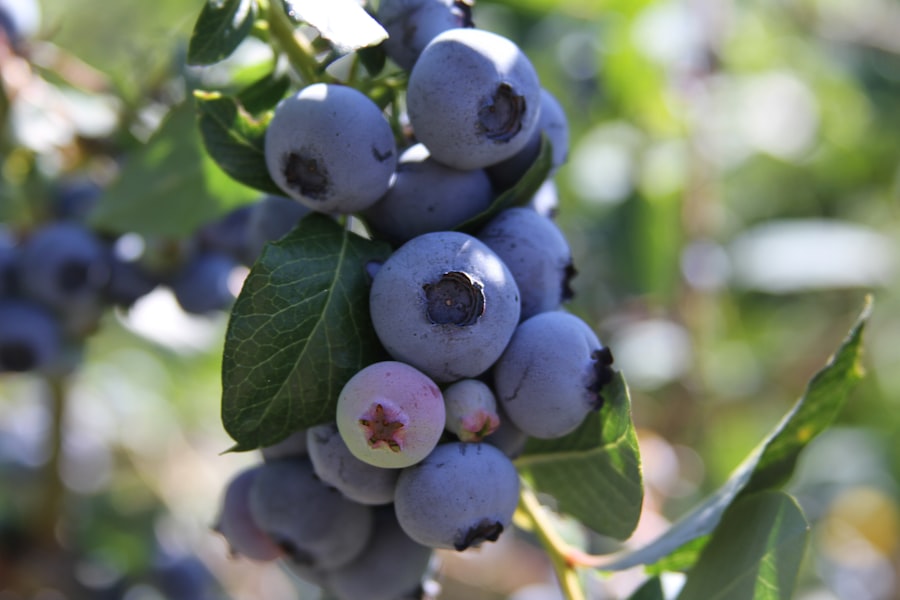
Given their nutritional density and potential health benefits, incorporating blueberries into your daily or weekly diet is a straightforward and enjoyable endeavor. Their versatility allows for a wide range of culinary applications.
Fresh Blueberry Preparations
The simplest way to enjoy blueberries is in their fresh state, allowing their natural flavors and textures to shine.
Snacking and Toppings
Blueberries make an excellent standalone snack, providing a burst of sweetness and antioxidants. They are also a popular topping for yogurt, oatmeal, breakfast cereals, and cottage cheese, adding a vibrant color and a healthy boost.
Salads and Savory Dishes
Don’t limit blueberries to sweet applications. Their slightly tart flavor can complement savory dishes. They can be incorporated into salads, adding a refreshing contrast to greens, nuts, and cheeses. Some culinary traditions even feature them in sauces or relishes for meats.
Baked Goods and Desserts
Blueberries have long been a beloved ingredient in baked goods, offering both flavor and visual appeal.
Muffins, Pancakes, and Waffles
From classic blueberry muffins to pancakes and waffles, their inclusion adds moisture and a delightful burst of flavor. The heat of baking can sometimes intensify their sweetness.
Pies, Crumbles, and Cobblers
As a filling for pies, crumbles, and cobblers, blueberries are a perennial favorite. Their natural juices, when combined with other ingredients, create rich and satisfying desserts.
Smoothies and Juices
Blending fresh or frozen blueberries into smoothies is a convenient way to consume a concentrated dose of their nutrients. They are also a component in many mixed fruit juices.
Frozen Blueberries: A Year-Round Option
Frozen blueberries offer a practical and often more economical alternative that retains most of their nutritional value.
Convenience and Availability
Frozen blueberries are available year-round and are ideal for baking or adding to smoothies when fresh ones are out of season or less readily available.
Nutritional Equivalence
The freezing process, when done correctly, preserves the majority of the vitamins, minerals, and antioxidants in blueberries. Therefore, frozen blueberries are nutritionally comparable to their fresh counterparts for most purposes.
Thawing and Usage
Frozen blueberries can be used directly in recipes like smoothies or baked goods without thawing, or they can be thawed at room temperature or in the refrigerator before use. They may release more juice when thawed, which can be a desirable characteristic in many recipes.
Research and Future Directions
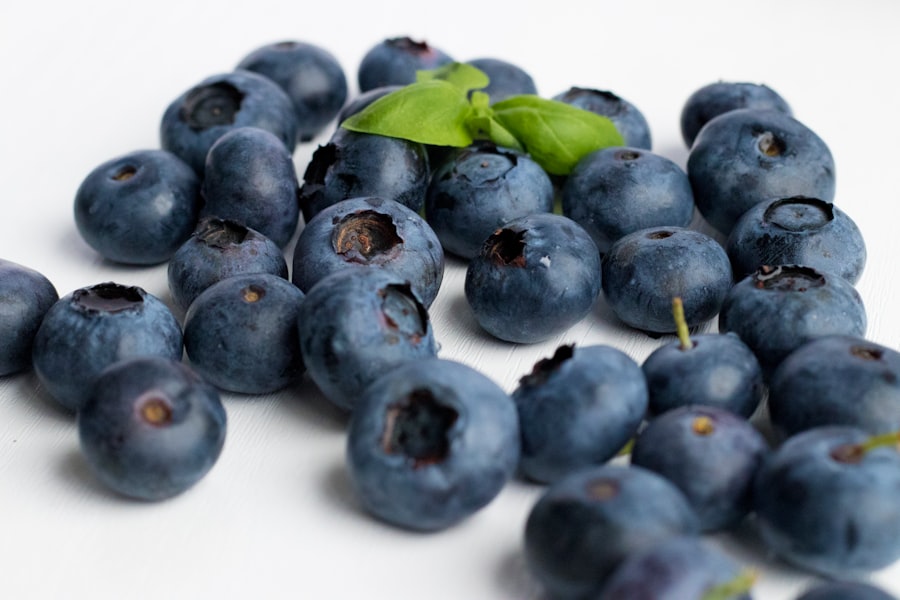
The scientific exploration of blueberries is ongoing, with researchers continuously uncovering new insights into their health-promoting properties.
Ongoing Clinical Trials
Numerous clinical trials are currently underway to further investigate the specific mechanisms by which blueberries exert their health benefits. These trials often focus on particular health conditions, such as type 2 diabetes, cardiovascular disease, and age-related cognitive decline.
Emerging Areas of Study
Beyond established benefits, research is exploring the potential of blueberries in areas such as:
- Cancer Prevention: The antioxidant and anti-inflammatory properties of blueberries are being examined for their potential role in preventing certain types of cancer.
- Skin Health: The impact of blueberry compounds on skin aging and protection against UV damage is an area of interest.
- Inflammatory Conditions: Further investigation into how blueberry phytochemicals can modulate inflammatory pathways is ongoing.
Understanding Bioavailability and Synergistic Effects
A key area of ongoing research is understanding the bioavailability of the various compounds in blueberries – how well they are absorbed and utilized by the body. Furthermore, researchers are increasingly looking at the synergistic effects of these compounds, recognizing that they may work together in ways that are more potent than their individual actions. It’s like a well-orchestrated symphony, where each instrument contributes to a greater, harmonious whole.
Blueberries are not only delicious but also packed with antioxidants and vitamins that can enhance your overall health. If you’re looking to improve your fitness routine, incorporating nutrient-rich foods like blueberries can be beneficial. For example, a related article discusses how to enhance your sit-up technique, which can complement a healthy diet and boost your workout effectiveness. You can read more about it in this article.
Considerations and Recommendations
While blueberries are widely considered a healthy food, a balanced perspective is always beneficial.
Portion Control and Sugar Content
Although blueberries are a relatively low-sugar fruit, like all fruits, they do contain natural sugars. Consuming them in moderation as part of a balanced diet is recommended, especially for individuals monitoring their sugar intake.
Individual Sensitivities
While rare, some individuals may experience digestive discomfort or allergic reactions to blueberries. It is always advisable to introduce any new food gradually to assess personal tolerance.
The Importance of a Varied Diet
While blueberries offer significant health advantages, they should not be considered a singular solution for all health concerns. A diverse diet rich in a variety of fruits, vegetables, whole grains, and lean proteins remains the cornerstone of optimal health and wellness. Blueberries are a valuable jewel in the crown of a healthy diet, but they are part of a larger, more precious ensemble. Prioritizing variety ensures that your body receives a broad spectrum of essential nutrients and protective compounds.