
 Thomas Kelly
4 February 2026
Thomas Kelly
4 February 2026
Garlic, a member of the Allium family, is a widely cultivated plant with a history of both culinary and medicinal use spanning millennia. Its distinctive flavor and aroma profile, alongside its purported health benefits, have cemented its place in diverse cultures globally. This article explores the scientific basis behind garlic’s health claims and its versatile applications in cooking.
Garlic’s journey through human history is as rich and multifaceted as its flavor. Ancient civilizations recognized its value, embedding it in their daily lives and beliefs.
Ancient Origins
Evidence suggests garlic cultivation dates back over 5,000 years. Ancient Egyptians revered garlic, depicting it in hieroglyphs and placing it in tombs, believing it conferred strength and warding off evil. Workers constructing the pyramids were reportedly given garlic as a dietary staple, possibly for its perceived endurance-boosting properties. Similarly, ancient Greeks and Romans utilized garlic for various ailments and as a performance enhancer for athletes.
Folk Medicine Traditions
Across many cultures, garlic has served as a cornerstone of traditional medicine. In medieval Europe, it was believed to protect against plague and venomous bites. Traditional Chinese medicine and Ayurvedic practices have long incorporated garlic for its purported ability to warm the body, aid digestion, and combat infections. This widespread reliance, evolving independently across continents, suggests a shared perception of garlic’s efficacy that transcends cultural boundaries.
Garlic is not only a popular culinary ingredient but also boasts numerous health benefits, making it a fascinating topic for food enthusiasts and health-conscious individuals alike. If you’re interested in exploring more about the diverse culinary experiences that can be enhanced with garlic, you might find this article on the best places to visit in Victoria particularly intriguing. It highlights various destinations where you can enjoy delicious dishes featuring garlic and other local ingredients. Check it out here: Best Places to Visit in Victoria.
Nutritional Profile
Beyond its pungent appeal, garlic offers a substantial nutritional contribution. While typically consumed in small quantities, its concentrated compounds provide various beneficial elements.
Key Nutrients
Garlic is a good source of several vitamins and minerals. It contains manganese, vitamin B6, vitamin C, selenium, and dietary fiber. Although not present in large quantities per clove, regular consumption can contribute to daily nutrient intake. For example, a single clove offers a notable percentage of the recommended daily intake for manganese.
Bioactive Compounds
The true power of garlic lies in its sulfur-containing compounds, which are often responsible for its distinctive aroma and many of its health effects. These compounds are typically created when garlic is crushed, chopped, or chewed, a process that breaks down alliin into allicin.
Allicin and its Derivatives
Allicin is perhaps the most well-known bioactive compound in garlic. It is highly unstable and rapidly converts into other sulfur compounds, such as diallyl disulfide (DADS), diallyl trisulfide (DATS), and ajoene. These derivatives are thought to be responsible for many of garlic’s observed biological activities. Think of allicin as the initial spark that ignites a cascade of beneficial chemical reactions.
Health Benefits
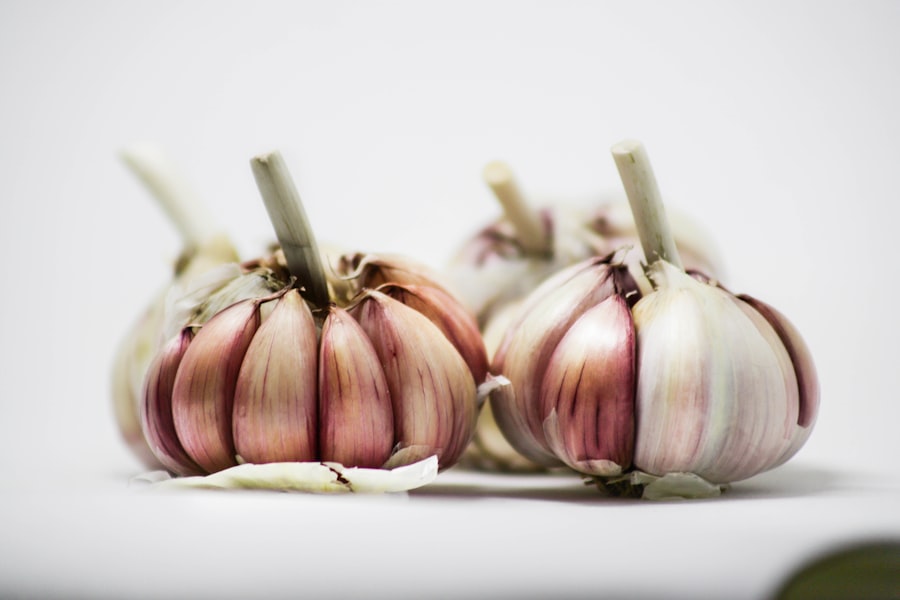
Modern scientific research is increasingly validating many of the traditional claims associated with garlic. While further investigation is ongoing, current evidence points to several promising applications.
Cardiovascular Health
Garlic has garnered significant attention for its potential role in supporting cardiovascular well-being. This is a critical area, as heart disease remains a leading cause of mortality globally.
Blood Pressure Regulation
Some studies suggest that garlic supplementation may contribute to minor reductions in blood pressure, particularly in individuals with hypertension. The mechanisms proposed include the relaxation of blood vessels and improvement in nitric oxide availability, which plays a role in vasodilation. While the effects are generally modest, for individuals on the cusp of hypertension or with mild elevation, garlic may act as a supplementary aid.
Cholesterol Management
Research indicates that garlic, particularly aged garlic extract, may help lower total and LDL (“bad”) cholesterol levels. This effect is thought to be mediated by its ability to inhibit cholesterol synthesis in the liver. However, the impact on HDL (“good”) cholesterol and triglycerides is less consistent across studies. Integrating garlic into a heart-healthy diet can be seen as adding another layer of defense against cholesterol buildup, like a small but sturdy sandbag against a rising tide.
Anti-platelet Effects
Garlic compounds have demonstrated anti-platelet aggregation properties, meaning they can help prevent blood clots. This mechanism is similar to that of certain medications, but typically milder. While not a substitute for prescribed anticoagulants, this effect contributes to garlic’s potential cardiovascular protective profile by improving blood flow and reducing the risk of thrombotic events.
Immune System Support
Garlic has long been considered a natural immune booster, and some scientific evidence supports this traditional belief.
Antimicrobial Properties
Garlic’s sulfur compounds exhibit broad-spectrum antimicrobial activity against various bacteria, viruses, fungi, and parasites. This is a cornerstone of its historical use in combating infections. Allicin, in particular, has been shown to disrupt bacterial cell walls and inhibit fungal growth. Think of garlic as a natural, multifaceted shield against common pathogens.
Cold and Flu Prevention
Several studies suggest that regular garlic consumption might reduce the frequency and severity of common colds and flu. While not a cure, it may bolster the body’s natural defenses, potentially shortening illness duration or mitigating symptoms. This effect is likely due to its general immune-modulating properties rather than a direct antiviral effect on every pathogen.
Anti-inflammatory and Antioxidant Properties
Chronic inflammation and oxidative stress are implicated in numerous chronic diseases. Garlic possesses properties that may help mitigate these processes.
Reducing Oxidative Stress
Garlic contains antioxidants that can neutralize free radicals, unstable molecules that damage cells and contribute to aging and disease. By acting as a scavenger of these harmful molecules, garlic helps protect cellular integrity, much like a rust-proofing spray protects metal from corrosion.
Modulating Inflammation
Some components of garlic have demonstrated anti-inflammatory effects. They may help regulate inflammatory pathways in the body, potentially reducing systemic inflammation. This makes garlic a valuable dietary addition for individuals seeking to support overall cellular health and reduce the burden of chronic inflammation.
Other Potential Benefits
While research in these areas is often nascent or less conclusive, preliminary findings suggest other intriguing health benefits.
Cancer Prevention
Laboratory and animal studies have indicated that garlic compounds may possess anti-cancer properties, particularly against certain types of cancers like colorectal, stomach, and prostate cancer. These effects are attributed to their ability to inhibit tumor growth, induce apoptosis (programmed cell death), and modulate detoxification enzymes. However, human epidemiological studies have yielded mixed results, and more robust clinical trials are needed.
Blood Sugar Regulation
Some studies suggest that garlic may help improve insulin sensitivity and lower blood sugar levels, particularly in individuals with diabetes. The mechanisms are not fully elucidated but may involve enhanced insulin secretion and reduced glucose production. This area requires further investigation before definitive recommendations can be made.
Culinary Uses
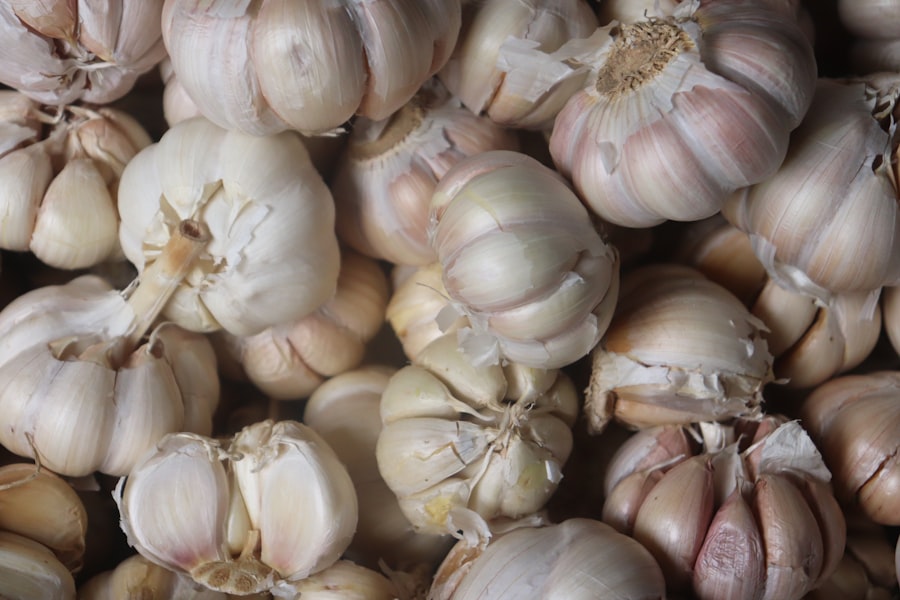
Garlic’s versatility in the kitchen is unparalleled. It is a fundamental ingredient in countless cuisines worldwide, lending depth and complexity to dishes. Its aroma and flavor transform based on preparation methods.
Forms of Garlic
Garlic is available in various forms, each offering distinct characteristics for culinary application.
Fresh Garlic
This is the most common and versatile form. Whole heads can be stored for weeks. Individual cloves can be peeled and then chopped, minced, sliced, or crushed. The method of preparation significantly impacts flavor intensity. For instance, finely minced garlic releases more allicin and therefore a stronger, more pungent flavor. Think of fresh garlic as the raw canvas upon which culinary artistry begins.
Garlic Powder
Made from dehydrated and ground garlic cloves, garlic powder offers a convenient alternative to fresh garlic. It provides a more mellow, less pungent flavor and is excellent for rubs, marinades, and dishes where a smooth texture is desired. It disperses easily and adds a consistent garlic note.
Granulated Garlic
Similar to garlic powder but with a coarser texture, granulated garlic offers a flavor profile between fresh garlic and powder. It’s often used in spice blends and as a seasoning where a subtle garlic essence is needed without the intensity of fresh garlic.
Aged Garlic Extract
This refers to garlic that has been aged in an alcohol-water solution for an extended period. The aging process modifies the sulfur compounds, resulting in a less pungent aroma and a higher concentration of certain beneficial compounds. It is primarily used as a dietary supplement but can also be incorporated into dressings or sauces where a mild garlic flavor is desired.
Cooking Applications
Garlic’s culinary application is limited only by imagination. It plays both a starring and supporting role in diverse dishes.
Enhancing Savory Dishes
Garlic forms the aromatic foundation for many savory dishes, from stir-fries and pasta sauces to stews and roasts. It pairs well with a vast array of ingredients, including vegetables, meats, and grains. Sautéing garlic in oil before adding other ingredients is a common technique to infuse the entire dish with its distinctive flavor.
Flavoring Oils and Vinegars
Infusing olive oil or vinegar with garlic creates flavorful condiments that can be used for dressings, marinades, or dipping. This slow infusion process allows the garlic’s essence to permeate the liquid, offering a more nuanced flavor profile. Remember to store garlic-infused oils properly to prevent botulism.
Raw Preparations
While cooking mellows garlic’s flavor, raw garlic offers a potent, sharp kick. It is a key ingredient in pesto, aioli, and various salad dressings. Using raw garlic, however, requires judiciousness to avoid overwhelming other flavors. A little goes a long way, like a potent spice that provides just the right amount of heat.
Garlic is not only a popular culinary ingredient but also boasts numerous health benefits that have been widely studied. For those interested in exploring how various factors can influence online visibility, you might find it intriguing to read about the impact of Google reviews on SEO. This article provides valuable insights into how customer feedback can enhance your online presence, much like how garlic can enhance the flavor of your dishes. To learn more, check out the article on Google reviews and their impact on SEO.
Potential Side Effects and Precautions
While generally safe for most individuals, garlic can cause some side effects, particularly when consumed in large quantities or by sensitive individuals.
Common Side Effects
The most common side effects include bad breath (halitosis) and body odor, due to the sulfur compounds being released through breath and skin pores. Some individuals may also experience heartburn, stomach upset, or flatulence. These are typically mild and transient.
Allergic Reactions
Although rare, allergic reactions to garlic can occur, ranging from skin rashes and hives to more severe symptoms like anaphylaxis. Individuals with known allergies to other members of the Allium family (onions, leeks) should exercise caution.
Drug Interactions
Garlic can interact with certain medications. Its anti-platelet properties mean it can increase the risk of bleeding when taken with anticoagulant (blood-thinning) medications like warfarin or anti-platelet drugs like aspirin. It may also interact with medications for HIV/AIDS and can potentially lower blood sugar, requiring monitoring for individuals on diabetic medications. Always consult a healthcare professional before taking garlic supplements, especially if on medication or anticipating surgery.
Conclusion
Garlic stands as a testament to the enduring power of natural ingredients. Its rich history, impressive nutritional profile, and scientifically supported health benefits solidify its status not just as a culinary staple but as a functional food. From ancient remedies to modern kitchens, garlic continues to offer both flavor and potential vitality, a humble bulb with a profound impact. As with any dietary component, moderation and awareness of individual health conditions are key to harnessing its full potential.