

 Thomas Kelly
17 February 2026
Thomas Kelly
17 February 2026
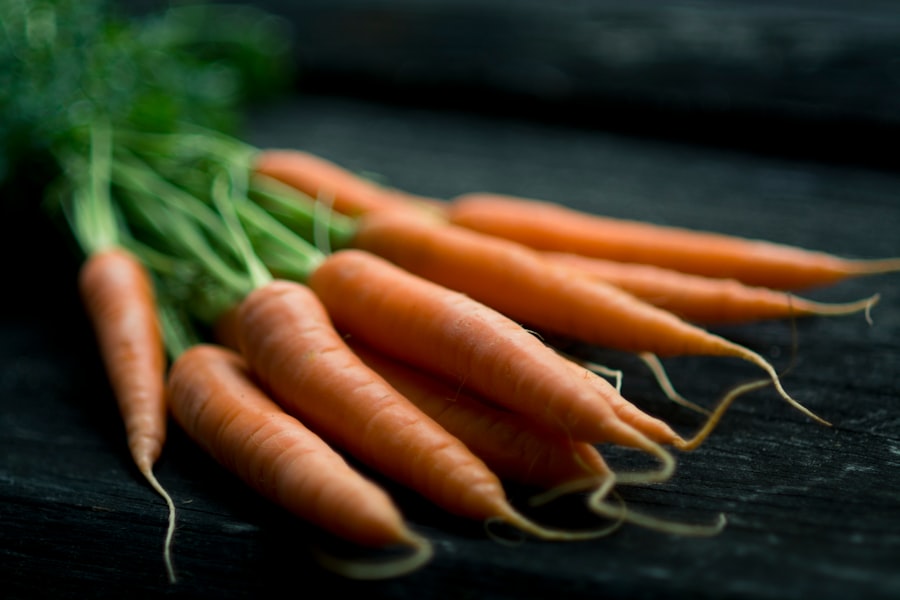
Carrots (Daucus carota subsp. sativus) are root vegetables, typically orange in color, though purple, black, red, white, and yellow cultivars also exist. They are members of the Apiaceae family, which includes parsley, celery, and parsnips. Originating in Persia, carrots were initially cultivated for their leaves and seeds. The edible root, a taproot, developed later in their cultivation history. As a widely consumed vegetable, carrots provide a range of nutritional benefits. This article explores the scientific basis for these benefits and offers practical guidance for incorporating carrots into a balanced diet.
Carrots are often recognized for their beta-carotene content, but their nutritional spectrum extends beyond this single compound. A raw carrot (approximately 61g) contains a significant amount of water (88%), carbohydrates (9.6g), and minimal protein (0.6g) and fat (0.1g). The caloric content is relatively low, around 25 calories per medium-sized carrot.
Macronutrients
- Carbohydrates: The primary carbohydrate in carrots is sugar, including sucrose, glucose, and fructose, contributing to their distinctly sweet taste. Carrots also contain dietary fiber, both soluble and insoluble. Soluble fiber, such as pectin, can contribute to healthy blood sugar regulation and cholesterol reduction. Insoluble fiber aids in digestive regularity and adds bulk to stool.
- Protein: While not a significant source of protein, carrots do contain a small amount of amino acids.
- Fats: Carrots are virtually fat-free, making them a suitable component of low-fat dietary approaches.
Micronutrients
Carrots are a rich source of various vitamins and minerals essential for human health.
- Vitamin A (from Beta-Carotene): The most notable micronutrient in carrots is beta-carotene, a powerful antioxidant and provitamin A carotenoid. The body converts beta-carotene into Vitamin A (retinol), which is crucial for vision, immune function, cell growth, and skin health. A single medium carrot can provide well over 100% of the recommended daily allowance (RDA) for Vitamin A.
- Vitamin K1 (Phylloquinone): Vitamin K1 is vital for blood clotting and bone health. Carrots provide a notable amount of this fat-soluble vitamin.
- Biotin (Vitamin B7): Biotin plays a role in metabolism, particularly in the processing of fats and carbohydrates.
- Potassium: An essential electrolyte, potassium is involved in blood pressure regulation, nerve function, and muscle contractions.
- Vitamin B6: Involved in numerous enzymatic reactions in the body, Vitamin B6 supports brain function, metabolism, and immune health.
If you’re interested in exploring unique wellness practices, you might find the article on naked yoga in Australia particularly intriguing. This practice not only promotes physical health but also encourages body positivity and self-acceptance. To learn more about this fascinating approach to fitness, you can read the article here: Naked Yoga in Australia.
Health Benefits Attributed to Carrot Consumption
The nutrient composition of carrots underpins several potential health benefits. These benefits are often cumulative, resulting from the synergistic action of various compounds present in the vegetable.
Vision and Eye Health
The association between carrots and good eyesight is deeply ingrained in popular culture. This association is primarily due to their high beta-carotene content.
- Vitamin A Precursor: As a precursor to Vitamin A, beta-carotene is essential for the retina to convert light into electrical signals, which then travel to the brain. Vitamin A deficiency can lead to xerophthalmia, a condition that can progress to night blindness and, if severe, permanent blindness. Regular consumption of carrots can contribute to preventing such deficiencies.
- Protection Against Age-Related Macular Degeneration (AMD): Carotenoids like beta-carotene, along with lutein and zeaxanthin (also found in smaller amounts in carrots), are deposited in the macula of the eye. These compounds act as a natural filter against harmful blue light and protect against oxidative damage, which is a factor in AMD development. While carrots are not a primary source of lutein and zeaxanthin compared to leafy greens, their contribution to overall carotenoid intake is noteworthy.
Antioxidant Properties and Cancer Prevention
Carrots possess significant antioxidant capacity, largely attributed to their carotenoid content. These antioxidants combat oxidative stress, a process linked to various chronic diseases, including certain cancers.
- Carotenoids as Antioxidants: Beyond beta-carotene, carrots contain alpha-carotene and lutein, all of which exhibit antioxidant activity. These compounds neutralize free radicals, unstable molecules that can damage cells and DNA.
- Falcarniol: Research has isolated falcarinol from carrots, a polyacetylene compound that has demonstrated cytotoxic effects against certain cancer cells in laboratory studies. While promising, further human research is required to establish its full impact on cancer prevention in living organisms.
- Dietary Fiber and Colon Health: The fiber content in carrots contributes to a healthy digestive system. Adequate fiber intake is associated with a reduced risk of colorectal cancer by promoting regular bowel movements and helping to remove carcinogens from the digestive tract.
Cardiovascular Health
Incorporating carrots into a balanced diet can contribute to cardiovascular well-being through several mechanisms.
- Potassium and Blood Pressure: Carrots are a good source of potassium, an electrolyte crucial for maintaining healthy blood pressure levels. Potassium helps to counteract the effects of sodium, promoting vasodilation and reducing strain on the cardiovascular system.
- Dietary Fiber and Cholesterol: The soluble fiber in carrots can bind to cholesterol in the digestive tract, preventing its absorption and promoting its excretion. This mechanism can contribute to lowering LDL (“bad”) cholesterol levels, a risk factor for atherosclerosis and heart disease.
- Antioxidants and Arterial Health: The antioxidants in carrots can help protect against oxidative damage to blood vessel walls, which is an initial step in the development of atherosclerosis. By reducing oxidative stress, carrots may contribute to maintaining arterial flexibility and function.
Incorporating Carrots into Your Diet

Carrots are a versatile vegetable that can be consumed in numerous ways, both raw and cooked. The bioavailability of certain nutrients, particularly carotenoids, can be influenced by preparation methods.
Raw Consumption
Raw carrots offer a crisp texture and a sweet flavor, making them suitable for various applications.
- Snacks: Fresh carrot sticks are a convenient and healthy snack. They can be paired with dips like hummus or yogurt-based dressings.
- Salads: Shredded or sliced raw carrots add crunch, sweetness, and color to salads.
- Juicing: Carrot juice is a popular beverage, though it concentrates sugars and removes fiber. When juicing, consider combining carrots with other vegetables for a more balanced nutrient profile.
Cooked Consumption
Cooking can alter the texture and flavor of carrots. It can also enhance the bioavailability of certain carotenoids.
- Sautéing and Roasting: Lightly sautéing or roasting carrots with a small amount of healthy fat (e.g., olive oil) can improve the absorption of fat-soluble vitamins like Vitamin A (from beta-carotene) and K1. The heat helps break down cell walls, releasing the carotenoids.
- Soups and Stews: Carrots are a staple ingredient in many soups and stews, adding sweetness and depth of flavor. Prolonged cooking in liquids can lead to some vitamin loss, particularly water-soluble vitamins like Vitamin B6. However, the overall nutritional contribution remains significant.
- Steaming: Steaming is a gentler cooking method that helps retain more nutrients compared to boiling. Steamed carrots are a tender and flavorful side dish.
- Baking: Carrots can be incorporated into baked goods like carrot cake, muffins, and breads. While these items can be delicious, their nutritional profile is often influenced by added sugars and fats.
Storage and Preparation Tips
Proper handling and storage are crucial to maintain the freshness and nutrient content of carrots.
- Storage: Store unwashed carrots in a cool, dark, and slightly humid place, such as the crisper drawer of your refrigerator. If purchased with greens attached, remove the greens to prevent them from drawing moisture from the roots and causing them to wilt faster.
- Washing: Wash carrots thoroughly under running water, scrubbing them gently with a vegetable brush to remove any soil. Peeling is optional; many nutrients reside close to the skin. If peeling, use a thin peeler to minimize nutrient loss.
- Optimal Absorption: To maximize the absorption of fat-soluble vitamins, consume carrots with a source of healthy fat, such as olive oil, avocado, or nuts. This dietary fat acts as a vehicle, facilitating the uptake of these vitamins in the digestive system.
Potential Concerns and Considerations
While generally safe and beneficial, a few considerations exist regarding carrot consumption.
Carotenemia
Excessive consumption of carrots, or other foods high in beta-carotene, can lead to a harmless condition called carotenemia.
- Skin Discoloration: Carotenemia manifests as a yellowish-orange discoloration of the skin, particularly noticeable on the palms of the hands and soles of the feet. This occurs when large amounts of beta-carotene accumulate in the outer layers of the skin.
- Reversibility: Carotenemia is benign and resolves when carrot consumption is reduced. It is distinct from jaundice, which is caused by elevated bilirubin levels and affects the whites of the eyes.
Allergic Reactions
Although rare, some individuals may experience allergic reactions to carrots.
- Symptoms: Symptoms can range from oral allergy syndrome (itching or tingling in the mouth) to more severe reactions like skin rashes, swelling, or digestive upset.
- Pollen-Food Syndrome: Carrot allergy is sometimes linked to pollen-food syndrome, where individuals allergic to certain pollens (e.g., birch pollen) experience allergic reactions to similar proteins found in some fruits and vegetables, including carrots. Cooking can sometimes denature these proteins, reducing allergenicity.
Pesticide Residues
As root vegetables, carrots can absorb pesticides from the soil.
- Organic vs. Conventional: Choosing organic carrots can minimize exposure to synthetic pesticides. If opting for conventionally grown carrots, thorough washing and peeling can help reduce surface residues.
- “Clean Fifteen” and “Dirty Dozen”: Organizations like the Environmental Working Group (EWG) publish lists ranking produce by pesticide residue levels. Carrots often fall somewhere in the middle.
Carrots are not only a popular vegetable but also a fascinating subject in the context of health and nutrition. Recent studies have highlighted their benefits, including improved vision and immune support. If you’re interested in exploring how technology is shaping our understanding of various foods, you might find the article on current trends in virtual and augmented reality particularly insightful. It discusses how these technologies are being used to enhance our experiences with food, including vegetables like carrots. To learn more, check out this related article.
Conclusion
Carrots are more than just a ubiquitous kitchen staple; they are a nutritional powerhouse. Their rich content of beta-carotene, a precursor to Vitamin A, along with other essential vitamins, minerals, and antioxidants, positions them as a valuable component of a health-promoting diet. From supporting vision and cardiovascular health to potentially contributing to cancer prevention and immune function, the benefits of regular carrot consumption are well-documented.
By understanding their nutritional profile and incorporating them appropriately into a balanced dietary pattern, you, the reader, can leverage this modest root vegetable to support your overall well-being. Whether enjoyed raw as a crisp snack, roasted as a flavorful side, or blended into a nourishing soup, carrots offer a straightforward and accessible path to enhancing your nutritional intake. Their versatility and widespread availability make them an approachable tool in the pursuit of sustained health.