
 Thomas Kelly
27 June 2026
Thomas Kelly
27 June 2026
Civil engineering is a big field, constantly evolving to meet the challenges of our planet. The question on many minds is, “How is civil engineering building a sustainable future?” In short, it’s through a combination of smarter materials, innovative design, and a deep focus on minimizing environmental impact while maximizing efficiency and resilience. We’re moving beyond just building bigger and faster to building better and smarter for the long haul.
The materials we use today have a huge impact on the environment. Think about concrete and steel – the backbone of so many structures. Their production often involves significant energy consumption and greenhouse gas emissions. But things are changing. Civil engineers are actively seeking out and implementing alternatives that are not only sustainable but often perform just as well, if not better.
The Rise of Recycled and Reclaimed Content
It might sound obvious, but reusing what we already have is a cornerstone of sustainability. This extends to construction materials.
Recycled Aggregates in Concrete
Instead of quarrying virgin rock, we’re increasingly crushing down old concrete, asphalt, and even glass to use as aggregate in new concrete mixes. This diverts waste from landfills and reduces the need for raw material extraction. The process involves careful testing and quality control to ensure the recycled materials meet the required strength and durability standards. It’s a practical way to close the loop in construction.
Reclaimed Timber and Steel
When old buildings are demolished, the timber and steel components can often be salvaged and repurposed. Reclaimed timber can be used for structural elements or decorative finishes in new projects, adding character and history. Similarly, salvaged steel beams can be incorporated into new designs, saving the energy and resources that would be needed to produce new steel.
Bio-Based and Low-Carbon Alternatives
Beyond recycling, there’s a growing interest in materials that are inherently more eco-friendly from their inception.
Engineered Wood Products
Cross-laminated timber (CLT) and glulam (glued laminated timber) are fantastic examples. These engineered wood products use layers of lumber bonded together to create incredibly strong structural components that can rival steel and concrete in many applications. Wood sequesters carbon dioxide as it grows, making these materials a way to literally build with stored carbon. They also tend to be lighter, which can simplify transportation and foundation requirements.
Geopolymers and Other Novel Cements
Traditional Portland cement production is a major source of CO2 emissions. Geopolymers, which are made from industrial byproducts like fly ash and slag, offer a promising alternative. They can be produced with significantly lower carbon footprints and can even have enhanced durability and resistance to harsh environments. Research is ongoing to make these materials more widely available and compatible with existing construction practices.
Hempcrete and Bamboo Structures
Hempcrete, a mix of hemp hurds and lime-based binder, is a breathable, insulating, and carbon-sequestering material gaining traction. It’s used for walls and insulation. Bamboo, with its rapid growth rate and incredible tensile strength, is also being explored and used more in structural applications, especially in regions where it’s abundant. Its lightweight nature makes it ideal for seismic areas.
Smart Infrastructure: Systems That Think and Adapt
The “smart city” concept isn’t just about flashy technology; it’s fundamentally about making our infrastructure work more efficiently and intelligently, which directly translates to sustainability. By integrating sensors, data analytics, and advanced controls, we can optimize resource usage, predict maintenance needs, and enhance the overall performance and lifespan of our built environment.
Data-Driven Decision Making for Asset Management
Gone are the days of simply inspecting infrastructure on a fixed schedule. Smart technologies allow for continuous monitoring.
Sensor Networks for Real-Time Monitoring
Imagine bridges that constantly report on their structural integrity, or water pipes that alert us to leaks before they become major problems. Advanced sensors embedded in materials and structures can provide real-time data on stress, strain, temperature, and even chemical composition. This data is crucial for understanding how our infrastructure is performing and for identifying potential issues before they escalate.
Predictive Maintenance and Condition Assessment
Analyzing the data from sensor networks allows engineers to move from a reactive maintenance approach to a predictive one. Instead of fixing things when they break, we can anticipate failures and schedule maintenance proactively. This saves money, reduces downtime, and extends the life of assets, thereby reducing the need for premature replacements and the associated environmental impact.
Optimizing Resource Flow and Consumption
Smart systems are key to managing resources like water, energy, and waste more effectively.
Intelligent Transportation Systems (ITS)
ITS aims to optimize traffic flow, reduce congestion, and improve the efficiency of public transport. This translates to less idling time for vehicles, lower fuel consumption, and reduced air pollution. Smart traffic signals, real-time navigation apps, and integrated public transit systems all contribute to a more sustainable urban mobility.
Smart Water Management and Distribution
Water scarcity is a growing concern. Smart water systems use sensors to monitor water quality and demand, detect leaks in real-time, and optimize distribution. This ensures that water is used efficiently, reducing waste and energy consumption associated with pumping and treating water. Real-time data allows for more targeted interventions when and where they are needed.
Waste Management and Resource Recovery
Smart bins that signal when they are full can optimize collection routes, reducing fuel consumption for waste trucks. Furthermore, advancements in sorting and recycling technologies, often driven by AI and robotics, are improving the recovery of valuable materials from waste streams, further contributing to a circular economy.
Resilient Design: Building for a Changing Climate
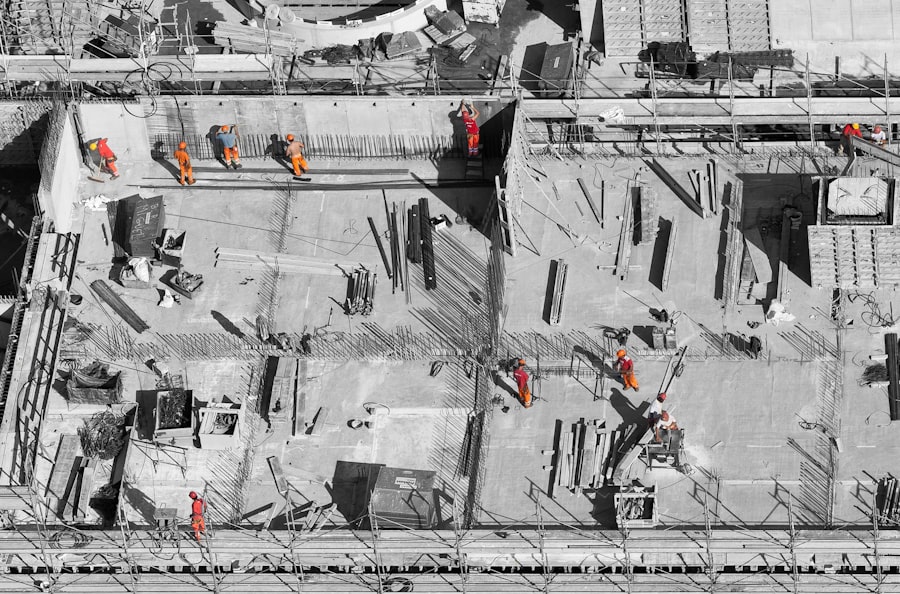
Climate change is presenting civil engineers with new and significant challenges, from more extreme weather events to rising sea levels. Building resilience into our infrastructure is no longer an option; it’s a necessity. This means designing structures and systems that can withstand these shocks and stresses, adapt to changing conditions, and recover quickly if disruptions occur.
Adapting to Extreme Weather Events
The frequency and intensity of storms, floods, and heatwaves are increasing. Our infrastructure needs to be built to handle this.
Flood Defense and Water Management Systems
Coastal defenses are being rethought with nature-based solutions like living shorelines and restored wetlands alongside advanced engineering. Inland, intelligent flood management systems that can dynamically control water flow through dams and levees are being developed. Permeable pavements are also being incorporated into urban design to help manage stormwater runoff and reduce the strain on drainage systems.
Wind and Seismic Resistance Innovations
Buildings and bridges are being engineered with advanced damping systems and materials that can better absorb the forces of high winds and earthquakes. Aerodynamic design plays a crucial role in reducing wind loads on tall structures. For seismic zones, seismic isolation bearings and energy dissipation devices are becoming standard practice to protect structures from ground motion.
Addressing Sea Level Rise and Coastal Erosion
The impacts of rising sea levels are a major concern for coastal communities and infrastructure.
Innovative Coastal Protection Strategies
Beyond traditional seawalls, engineers are exploring options like offshore breakwaters, artificial reefs, and elevated infrastructure. The concept of “managed retreat” for some vulnerable areas is also being considered strategically, supported by engineering solutions. The goal is to protect valuable assets while working with natural processes rather than solely against them.
Climate-Resilient Building Materials and Designs
Materials used in coastal areas need to be resistant to saltwater corrosion and the impacts of storm surges. Designs are incorporating higher ground levels, robust foundations, and materials that can withstand inundation and rapid drying cycles without compromising structural integrity.
The Circular Economy in Construction: Closing the Loop on Waste
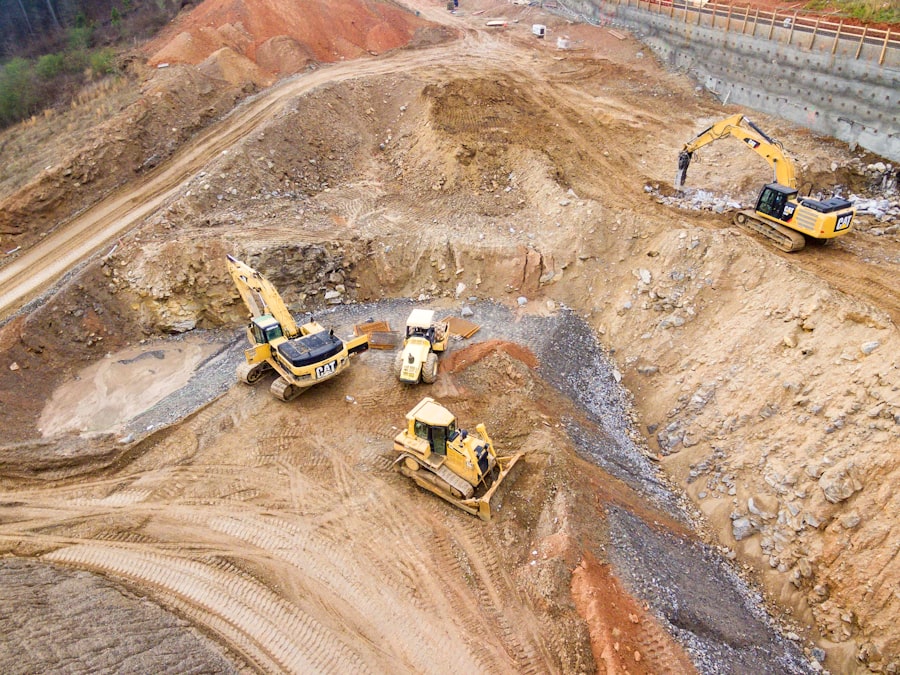
The traditional linear model of “take-make-dispose” is unsustainable. The circular economy in construction is about keeping materials and products in use for as long as possible, at their highest value. This involves designing for disassembly, promoting reuse, and ensuring that waste streams become feedstock for new projects.
Designing for Deconstruction and Disassembly
When a building reaches the end of its life, its components should be easily separated and salvaged.
Modular Construction and Prefabrication
Modular buildings, where sections are built off-site in a controlled environment, are inherently designed for disassembly. Components are standardized and can often be reconfigured or reused in new projects. This reduces on-site construction waste and allows for more efficient material recovery.
Material Passports and Digital Twins
Imagine having a detailed record of every material used in a building, from its origin to its potential for reuse. Material passports provide this information, making it easier to identify valuable components for salvage. Digital twins, virtual replicas of physical assets, can also incorporate this material data, aiding in future deconstruction planning.
Reuse and Repurposing of Building Components
The most direct path to a circular economy is to simply use things again.
Urban Mining and Material Banks
Urban mining refers to the process of extracting valuable materials from existing buildings and infrastructure before they are demolished. Material banks act as repositories for salvaged building components, making them accessible to new construction projects. This shifts the perception of demolition waste from garbage to a valuable resource.
Adaptable and Flexible Building Designs
Designing buildings with flexibility in mind allows them to be adapted for different uses over their lifespan. This reduces the need for complete demolition and reconstruction. For example, a commercial building might be designed with easily reconfigurable internal layouts to accommodate changes in tenant needs, extending its useful life.
Nature-Based Solutions: Working with the Environment, Not Against It
For decades, civil engineering often involved large-scale interventions that altered natural landscapes. Now, there’s a strong movement towards leveraging natural processes to achieve engineering goals. These solutions are often more sustainable, cost-effective in the long run, and can provide co-benefits like improved biodiversity and ecosystem services.
Enhancing Ecosystem Services Through Infrastructure
Instead of just building walls, we’re looking at systems that mimic or enhance natural functions.
Green Infrastructure for Stormwater Management
Green roofs, rain gardens, and bioswales are becoming integral parts of urban infrastructure. These features absorb and filter stormwater, reducing the burden on traditional drainage systems, mitigating floods, and improving water quality. They also create green spaces, enhancing urban biodiversity and aesthetics.
Wetland Restoration for Flood Control and Water Purification
Constructing or restoring wetlands can act as natural sponges, absorbing excess water during floods and releasing it slowly. They also filter pollutants, improving water quality. These areas can also serve as valuable habitats for wildlife.
Integrating Biology and Engineering
The lines between traditional civil engineering disciplines and ecology are blurring.
Bioengineering for Erosion Control and Slope Stabilization
Using plants, soil, and natural fibers to stabilize slopes and prevent erosion is a powerful technique. Revegetation projects, bio-logs, and geotextiles made from natural materials are used to protect riverbanks, road cuts, and construction sites from degradation. This approach is often less visually intrusive and more integrated with the surrounding environment.
Living Shorelines for Coastal Protection
Instead of hard seawalls, living shorelines use natural elements like oyster reefs, marsh grasses, and vegetated dunes to buffer wave energy and protect coastlines from erosion. These systems are dynamic, can adapt to changing conditions, and provide valuable habitat for marine life, unlike monolithic concrete structures.
The Human Element: People, Communities, and Equity
While technology and materials are crucial, the ultimate goal of sustainable civil engineering is to improve the lives and well-being of people, now and in the future. This means considering social equity, community needs, and the long-term impact on human health and happiness when making design and construction decisions.
Inclusive Design for All Users
Infrastructure should be accessible and beneficial to everyone, regardless of age, ability, or background.
Universal Design Principles
Applying universal design principles means creating environments that are usable by all people, to the greatest extent possible, without the need for adaptation or specialized design. This includes features like ramps alongside stairs, tactile paving for the visually impaired, and accessible public spaces.
Community Engagement and Participatory Design
Involving communities in the planning and design process ensures that projects meet their actual needs and preferences. This can lead to more successful and accepted infrastructure that truly serves the people it’s intended for. Local knowledge is invaluable.
Long-Term Social and Economic Impacts
Sustainability goes beyond just environmental concerns. It encompasses the enduring positive impacts on society.
Creating Healthy and Livable Communities
Well-designed infrastructure contributes to healthy communities by providing access to green spaces, promoting active transportation, and ensuring clean air and water. This has direct benefits for public health and quality of life.
Ensuring Equitable Access to Resources and Opportunities
Sustainable civil engineering aims to ensure that the benefits of infrastructure are shared equitably. This means providing access to safe water, reliable transportation, and essential services to all communities, not just the most affluent. It’s about building a fairer future.
Training and Education for the Next Generation
The advancements in civil engineering require a skilled workforce.
Future-Ready Engineering Education
University programs and professional development are increasingly focusing on sustainability, digital technologies, and interdisciplinary approaches. This ensures that future engineers are equipped to tackle the complex challenges ahead.
Lifelong Learning and Skill Adaptation
The field is constantly evolving, so continuous learning is essential. Engineers need to stay updated on new materials, technologies, and best practices to remain effective and contribute to a sustainable built environment.
Ultimately, civil engineering’s journey towards sustainability is about more than just building structures. It’s about creating a built environment that is in harmony with nature, resilient in the face of challenges, and beneficial to all people, for generations to come. It’s a continuous, collaborative effort driven by innovation and a deep sense of responsibility.