
 Thomas Kelly
6 August 2026
Thomas Kelly
6 August 2026
So, what’s new and exciting in engineering technology? Essentially, it’s all about making things smarter, more connected, and a whole lot more sustainable. We’re seeing a huge leap forward in how we design, build, and interact with the world around us, thanks to breakthroughs in areas like AI, advanced materials, and digital tools. It’s not just about building bigger or faster anymore; it’s about building better, more thoughtfully, and with a focus on solving real-world problems.
The biggest buzz in engineering right now is probably around making things “smart.” This isn’t just about your phone anymore; it’s about imbuing everyday objects, complex machinery, and even entire infrastructure systems with the ability to think, learn, and adapt.
Artificial Intelligence and Machine Learning Take the Wheel
AI and ML are no longer theoretical concepts; they’re actively transforming how engineers approach their work. Think of it as giving machines a brain.
- Predictive Maintenance: Instead of waiting for a machine to break down (which can be costly and disruptive), AI can analyze data from sensors to predict when maintenance will be needed. This means fewer unexpected shutdowns and longer lifespans for equipment. Imagine an engine that tells you it needs a check-up before it actually starts making a weird noise.
- Design Optimization: AI can crunch through countless design permutations in a fraction of the time it would take a human. This leads to more efficient, lighter, and stronger products. Engineers can explore more innovative solutions they might not have considered otherwise.
- Robotics and Automation: AI is the engine behind more sophisticated robots. These aren’t just the clunky assembly line robots of the past. We’re talking about robots that can collaborate with humans, perform intricate tasks, and navigate complex environments. This is a game-changer for manufacturing, logistics, and even healthcare.
The Internet of Things (IoT) Connects Everything
The IoT is the invisible network that allows devices to communicate with each other and with us. It’s the nervous system of our increasingly digital world.
- Data, Data Everywhere: Every connected device, from a smart thermostat to a massive industrial sensor, generates data. This data is the fuel for AI and ML, allowing systems to understand patterns and make better decisions.
- Seamless Integration: Imagine a bridge that can monitor its own structural integrity, a power grid that can adjust to demand in real-time, or a city where traffic lights adapt to actual traffic flow. IoT makes these kinds of interconnected systems possible.
- Personalized Experiences: In consumer products, IoT allows for unprecedented customization. Your home can learn your preferences, your car can anticipate your needs, and your health devices can provide continuous, personalized feedback.
Materials Science: Building with the Future in Mind
What we build with matters just as much as how we build it. Materials science is seeing a revolution, with engineers developing substances that are stronger, lighter, more adaptable, and more environmentally friendly than ever before.
Advanced Composites: Lightweight and Stronger Than Ever
Composites, materials made from two or more constituent materials with significantly different physical or chemical properties, are becoming increasingly sophisticated.
- Carbon Fiber’s Evolution: While carbon fiber has been around, its applications are expanding rapidly. It’s not just for high-performance cars and aircraft anymore. We’re seeing it used in everything from sporting goods to medical implants due to its incredible strength-to-weight ratio.
- Tailored Properties: Engineers can now design composite materials with very specific properties, like extreme heat resistance or electrical conductivity, depending on the application. This opens up possibilities in areas like aerospace and energy.
Smart Materials: Responding to Their Environment
These are materials that can change their properties in response to external stimuli like temperature, light, or electric fields.
- Self-Healing Materials: Imagine concrete that can repair its own cracks or coatings that mend themselves when scratched. This technology could drastically increase the lifespan of structures and reduce maintenance costs.
- Shape Memory Alloys: These are metals that can “remember” their original shape and return to it after being deformed. They have applications in everything from medical devices (like stents) to aerospace components where precise deployment is critical.
Sustainable and Biodegradable Materials
With a growing focus on environmental impact, there’s a huge push towards materials that are either renewable or can break down naturally.
- Bioplastics and Bio-composites: Derived from renewable biological sources like corn starch or algae, these materials offer a greener alternative to traditional plastics. Research is making them stronger and more versatile for a wider range of applications.
- Recycled and Upcycled Materials: Engineers are finding innovative ways to incorporate recycled materials into new products, reducing waste and the demand for virgin resources. This includes everything from recycled plastics in construction to advanced metal alloys made from scrap.
Digital Engineering: Designing in the Virtual World
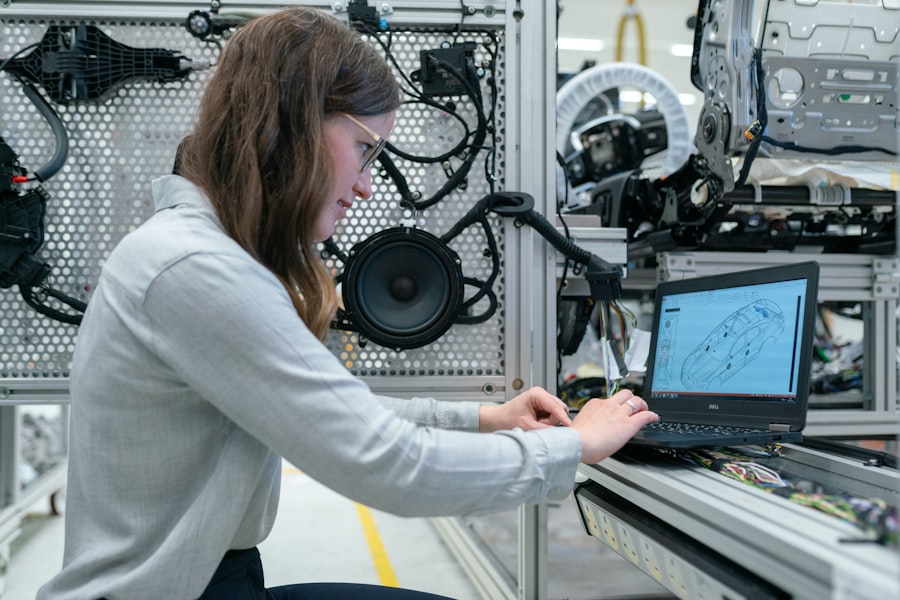
The way we design and simulate our creations has undergone a seismic shift. Digital tools are allowing engineers to be more creative, efficient, and accurate than ever before.
Generative Design: AI as Your Design Partner
This is where AI actively participates in the design process, suggesting multiple optimized solutions based on specified constraints.
- Beyond Human Intuition: Generative design can explore design spaces that a human designer might not even think of, leading to radically new and efficient forms. It’s particularly useful for complex structures where weight or material usage is critical.
- Rapid Iteration: Instead of manual drafting and testing, engineers can quickly generate and evaluate a multitude of design options, accelerating the innovation cycle.
Digital Twins: A Virtual Mirror of Reality
A digital twin is a virtual replica of a physical asset, process, or system. It’s fed with real-time data, allowing for simulation, analysis, and prediction.
- Performance Monitoring and Optimization: By simulating different scenarios on the digital twin, engineers can optimize the performance of the physical asset without risking damage or downtime in the real world.
- Predictive Analysis: Imagine a factory owner being able to simulate the impact of a new production line before it’s even built, or an astronaut being able to test repairs on a spacecraft in a virtual environment. Digital twins make this possible.
- Training and Education: Digital twins provide an incredibly realistic environment for training personnel without any real-world risk.
Advanced Simulation and Modeling
The power of computational simulation has grown exponentially, allowing engineers to test the limits of designs before they are physically built.
- Virtual Prototyping: Instead of building expensive physical prototypes for every iteration, engineers can extensively test virtual models under various conditions, saving time and money.
- Complex System Analysis: From the aerodynamics of an aircraft to the flow of blood in a human heart, complex physical phenomena can be modeled and analyzed with remarkable accuracy.
Sustainable Engineering: Building a Greener Tomorrow
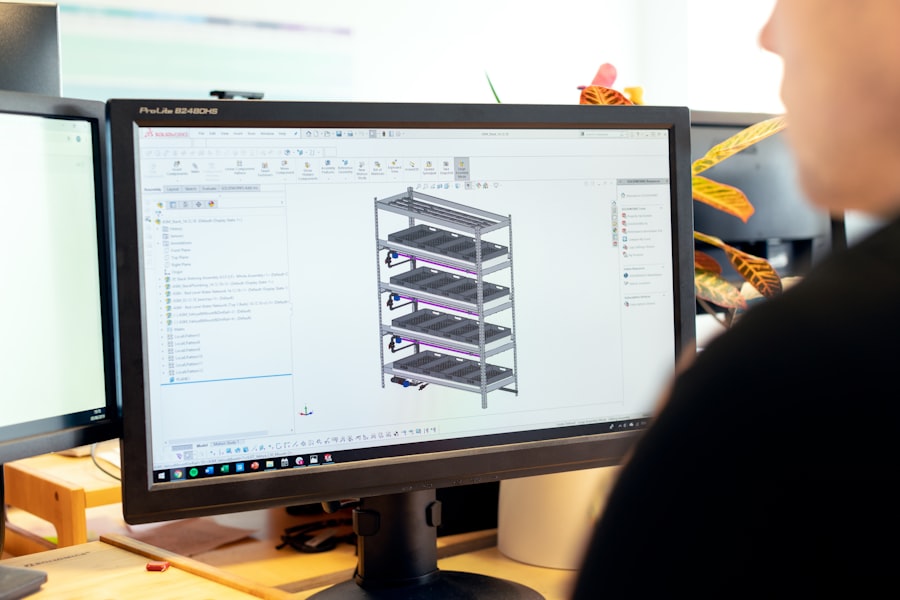
The future of engineering is inextricably linked to sustainability. This isn’t just a nice-to-have; it’s a fundamental requirement for long-term viability and responsible innovation.
Circular Economy Principles
Moving away from a linear “take-make-dispose” model, the circular economy emphasizes reuse, repair, and recycling.
- Designing for Disassembly: Products are being designed with their end-of-life in mind, making it easier to separate components for repair, refurbishment, or recycling.
- Resource Efficiency: Engineers are focused on minimizing material usage, energy consumption, and waste generation throughout the entire product lifecycle.
Renewable Energy Technologies
The transition to renewable energy sources is a massive engineering undertaking, driving innovation in a variety of fields.
- Advanced Solar and Wind Technologies: Improvements in material science and design are leading to more efficient solar panels and wind turbines, capable of generating more power with a smaller footprint.
- Energy Storage Solutions: A key challenge for renewables is intermittency. Breakthroughs in battery technology, hydrogen fuel cells, and other storage methods are crucial for grid stability.
- Smart Grids: These intelligent electricity networks use digital communication technology to detect and react to local changes in usage, improving efficiency and reliability.
Environmental Remediation and Monitoring
Engineering solutions are vital for cleaning up past environmental damage and preventing future harm.
- Advanced Water Purification: New filtration and treatment technologies are essential for providing clean water in a world facing increasing scarcity and pollution.
- Carbon Capture and Sequestration: Engineers are developing methods to capture carbon dioxide emissions from industrial sources and the atmosphere, aiming to mitigate climate change.
- Environmental Sensors and Data Analysis: Sophisticated sensors and AI-powered analysis are providing real-time data on air and water quality, pollution levels, and ecosystem health, enabling proactive interventions.
The Human Element: Collaboration and Ethics
While technology is advancing at lightning speed, it’s crucial to remember that engineering is ultimately a human endeavor.
Interdisciplinary Collaboration
Complex problems rarely have simple, single-discipline solutions. The most exciting innovations are happening at the intersection of different fields.
- Engineers and Scientists Working Together: Combining the practical application focus of engineering with the foundational research of science leads to breakthroughs that might otherwise remain theoretical.
- Bridging the Gap with Other Professions: Engineers are increasingly collaborating with designers, ethicists, social scientists, and even artists to ensure that new technologies are not only functional but also user-friendly, equitable, and socially responsible.
Ethical Considerations in Engineering
As technology becomes more powerful, so does the responsibility of the engineers who create it.
- AI Ethics and Bias: Engineers are grappling with how to develop AI systems that are fair, unbiased, and transparent, avoiding the perpetuation of societal inequalities.
- Data Privacy and Security: With the rise of IoT and data collection, ensuring the privacy and security of personal information is a paramount ethical concern for engineers.
- The Impact on Society: Engineers must consider the broader societal implications of their work, from job displacement due to automation to the accessibility of new technologies for all.
The Future of the Engineering Workforce
The skills needed for engineers are evolving. Continuous learning and adaptability are key.
- Lifelong Learning: The pace of technological change means that engineers will need to constantly update their knowledge and skills throughout their careers.
- Soft Skills are Key: Beyond technical expertise, skills like communication, problem-solving, critical thinking, and collaboration are becoming increasingly important.
- Embracing New Tools: Proficiency with digital design software, AI tools, and data analytics platforms will be standard requirements.
In short, the future of engineering technology is incredibly dynamic and promising. It’s about building a smarter, more sustainable, and more connected world, driven by innovation that is increasingly powered by intelligence, informed by advanced materials, and realized through powerful digital tools, all while keeping a keen eye on ethical implications and human needs.