
 Thomas Kelly
5 July 2026
Thomas Kelly
5 July 2026
So, you want to get good at software engineering, really good? It boils down to a continuous cycle of learning, building, and reflecting. It’s not about finding a magic bullet, but consistently applying practical strategies to develop your skills and hone your craft. Think of it less as a destination and more as an ongoing journey.
Before you start optimizing your latest algorithm, make sure you understand the basics inside and out. This isn’t just about passing tests; it’s about building a robust mental model that will serve you throughout your career.
Grasp Core Computer Science Principles
You don’t need a PhD in CS to be a great software engineer, but understanding the fundamentals is non-negotiable.
Data Structures and Algorithms
This is your bread and butter. Knowing how arrays, linked lists, trees, graphs, and hash tables work, along with common algorithms like sorting and searching, enables you to pick the right tool for the job. It’s not about memorizing solutions, but understanding time and space complexity, and how different structures impact performance. This knowledge directly translates to writing efficient and scalable code. Without it, you’re essentially trying to build a house without understanding how bricks and mortar work – it might stand for a bit, but it won’t be structurally sound.
Operating Systems
Even if you primarily work at the application layer, a basic understanding of how operating systems manage processes, memory, and file systems will make you a more well-rounded engineer. This knowledge helps you diagnose performance issues, understand concurrency, and write code that interacts efficiently with the underlying system. For instance, knowing about context switching helps you understand why certain multi-threaded operations might not yield the expected speedup.
Networking Fundamentals
In today’s interconnected world, almost every application relies on networks. Understanding TCP/IP, HTTP, DNS, and common network protocols is crucial for building robust distributed systems. You’ll better debug connectivity issues, understand latency, and design systems that communicate effectively. Ever wondered why your API call is slow? A grasp of networking can often point you in the right direction long before you start looking at your code.
Database Foundations
Whether it’s SQL or NoSQL, a solid understanding of database concepts – normalization, indexing, transactions, ACID properties – is essential. This allows you to design efficient schemas, write optimized queries, and manage data effectively. A poorly designed database can cripple even the most well-written application code. Understanding these concepts helps you prevent those bottlenecks from ever forming.
Code, And Then Code Some More
Learning is passive; doing is active. The only way to get better at writing code is to write a lot of it. And then review it, and then refactor it.
Personal Projects Are Your Playground
Don’t wait for a job to start building. Personal projects are your opportunity to experiment, learn new technologies, and solidify your understanding without the pressure of strict deadlines or client demands.
Pick Something You’re Interested In
If you’re excited about the project, you’re more likely to stick with it. It could be a simple web app, a mobile game, a command-line tool, or even a script to automate a tedious task in your daily life. The goal is engagement, not grandeur.
Focus on Learning, Not Perfection
It’s tempting to try and build the next big thing. Start small, iterate, and don’t be afraid to scrap code and start over. The learning comes from the process, not just the finished product. Your first few projects will likely be messy, and that’s perfectly fine. It’s part of the learning curve.
Finish What You Start (Mostly)
While it’s good to experiment, try to get at least a few projects to a demonstrable state. This helps you understand the entire development lifecycle and gives you something tangible to show for your efforts, whether it’s on GitHub or just for your own sense of accomplishment. Completing a project, even a tiny one, teaches you invaluable lessons about deployment, testing, and maintenance.
Contribute to Open Source
This is a fantastic way to learn from experienced developers, get constructive feedback on your code, and contribute to projects you care about.
Start Small with Documentation or Bug Fixes
Don’t feel pressured to rewrite a whole module. Even fixing a typo in the documentation or resolving a minor bug can be a valuable contribution and help you get familiar with a project’s codebase and contribution guidelines. It’s an excellent way to dip your toes in without feeling overwhelmed.
Learn Git and Collaboration Workflows
Open source contributions are invaluable for mastering Git, pull requests, code reviews, and other collaborative development practices that are standard in the industry. This is where theory meets practice in terms of teamwork and version control.
Embrace Lifelong Learning and Adaptability

The tech landscape is constantly changing. What’s cutting-edge today might be legacy code tomorrow. To succeed, you need to cultivate a mindset of continuous learning.
Stay Current, But Don’t Chase Every Trend
It’s a balance. Be aware of new technologies and paradigms, but don’t feel obligated to learn every single framework that pops up. Focus on understanding the underlying principles rather than just the syntax.
Read Blogs and Articles
Follow industry leaders, subscribe to newsletters, and read technical blogs. These are excellent ways to stay informed about new tools, best practices, and emerging trends. Curate a list of resources that you trust and find valuable.
Participate in Communities
Join developer communities online (Stack Overflow, Reddit, Discord) and offline (meetups, conferences). Engaging with other engineers helps you learn, share knowledge, and feel connected to the broader tech world. These interactions can often expose you to problems and solutions you wouldn’t encounter in your daily work.
Experiment with New Technologies
When a new technology genuinely piques your interest or seems to address a common problem you face, dedicate some time to build a small project with it. This hands-on experience is far more valuable than just reading about it. Maybe it won’t be the next big thing, but you’ll learn something in the process.
Master a Few Tools Deeply Rather Than Many Superficially
It’s better to be proficient in a few programming languages, frameworks, or cloud platforms than to have a cursory understanding of dozens. Deep knowledge allows you to solve complex problems effectively.
Pick a Primary Language
Become truly excellent at one or two languages (e.g., Python, JavaScript, Java, C++). Understand their idioms, ecosystems, strengths, and weaknesses. This deep dive will also make it easier to pick up new languages when needed, as you’ll recognize common patterns.
Specialize in a Domain
Consider specializing in a particular area, like frontend development, backend systems, data engineering, machine learning, or mobile development. While it’s good to be a generalist early on, specializing can open up opportunities and allow you to become an expert in a specific field. This doesn’t mean you ignore other areas, but rather focus your deep learning efforts.
Focus on Quality and Best Practices
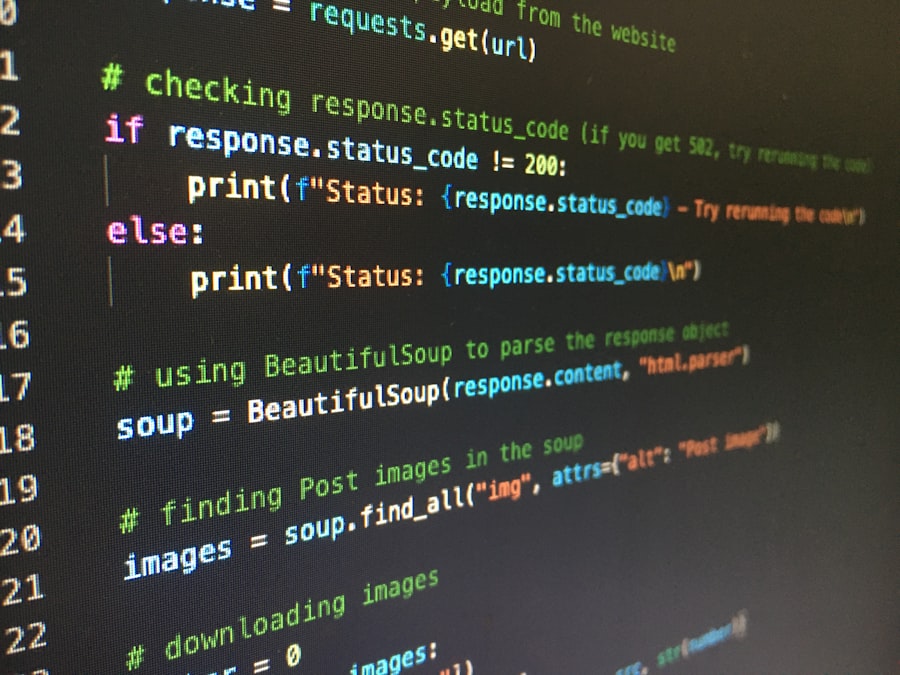
Writing any code is one thing; writing good, maintainable, and robust code is another. This is where professionalism truly shines.
Write Clean, Readable, and Maintainable Code
Your code will be read far more often than it’s written. Prioritize clarity and simplicity.
Self-Documenting Code
Aim for code that explains itself through clear naming conventions, logical structure, and minimal complexity. Comments should explain why something is done, not what is done (unless the “what” is truly complex).
Follow Style Guides
Adhere to established style guides (e.g., PEP 8 for Python, Airbnb for JavaScript). Consistency makes code easier to read and understand, especially in team environments. Many tools can automate this for you, so leverage them.
Refactor Regularly
Don’t be afraid to revisit and improve your code. Refactoring isn’t just about fixing bugs; it’s about improving design, readability, and performance over time. It’s an ongoing process, not a one-time event. Even if a feature is “done,” there’s almost always room for improvement in its internal structure.
Practice Testing and Debugging Rigorously
These are not optional extras; they are integral parts of the development process.
Unit Testing
Learn to write effective unit tests that verify small, isolated pieces of your code. This gives you confidence in your changes and helps prevent regressions. It’s a safety net that allows you to refactor and iterate without breaking existing functionality.
Integration Testing
Understand how to test the interaction between different components of your system. This helps catch issues that unit tests might miss.
Learn to Debug Effectively
Mastering debugger tools, logging, and thoughtful print statements is an invaluable skill. Knowing how to efficiently locate and understand the root cause of an issue will save you countless hours. Don’t just blindly try solutions; gather information and form hypotheses.
Cultivate Soft Skills (They’re Not So Soft)
Technical prowess alone isn’t enough. Your ability to communicate, collaborate, and solve problems beyond just coding is equally important for long-term success.
Improve Your Communication Skills
You’ll spend a significant portion of your time explaining technical concepts to both technical and non-technical audiences.
Clear and Concise Writing
Whether it’s emails, documentation, or commit messages, strive for clarity. Get straight to the point without jargon where possible.
Active Listening
Pay attention to what others are saying, ask clarifying questions, and ensure you understand requirements or feedback fully before jumping to solutions. Misunderstandings are a common source of bugs and project delays.
Effective Presentation
Being able to explain your work, present a technical design, or lead a discussion is a critical skill, especially as you advance in your career. Practice explaining complex ideas simply.
Collaboration and Teamwork
Software engineering is rarely a solitary endeavor.
Give and Receive Constructive Feedback
Learn to provide respectful and helpful code reviews, and be open to receiving feedback on your own work. It’s about improving the code, not attacking the person.
Conflict Resolution
Disagreements are inevitable. Learn how to address them professionally, focus on solving the problem, and find common ground.
Empathy
Understand the perspectives of your teammates, users, and stakeholders. This helps you build better solutions and fosters a more positive work environment. Acknowledging someone’s perspective, even if you disagree, builds bridges.
Ultimately, mastering software engineering isn’t about rigid rules; it’s about developing a robust set of habits, a curious mindset, and a commitment to continuous improvement. It’s a challenging but incredibly rewarding field, and by focusing on these practical areas, you’ll be well on your way to a successful and fulfilling career.