 Thomas Kelly
6 July 2026
Thomas Kelly
6 July 2026
The latest Mitsubishi Outlander has certainly caught a lot of attention, and for good reason. It’s a significant departure from its predecessor, effectively repositioning itself in a crowded SUV market. While “game-changer” might be a strong claim for any vehicle in today’s mature industry, the new Outlander makes a compelling case for being a genuinely redesigned, competitive, and value-packed option, especially considering its price point and standard features. It brings a lot to the table that was missing from previous generations, offering a more refined, comfortable, and technologically advanced experience.
The first thing you’ll notice about the new Outlander is its completely refreshed exterior. The days of the somewhat anonymous, utilitarian design are gone, replaced by a much more assertive and modern aesthetic. This isn’t just a facelift; it’s a full-on design overhaul that aligns it more closely with contemporary SUV trends.
Dynamic Shield Evolution
Mitsubishi’s “Dynamic Shield” front fascia has truly matured here. Instead of feeling tacked on, it’s integrated seamlessly into the overall design. The distinctive split-headlight design, with slim LED daytime running lights at the top and the main headlamp clusters positioned lower down, gives it a unique and robust presence on the road. It looks substantial, almost truck-like, without being ostentatious. This split-headlight approach can be polarizing, but on the Outlander, it just works, lending it an almost futuristic yet rugged appeal.
Sharper Lines and Proportions
Gone are the softer, more rounded lines. The new Outlander boasts sharper creases and a more sculpted body. The side profile, in particular, showcases a strong shoulder line that runs the length of the vehicle, contributing to its planted stance. The wheel wells are more pronounced, accommodating larger wheels that fill them out nicely, enhancing the vehicle‘s aggressive posture. The rear is equally well-considered, with horizontal taillights that visually widen the vehicle and give it a premium feel. The overall proportions are well-balanced, avoiding the top-heavy look of some competitors. This design doesn’t just look good; it also contributes to a more aerodynamic profile, which has subtle benefits for fuel economy and wind noise.
Stepping Up the Interior Game
Perhaps the most significant improvement in the new Outlander is the interior. This is where Mitsubishi truly demonstrates its commitment to raising the bar. The previous generation’s cabin was functional but largely uninspiring, using lots of hard plastics and a dated design. The new Outlander, conversely, embraces modern aesthetics, higher-quality materials, and significantly improved ergonomics.
Premium Materials and Finish
From the moment you step inside, you notice a palpable difference. The dashboard is redesigned with more soft-touch materials, especially in the areas you frequently interact with. Depending on the trim level, you’ll find accents like available semi-aniline leather, aluminum or carbon fiber-look trim, and even real stitching on some surfaces. These aren’t just superficial additions; they genuinely elevate the perceived quality of the cabin. The door cards also receive similar treatment, with softer materials where your arm rests, a small detail that contributes significantly to comfort on longer journeys. Even the headliner feels more substantial than before.
Thoughtful Ergonomics and Layout
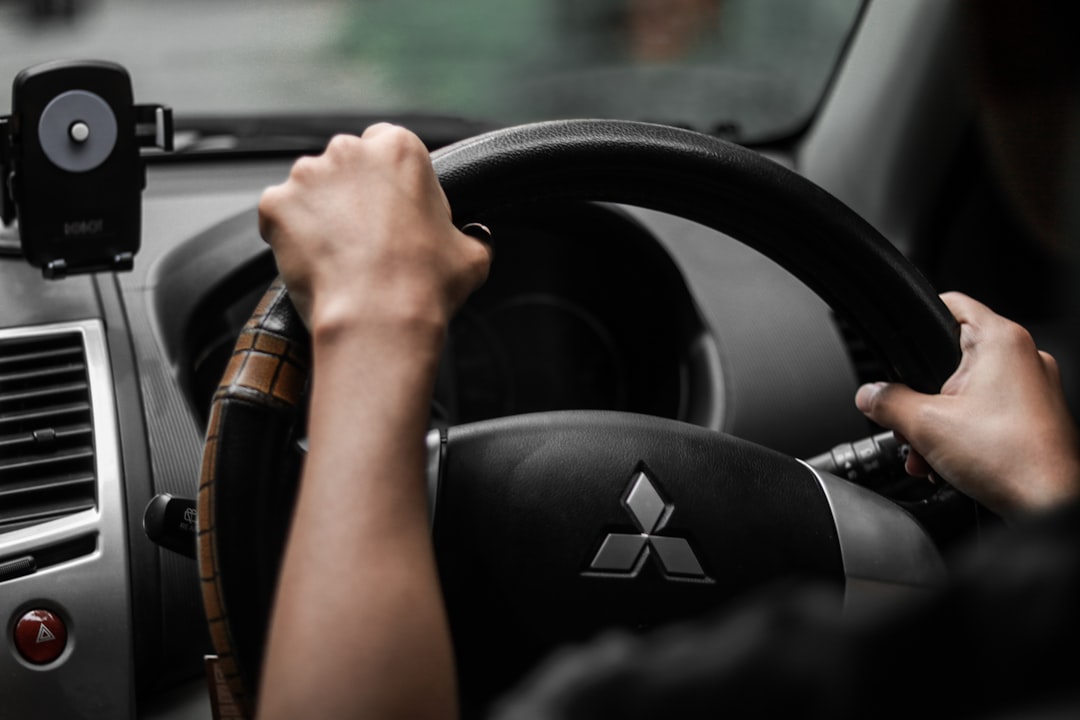
The entire cockpit has been redesigned with the driver in mind. The new steering wheel feels good in hand, with well-placed controls that are intuitive to use. The infotainment screen, whether it’s the standard 8-inch or optional 9-inch unit, is now a floating design, positioned higher on the dash for easier viewing, reducing the need to take your eyes significantly off the road. Below it, physical buttons and knobs for essential climate control functions remain, a welcome decision for those who prefer tactile controls over navigating through touchscreens while driving. The gear selector is also a new, more modern design, moving away from the traditional lever. Storage solutions are plentiful and well-integrated, with a sizable center console bin, door pockets, and cup holders.
Enhanced Comfort and Space
Comfort in all three rows has been addressed. The front seats are well-bolstered and supportive, excellent for long drives. The second row offers generous legroom and headroom, making it genuinely comfortable for adults. It also slides and reclines, adding to passenger flexibility. Crucially, access to the third row has been improved, and while it’s still best suited for children or short trips for adults, it’s more usable than many competitors. The Outlander remains one of the few vehicles in its class to offer standard three-row seating, which is a significant value proposition for families needing that occasional extra capacity.
Modern Technology and Infotainment
The technological leap in the new Outlander is substantial. Mitsubishi has clearly made an effort to bring its infotainment and connectivity options up to current industry standards, providing a much more connected and intuitive experience.
Intuitive Infotainment System
At the heart of the tech upgrade is the new infotainment system. Standard across the range is an 8-inch touchscreen, with a 9-inch unit available on higher trims. Both systems offer Apple CarPlay and Android Auto integration, with wireless CarPlay being a particularly convenient feature on the larger screen. The native interface itself is fairly intuitive, with clear menus and responsive touch controls. While not the most graphically advanced, it’s functional and easy to navigate. The availability of a Bose premium audio system further enhances the cabin experience for music lovers.
Digital Driver Display
Another significant addition is the available 12.3-inch digital instrument cluster. This customizable display replaces traditional analog gauges, offering a modern, high-resolution view of vital driving information. Drivers can choose from various layouts, displaying navigation, driver-assist information, or traditional speedometer and tachometer readouts. This not only looks more premium but also enhances the driver’s ability to quickly glean necessary information without distraction. Even the standard 7-inch digital driver display is a considerable upgrade over the previous generation’s setup, providing more information at a glance.
Advanced Connectivity
Beyond just smartphone integration, the Outlander offers a range of other connected services. These can include features like remote vehicle start, stolen vehicle recovery, automatic collision notification, and more, depending on the market and subscription. Multiple USB ports (including USB-C) are strategically placed throughout the cabin, ensuring everyone can keep their devices charged. An available wireless charging pad further simplifies device management in the front.
Under the Hood: Performance and Capability
While the Outlander isn’t designed to be a performance SUV, its powertrain and chassis improvements make for a more confident and refined driving experience.
Refined Powertrain
Under the hood, most models feature a 2.5-liter naturally aspirated four-cylinder engine, producing around 181 horsepower and 181 lb-ft of torque. This engine is shared with some Nissan models, reflecting the alliance between the two companies. It’s paired with a continuously variable transmission (CVT) that has been significantly refined. Unlike older CVTs that could feel sluggish or noisy, this unit mimics traditional gear shifts during acceleration, reducing the “rubber band” effect and improving the overall driving feel. While it won’t win any drag races, it provides adequate power for daily driving, highway merging, and light towing duties, with a smoother power delivery than before.
Super All-Wheel Control (S-AWC)
Mitsubishi’s signature Super All-Wheel Control (S-AWC) system remains a key differentiator. It’s an advanced all-wheel-drive system that actively vectors torque, providing superior traction and stability in various conditions. This isn’t just a reactive system; it proactively manages power delivery to each wheel based on steering input, throttle position, and yaw rate. With various drive modes (Normal, Tarmac, Gravel, Snow, Mud), S-AWC provides excellent confidence, whether you’re navigating slippery roads or tackling light off-road trails. It’s a genuinely capable system that sets the Outlander apart from many competitors that offer simpler AWD setups.
Improved Ride and Handling
The chassis has been redesigned, resulting in a more composed and comfortable ride. The suspension is tuned to absorb road imperfections effectively, without feeling overly soft or wallowy. Handling, while not sporty, is predictable and stable, with reduced body roll compared to its predecessor. The steering is light and precise, making the Outlander easy to maneuver in urban environments and parking lots. Noise, vibration, and harshness (NVH) levels are also notably reduced, contributing to a quieter and more refined cabin experience, especially at highway speeds.
Comprehensive Safety Features
Safety has always been a priority for family SUVs, and the new Outlander delivers with a comprehensive suite of active and passive safety features, aiming for top safety ratings.
MI-PILOT Assist
One of the standout features is the available MI-PILOT Assist driver assistance system. This system integrates adaptive cruise control with stop-and-go functionality and lane-keeping assist, providing a semi-autonomous driving experience on highways. It can maintain a set speed and distance behind the vehicle ahead, and actively keep the Outlander centered in its lane. This reduces driver fatigue on long journeys and adds an extra layer of safety.
Standard Advanced Safety Features
Beyond MI-PILOT Assist, the new Outlander comes with a strong foundation of standard safety technologies. These typically include:
- Forward Collision Mitigation (FCM) with Pedestrian Detection: Automatically applies brakes if a collision is imminent.
- Lane Departure Warning (LDW): Alerts the driver if the vehicle drifts out of its lane without signaling.
- Blind Spot Warning (BSW) with Lane Change Assist (LCA): Notifies the driver of vehicles in their blind spot and assists during lane changes.
- Rear Cross Traffic Alert (RCTA): Warns of approaching vehicles when backing out of a parking space.
- Automatic High Beams (AHB): Automatically switches between high and low beams based on oncoming traffic.
- Driver Attention Alert: Monitors driver behavior for signs of fatigue.
Passive Safety and Structural Integrity
On the passive safety front, the Outlander utilizes a strong, rigid body structure designed to absorb and dissipate crash energy effectively. A substantial number of airbags, including a front-center airbag (depending on market), further enhance occupant protection in the event of a collision. These structural and airbag improvements are critical in achieving strong results in crash tests, providing peace of mind for occupants.
Value Proposition and Market Position
Considering all these improvements, the new Mitsubishi Outlander presents a compelling value proposition in the crowded compact to mid-size SUV segment. It directly competes with established players by offering a strong package of features for its price.
Competitive Pricing and Standard Features
One of the Outlander’s strengths is its aggressive pricing relative to the features it offers. Even base models come well-equipped with amenities that are often optional on competitors. The standard three-row seating, a key differentiator, adds significant value for families. When you compare its standard safety equipment, interior quality, and the sophistication of its S-AWC system to similarly priced rivals, the Outlander often comes out ahead in terms of what you get for your money.
Long Warranty
Mitsubishi typically backs its vehicles with one of the industry’s best warranties, and the Outlander is no exception. This generally includes a 5-year/60,000-mile bumper-to-bumper warranty and an impressive 10-year/100,000-mile powertrain warranty. This long-term coverage significantly reduces the risk of ownership and enhances the vehicle’s appeal for those looking for reliability and peace of mind over an extended period.
Target Audience
The new Outlander is particularly well-suited for families who need a versatile and practical vehicle without breaking the bank. Its standard third row, capable AWD system, modern interior, and comprehensive safety suite make it an excellent choice for daily commuting, family road trips, and navigating various weather conditions. It provides a more refined experience than previous generations, moving it up-market without a commensurate jump in price, making it a compelling option for those considering established rivals but looking for something a bit different and potentially better equipped. It’s a clear indication that Mitsubishi is serious about regaining its foothold in the SUV market.
FAQs
What is the Mitsubishi Outlander?
The Mitsubishi Outlander is a compact crossover SUV manufactured by Japanese automaker Mitsubishi Motors. It has been in production since 2001 and is currently in its third generation.
What are the key features of the Mitsubishi Outlander?
The Mitsubishi Outlander comes with a range of features including a spacious interior, available third-row seating, advanced safety features, all-wheel drive capability, and a variety of technology options such as smartphone integration and touchscreen infotainment systems.
What are the engine options for the Mitsubishi Outlander?
The Mitsubishi Outlander offers a choice of engines, including a 2.4-liter four-cylinder engine and a 3.0-liter V6 engine. The 2.4-liter engine is standard on most trims, while the 3.0-liter V6 is available on higher trim levels.
What is the fuel efficiency of the Mitsubishi Outlander?
The fuel efficiency of the Mitsubishi Outlander varies depending on the engine and drivetrain configuration. The 2.4-liter engine with front-wheel drive achieves an EPA-estimated 25 mpg combined, while the 3.0-liter V6 with all-wheel drive achieves an EPA-estimated 23 mpg combined.
What are the safety ratings of the Mitsubishi Outlander?
The Mitsubishi Outlander has received generally favorable safety ratings from organizations such as the National Highway Traffic Safety Administration (NHTSA) and the Insurance Institute for Highway Safety (IIHS). It comes equipped with a range of advanced safety features, including forward collision mitigation, lane departure warning, and adaptive cruise control.