 Thomas Kelly
10 September 2026
Thomas Kelly
10 September 2026
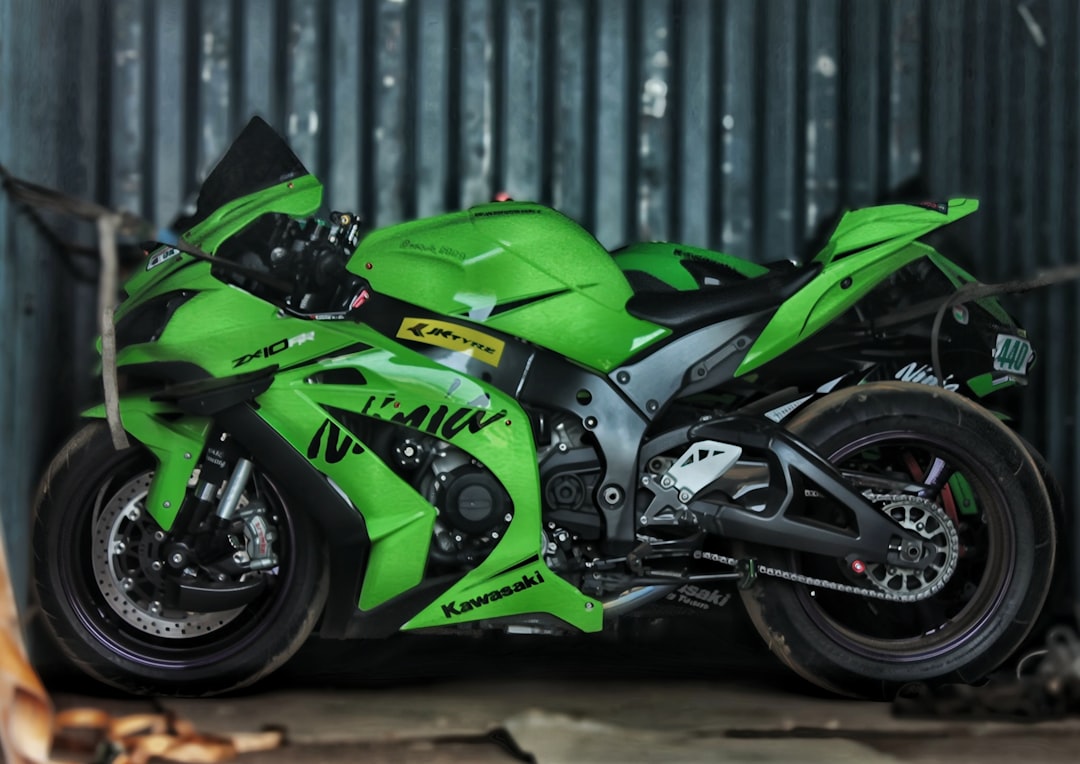
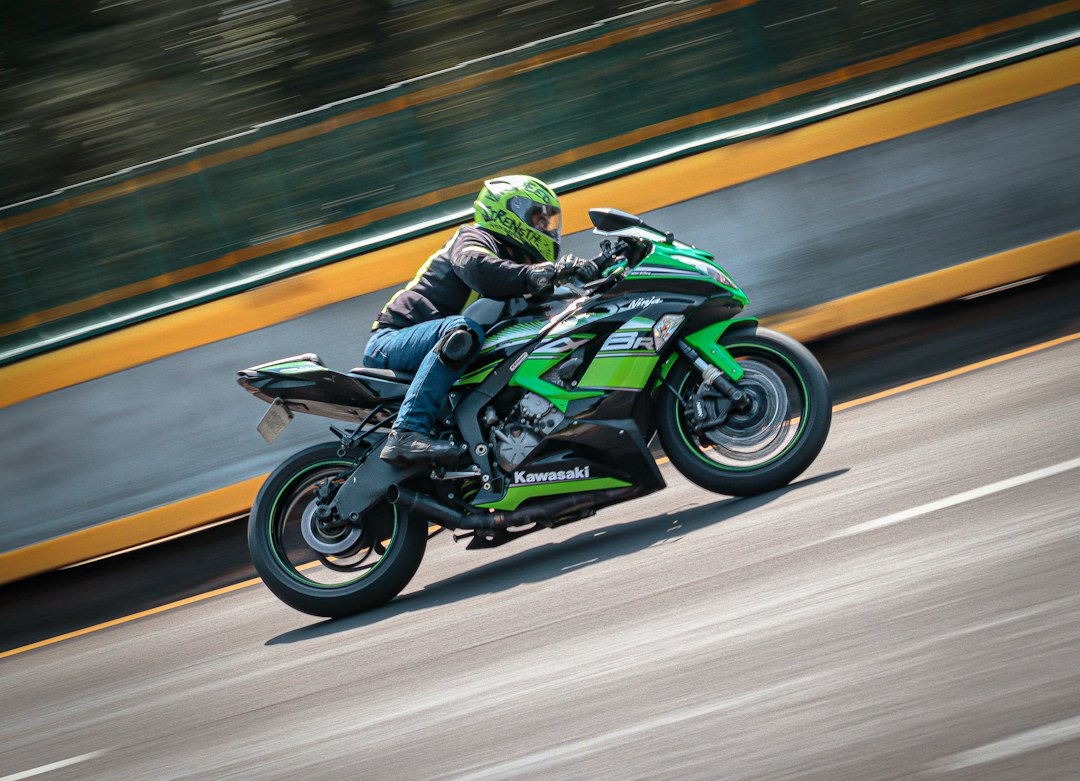
We’ve all seen them – sleek, aggressive machines with a name that evokes speed and adrenaline. The Kawasaki Ninja. For years, these sportbikes have been the stuff of dreams for aspiring riders, a symbol of freedom and exhilaration. But for many of us, the sheer power and aggressive styling of some Ninja models can feel a little… daunting. That’s where the all-new Kawasaki Ninja 500 swoops in. We’ve been eager to get our hands on this bike, and now that we have, we’re thrilled to share our insights as a beginner’s guide. This isn’t just about horsepower; it’s about accessibility, learning, and ultimately, enjoying the ride.
When we first heard about the Ninja 500, our immediate thought was, “Finally, a Ninja that’s actually for us!” For too long, the entry-level sportbike segment has felt like a compromise, a bike that’s almost a sportbike, but not quite. The Ninja 500, however, feels like a genuine evolution, taking the spirit of the Ninja line and making it approachable.
The New Heartbeat: A Revved-Up Parallel-Twin Engine
At the core of any motorcycle is its engine, and the Ninja 500 boasts a brand-new parallel-twin. This isn’t just a tweaked version of an old engine; it’s a fresh design focused on delivering accessible power. We’ve found that it offers a smooth and predictable power delivery, which is absolutely crucial for new riders. There’s no sudden surge of torque that can catch you off guard. Instead, it’s a linear progression that builds confidence with every twist of the throttle.
Smooth Power Delivery: Building Confidence
We’ve all heard horror stories of bikes with abrupt power bands that can lead to jerky acceleration and a loss of control. The Ninja 500, thankfully, avoids this pitfall. We’ve been able to gently roll on the throttle and feel the bike respond smoothly, allowing us to focus on the road ahead and our riding technique rather than wrestling with the engine. This smooth delivery is a massive confidence builder, especially in those initial stages of learning.
Ample Torque for Everyday Riding
While it’s designed for beginners, the Ninja 500 doesn’t feel underpowered. We’ve found that it has enough torque to easily pull away from traffic lights, overtake slower vehicles with confidence, and even tackle inclines without feeling strained. This means you won’t quickly outgrow the bike’s capabilities, making it a more sustainable investment for your riding journey. It’s a bike that’s fun to ride in town and capable of enjoyable weekend excursions.
Ergonomics and Comfort: Riding for Longer
One of the biggest deterrents for beginners considering sportbikes is the notion of being contorted into an uncomfortable riding position. We’re happy to report that the Ninja 500 prioritizes rider comfort. Kawasaki has done a commendable job of balancing sportbike aesthetics with ergonomics that won’t leave you with an aching back and wrists after a short ride.
Sporty Yet Accessible Riding Position
The clip-on handlebars are positioned higher and closer to the rider than on more aggressive sportbikes. This allows for a more upright posture, reducing strain on your wrists and shoulders. We’ve spent extended periods in the saddle and found it to be surprisingly comfortable. It still gives you that sporty feel, but without the extreme forward lean that can be intimidating and fatiguing for newcomers.
Comfortable Seat and Footpeg Placement
The seat is well-padded and offers a good amount of support. We’ve also noted that the footpeg placement is in a natural position, neither too high nor too far forward. This combination contributes significantly to overall rider comfort, allowing us to focus on learning and enjoying the ride rather than constantly shifting to relieve pressure points. This is a significant factor for any beginner rider who will likely be spending more time on the bike as they gain experience.
Performance and Handling: Learning the Ropes
Beyond the engine and ergonomics, the way a motorcycle handles is paramount for a beginner. We want a bike that’s forgiving, confidence-inspiring, and allows us to learn the nuances of riding safely. The Ninja 500 delivers on all these fronts.
Agile and Predictable Handling
When we first took the Ninja 500 out on some winding roads, we were impressed by its agility. It’s light enough to flick easily from side to side, making U-turns and navigating tight corners a breeze. The steering is predictable, and the bike feels stable even at moderate speeds. This predictability is key for learning.
Lightweight Chassis for Easy Maneuverability
The lightweight chassis plays a huge role in this. It makes the bike feel nimble and less intimidating when you’re at low speeds or performing maneuvers like parking. We’ve found that it’s easy to control at a walking pace, which is a huge advantage when you’re getting used to the weight and feel of a motorcycle. This ease of maneuverability translates directly into increased confidence for new riders.
Well-Balanced Suspension
The suspension system on the Ninja 500 is tuned for a good balance between comfort and sporty performance. It absorbs bumps and imperfections in the road effectively, providing a smooth ride. Importantly, it also offers enough damping to keep the bike stable during cornering. We haven’t experienced any excessive bouncing or wallowing, which allows us to feel connected to the road and make precise adjustments.
Braking Performance: Stopping with Confidence
Braking is one of the most critical skills for any rider, and the Ninja 500 provides a confidence-inspiring braking system that’s well-suited for beginners.
Responsive and Controllable Brakes
The front and rear brakes are responsive and offer good feel. We’ve found that we can apply them smoothly and progressively, allowing us to slow down effectively without the harshness that can sometimes be associated with sportbike brakes. This control is invaluable for building confidence in your ability to stop safely.
Optional ABS for Added Safety
For added peace of mind, the Ninja 500 is available with Anti-lock Braking System (ABS). We strongly recommend opting for ABS, especially for beginners. It prevents wheel lock-up during hard braking, significantly reducing the risk of skidding and falling. We’ve had the opportunity to test bikes with and without ABS, and while we’re confident in our braking skills, the safety net that ABS provides is undeniable. It allows you to focus more on your riding and less on worrying about a potential emergency stop.
Technology and Features: Modern Conveniences
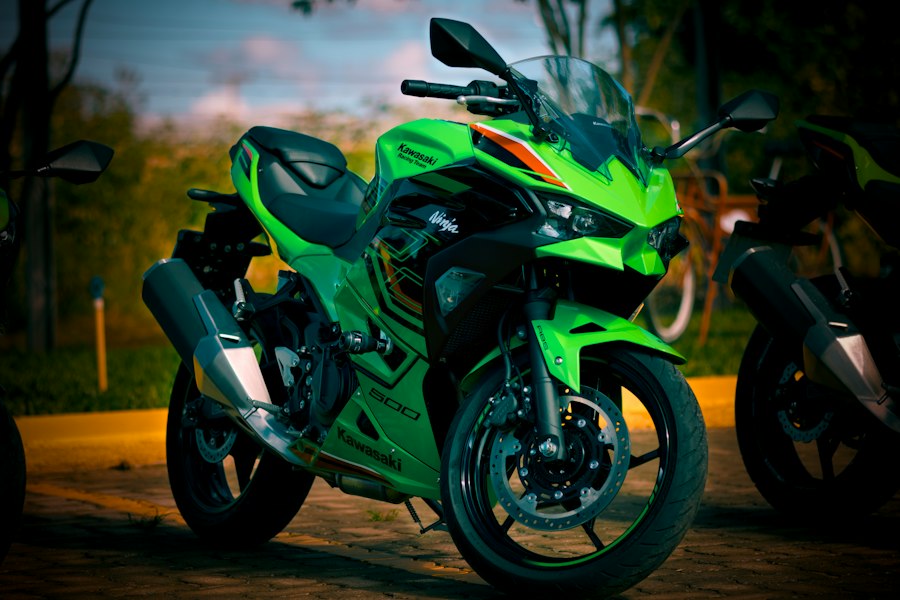
While the Ninja 500 is designed to be accessible, it doesn’t skimp on modern technology and features that enhance the riding experience. Kawasaki has integrated practical elements that make ownership and riding more enjoyable.
Intuitive Instrument Cluster
The instrument cluster is clear, concise, and easy to read. We’ve found that all the essential information – speed, RPM, fuel level, gear position indicator – is readily available at a glance. This allows us to stay informed without having to divert too much attention from the road.
Gear Position Indicator: A Beginner’s Best Friend
For new riders, a gear position indicator is an absolute game-changer. It eliminates the guesswork of knowing which gear you’re in, which can be a source of anxiety and mistakes. We’ve found it incredibly helpful for smooth shifting and understanding the engine’s RPM range.
Multifunction Display for Essential Information
Beyond the basic indicators, the multifunction display provides access to trip meters, fuel economy information, and other useful data. This allows us to track our mileage, monitor our fuel consumption, and generally become more aware of the bike’s performance.
LED Lighting: Visibility and Style
The Ninja 500 features sharp, modern LED lighting. This not only gives the bike a contemporary look but also significantly improves visibility.
Enhanced Nighttime Riding Capability
The LED headlights provide a bright and focused beam, illuminating the road ahead effectively at night. This enhances safety and confidence when riding after dark. We’ve found that the clarity of the LED lighting makes a noticeable difference compared to older halogen systems.
Distinctive LED Tail Light and Turn Signals
The LED tail light and turn signals are not only bright and visible to other road users but also contribute to the Ninja 500’s aggressive and sporty aesthetic. They are clear, well-integrated, and add to the overall premium feel of the motorcycle.
The Total Package: Value and Future Proofing
When we consider purchasing a motorcycle, especially as a beginner, we look at the overall value proposition. The Ninja 500 offers a compelling package that balances affordability, performance, and the potential for growth.
Affordable Entry into the Ninja Family
The Ninja 500 represents an accessible price point to enter the legendary Ninja lineage. We believe Kawasaki has struck a fantastic balance, offering a genuine Ninja experience without the prohibitive cost of some of its larger siblings. This makes it a more attainable dream for many aspiring riders.
Competitive Pricing for its Class
We’ve compared the Ninja 500 to its competitors, and its pricing is incredibly competitive. It offers a high level of features and performance for the money, making it an excellent value proposition. We feel that we’re getting a lot of motorcycle for our investment.
Lower Running Costs
Generally, smaller displacement motorcycles tend to have lower insurance costs, better fuel economy, and potentially lower maintenance expenses compared to their larger counterparts. We’ve found the Ninja 500 to be quite fuel-efficient, which translates to savings in the long run.
A Stepping Stone, Not a Dead End
One of the most significant advantages of the Ninja 500 is its potential as a stepping stone. It’s a bike that you can learn on, gain experience with, and truly enjoy for a considerable amount of time. However, it’s also a bike that won’t feel drastically underpowered as you progress.
Room to Grow Your Skills
The Ninja 500 provides enough performance and handling to allow you to develop your riding skills extensively. You can learn advanced cornering techniques, practice emergency maneuvers, and generally hone your abilities without feeling like the bike is holding you back.
Transitioning to Larger Ninjas
For riders who eventually want to move up to a larger Ninja, the Ninja 500 offers an excellent foundation. The skills and confidence you gain on this machine will make the transition to a more powerful sportbike smoother and safer. You’ll already be familiar with the Ninja riding style and ergonomics, making the learning curve for a bigger bike much less steep. We see this bike as a smart first step for anyone with aspirations of riding bigger Ninjas down the road.
Conclusion: Your Ninja Journey Starts Here
After our time exploring the Kawasaki Ninja 500, we’re genuinely impressed. It’s a motorcycle that has been thoughtfully designed to welcome new riders into the world of sportbikes without compromising the spirit of the Ninja brand. We believe this bike is a significant step forward for the entry-level motorcycle market.
We’ve found the Ninja 500 to be a perfect blend of approachable power, comfortable ergonomics, and agile handling. It’s a machine that inspires confidence and makes learning to ride an enjoyable and rewarding experience. Whether you’re looking for your first motorcycle or a capable and fun bike for everyday riding, the Ninja 500 deserves serious consideration. It’s more than just a motorcycle; it’s an invitation to embark on your own two-wheeled adventure, a chance to experience the thrill and freedom that only a Ninja can provide. We’re excited for all the new riders who will discover the joy of motorcycling on this fantastic machine. Your Ninja journey starts here.
FAQs
What is the Kawasaki Ninja 500?
The Kawasaki Ninja 500 is a sport bike that was first introduced in 1987. It is known for its lightweight design, powerful engine, and agile handling.
What are the key features of the Kawasaki Ninja 500?
The Kawasaki Ninja 500 features a liquid-cooled, 498cc parallel-twin engine, a six-speed transmission, a lightweight chassis, and a comfortable riding position. It also has a sleek, aerodynamic design and advanced braking and suspension systems.
What is the top speed of the Kawasaki Ninja 500?
The top speed of the Kawasaki Ninja 500 is approximately 125 mph (201 km/h), making it a capable and thrilling sport bike for riders of all skill levels.
Is the Kawasaki Ninja 500 suitable for beginners?
Yes, the Kawasaki Ninja 500 is often recommended for beginner riders due to its manageable power delivery, predictable handling, and comfortable ergonomics. It is also a popular choice for experienced riders looking for a versatile and fun-to-ride motorcycle.
What are some common modifications made to the Kawasaki Ninja 500?
Common modifications made to the Kawasaki Ninja 500 include aftermarket exhaust systems, suspension upgrades, performance air filters, and cosmetic enhancements such as custom paint jobs and decals. Riders also often install aftermarket handlebars, foot pegs, and seats to personalize the bike to their preferences.