 Thomas Kelly
12 October 2026
Thomas Kelly
12 October 2026
The XSR700: Your Retro Ride with Modern Guts
So, you’re eyeing a Yamaha XSR700, huh? Good choice! In a nutshell, the XSR700 is a fantastic blend of classic motorcycle aesthetics and thoroughly modern, enjoyable performance. It’s not just a pretty face; it’s a genuinely fun, capable, and practical bike that looks like it rolled right out of a custom garage from decades past. If you want that timeless cool without sacrificing contemporary reliability, power, and handling, the XSR700 should definitely be on your shortlist. It’s approachable for newer riders but still engaging enough for experienced folks, making it a real sweet spot in Yamaha’s lineup.
Getting to Know the XSR700’s Roots
Before we dive into what makes the XSR700 tick today, it’s helpful to understand where it comes from. Yamaha has a rich history, and they’ve cleverly tapped into that heritage with their “Sport Heritage” line, of which the XSR700 is a prominent member. This isn’t about simply slapping retro fairings on a modern bike; it’s about capturing a spirit.
Inspired by the Past, Built for Today
The XSR line, particularly the XSR700 and its bigger sibling, the XSR900, draws inspiration from the “yard build” custom scene. Think about those cool, stripped-down bikes from the 60s and 70s – simple lines, exposed engines, and a focus on the riding experience rather than flashy plastics. Yamaha wanted to offer that custom look straight from the factory, but with all the benefits of modern engineering. They call it “Faster Sons,” which is a neat way of saying these bikes are built on the legacy of their predecessors but are faster, better, and more reliable.
The MT-07 Connection
Crucially, the XSR700 isn’t built from the ground up as a retro bike. Instead, it shares its DNA, particularly its engine and chassis, with the hugely successful Yamaha MT-07 (known as the FZ-07 in some markets). This is a smart move. The MT-07 is renowned for being an excellent, affordable, and incredibly fun motorcycle. By basing the XSR700 on this proven platform, Yamaha ensures that riders get a bike that’s already well-engineered, reliable, and has fantastic riding dynamics, all wrapped up in that desirable retro package. This shared foundation is a big part of why the XSR700 is such a compelling package.
Design and Aesthetics: The Retro Heartbeat
This is where the XSR700 truly stands out. Its design is intentionally minimalist and pays homage to classic motorcycles, but with a modern twist. It’s a look that appeals to a wide range of riders, from those who remember the bikes of yesteryear to younger riders drawn to its unique, timeless appeal.
Crafting the “Neo-Retro” Look
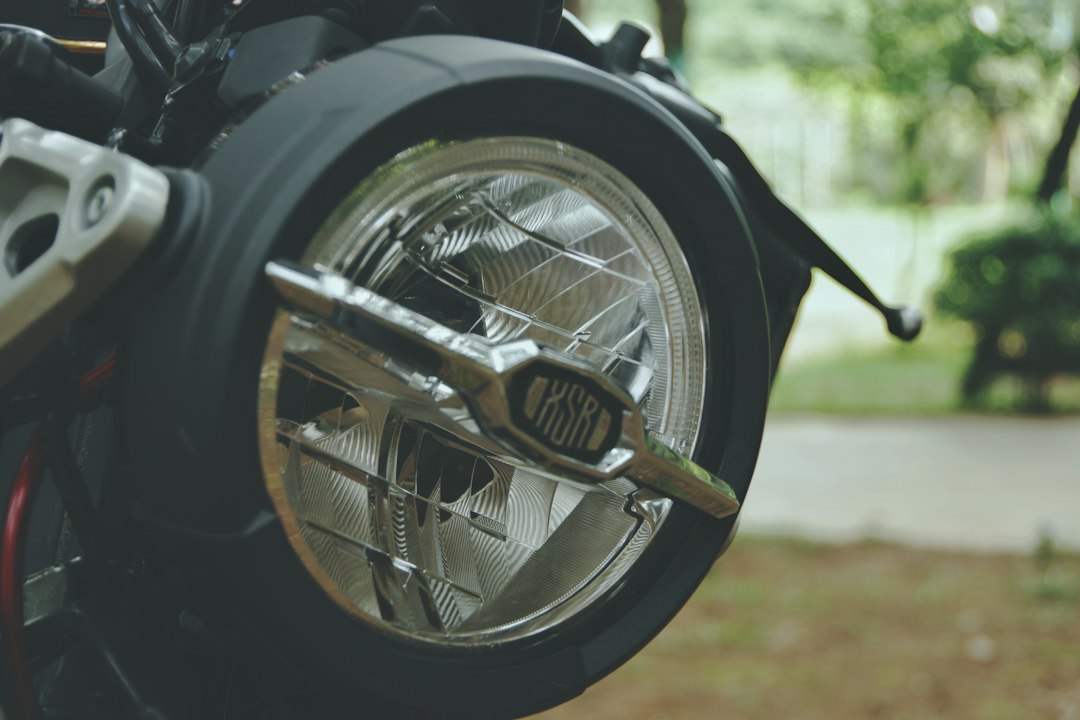
Yamaha has done a great job of blending classic design cues with modern elements. You’ll notice the round headlight, a staple of vintage bikes, but it features modern LED lighting inside, giving it better illumination and a contemporary edge. The teardrop fuel tank, exposed frame, and simple, almost flat seat all contribute to that authentic retro vibe. There’s minimal plastic fairing, allowing the engine and frame to be showcased as part of the design, just like custom bikes from decades past.
Thoughtful Details and Materials
It’s not just about the big picture; the XSR700’s charm lies in its details. Things like the ribbed seat, the brushed aluminum tank covers, and the subtle use of contrasting materials all elevate its aesthetic. The exposed wiring and simple instrumentation (a single, round LCD display) further emphasize that stripped-down, purposeful look. Yamaha resisted the urge to overcomplicate things, and the result is a bike that looks clean, robust, and like it could be easily customized further – which, of course, is part of its appeal. The metallic paint options often have a deeper, richer finish than typical modern bikes, enhancing that premium, heritage feel.
Ergonomics: Comfortable and Approachable
While aesthetics are key, practicality matters. The XSR700’s ergonomics are designed to be comfortable and confidence-inspiring for a broad range of riders. The seating position is upright and neutral, with a relatively low seat height (around 835mm or 32.9 inches, though it feels lower thanks to its narrow waist). This makes it easy to flat-foot for many riders, which is a huge confidence booster, especially in city traffic. The handlebars are wide enough for good leverage but not so wide as to feel unwieldy. The footpegs are positioned for a natural bend in the knee, avoiding the cramped feeling of some sportbikes or the stretched-out posture of a cruiser. This comfortable triangle means you can spend longer in the saddle without discomfort, whether you’re commuting or enjoying a weekend ride. It strikes a great balance between a relaxed cruiser and an aggressive sportbike.
Engine and Performance: The Modern Heart
Underneath that classic skin lies a very modern and capable heart: Yamaha’s 689cc “CP2” parallel-twin engine. This engine is a masterpiece of engineering, known for its character, power delivery, and reliability. It’s the same unit that powers the highly acclaimed MT-07, and for good reason.
The CP2 Engine: Character and Punch
The “CP2” stands for “Crossplane Concept 2-Cylinder,” referring to its 270-degree crankshaft. This unique firing order gives the engine a V-twin-like exhaust note and, more importantly, a fantastic, torquey power delivery. Instead of a peaky, high-revving power band, the CP2 delivers its power smoothly and predictably across the rev range. You get a healthy surge of torque right off idle, making it incredibly tractable in city riding and fun for quick overtakes.
Power and Torque: Just Right
The XSR700 typically produces around 73-74 horsepower and 50 lb-ft of torque. Now, on paper, that might not sound like a huge number compared to some larger bikes, but don’t be fooled. In a lightweight package like the XSR700 (which weighs around 186kg or 410 lbs wet), this power is more than enough to be exhilarating. It’s quick off the line, has plenty of mid-range pull for highway cruising, and will happily loft the front wheel with a twist of the wrist if you’re so inclined (responsibly, of course!). Crucially, the power delivery is linear and predictable, making it easy to manage for riders of all experience levels. It’s not intimidating, but it’s never boring.
The Sound: Aural Pleasure
One of the often-overlooked aspects of a great engine is its sound. Thanks to that 270-degree crank, the CP2 engine has a distinctive growl that’s much more characterful than a typical inline-twin. With the stock exhaust, it’s a pleasant thrum, but with an aftermarket slip-on, it truly comes alive, delivering a throaty roar that perfectly complements the bike’s aggressive-yet-classic aesthetic. It’s a sound that makes you want to open the throttle.
Fuel Economy and Reliability
Being based on a mass-produced engine, the CP2 is known for its excellent reliability. These engines are workhorses and can pile on the miles without complaint, provided they receive regular maintenance. Fuel economy is also a strong point. You can expect to average anywhere from 45 to 55 MPG (around 5.2 to 4.2 L/100km) depending on your riding style, which makes the XSR700 a relatively economical bike to run, whether you’re commuting or touring. Its 14-liter (3.7-gallon) fuel tank offers a decent range between fill-ups.
Handling and Ride Quality: Nimble and Fun
Power is nothing without control, and the XSR700 truly shines in its handling department. It inherits the agile and engaging chassis from the MT-07, meaning it’s incredibly fun and confidence-inspiring to ride.
Lightweight and Agile Chassis
The XSR700’s steel diamond frame is light and rigid, providing excellent feedback and a feeling of connection to the road. Its relatively short wheelbase and sharp rake contribute to its nimble character. This bike loves to change direction quickly and confidently. Whether you’re navigating urban traffic, carving through twisty back roads, or making a quick lane change on the highway, the XSR700 responds eagerly and precisely to rider inputs. It’s an easy bike to flick from side to side, making it a joy on a spirited ride.
Suspension: Comfortable and Capable (Mostly)
The suspension setup consists of conventional telescopic forks at the front and a single shock absorber at the rear, adjustable for preload. For general riding – commuting, touring, and spirited back-road fun – the stock suspension is quite good. It strikes a nice balance between comfort and sportiness, soaking up most road imperfections without feeling too soft or wallowy. However, if you’re a particularly aggressive rider, frequently hit rougher roads, or are on the heavier side, you might find the limits of the stock suspension. It can feel a little under-damped when pushed hard, leading to some dive under heavy braking or a slightly bouncy feel over repeated bumps. This isn’t a deal-breaker for most riders, and many find it perfectly adequate. For those who want more, aftermarket suspension upgrades are readily available and can significantly elevate the XSR700’s handling.
Braking: Confident and Controlled
The XSR700 comes equipped with dual 298mm discs upfront and a single 245mm disc at the rear, paired with ABS as standard in most markets. The braking performance is strong, progressive, and confidence-inspiring. The front brakes offer good feel and plenty of stopping power without being overly aggressive, making it easy to modulate in various conditions. The ABS system works well in the background, intervening smoothly and effectively when needed, providing that extra layer of safety. You’ll feel secure knowing you can bring the bike to a halt quickly and safely.
Tire Choice: Good All-Rounders
The XSR700 typically comes fitted with excellent road-focused tires, often Michelin Road 5s or similar, which offer a great balance of grip in both wet and dry conditions, good longevity, and quick warm-up times. These tires complement the bike’s handling characteristics perfectly, offering plenty of grip for spirited riding while still being practical for everyday use.
Rider Experience and Versatility: More Than Just a Looker
The XSR700 isn’t just a stylish machine; it’s a genuinely versatile motorcycle that offers a rewarding riding experience across various scenarios. It’s a bike that encourages you to ride more, not just admire it.
Commuting: Agile and Economical
For urban commuting, the XSR700 is an absolute star. Its lightweight nature, narrow profile, and excellent low-end torque make it incredibly easy to navigate through traffic. The upright seating position provides great visibility, and the strong brakes and agile handling make last-minute maneuvers safe and predictable. Plus, its good fuel economy means you won’t be constantly stopping at the petrol station. It’s an ideal choice for zipping around town, making the daily grind a lot more enjoyable.
Weekend Rides: Engaging and Fun
When the weekend rolls around, the XSR700 transforms into a spirited companion for carving up your favorite back roads. The responsive engine, nimble chassis, and comfortable ergonomics mean you can enjoy mile after mile of twists and turns. It’s not about outright speed, but about the joy of cornering, the feel of the road, and the engaging character of the CP2 engine. It’s the kind of bike that makes you grin inside your helmet.
Customization Potential: Make It Your Own
One of the biggest draws of the XSR700 is its incredible customization potential. Yamaha designed this bike with the “yard build” philosophy in mind, meaning it’s easy to modify and personalize. Its simple construction and accessible components make it a fantastic canvas for expressing your individuality.
Bolt-On Goodies
There’s a massive aftermarket available for the XSR700. Want a different exhaust for a better sound and look? No problem. Looking for different handlebars, mirrors, or turn signals to fine-tune the aesthetics? You’ll find countless options. Many owners opt for shorter tail tidies to clean up the rear end, or flyscreens to add a touch of café racer style. You can change almost anything on this bike with basic tools, making it a dream for anyone who enjoys tinkering.
Deeper Modifications
For those looking to go further, the XSR700 can be transformed into anything from a café racer to a scrambler, or even a unique bobber. Its exposed frame and simple lines make it easy to swap out components, allowing for more extensive changes to the seat, subframe, or even the front end. Yamaha themselves offer a range of genuine accessories, and the community of XSR700 owners is incredibly active, constantly sharing ideas and inspiration. This customizability ensures that your XSR700 can truly be a reflection of your personal style.
Is it for You? Who the XSR700 is For
The XSR700 hits a sweet spot for a wide demographic of riders.
- New Riders: Its approachable power delivery, low seat height, and predictable handling make it an excellent choice for those just getting into motorcycling. It’s forgiving without being boring.
- Experienced Riders: Don’t dismiss it as “just a beginner bike.” Experienced riders appreciate its light weight, engaging engine, and the sheer fun factor. It’s a bike that allows you to extract maximum enjoyment without needing absurd speeds.
- Commuters: As mentioned, it’s brilliant for daily commutes, offering practicality, economy, and maneuverability.
- Style-Conscious Riders: If you love the retro look but demand modern reliability and performance, the XSR700 is tailor-made for you.
- Customization Enthusiasts: If you enjoy personalizing your ride, the XSR700 offers an outstanding platform to unleash your creativity.
It’s a bike that does many things well, without specializing too heavily in one area. It’s a jack-of-all-trades that masters the art of being genuinely fun and stylish.
FAQs
What is the engine displacement of the Yamaha XSR700?
The Yamaha XSR700 is powered by a 689cc liquid-cooled, inline twin-cylinder engine.
What is the fuel tank capacity of the Yamaha XSR700?
The Yamaha XSR700 has a fuel tank capacity of 14 liters, providing a decent range for long rides.
Does the Yamaha XSR700 come with ABS as a standard feature?
Yes, the Yamaha XSR700 comes equipped with ABS (Anti-lock Braking System) as a standard feature, enhancing safety during braking.
What type of frame does the Yamaha XSR700 have?
The Yamaha XSR700 features a lightweight diamond-type frame, providing a good balance of rigidity and agility for a responsive ride.
Is the Yamaha XSR700 suitable for both city commuting and longer rides?
Yes, the Yamaha XSR700 is designed to be versatile, making it suitable for both city commuting and longer rides thanks to its comfortable ergonomics and performance capabilities.