 Thomas Kelly
6 November 2026
A Legacy Forged in Chrome and Iron
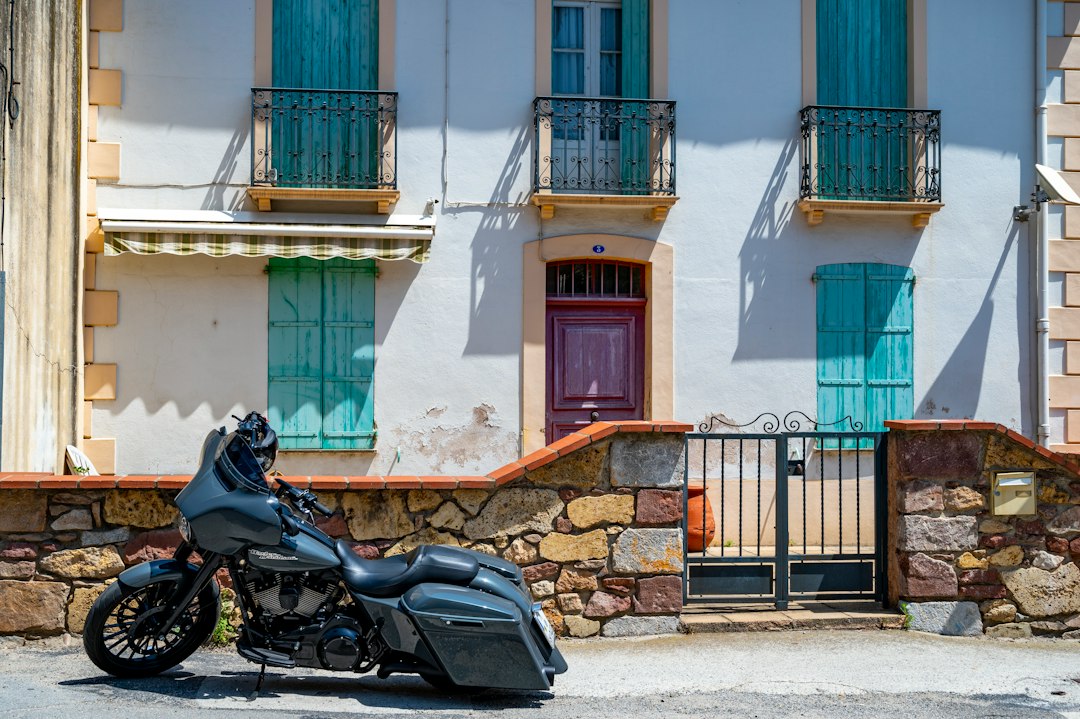
We’ve seen a lot of motorcycles come and go over the decades, fleeting trends and passing fads, but few machines have etched themselves into the collective consciousness quite like the Harley-Davidson Fat Boy. It’s more than just a motorcycle; it’s a cultural icon, a rolling piece of Americana, and for many of us, it represents the quintessential cruiser experience. From the moment we first laid eyes on its muscular silhouette and those signature solid disc wheels, we understood that this was something special, something designed to endure. Its inception in 1990 wasn’t just another model release; it was the birth of a legend, a bike that would go on to define an era and continue to captivate riders worldwide.
The story of the Fat Boy is intrinsically linked with the evolution of Harley-Davidson itself. While the company has a rich history of producing powerful and distinctive motorcycles, the late 1980s and early 1990s were a pivotal time. Harley-Davidson was refining its identity, focusing on motorcycles that not only performed admirably but also resonated deeply with the spirit of individuality and open-road adventure. The Fat Boy emerged from this ethos, a bold statement that married classic styling cues with contemporary engineering. It quickly garnered attention, not just for its striking aesthetics but also for its accessible yet potent performance. We remember the excitement it generated, the buzz in dealerships and among riding circles. It wasn’t just a new bike; it was a phenomenon, appealing to seasoned Harley enthusiasts and newcomers alike who sought that unmistakable blend of heritage and modern cruiser appeal. Its initial reception set the stage for a lasting legacy, proving that sometimes, simplicity and raw presence are all you need to create something truly iconic.
Unmistakable Design and Styling Cues
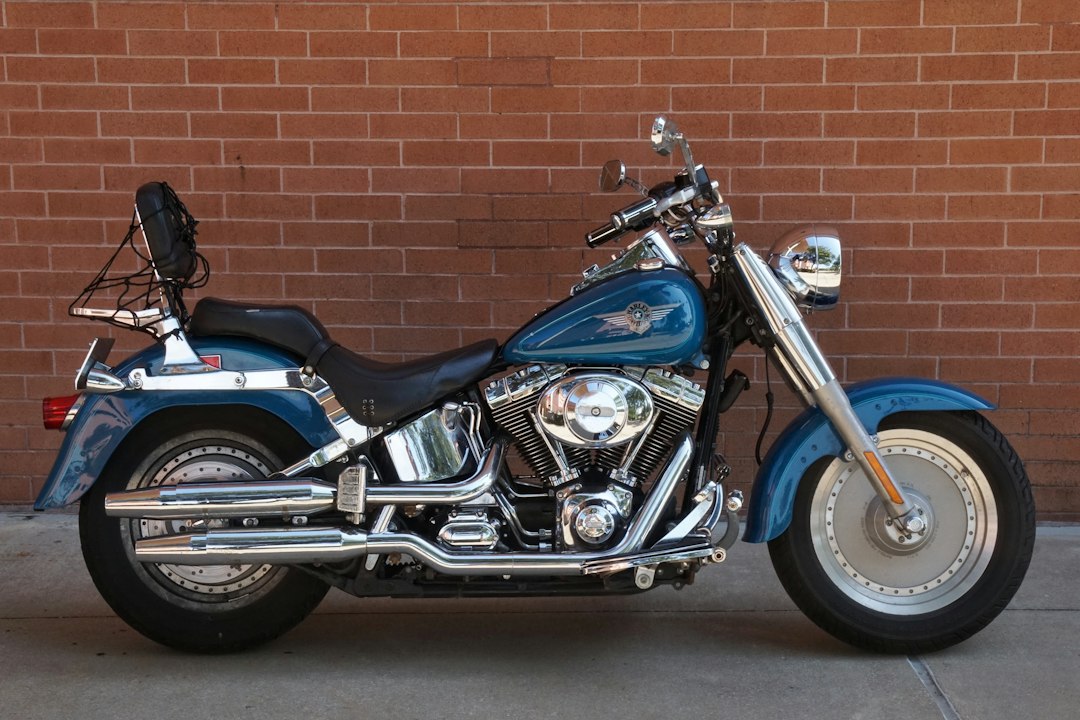
When we talk about the Fat Boy, the conversation inevitably begins with its design. It possesses an aesthetic that is instantly recognizable, a powerful and assertive presence that commands attention even when standing still. It’s a masterclass in proportion and visual weight, expertly balancing hefty components with clean lines to create an imposing yet inviting machine. This isn’t a motorcycle that tries to be sleek or aerodynamic; it embraces its bulk, celebrating the raw, mechanical beauty that defines a classic American cruiser. Every element, from the wide handlebars to the generously proportioned fenders, contributes to its overall muscular appeal, creating a visual harmony that has stood the test of time.
The Iconic Solid Disc Wheels
Perhaps the most distinctive and enduring design element of the Fat Boy is its pair of solid disc wheels. These aren’t just wheels; they are a defining characteristic, a visual signature that immediately distinguishes the Fat Boy from almost any other motorcycle on the road. When we first saw them, we knew they were something different, something bold. In an era where spoked wheels were common and even alloy wheels often featured intricate designs, the solid disc offered a strikingly minimalist and powerful statement. They contribute significantly to the “fat” aspect of the Fat Boy’s name, giving the bike a grounded, substantial appearance. Beyond aesthetics, they also offer a sense of solidity and robustness, reinforcing the bike’s image as a dependable and enduring machine. Over the years, while some design elements have seen subtle refinements, these solid disc wheels have remained a consistent and beloved feature, proving that sometimes, the simplest and boldest choices are the most effective. They are, quite simply, quintessential Fat Boy.
Chrome, Chrome, and More Chrome
Another cornerstone of the Fat Boy’s timeless style is its generous application of chrome. We’ve always appreciated a bit of shine, and the Fat Boy delivers it in spades. From the gleaming exhaust pipes to the polished engine components, the headlight nacelle, and the fork covers, chrome is woven into the very fabric of its design. It’s not just an accent; it’s an integral part of its identity, reflecting light and catching the eye, adding a touch of classic elegance to its rugged appeal. This isn’t the flashy, over-the-top chrome of some customs; it’s a tasteful, purposeful application that highlights the bike’s mechanical beauty and classic lines. The interplay between the deep paint finishes and the brilliant chrome creates a striking contrast that is both luxurious and distinctly Harley-Davidson. It speaks to a certain era of motorcycle design, one where craftsmanship and visual appeal were paramount, and it contributes immensely to the Fat Boy’s enduring allure. The way the sunlight dances off those polished surfaces as we ride is truly a sight to behold.
The Fat Tank and Broad Fenders
The “Fat” in Fat Boy isn’t just about the wheels; it’s a pervasive design philosophy that extends to its generously proportioned fuel tank and broad fenders. The tank, often teardrop-shaped and always substantial, provides a canvas for striking paint schemes and graphic treatments, but more importantly, it gives the bike a robust and powerful mid-section. It looks like it can hold a substantial amount of fuel, ready for long journeys, and it complements the engine’s bulk. Similarly, the wide, sweeping fenders – both front and rear – encase the solid disc wheels with a sense of authority and classic cruiser elegance. They contribute to the bike’s low-slung, grounded stance, giving it a heavier, more planted appearance. These broad fenders also evoke a nostalgic feel, reminiscent of motorcycles from earlier eras, while still feeling thoroughly modern. Together, the fat tank and broad fenders complete the visual narrative of the Fat Boy, reinforcing its iconic status as a powerful, comfortable, and undeniably stylish cruiser.
The Heart of the Beast: Power and Performance
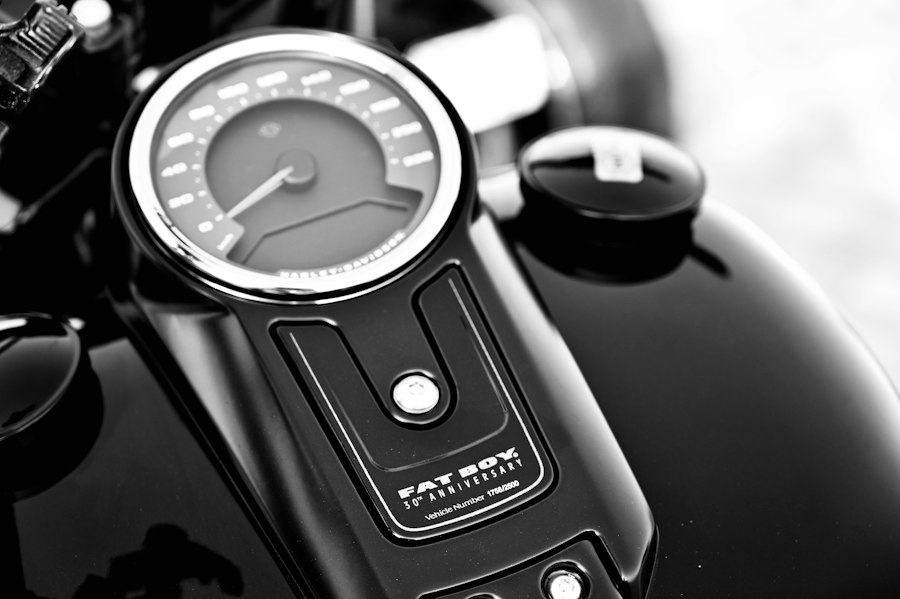
While the Fat Boy’s striking aesthetics are often the first thing people notice, it’s the robust power and dependable performance that truly cement its place in the hearts of riders. At its core, every Fat Boy is powered by an engine designed for torque, durability, and that unmistakable Harley-Davidson rumble. We know that feeling – the satisfying pulse of the V-twin beneath us, the effortless surge of power as we twist the throttle. This isn’t a motorcycle built for track days or blistering top speeds; it’s engineered for the open road, for comfortable cruising, and for delivering a deeply satisfying riding experience that connects rider to machine in a profound way.
The Evolution of the V-Twin Engine
From its inception, the Fat Boy has been powered by Harley-Davidson’s iconic V-twin engine, a powerplant synonymous with American motorcycling. The original models featured the venerable Evolution (Evo) engine, a reliable and torquey unit that set the standard for air-cooled V-twins. We remember the distinct sound and feel of those early Evos – they were raw, powerful, and utterly charismatic. As technology advanced, so too did the Fat Boy’s heart. It transitioned to the Twin Cam engine, which brought increased displacement, more refinement, and greater power output, enhancing both performance and rider comfort.
More recently, the Fat Boy has embraced the Milwaukee-Eight engine, a significant leap forward in Harley-Davidson’s engine development. This latest iteration offers even greater displacement, more horsepower and torque, and improved cooling, all while retaining that classic V-twin character. The Milwaukee-Eight is a testament to Harley-Davidson’s commitment to continuous improvement, delivering a smoother, more responsive ride without sacrificing the traditional feel. We’ve felt the difference – the effortless acceleration, the reduced vibration at highway speeds, and the satisfying growl that emanates from the exhaust. Each engine evolution has built upon the last, always enhancing the riding experience while staying true to the fundamental principles of Harley-Davidson power.
Torque, Comfort, and the Open Road
The performance characteristics of the Fat Boy are perfectly tuned for its role as an iconic cruiser. It’s all about torque – that immediate, gut-punching power that allows for effortless acceleration from a standstill and commanding overtakes on the highway. We appreciate the ability to roll on the throttle in almost any gear and feel that surge of power, making for a relaxed yet confident riding experience. This low-end grunt is what makes the Fat Boy so enjoyable for cruising, whether we’re navigating city streets or stretching its legs on a cross-country journey.
Beyond sheer power, the Fat Boy is also designed for comfort, an essential aspect for long hours in the saddle. The riding position is relaxed, with a comfortable seat, wide handlebars, and forward-mounted controls that put us in a commanding yet laid-back posture. The engine’s power delivery is smooth and predictable, and with each evolution, vibration has been progressively managed, allowing us to cover significant distances without fatigue. We’ve experienced countless hours on the open road with the Fat Boy, enjoying the scenery, feeling the wind, and appreciating the seamless blend of power and comfort that defines this remarkable machine. It’s a bike built for adventure, for endless horizons, and for the sheer joy of riding.
Cultural Impact and Iconic Status
It’s impossible to discuss the Harley-Davidson Fat Boy without acknowledging its immense cultural impact and its solidifying as a true icon. It transcends being just a mode of transportation; it has embedded itself in popular culture, becoming a symbol of freedom, rebellion, and the American spirit. From the silver screen to rock lyrics, the Fat Boy has become a recognizable emblem, understood even by those who have never swung a leg over a motorcycle. We’ve seen its influence spread far and wide, touching the lives of people who might never consider themselves avid riders, yet instantly recognize its powerful silhouette.
The Terminator Connection
For many, the defining moment that catapulted the Fat Boy into global superstardom was its prominent role in the 1991 blockbuster Terminator 2: Judgment Day. We remember that scene vividly – Arnold Schwarzenegger, as the T-800, commandeering the Fat Boy, riding it with an unmatched blend of power and stoicism. It was a perfect cinematic pairing: the unstoppable machine riding an equally formidable motorcycle. The image of the T-800 on the Fat Boy became indelible, forever linking the bike with themes of strength, resilience, and cool defiance.
This movie appearance did more than just sell tickets; it sold motorcycles. It introduced the Fat Boy to an entirely new, massive audience, transforming it from a mere motorcycle into a symbol of ultimate cool. Suddenly, everyone knew what a Fat Boy was, even if they couldn’t name another Harley-Davidson model. The film perfectly showcased the bike’s imposing presence and rugged appeal, and we often hear stories from riders who were inspired to get their first Harley – specifically a Fat Boy – after watching that movie. It was a marketing coup of epic proportions, solidifying the Fat Boy’s place not just in motorcycle history, but in pop culture history as well.
A Symbol of American Freedom
Beyond its cinematic fame, the Fat Boy embodies a broader, deeply ingrained American ideal: that of freedom. When we think of the open road, of vast landscapes, and the feeling of absolute independence, the image of a motorcycle often comes to mind, and more often than not, it’s a Harley-Davidson Fat Boy. It represents the ability to break free, to explore, and to chart our own course. The bike’s powerful engine and comfortable ride make it a natural companion for long journeys, for escaping the mundane, and for rediscovering the thrill of adventure.
This symbolism isn’t just coincidental; it’s a carefully cultivated and genuinely felt connection. Harley-Davidson has long championed the spirit of individualism and the freedom of the road, and the Fat Boy, with its commanding presence and timeless style, perfectly encapsulates these values. We see it reflected in the diverse community of Fat Boy owners – individuals from all walks of life, united by their shared passion for this machine and the lifestyle it represents. It’s a powerful testament to the bike’s ability to resonate on a deeper, more emotional level, making it far more than just a means of transport, but a rolling embodiment of American freedom.
Enduring Appeal and Future Legacy
The Harley-Davidson Fat Boy has not just survived; it has thrived, maintaining its relevance and allure across multiple decades and generations of riders. Its enduring appeal is a testament to its fundamental design principles, its robust engineering, and its powerful connection to the spirit of motorcycling. As we look at the trajectory of this iconic cruiser, we see a future that promises continued evolution while staying true to its core identity, ensuring its legacy for years to come.
Modern Refinements and Staying True to its Roots
One of the keys to the Fat Boy’s longevity has been Harley-Davidson’s ability to introduce modern refinements without sacrificing the bike’s essential character. We’ve witnessed the evolution of its powertrain, the integration of improved braking systems (like ABS), enhanced suspension components, and more comfortable ergonomics. Yet, through all these advancements, the Fat Boy has retained its distinctive solid disc wheels, its generous chrome accents, and its muscular, low-slung stance. It’s a delicate balancing act – incorporating contemporary technology and rider expectations while meticulously preserving the aesthetic and feel that made it famous.
This commitment to its roots is what keeps current owners loyal and attracts new riders. People buying a Fat Boy aren’t just looking for a new motorcycle; they’re buying into a heritage, a specific style, and a proven legacy. Harley-Davidson understands this, ensuring that each new iteration of the Fat Boy feels familiar yet fresh, offering improved performance and comfort while unmistakably remaining “a Fat Boy.” We appreciate this thoughtful approach, knowing that the essence of what we love about the bike will always be preserved, even as it continues to adapt and improve.
A Timeless Classic for Future Generations
The Harley-Davidson Fat Boy has firmly cemented its place as a timeless classic. Like a vintage sports car or a classic watch, its appeal does not diminish with age; it often intensifies. Its design language is so strong and so well-executed that it transcends passing fads, guaranteeing its place in the pantheon of great motorcycle designs. We believe that future generations of riders will look back at the Fat Boy with the same admiration and respect that we do today. It represents an era of bold design, powerful engines, and a pure, unadulterated riding experience.
As we continue to see advancements in motorcycle technology, from electric powertrains to increasingly complex electronics, the Fat Boy will likely remain a beacon of traditional cruiser appeal. Its simplicity of purpose, its raw presence, and its uncompromised style will ensure that it always has a place on the road and in the hearts of those who value authenticity and heritage. It’s a bike that tells a story, a story of open roads, personal freedom, and the enduring passion for two wheels. The legacy of the Fat Boy is not just about what it has achieved, but also about what it continues to represent – the ultimate American cruiser.
FAQs
What is the Harley-Davidson Fat Boy?
The Harley-Davidson Fat Boy is a cruiser motorcycle that was first introduced in 1990. It is known for its distinctive styling, which includes a wide front tire, solid disc wheels, and a low-slung profile. The Fat Boy is part of Harley-Davidson’s Softail family, which features a hidden rear suspension for a classic look with modern comfort.
What engine does the Harley-Davidson Fat Boy use?
The current model of the Harley-Davidson Fat Boy is powered by the Milwaukee-Eight engine, which is available in both 107 cubic inch (1,746 cc) and 114 cubic inch (1,868 cc) configurations. This engine is known for its strong torque and smooth performance, making it suitable for both cruising and longer rides.
What are the key features of the Harley-Davidson Fat Boy?
Key features of the Harley-Davidson Fat Boy include its iconic styling with a muscular stance, a comfortable seat for both rider and passenger, LED lighting for improved visibility, and a range of customization options. Additionally, it often comes equipped with modern technology such as a digital speedometer and optional infotainment systems.
How does the Harley-Davidson Fat Boy compare to other models?
Compared to other Harley-Davidson models, the Fat Boy is known for its unique blend of classic cruiser aesthetics and modern performance. It offers a more aggressive riding position than touring models but is more comfortable than sportier bikes. Its solid wheels and wide tires provide stability and a distinctive look that sets it apart from other cruisers.
What is the price range for a Harley-Davidson Fat Boy?
The price of a Harley-Davidson Fat Boy can vary based on the model year, optional features, and local dealership pricing. As of 2023, new models typically range from approximately $20,000 to $22,000. Used models may be available at lower prices depending on their condition and mileage.