 Thomas Kelly
2 November 2026
Thinking about getting a BMW R 1250 GS for your next big adventure? You’re probably wondering if it truly lives up to its legendary status as the ultimate adventure touring motorcycle. The short answer is, for many riders, yes, it absolutely does. It’s a remarkable machine that blends comfort, capability, and technology in a way few other bikes can, making it a top contender for covering vast distances on varying terrain. But “ultimate” is a big claim, so let’s dig into what makes it so good, and where it might not be the perfect fit for everyone.
Core Strengths: What Makes the GS Tick
The R 1250 GS isn’t just a bike; it’s a platform built on decades of refinement. Its core strengths lie in its engine, chassis, and the suite of rider aids that seamlessly integrate to provide a confidence-inspiring and comfortable experience, whether you’re cruising on the highway or navigating a gravel road.
The Boxer Engine: Heart of the Beast
At the core of the R 1250 GS is the iconic 1254cc air/liquid-cooled flat-twin boxer engine. This isn’t just any engine; it’s a meticulously engineered powerplant designed for both smooth power delivery and robust reliability. The “boxer” configuration, with its horizontally opposed cylinders, provides a low center of gravity, which contributes significantly to the bike’s balanced feel and easy handling, despite its size.
ShiftCam Technology: More Than Just Marketing
The key innovation in the 1250 generation is BMW’s ShiftCam technology. This isn’t just a fancy name; it’s a variable valve timing system on the intake side that effectively gives the engine two distinct personalities. At lower RPMs, it uses a cam profile optimized for smooth, tractable power and excellent fuel efficiency. This makes slow-speed maneuvers, technical off-road sections, and city riding remarkably manageable. As the RPMs climb, the cam shifts to a more aggressive profile, unleashing a surge of power that’s perfect for overtaking on the highway or blasting out of a corner. The transition is seamless, almost imperceptible to the rider, and results in a broader, more usable powerband with increased torque across the rev range (136 hp and 143 Nm of torque). This translates to less gear shifting and a more relaxed riding experience.
Power Delivery and Fuel Economy
The power delivery is linear and predictable, avoiding any sudden surges that might catch you off guard, especially useful when traction is limited. The ample torque means you don’t always need to chase redline to get things moving. While it’s a big engine, the ShiftCam system also plays a role in optimizing fuel consumption. While mileage will always vary based on riding style and conditions, many riders report respectable figures, often in the 45-55 MPG (5.2-4.3 L/100km) range, which is crucial for those long-distance tours where fuel stops might be sparse.
Chassis and Suspension: Masterful Balance
The R 1250 GS boasts a robust tubular steel frame and the unique BMW Telelever front suspension and Paralever rear suspension. This combination is a significant departure from conventional telescopic forks and offers distinct advantages, particularly for a large adventure bike.
Telelever and Paralever Explained
The Telelever front suspension uses a triangular wishbone to connect the front wheel to the frame, effectively separating braking and steering forces. This largely eliminates “dive” under hard braking, keeping the chassis more stable and predictable. It also provides excellent feedback without transmitting harsh impacts directly to the handlebars. On the other hand, the Paralever rear suspension is a single-sided swingarm that houses the driveshaft, minimizing the “shaft effect” (the tendency for the rear of the bike to rise and fall under acceleration and deceleration). Together, these systems provide a stable, composed ride that handles both smooth asphalt and rough terrain with remarkable poise.
Dynamic ESA: Smart Suspension for Any Condition
Many R 1250 GS models come equipped with Dynamic ESA (Electronic Suspension Adjustment). This isn’t just a fancy button; it’s a semi-active suspension system that continuously adjusts damping in real-time based on riding conditions, load, and selected riding mode. Hit a bump, and the system instantly reacts to maintain stability and comfort. Load up with luggage and a passenger, and it automatically adjusts preload to maintain optimal geometry. The ability to switch between “Road” and “Dynamic” (and often “Enduro” or “Enduro Pro” on the Adventure model) modes allows the rider to tailor the suspension’s behavior to specific environments, enhancing both comfort and control. This technology truly elevates the riding experience, allowing the bike to feel planted and responsive across a vast range of scenarios.
Ergonomics and Comfort: Built for the Long Haul
An adventure touring motorcycle needs to be comfortable for hours in the saddle, and the R 1250 GS excels in this department. Everything from the seating position to the wind protection is designed to reduce rider fatigue, making epic journeys not just possible, but enjoyable.
Seating Position and Adjustability
The upright, commanding seating position of the GS provides excellent visibility and a natural posture that minimizes strain on the back and wrists. The handlebars are wide and well-positioned, offering good leverage for steering. Crucially, BMW offers a range of factory options for seat height, including low and high seats, and even a factory lowered suspension option, making the bike accessible to a wider range of riders despite its potentially intimidating stature. The standard seat itself is generally supportive and well-padded, though aftermarket options exist for those who require even more specialized comfort.
Passenger Comfort
For those who ride with a pillion, the R 1250 GS offers a surprisingly comfortable experience for the passenger as well. The passenger seat is generous, and the grab handles are well-placed. The stock passenger footpegs are also set at a comfortable angle, making it a viable option for two-up touring, even over long distances.
Wind Protection and Aerodynamics
The adjustable windscreen, coupled with the wide fairing and tank, does an excellent job of managing airflow. While no bike can completely eliminate buffeting for every rider, the GS provides a calm pocket of air around the rider, significantly reducing wind noise and fatigue on the highway. Adjusting the screen height is a quick, tool-free operation, allowing riders to fine-tune it on the fly. This attention to aerodynamic detail is crucial for maintaining rider comfort during prolonged high-speed travel.
Controls and Interface: Intuitive Technology
The R 1250 GS is packed with technology, but BMW has largely done an excellent job of making it intuitive to use. The switchgear is logically laid out, and the iconic “wonder wheel” multi-controller on the left handlebar makes navigating the TFT display and its many menus a breeze, even with gloves on.
TFT Display and Connectivity
The full-color 6.5-inch TFT display is bright, clear, and easy to read in various lighting conditions. It presents all critical riding information, from speed and RPM to fuel levels and selected riding modes, in a clean, organized manner. Furthermore, it offers Bluetooth connectivity to your smartphone, allowing for features like turn-by-turn navigation (via the BMW Motorrad Connected app), media playback, and phone call management right on the dashboard. This integration means less fumbling with separate devices and a more focused riding experience.
Capabilities: On and Off the Beaten Path
The “adventure” in adventure touring isn’t just for show. The R 1250 GS is genuinely capable of tackling a wide variety of terrain, making it a versatile choice for riders who want to explore beyond the pavement.
Road Performance: Effortless Touring
On the road, the R 1250 GS is a magnificent touring machine. The powerful boxer engine provides ample grunt for highway speeds and overtakes, while the stable chassis and comfortable ergonomics make munching miles feel effortless. Cornering is surprisingly agile for a bike of its size, instilling confidence even on twisty mountain roads. The smooth power delivery and sophisticated electronics, including cornering ABS and traction control, further enhance safety and control on asphalt. It feels planted and predictable, allowing you to relax and enjoy the scenery.
Off-Road Prowess: More Capable Than You Think
This is where the GS often surprises those who haven’t ridden one off-road. While it’s a big, heavy bike (around 549 lbs / 249 kg wet), its low center of gravity, excellent balance, and long-travel suspension make it remarkably capable on dirt roads, gravel, and even moderate trails.
Riding Modes and Electronics for Off-Road
The optional “Riding Modes Pro” package adds dedicated off-road modes like “Enduro” and “Enduro Pro.” These modes tailor the engine’s power delivery, ABS intervention, and traction control to suit loose surfaces. “Enduro Pro,” in particular, deactivates ABS on the rear wheel, allows for more wheel slip, and softens throttle response, giving experienced riders more control in challenging off-road scenarios. The ability to fine-tune these parameters makes a significant difference in how the bike performs off-pavement.
Handling Weight Off-Road
It’s important to be realistic: this isn’t a dirt bike. Lifting it if you drop it requires effort, and navigating extremely technical single-track trails might be a push. However, for exploring fire roads, forest trails, and remote gravel paths, the GS is exceptionally competent. The wide handlebars provide good leverage, and standing on the pegs feels natural. The bike’s balance truly shines here, allowing you to pick your way through obstacles with surprising precision.
Braking Performance: Confident Stopping
The R 1250 GS is equipped with powerful radial-mount Brembo brakes (or equivalent) that provide strong, progressive stopping power. The standard BMW Motorrad ABS Pro (cornering ABS) is a huge safety feature, allowing for effective braking even when leaned over in a turn. This system calculates the lean angle and adjusts braking force accordingly, helping to prevent lock-ups and maintain stability. The integration of the Telelever front suspension, which minimizes dive, further enhances braking stability and rider confidence.
Practicality and Accessories: Making It Yours
A big part of the adventure touring experience is customizing your bike to suit your specific needs. The R 1250 GS, being a flagship model, has an extensive ecosystem of factory options and aftermarket accessories that allow for truly personalized setups.
Factory Options and Packages
BMW offers various packages and standalone options that significantly enhance the GS experience. These typically include:
- Dynamic Package: Often includes Dynamic ESA, Shift Assistant Pro (quick shifter for clutchless up and down shifts), and Riding Modes Pro.
- Comfort Package: Heated grips, tire pressure monitoring (TPM), chrome exhaust.
- Touring Package: Dynamic ESA, Keyless Ride, Cruise Control, Preparation for navigation device, Saddle bag mounts.
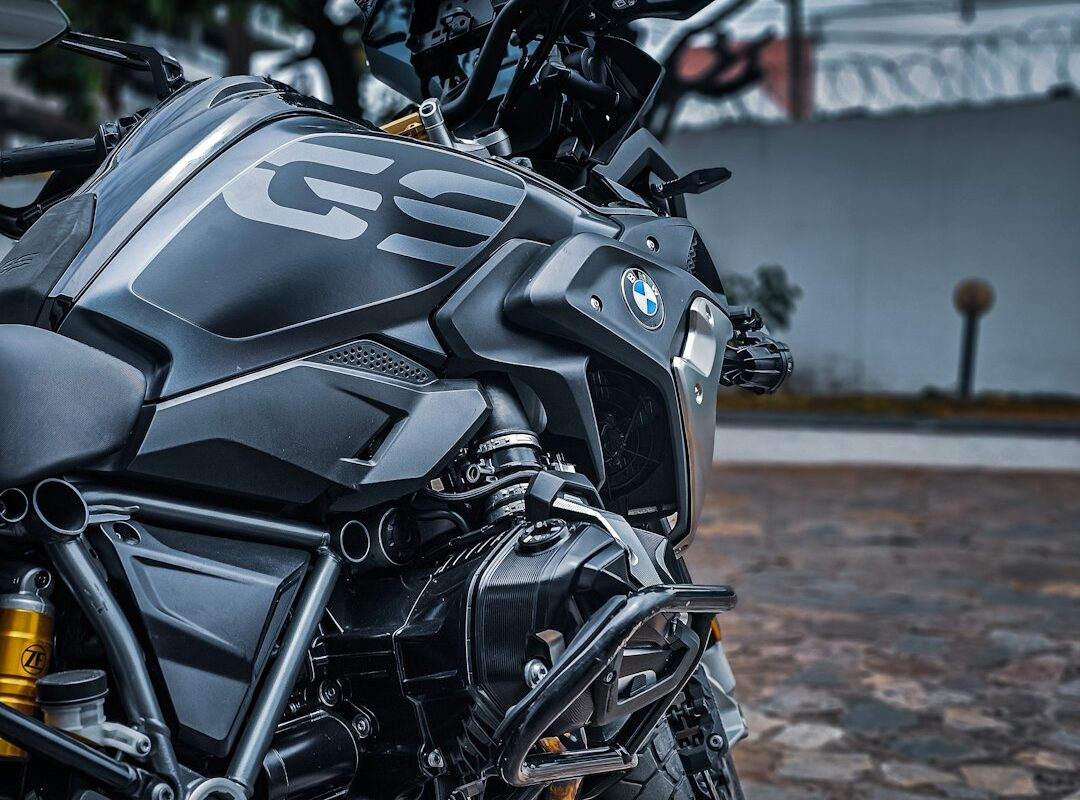
- Style Options: Different paint schemes and finishes, often with blacked-out components or special graphics.
Carefully considering these options during purchase is crucial, as some features, like heated grips or cruise control, dramatically improve long-distance comfort.
Luggage Systems: Ready for Adventure
No adventure tourer is complete without a robust luggage system. BMW offers its own range of Vario cases (expandable plastic cases), aluminum panniers, and top cases, which integrate seamlessly with the bike’s design and mounting points. These are generally well-made, weather-resistant, and secure. Beyond factory options, the aftermarket provides a plethora of soft luggage solutions, tank bags, and duffels from brands like Touratech, SW-Motech, Givi, and Mosko Moto, allowing riders to choose the capacity and type of luggage that best suits their travel style. The rear rack is typically robust enough for mounting various top boxes or rolling bags.
Aftermarket Ecosystem: Endless Possibilities
The aftermarket support for the R 1250 GS is arguably the most extensive of any adventure motorcycle. This means you can find virtually any accessory imaginable to tailor the bike to your exact preferences:
- Protection: Crash bars, skid plates, headlight guards, handguard extensions – essential for off-road excursions.
- Ergonomics: Bar risers, different footpegs, comfort seats, adjustable levers.
- Lighting: Auxiliary LED lights for improved visibility and off-road illumination.
- Navigation: Dedicated GPS mounts and power solutions.
- Performance: Exhaust systems, air filters, engine tuning modules.
This vast array of options ensures that you can truly make the R 1250 GS your own, adapting it for everything from urban commuting to global circumnavigation.
Is the R 1250 GS Right for You? Weighing the Pros and Cons
While the BMW R 1250 GS is an outstanding motorcycle, it’s not the perfect fit for absolutely everyone. Understanding its strengths and weaknesses in relation to your own riding style and needs is key to making an informed decision.
Who It’s For: The Ideal Rider
The R 1250 GS is ideal for riders who:
- Prioritize long-distance comfort: If you plan on covering serious mileage, often with a passenger and luggage, its ergonomics, wind protection, and sophisticated suspension are unparalleled.
- Seek versatility: You want a bike that can confidently handle highways, twisty roads, and then seamlessly transition to gravel roads and moderate off-road trails.
- Appreciate technology and refinement: You value advanced rider aids, integrated connectivity, and a highly polished riding experience.
- Value a strong dealer network and aftermarket support: BMW’s global presence and the sheer volume of accessories mean peace of mind, no matter where your travels take you.
- Are prepared for its size and weight: While well-balanced, it’s not a small or light motorcycle, especially when fully loaded.
Potential Drawbacks and Considerations
Even legendary bikes have aspects that might not suit everyone:
- Price: The R 1250 GS, especially when optioned with desirable packages, is a premium motorcycle with a premium price tag. This can be a significant barrier for some.
- Weight and Bulk (especially off-road): While surprisingly capable off-road, its weight and size can be intimidating, particularly for less experienced off-road riders or those navigating very technical terrain where drops are more likely.
- Complexity: The advanced electronics, while beneficial, can mean more complex diagnostics and potentially higher maintenance costs if specialized tools or knowledge are required.
- Initial Learning Curve: For riders coming from smaller, lighter bikes, getting accustomed to the GS’s size and unique Telelever front end might take a little time.
- Maintenance Costs: As a premium European motorcycle, parts and labor for routine maintenance can be higher than for some other brands.
The GS vs. the GSA (Adventure)
A common question is whether to choose the R 1250 GS or its more rugged sibling, the R 1250 GS Adventure (GSA). The GSA typically features:
- Larger Fuel Tank: Significantly increased range (30L vs 20L).
- Longer Travel Suspension: Slightly more ground clearance and better bump absorption.
- More Robust Protection: Standard crash bars, engine guards, and sometimes a larger skid plate.
- Taller Seat Height: Due to the longer suspension.
- Heavier Weight: Naturally, with the larger tank and added protection.
The GSA is generally preferred by those who undertake more extreme expeditions, where range, ground clearance, and protection are paramount. The standard GS, however, is often considered the better all-rounder for most riders, being slightly lighter and more nimble, while still offering excellent capability.
In conclusion, the BMW R 1250 GS truly stands as a benchmark in the adventure touring segment. Its blend of a potent yet refined engine, sophisticated chassis, rider comfort, and genuinely impressive versatility makes it a compelling choice for anyone looking to embark on serious two-wheeled adventures. It’s a significant investment, but for the right rider, it delivers an experience that few other motorcycles can match. Just be sure to consider your own riding style, budget, and adventure aspirations before taking the plunge. If it aligns with your goals, the R 1250 GS will likely exceed your expectations and open up a world of exploration.
FAQs
What is the engine capacity of the BMW R 1250 GS?
The BMW R 1250 GS is equipped with a 1,254 cc (cubic centimeters) boxer engine, which is known for its distinctive flat-twin design.
What are the key features of the BMW R 1250 GS?
Key features of the BMW R 1250 GS include Dynamic Traction Control, multiple riding modes, a TFT display, and a semi-active suspension system known as Dynamic ESA.
What is the power output of the BMW R 1250 GS?
The BMW R 1250 GS produces a maximum power output of 136 horsepower (100 kW) at 7,750 RPM, providing strong performance for both on-road and off-road riding.
What is the fuel tank capacity of the BMW R 1250 GS?
The fuel tank capacity of the BMW R 1250 GS is 20 liters (approximately 5.3 gallons), allowing for extended riding range between refuels.
What are the available color options for the BMW R 1250 GS?
The BMW R 1250 GS is available in several color options, including Triple Black, Rallye, and various other special editions, allowing riders to choose a style that suits their preferences.