 Thomas Kelly
13 November 2026
Our Call to the Wild: The Allure of Off-Roading
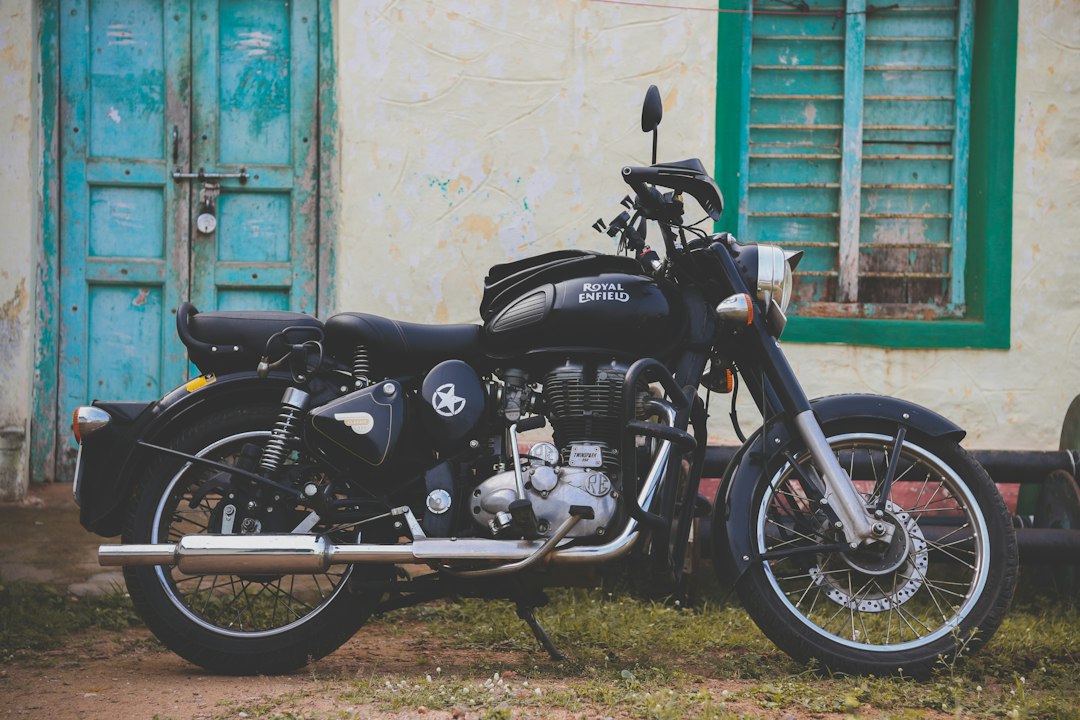
There’s a whisper in the wind, a rumble in the distance, a yearning deep within our collective spirit that beckons us away from the paved monotony of everyday life. It’s the call of the wild, the untamed, the unexplored. For us, a growing community of adventurers, that call is answered by the thrill of off-road motorcycling. We crave the challenge of technical trails, the panoramic views from mountain passes, and the sheer exhilaration of traversing terrains that few vehicles dare to tread. It’s a pursuit that strips away the superficial and connects us directly with nature, with the machine, and with each other. This isn’t just about getting from point A to point B; it’s about the journey itself, the lessons learned, the obstacles overcome, and the memories forged in dust, mud, and endless skies.
In recent years, a particular machine has captured our imagination and proven itself an ideal companion for these ambitious endeavors: the Royal Enfield Himalayan. From the moment we first laid eyes on its rugged simplicity and purposeful design, we knew it was built for the kind of adventures we envisioned. It isn’t a high-horsepower beast designed for speed, nor is it laden with overly complex electronics. Instead, the Himalayan offers a pure, unadulterated riding experience, one that emphasizes accessibility, reliability, and an uncanny ability to conquer challenging landscapes without complaint. It’s a motorcycle that encourages us to slow down, absorb our surroundings, and truly become one with the journey. For us, the Himalayan isn’t just a bike; it’s a passport to freedom, a trusty steed that faithfully carries us deeper into the heart of the wilderness, transforming ordinary trips into extraordinary expeditions. Its approachable nature means that both seasoned off-roaders and those new to the dirt can find joy and capability in its saddle, fostering a more inclusive spirit in our adventuring community.
Preparing for the Unseen: Gearing Up with the Himalayan
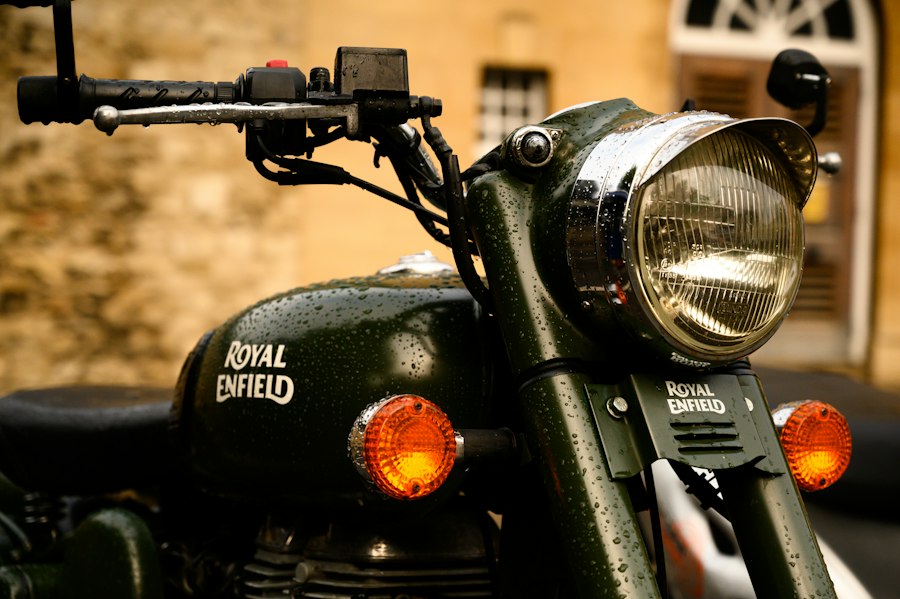
Embarking on any off-road adventure requires meticulous preparation, and our experiences with the Royal Enfield Himalayan have only reinforced this truth. While the bike itself is inherently rugged, understanding its capabilities and limitations, and equipping both ourselves and the machine appropriately, are crucial steps in ensuring a safe, enjoyable, and successful expedition. We’ve learned that overlooking small details can lead to significant headaches out in the wild, far from immediate assistance. Therefore, our preparation phases are as much a part of the adventure as the ride itself.
Essential Rider Gear for Off-Road Safety
Our personal safety is paramount, and the right gear can make all the difference in minimizing risks and maximizing comfort. We always advocate for investing in quality protection.
Helmets and Eye Protection
A full-face adventure helmet with a peak is our preferred choice. It offers excellent protection, reduces glare from the sun, and often includes a drop-down sun visor for varying light conditions. The ability to flip up the visor for better airflow during slow, technical sections or to converse easily is also invaluable. Paired with this, we ensure our helmets are fitted with anti-fog inserts, as condensation can quickly obscure vision, especially in humid or cold environments. Goggles, when riding in dusty conditions or behind other bikes, provide superior protection from debris compared to just a helmet visor.
Body Armor and Protective Clothing
Layering is key for adapting to changing temperatures and conditions. We start with a base layer that wicks moisture away from the skin. Over this, we wear protective adventure jackets and trousers designed for off-road use. These garments typically feature CE-approved armor in critical areas such as shoulders, elbows, back, hips, and knees. We look for jackets with ample ventilation options for hot days and waterproof liners for unexpected downpours. A separate chest protector and neck brace can provide additional impact protection, especially on more aggressive trails. Off-road specific boots, reaching well above the ankle, are non-negotiable for ankle and shin protection against impacts and twists. Durable gloves, with knuckle protection, complete our personal protective ensemble, safeguarding against abrasions and impacts.
Himalayan-Specific Modifications and Enhancements
While the Himalayan is remarkably capable in its stock form, we’ve found that a few strategic modifications can significantly enhance its off-road prowess and durability, tailoring it even better for our specific adventuring needs.
Protection for the Bike
The Himalayan’s exposed engine and fuel tank are vulnerable to impacts from falls or flying debris. A robust engine guard, preferably one that covers the lower engine case, is a top priority. We also install handguards to protect the levers and our hands from branches and minor tumbles. A sturdy bash plate, thicker than the stock offering, is crucial for shielding the oil filter and other delicate components beneath the engine when navigating rocky terrain or crossing logs. We also often reinforce the subframe or add a heavy-duty rear rack if we plan on carrying substantial luggage.
Luggage Solutions for Extended Trips
For multi-day expeditions, effective luggage management is vital. We generally opt for a combination of soft luggage and a sturdy top box. Soft panniers, such as roll-top dry bags, are excellent for carrying clothing, camping gear, and other non-fragile items. They conform to irregular shapes, are less prone to damage in a fall compared to hard cases, and distribute weight effectively. A waterproof duffel bag strapped across the pillion seat provides additional capacity. For items needing quick access or better security, a small tank bag is invaluable for storing essentials like a camera, phone, wallet, and snacks. We ensure all luggage is securely fastened to prevent shifting, which can negatively impact handling on rough terrain. We also carry a small toolkit specifically for the Himalayan, allowing us to perform basic trailside repairs.
Taming the Terrain: Mastering Off-Road Techniques
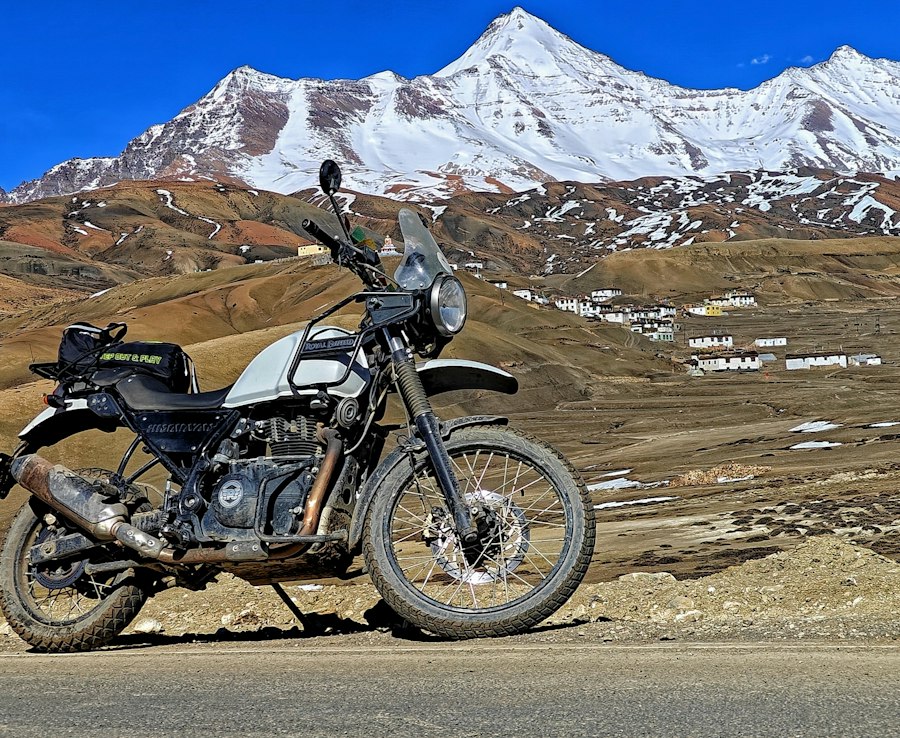
The true joy of the Royal Enfield Himalayan comes alive when we venture off the beaten path. While the bike’s forgiving nature makes it accessible, mastering off-road riding techniques is what truly unlocks its full potential and allows us to confidently tackle increasingly challenging terrains. It’s a continuous learning process, one that rewards patience, practice, and a willingness to push our comfort zones safely.
Body Position and Balance: Our Foundation
The way we position ourselves on the bike is fundamental to controlling it on varied surfaces. Unlike road riding, where we spend most of our time seated, off-road riding demands a dynamic and adaptable body position.
Standing on the Pegs
Standing on the footpegs is perhaps the most crucial technique for off-road riding. It allows us to use our legs as natural suspension, absorbing shocks from bumps and ruts, and preventing them from being transmitted directly to our spine. When standing, we maintain a slight bend in our knees and elbows, keeping our weight centered over the pegs. This gives us a much better view of the terrain ahead and allows the bike to move independently beneath us, finding its own path without constantly fighting our body weight. We also find that standing aids in precise steering input through the handlebars and subtle weight shifts. It’s a tiring position initially, but the benefits in control and comfort are undeniable over rough ground.
Weight Distribution and Lean
Effective weight distribution is key to maintaining traction and balance. On inclines, we shift our weight forward to keep the front wheel planted and prevent wheelies. On descents, we shift our weight back to prevent the rear wheel from lifting and to maintain stability. When cornering off-road, especially in loose dirt or gravel, we often use a “lean out” technique, where the bike is leaned more than our body, pushing the outside peg down. This helps maintain traction and allows us to steer with the handlebars while controlling the slide of the rear wheel. Practicing these subtle weight shifts becomes second nature over time and significantly enhances our control.
Navigating Different Surfaces with Confidence
The Himalayan’s tractable engine and compliant suspension make it well-suited for a variety of off-road conditions, but each surface demands a slightly different approach.
Gravel and Loose Dirt
Gravel and loose dirt are perhaps the most common off-road surfaces we encounter. The key here is smooth inputs. Aggressive braking or acceleration can easily cause the wheels to lock up or spin out. We aim for gentle acceleration, using a higher gear to keep the engine from revving too high and spinning the rear wheel unnecessarily. Braking should be applied judiciously, using both front and rear brakes, but relying more on the rear to maintain stability. We look for the path of least resistance, often avoiding the deepest gravel in the center of the track, and maintain a relaxed grip on the handlebars, allowing the front wheel to “float” over the loose surface rather than fighting it. Maintaining momentum is also crucial; slowing down too much can lead to loss of balance.
Mud and Water Crossings
Mud presents a unique challenge, often requiring a combination of momentum and precise throttle control. We try to scout mud sections beforehand to identify the shallowest or firmest lines. In mud, keeping a consistent throttle and leaning slightly back helps the front wheel skim over the surface, reducing the chance of it digging in and getting stuck. If we anticipate a deep mud section, we often drop a gear and carry a bit more speed through it, ensuring we don’t stall. When encountering water crossings, we assess the depth and current. We often walk the crossing first if unsure. For the actual crossing, we keep a steady throttle in a low gear, maintaining a slight bow wave in front of the bike, which helps to displace water. We avoid stopping in water, as it can be difficult to restart and potentially ingest water into the engine. After any water crossing, we gently pump the brakes to dry the pads and regain full braking performance.
Rocky Trails and Obstacles
Rocky trails demand slow, precise control and careful line selection. We aim to ride over the tops of larger, stable rocks rather than attempting to navigate through gaps that could trap our wheels or damage the underside of the bike. Standing on the pegs is essential here, allowing us to see further ahead and absorb impacts. We use controlled throttle and clutch modulation, often feathering the clutch in first gear to maintain momentum without excessive speed. When encountering obstacles like logs or large rocks, we use a technique called “lifting the front wheel” – a quick blip of the throttle and pull on the handlebars can lift the front wheel over the obstacle, while precise weight transfer helps the rear wheel follow. It’s a technique that takes practice but greatly expands our capability on technical trails.
The Himalayan Advantage: Why We Choose This Bike
Our collective experiences have solidified our belief that the Royal Enfield Himalayan is more than just a motorcycle; it’s a statement of purpose, a testament to simplicity and capability in an increasingly complex world. It embodies a philosophy of adventure that resonates deeply with us, prioritizing the journey and the experience over raw power or cutting-edge technology. The reasons we consistently choose the Himalayan for our off-road escapades are numerous and deeply rooted in its design and character.
Simplicity and Reliability: A Trailside Blessing
In the unforgiving environment of off-road adventuring, complexity is often the enemy of reliability. This is where the Himalayan truly shines. Its relatively simple, air-cooled, single-cylinder engine and straightforward chassis mean there’s less to go wrong, and when something does, it’s often easier to diagnose and fix on the trail.
Easy Trailside Repairs
We’ve all been there: a minor tumble, a loose bolt, a puncture far from civilization. With many modern adventure bikes bristling with electronics, a simple issue can become a debilitating one. The Himalayan, however, allows for a surprising amount of trailside maintenance with a basic toolkit. We’ve replaced levers, adjusted chains, and even patched tires using minimal tools, thanks to its accessible components and lack of overly specialized parts. Its carburetors (on older models) or simple fuel injection system are generally robust. This inherent repairability instills a confidence that is invaluable when venturing into remote areas, knowing that we’re not entirely reliant on professional mechanics for every minor glitch.
Robust Build Quality
While some might criticize its fit and finish compared to higher-priced machines, we appreciate the Himalayan’s utilitarian and robust construction. It’s designed to take a beating. The steel frame, rugged engine guards (especially upgraded ones), and general lack of delicate plastic bodywork mean it can handle falls and impacts with surprising grace. We’ve seen Himalayans endure drops that would leave other bikes with shattered fairings and bent components. This resilience means we spend less time worrying about cosmetic damage and more time enjoying the ride, pushing our limits knowing the bike can handle it. Its solid, if not always refined, components contribute to a feeling of durability that instills confidence.
Ergonomics and Rider Comfort: Miles Beyond the Pavement
Long days in the saddle, especially over rough terrain, can be incredibly taxing. The Himalayan, however, offers an ergonomic package that genuinely contributes to rider comfort and confidence, making those extended adventures far more enjoyable.
Comfortable Riding Position
The Himalayan’s upright riding position, with a relatively low seat height (compared to many adventure bikes) and well-placed handlebars, makes it comfortable for a wide range of rider heights and builds. This neutral posture reduces fatigue in the back, shoulders, and wrists, allowing us to spend longer hours in the saddle without discomfort. Crucially, the standing ergonomics are also excellent, with pegs that allow for a natural stance and handlebars that are within easy reach when standing, preventing excessive bending or stretching. This dual comfort – both seated and standing – is vital for off-road riding, where constant transitions between the two positions are common.
Compliant Suspension and Predictable Handling
The Himalayan’s long-travel suspension, while not overly sophisticated or adjustable, is remarkably compliant. It soaks up bumps, ruts, and small obstacles with ease, providing a plush ride that reduces rider fatigue. This softer setup also translates to predictable handling on loose surfaces. The bike isn’t twitchy or nervous; it tracks predictably, allowing us to anticipate its reactions and make minor corrections with confidence. Its 21-inch front wheel and 17-inch rear wheel, paired with dual-sport tires, provide a good balance of off-road grip and on-road manners. This predictability allows us to focus on the trail ahead, rather than constantly battling the bike’s handling characteristics, making it an excellent platform for developing off-road skills.
Affordability and Accessibility: Adventure for All
One of the most compelling aspects of the Royal Enfield Himalayan, and a major reason for its popularity within our community, is its incredible value proposition. It democratizes adventure riding, making it accessible to a broader audience.
Lower Initial Investment
Compared to many other adventure motorcycles on the market, the Himalayan has a significantly lower purchase price. This lower barrier to entry means that more individuals can afford to buy a capable off-road machine without breaking the bank. This affordability extends beyond the initial purchase; parts and accessories are also generally more reasonably priced, making ownership more sustainable in the long run. This accessibility fosters a more diverse and inclusive community of adventurers, welcoming those who might otherwise be priced out of the segment.
Running Costs and Maintenance
The simplicity of the Himalayan also translates to lower running costs. Its air-cooled engine is less complex to maintain than liquid-cooled counterparts, and its service intervals are reasonable. Fuel efficiency is respectable for its class, especially when ridden at its intended pace. The availability of parts, both OEM and aftermarket, is good, and many routine maintenance tasks can be performed by the owner with basic mechanical knowledge. This overall affordability, from purchase to ongoing ownership, means we can allocate more of our budget to actual adventures – fuel, camping gear, and exploring new trails – rather than being burdened by excessive bike expenses. It truly embodies the spirit of practical, no-frills adventure.
Our Shared Journeys: The Himalayan Community
More than just a motorcycle, the Royal Enfield Himalayan has fostered a vibrant and supportive community among us. It’s a collective of like-minded individuals who share a passion for exploration, a willingness to help each other, and an appreciation for the simple joys of two-wheeled adventure. This sense of camaraderie is a significant part of the Himalayan experience, transforming solo rides into shared memories and challenges into collective triumphs.
Building Connections on the Trail
The moment we encounter another Himalayan rider, there’s an instant unspoken bond. It’s a nod of recognition, an acknowledgement of shared interests and an understanding of the bike’s unique character. These impromptu meetings often lead to shared stories, advice on local trails, or even an invitation to ride together. We’ve found that the Himalayan attracts a particular kind of rider – one who values experience over speed, reliability over horsepower, and community over competition. This shared ethos makes it easy to connect and form lasting friendships on the road and trail.
Group Rides and Expeditions
Organized group rides are a cornerstone of our Himalayan community. Whether it’s a day trip to explore local fire roads or a multi-day expedition into remote wilderness, these rides are opportunities to learn from each other, push our boundaries, and create incredible memories. We share navigation duties, help each other through challenging sections, and celebrate each other’s successes. When a breakdown occurs or a rider gets stuck, the collective effort to assist is immediate and unwavering. These shared challenges strengthen our bonds and reinforce the idea that we are all part of a larger adventure family. The relatively approachable nature of the Himalayan means that riders of varying skill levels can often ride together, fostering an inclusive atmosphere where beginners can learn from more experienced veterans.
Online Forums and Social Media
Beyond physical gatherings, our community thrives in online spaces. Dedicated forums, Facebook groups, and Instagram hashtags are buzzing with activity. Here, we share ride reports, stunning photographs, technical advice, and even help each other locate specific parts or accessories. These platforms serve as invaluable resources for new riders seeking guidance and for seasoned adventurers looking for inspiration or planning their next big trip. The collective knowledge base within these online communities is immense, covering everything from tire choices and suspension setups to packing strategies and route planning. It’s a constant source of encouragement and support, ensuring that no Himalayan owner ever feels truly alone in their adventuring pursuits. This digital camaraderie often translates into real-world meetups, further enriching our collective experience.
FAQs
What is the engine capacity of the Royal Enfield Himalayan?
The Royal Enfield Himalayan is powered by a 411cc single-cylinder, air-cooled engine that produces approximately 24.3 horsepower and 32 Nm of torque.
What type of riding is the Royal Enfield Himalayan designed for?
The Royal Enfield Himalayan is designed primarily for adventure touring and off-road riding, featuring a rugged build and long suspension travel to handle various terrains.
What are the key features of the Royal Enfield Himalayan?
Key features of the Royal Enfield Himalayan include a digital-analog instrument cluster, a large fuel tank for extended range, a comfortable seat for long rides, and a robust chassis designed for stability on rough roads.
What is the fuel efficiency of the Royal Enfield Himalayan?
The Royal Enfield Himalayan offers a fuel efficiency of approximately 30-35 km/l, depending on riding conditions and riding style.
What safety features are included in the Royal Enfield Himalayan?
The Royal Enfield Himalayan comes equipped with dual-channel ABS (Anti-lock Braking System), a sturdy frame, and high ground clearance, enhancing safety and stability during rides.