
 Thomas Kelly
10 January 2026
Thomas Kelly
10 January 2026
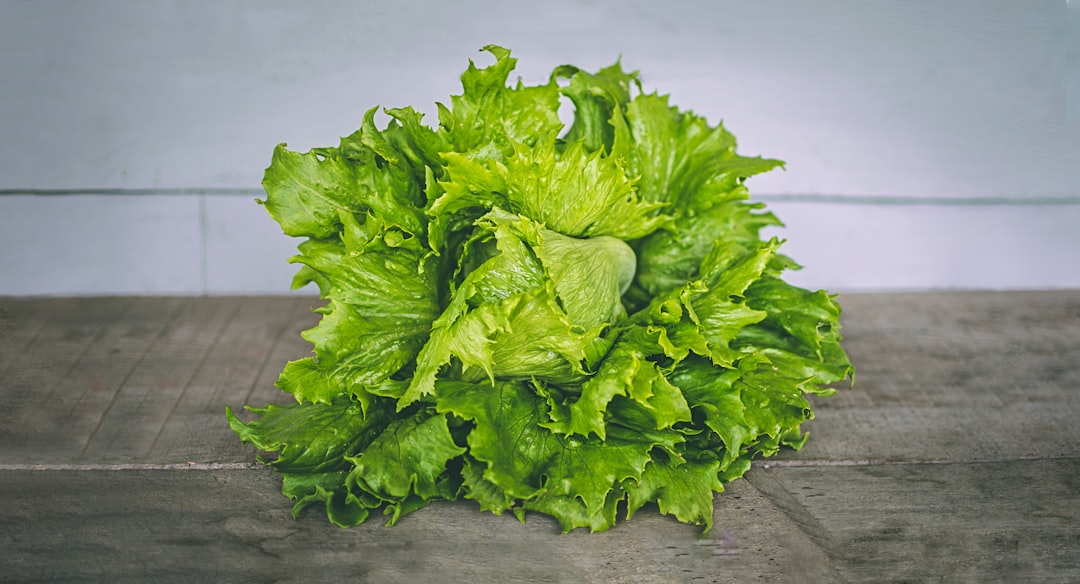
Lettuce (Lactuca sativa) is a widely cultivated leafy vegetable. Its consumption dates back to ancient civilizations, and it remains a staple in diets across the globe. This article examines the nutritional profile and associated health benefits of lettuce, drawing on scientific research to provide a comprehensive overview.
Lettuce, while often perceived as a mere filler in salads, possesses a dense concentration of essential nutrients. Its caloric content is remarkably low, making it an attractive option for those conscious of energy intake.
Vitamins and Minerals
Lettuce is a significant source of various vitamins and minerals, crucial for maintaining bodily functions.
Vitamin K
Vitamin K is vital for blood coagulation and bone health. A single serving of lettuce can contribute substantially to your daily recommended intake. This vitamin facilitates the activation of proteins involved in blood clotting, acting like a key turning on a vital mechanism. Without sufficient Vitamin K, the body’s ability to stop bleeding is compromised, and bone density can suffer.
Vitamin A
In the form of beta-carotene, Vitamin A in lettuce supports vision, immune function, and skin health. Beta-carotene is a powerful antioxidant, protecting cells from damage caused by free radicals. Think of it as a shield, deflecting harmful particles that can degrade cellular integrity. The conversion of beta-carotene to Vitamin A occurs in the liver, providing a steady supply of this crucial nutrient.
Folate (Vitamin B9)
Folate is essential for cell division and DNA synthesis. It plays a critical role during periods of rapid growth, such as pregnancy and infancy. Adequate folate intake can help prevent neural tube defects in newborns. Furthermore, folate contributes to the production of red blood cells, ensuring oxygen transport throughout the body.
Potassium
Potassium is an electrolyte that helps regulate blood pressure and fluid balance. It counteracts the effects of sodium, contributing to cardiovascular health. Maintaining a proper potassium-to-sodium ratio is like balancing a scale; too much of one can tip the system.
Iron
While not as abundant as in other sources, lettuce provides some dietary iron, crucial for oxygen transport and energy production. Plant-based iron (non-heme iron) is less readily absorbed than animal-based iron (heme iron), but its presence still contributes to overall iron intake. Combining lettuce with Vitamin C-rich foods can enhance iron absorption.
Antioxidant Profile
Lettuce contains various antioxidants that combat oxidative stress. Oxidative stress, a process resulting from an imbalance between free radicals and antioxidants, can lead to cellular damage and chronic diseases.
Flavonoids
Flavonoids are a class of plant compounds with potent antioxidant and anti-inflammatory properties. They contribute to the vibrant colors of many fruits and vegetables, and their role extends beyond aesthetics. These compounds act as scavengers, neutralizing free radicals before they can inflict widespread damage.
Phenolic Acids
Phenolic acids, another group of antioxidants found in lettuce, contribute to its protective effects. These compounds are known for their anti-inflammatory and anti-carcinogenic potential. They act as guardians of cellular health, preventing uncontrolled proliferation and protecting DNA.
Lettuce, a popular leafy green vegetable, is not only a staple in salads but also plays a significant role in promoting healthy eating habits. For those interested in enhancing their communication skills while discussing nutrition and food choices, an insightful article on improving public speaking skills can be found at this link. This resource provides valuable tips that can help individuals express their thoughts on healthy eating, including the benefits of incorporating lettuce into their diets.
Digestive Health Enhancer
The high fiber content of lettuce plays a significant role in promoting a healthy digestive system. Dietary fiber is often referred to as nature’s broom, sweeping through the digestive tract.
Dietary Fiber
Lettuce primarily contains insoluble fiber, which adds bulk to stool and facilitates regular bowel movements. This type of fiber does not dissolve in water; instead, it absorbs water, increasing stool volume and promoting its passage through the intestines.
Preventing Constipation
Regular consumption of fiber-rich foods like lettuce can help prevent constipation by softening stool and increasing its motility. A sluggish digestive system can lead to discomfort and other health issues. Fiber acts as a lubricant, easing the journey of waste through the colon.
Supporting Gut Microbiome
While insoluble fiber itself isn’t digested, it contributes to a healthy gut microbiome by acting as a substrate for beneficial gut bacteria. These bacteria ferment certain types of fiber, producing short-chain fatty acids that nourish the colon cells and modulate immune responses. This intricate relationship between fiber and gut bacteria is a cornerstone of digestive health.
Weight Management Ally
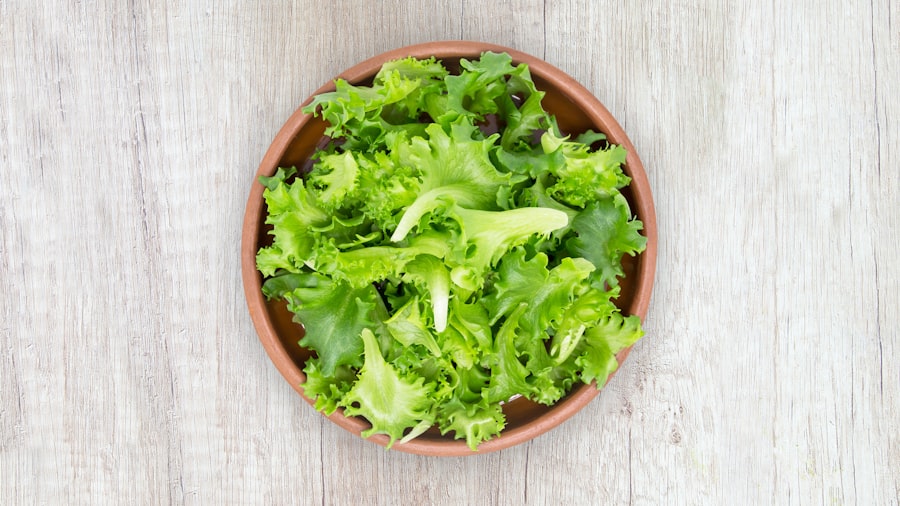
Due to its low caloric density and high water and fiber content, lettuce can be a valuable component of a weight management strategy. It allows for a feeling of fullness without contributing excess calories, a concept often termed “volumetric eating.”
Low Calorie Density
Lettuce provides a substantial volume for minimal calories. This allows individuals to consume larger portions, promoting satiety without overeating. Imagine a large plate filled with lettuce versus a small portion of a calorie-dense food; the visual and physical cues often lead to greater satisfaction with the former.
High Water Content
Lettuce is composed of over 95% water. This contributes to hydration and satiety. Water itself is a zero-calorie means of filling the stomach, and its presence in lettuce further enhances its ability to curb appetite.
Fiber-Induced Satiety
The fiber in lettuce contributes to a feeling of fullness by slowing down digestion and gastric emptying. This prolonged feeling of satiety can reduce the urge to snack between meals, a common pitfall in weight management. Fiber acts as a natural brake, slowing the rush of food through the digestive process.
Bone Strength Contributor
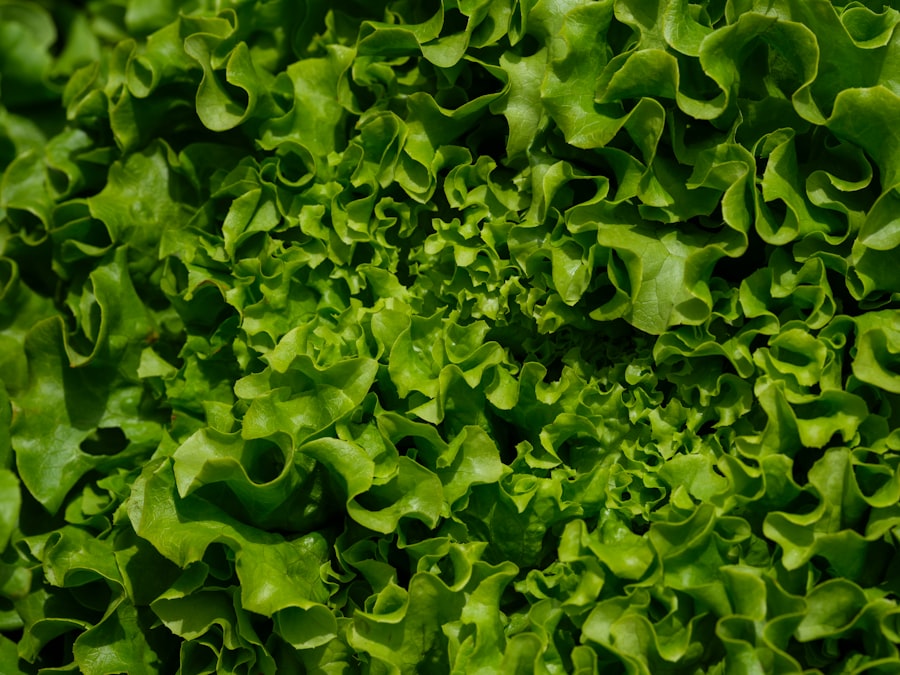
The presence of Vitamin K and other nutrients in lettuce contributes to maintaining bone integrity.Bone is a dynamic tissue, constantly being broken down and rebuilt, and nutrients play a critical role in this process.
Vitamin K and Bone Mineralization
Vitamin K is crucial for the carboxylation of osteocalcin, a protein involved in bone mineralization. Without sufficient Vitamin K, osteocalcin cannot bind effectively to calcium, impairing bone formation. Think of Vitamin K as the conductor of an orchestra, ensuring that all components of bone building are working in harmony.
Calcium and Magnesium (Trace Amounts)
While not a primary source, lettuce does contain trace amounts of calcium and magnesium, both of which are fundamental for bone health. Calcium is the primary building block of bone, providing its strength and structure, while magnesium plays a vital role in calcium absorption and bone density regulation. Their presence, even in smaller quantities, adds to the cumulative effect of a nutrient-rich diet on bone health.
Lettuce is a versatile leafy green that can enhance a variety of dishes, from salads to sandwiches. For those interested in exploring how to effectively engage audiences through food-related content, a related article discusses the importance of trust in content marketing campaigns. You can read more about it in this insightful piece on trust in content marketing. This connection highlights how quality ingredients like lettuce can be part of a broader narrative in culinary storytelling.
Cardiovascular Health Benefits
Lettuce contributes to cardiovascular health through its impact on blood pressure, cholesterol levels, and its antioxidant properties. The heart, a tireless pump, benefits from a diet rich in protective nutrients.
Blood Pressure Regulation
The potassium content in lettuce helps counteract the effects of sodium, contributing to blood pressure regulation. A balanced intake of potassium and sodium is vital for maintaining healthy blood pressure, preventing the strain on blood vessels that can lead to hypertension.
Antioxidants and Arterial Health
The antioxidants in lettuce protect against oxidative damage to blood vessels, reducing the risk of atherosclerosis. Atherosclerosis, the hardening and narrowing of arteries, is a leading cause of heart disease. Antioxidants act as a protective layer, preventing the accumulation of plaque and maintaining arterial flexibility.
Folate and Homocysteine Levels
Folate plays a role in converting homocysteine into other amino acids. Elevated homocysteine levels are associated with increased risk of cardiovascular disease. By facilitating this conversion, folate helps keep homocysteine levels in check, mitigating a potential risk factor for heart problems.
Lettuce is a versatile leafy green that can enhance a variety of dishes, from salads to sandwiches. For those interested in exploring more about the culinary world, you might find this article on handmade leather shoes intriguing, as it highlights the craftsmanship involved in creating quality footwear, which can complement any stylish outfit that features fresh ingredients like lettuce. You can read more about it here.
Anti-Inflammatory Properties
The various phytonutrients and antioxidants present in lettuce possess anti-inflammatory properties, which can help mitigate chronic inflammation. Chronic inflammation is a pervasive issue, contributing to a wide range of diseases.
Quercetin and Kaempferol
Flavonoids like quercetin and kaempferol, found in lettuce, exhibit anti-inflammatory effects. They interfere with inflammatory pathways, reducing the production of pro-inflammatory molecules. These compounds act as natural regulators, dampening excessive inflammatory responses.
Phenolic Acids
Phenolic acids in lettuce also contribute to its anti-inflammatory profile by modulating cellular signaling pathways involved in inflammation. They can inhibit enzymes that promote inflammation, providing a calming effect on the body’s immune response.
Lettuce, far from being a mere garnish, is a nutrient-dense vegetable offering a spectrum of health benefits. Its rich array of vitamins, minerals, fiber, and antioxidants contributes to digestive health, weight management, bone strength, cardiovascular well-being, and anti-inflammatory processes. Incorporating lettuce into your diet can be a simple yet effective strategy for enhancing overall health.