 Thomas Kelly
25 July 2026
Thomas Kelly
25 July 2026
Let’s talk about how engineering design can seriously boost efficiency. Think of it as the blueprint for making things work better, faster, and with less waste. It’s not just about making something look good; it’s about making it function at its peak, whether that’s a tiny microchip, a massive bridge, or even a complex software system. At its core, good engineering design is about smart problem-solving, and that directly translates to efficiency.
When we talk about “efficiency” in engineering design, we’re not just throwing around a buzzword. We’re referring to a measurable outcome. It’s about getting the most output for the least input. This can manifest in a lot of different ways, and understanding these nuances is key to applying good design principles.
Resource Optimization
This is a big one. Engineering design aims to minimize the use of raw materials, energy, and even human effort. Less waste means a more sustainable and cost-effective process or product.
Material Selection
The choice of materials has a direct impact on how efficiently something can be manufactured and how long it will last. A strong, lightweight material might reduce the energy needed for transportation or operation, for example.
Energy Consumption
Designing systems that require less power to operate or produce is a classic example of efficiency. This could involve optimizing motor designs, improving insulation, or creating algorithms that use fewer processing cycles.
Time and Speed
Efficiency also encompasses how quickly a task can be completed or a product can be brought to market. Streamlined processes and well-designed components contribute to this.
Process Flow
In manufacturing or software development, designing a logical and uninterrupted flow of operations can shave off significant time. This involves identifying bottlenecks and eliminating unnecessary steps.
Cycle Times
For recurring tasks or operations, reducing the time it takes to complete one cycle directly improves overall throughput and efficiency.
Cost-Effectiveness
Ultimately, efficiency often translates into lower costs. This isn’t just about the initial purchase price but also the long-term operational expenses.
Reduced Maintenance
A well-designed product or system will often require less frequent or less complex maintenance, saving time and money over its lifespan.
Longer Product Lifespan
Designing for durability and reliability means a product will last longer, reducing the need for replacements and thus increasing overall efficiency from a lifecycle perspective.
Design for Manufacturability (DFM): Making Production Smoother
One of the most impactful areas where engineering design drives efficiency is through Design for Manufacturability (DFM). This is all about thinking ahead to production right from the early stages of design. It’s about ensuring that what you design can actually be made reliably, cost-effectively, and with minimal fuss.
Simplifying Components
The fewer individual parts a product has, the simpler and more efficient its assembly will be, and the less likely it is that something will go wrong.
Part Count Reduction
Engineers look for ways to combine functions into single components or redesign existing parts to serve multiple purposes. This reduces assembly time, the need for fasteners, and potential points of failure.
Standardizing Parts
Using off-the-shelf, standardized components whenever possible drastically cuts down on custom tooling and manufacturing needs, leading to quicker production and lower costs.
Optimizing Manufacturing Processes
DFM also considers the specific manufacturing methods that will be used. Designing with these methods in mind avoids costly rework or the need for specialized, expensive equipment.
Tolerance Analysis
Understanding and setting appropriate manufacturing tolerances is crucial. Too tight, and it becomes difficult and expensive to manufacture. Too loose, and the parts might not fit or function correctly, leading to inefficiencies.
Choosing the Right Process
The design should align with the most efficient manufacturing processes available, whether that’s injection molding, CNC machining, 3D printing, or something else. A design optimized for one process might be impractical for another.
Design for Assembly (DFA): Putting it All Together Efficiently

Closely related to DFM, Design for Assembly (DFA) specifically focuses on the ease and efficiency of putting the designed components together. This has a massive impact on labor costs and production speed.
Minimizing Assembly Steps
The goal here is to make the assembly process as straightforward as possible. Fewer steps generally mean less time and fewer opportunities for errors.
Self-Fixturing Parts
Designing parts that naturally orient themselves or lock into place without the need for special jigs or fixtures can significantly speed up assembly.
Avoiding Problematic Fasteners
While fasteners are sometimes necessary, over-reliance on screws, bolts, or specialized clips can slow down assembly. Designs that encourage snap-fits or interlocking mechanisms are often more efficient.
Ergonomics for Assembly
Even if the components are simple, how easily a human (or a robot) can handle and manipulate them during assembly matters.
Accessibility
Ensuring that assembly points are easily reachable and visible helps prevent mistakes and speeds up the process.
Gripping Surfaces
Designing parts with natural grip points makes them easier for workers to handle, reducing fumbling and improving overall efficiency.
The Role of Simulation and Modeling: Predicting and Perfecting
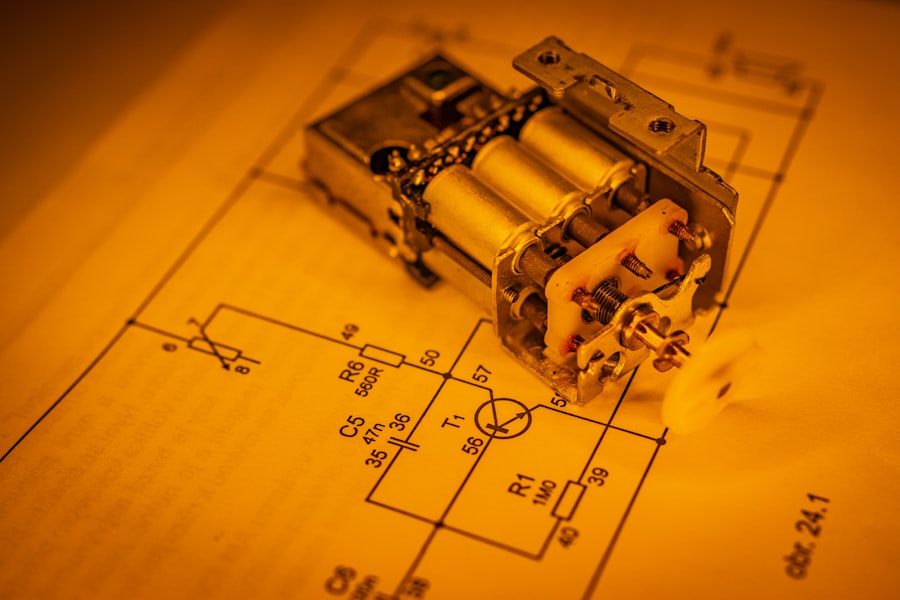
Modern engineering design heavily relies on sophisticated simulation and modeling tools. These digital environments allow engineers to test and refine designs virtually before any physical prototypes are ever built, a process that’s incredibly efficient.
Virtual Prototyping
Instead of building multiple physical prototypes, engineers can create detailed digital models of their designs and subject them to various tests.
Stress and Strain Analysis
Using finite element analysis (FEA), engineers can simulate how a design will react to physical forces, identifying potential weak points and optimizing material use.
Thermal Simulation
For products that generate or are exposed to heat, thermal simulations help ensure proper cooling or heat management, preventing overheating and improving performance.
Fluid Dynamics
For anything involving liquids or gases, computational fluid dynamics (CFD) can predict flow patterns, pressure drops, and efficiency of movement, crucial for everything from car aerodynamics to medical devices.
Performance Prediction
Simulation goes beyond just structural integrity; it can predict how a product will perform under real-world conditions.
Energy Efficiency Modeling
Software can simulate the energy consumption of a design, allowing engineers to tweak parameters and find the most efficient operating modes.
System Dynamics
For complex systems with many interacting parts, simulation can predict overall behavior, identifying potential instabilities or inefficiencies before they manifest physically.
Iterative Design Improvement
The ability to quickly make changes in a digital model and re-simulate allows for rapid iteration and continuous improvement.
Identifying Bottlenecks
Simulations can reveal hidden inefficiencies in a system or process that might not be obvious through physical testing alone.
Design Space Exploration
Engineers can explore a wide range of design variations and parameters within the simulation environment to find the optimal solution for efficiency.
Lifecycle Engineering: Efficiency Beyond Production
True engineering efficiency looks at the entire life of a product or system, not just its creation. Lifecycle engineering considers how a design impacts its performance, maintenance, and eventual disposal or recycling.
Design for Reliability and Maintainability
A product that breaks down frequently or is hard to fix is inherently inefficient, regardless of how cheaply it was made.
Robust Component Design
Selecting or designing components that are known for their durability and resistance to wear and tear is fundamental.
Modular Design
Designing systems with easily replaceable modules allows for faster repairs and upgrades, extending the product’s functional life and reducing downtime.
Diagnostic Capabilities
Incorporating features that allow for easy diagnosing of issues – like self-test functions or clear indicator lights – makes troubleshooting and maintenance much more efficient.
Design for Sustainability and End-of-Life
Considering the environmental impact and disposal of a product is also a crucial aspect of modern efficiency.
Material Choice for Recyclability
Selecting materials that are easily recyclable or biodegradable reduces waste and the environmental footprint.
Design for Disassembly
Making products easy to take apart at the end of their life makes recycling and material recovery more efficient.
Reducing Environmental Impact
This can involve minimizing hazardous materials, reducing energy consumption during use, or designing for longer product lifespans to reduce the overall demand for new products.
In essence, engineering design is the architect of efficiency. By carefully considering how things are made, how they work, and their impact over time, engineers can unlock significant improvements that benefit everyone – from the company producing the product to the end-user who benefits from a more reliable, cost-effective, and often more sustainable solution. It’s a continuous process of refinement, driven by the desire to achieve the best possible outcome with the fewest resources.