
 Thomas Kelly
25 February 2026
Thomas Kelly
25 February 2026
Mushrooms, often categorized botanically as fungi, are a diverse group of organisms that have been utilized by humans for centuries. Their role ranges from nutritional sustenance to traditional medicine, and more recently, as a subject of scientific inquiry into their potential health benefits. This article explores the various aspects of mushrooms, from their nutritional profile to their functional compounds and ecological significance.
The term “mushroom” commonly refers to the fruiting body of a macroscopic fungus. However, the fungal kingdom is vast, encompassing an estimated 1.5 million species, only a fraction of which have been identified and studied. This diversity is reflected in the array of shapes, sizes, colors, and textures found in edible mushrooms.
Edible Varieties
A wide selection of mushrooms is consumed globally, each with distinct flavors and culinary applications. Common examples include:
- Agaricus bisporus (Button, Cremini, Portobello): These are the most widely cultivated and consumed mushrooms, representing different stages of maturity of the same species.
- Lentinula edodes (Shiitake): Native to East Asia, shiitake mushrooms are prized for their umami flavor and meaty texture.
- Pleurotus ostreatus (Oyster): Characterized by their oyster-shaped caps, these mushrooms are versatile in cooking.
- Grifola frondosa (Maitake/Hen-of-the-Woods): This mushroom grows in large, multi-lobed clusters, often resembling a ruffled hen.
- Ganoderma lucidum (Reishi): Primarily consumed for its medicinal properties, reishi mushrooms are typically prepared as tinctures or teas due to their woody texture.
- Hericium erinaceus (Lion’s Mane): Recognized by its cascading, white spines, lion’s mane is recognized for its unique appearance and potential health attributes.
Non-Edible and Toxic Species
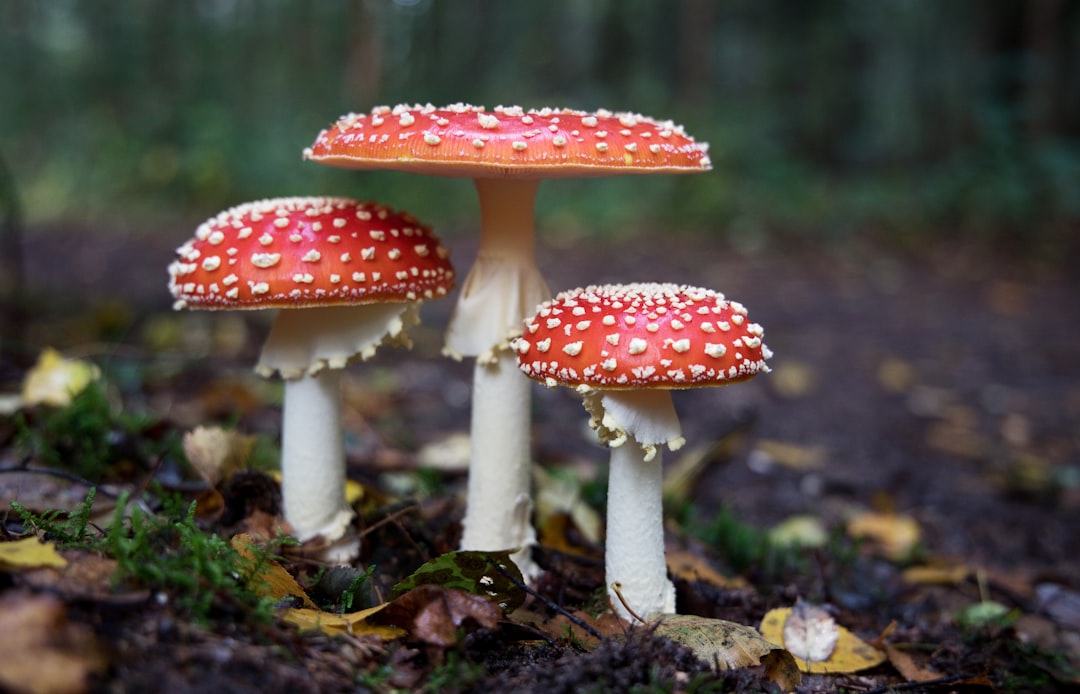
It is crucial to distinguish edible mushrooms from those that are toxic or non-edible. Many wild mushrooms contain compounds that can cause severe gastrointestinal distress, organ damage, or even death. For example, Amanita phalloides (death cap) is responsible for a significant number of mushroom poisoning fatalities worldwide. Therefore, identification by experienced mycologists or reliance on commercially grown varieties is essential for safe consumption.
Mushrooms have gained popularity not only for their culinary uses but also for their potential health benefits. For those interested in exploring the fascinating world of fungi, a related article that delves into the various types of mushrooms and their nutritional properties can provide valuable insights. You can read more about this topic in the article found here: Which Are the Best Car Tyre Brands?.
Nutritional Profile: A Nutrient Powerhouse
Mushrooms are recognized for their low caloric content and rich nutritional composition. They offer a spectrum of vitamins, minerals, and other bioactive compounds that contribute to a balanced diet.
Macronutrients
Mushrooms are primarily composed of water, typically ranging from 80-95% of their fresh weight. The remaining dry matter contains:
- Protein: Mushrooms provide a moderate amount of protein, often containing all nine essential amino acids. While generally not as high in protein as animal sources, they can contribute significantly to protein intake, especially in vegetarian and vegan diets. Typical protein content ranges from 2-4% on a fresh weight basis.
- Carbohydrates: These primarily consist of dietary fiber, including chitin, beta-glucans, and hemicellulose. These fibers are largely indigestible by humans but play a role in gut health. Some simple sugars are also present in smaller quantities.
- Fats: Mushrooms are very low in fat, with the majority being unsaturated fatty acids.
Micronutrients
Mushrooms are a valuable source of several micronutrients:
- Vitamins: They are particularly notable for their B vitamins, including riboflavin (B2), niacin (B3), pantothenic acid (B5), and folate (B9). Some species, when exposed to UV light, can produce significant amounts of Vitamin D2 (ergocalciferol), a form of vitamin D found in plants.
- Minerals: Potassium, phosphorus, selenium, copper, and zinc are commonly found in mushrooms. Selenium, an antioxidant mineral, is particularly present in several mushroom species.
Bioactive Compounds
Beyond standard nutrients, mushrooms contain a plethora of bioactive compounds that are currently under investigation for their potential health implications. These include:
- Polysaccharides: Beta-glucans are a prominent type of polysaccharide found in mushroom cell walls. They are complex carbohydrates known for their immunomodulatory potential.
- Triterpenes: These compounds exhibit a range of biological activities and are often associated with the medicinal properties of certain mushrooms like Reishi.
- Phenolic Compounds and Flavonoids: These are plant-derived antioxidants that contribute to cellular protection.
- Ergothioneine: An amino acid derivative that functions as a potent antioxidant, ergothioneine is found in high concentrations in many mushroom species and is not synthesized by humans. It is often referred to as “the longevity vitamin” by some researchers.
Functional Properties: Beyond Basic Nutrition
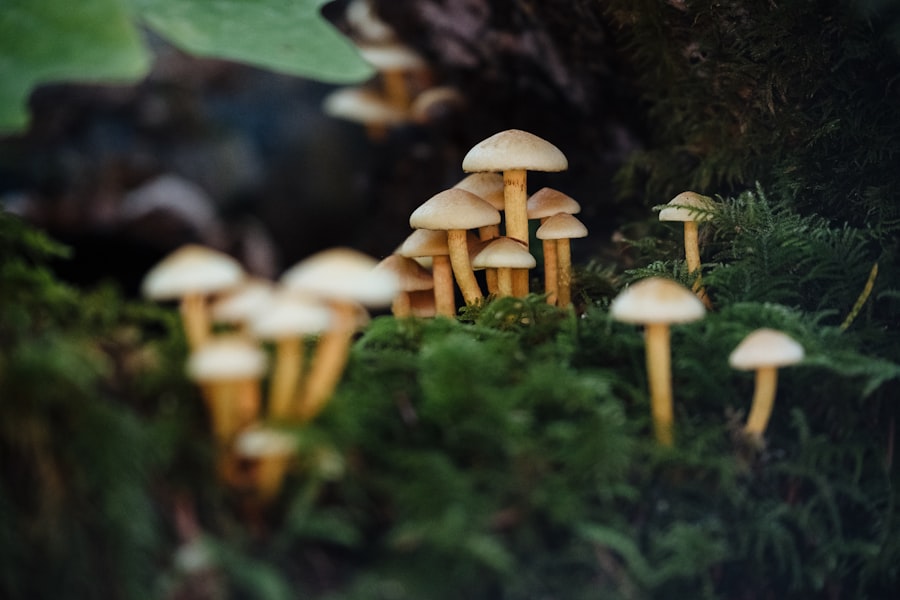
The presence of various bioactive compounds positions mushrooms as more than just food; they are increasingly recognized for their functional properties, which may contribute to overall health and well-being.
Immunomodulation
Several mushroom species, particularly those rich in beta-glucans, have been studied for their ability to modulate the immune system. These compounds are believed to interact with immune cells, such as macrophages and natural killer cells, potentially enhancing the body’s natural defense mechanisms. This does not imply that mushrooms “boost” the immune system indiscriminately, but rather that they can help regulate its response.
Antioxidant Capacity
The high content of compounds like ergothioneine, selenium, and various phenolics contributes to the antioxidant capacity of mushrooms. Antioxidants neutralize free radicals, which are unstable molecules that can cause cellular damage and contribute to chronic diseases. Regular consumption of antioxidant-rich foods is considered a supportive measure in maintaining cellular health.
Cardiovascular Health
Some research suggests that certain mushroom compounds may contribute to cardiovascular health by influencing cholesterol levels and mitigating oxidative stress. For example, some studies indicate that specific mushroom extracts could help lower total cholesterol and LDL (“bad”) cholesterol, though more human trials are needed to confirm these effects.
Gut Health
The dietary fiber in mushrooms, including chitin and beta-glucans, acts as prebiotics, nourishing beneficial gut bacteria. A healthy gut microbiome is increasingly linked to various aspects of health, including immunity, digestion, and even mood. By fostering a balanced gut environment, mushrooms may indirectly support overall physiological function.
Culinary Applications: A Versatile Ingredient
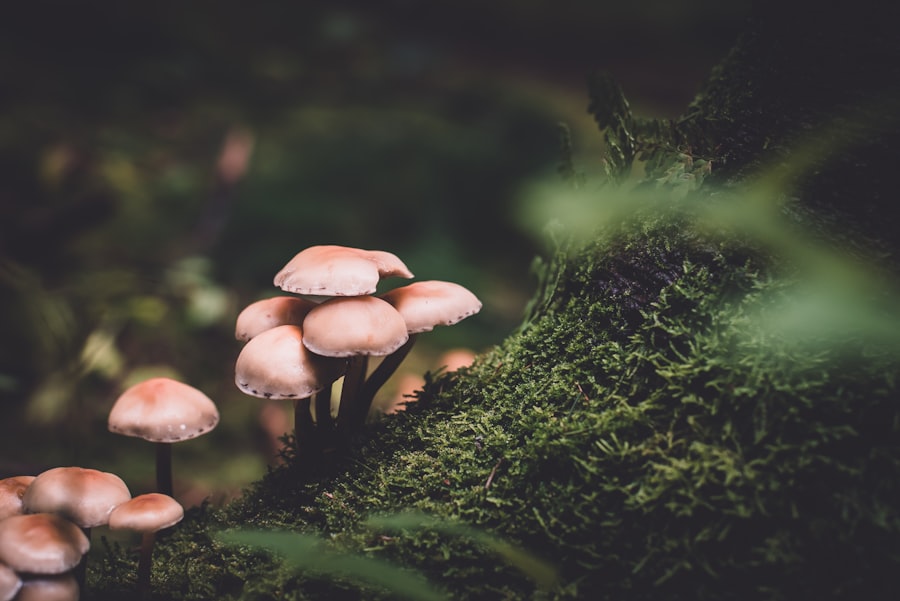
Mushrooms have a long history of culinary use, valued for their distinctive flavors, textures, and ability to absorb and complement other ingredients. They add depth and complexity, often described as “umami,” a savory taste sensation.
Cooking Techniques
Mushrooms can be prepared in numerous ways:
- Sautéing: A common method that brings out their flavor and softens their texture.
- Roasting: Enhances their earthy notes and creates a slightly crispy exterior.
- Grilling: Imparts a smoky flavor and tender texture, especially for larger varieties like portobellos.
- Stewing and Soups: Their umami properties enrich broths and sauces.
- Raw: Some varieties, like button mushrooms, can be consumed raw in salads.
Flavor and Texture
The flavor profile of mushrooms varies significantly by species:
- Earthy: Most mushrooms share an earthy, sometimes woody, flavor.
- Savory (Umami): This fifth basic taste is prominent in many mushrooms, contributing to their popular use in meat substitutes or flavor enhancers.
- Nutty: Some, like shiitake, can have nutty undertones.
- Meaty: Larger varieties like portobello offer a robust, meaty texture that makes them popular meat alternatives.
Global Cuisine
Mushrooms are integral to diverse culinary traditions worldwide:
- Asian Cuisine: Shiitake, oyster, and enoki mushrooms are staples in stir-fries, soups, and curries.
- European Cuisine: Chanterelles, porcinis, and truffles are highly prized in gourmet dishes.
- North American Cuisine: Button mushrooms are ubiquitous in salads, pizzas, and casseroles.
Mushrooms are fascinating organisms that play a crucial role in our ecosystem, serving as decomposers and forming symbiotic relationships with plants. If you’re interested in exploring how different elements of nature can influence our living spaces, you might find this article on painting a room particularly insightful, as it discusses how colors inspired by nature can enhance the ambiance of your home. Understanding the connection between natural elements and interior design can lead to a more harmonious living environment.
Ecological Significance: Nature’s Decomposers
Beyond their direct benefits to humans, mushrooms play a critical role in ecosystems, acting as nature’s primary decomposers. They are instrumental in nutrient cycling, breaking down organic matter and returning vital nutrients to the soil.
Decomposition
Fungi, including mushrooms, are saprophytes, meaning they obtain nutrients from dead or decaying organic matter. They secrete enzymes that break down complex organic compounds, such as cellulose and lignin from dead plants, into simpler forms that can be reabsorbed by other organisms. This process is crucial for maintaining soil fertility and plant growth. Without decomposers, organic matter would accumulate, and nutrient cycles would cease.
Mycorrhizal Relationships
Many fungi form symbiotic relationships with plants, known as mycorrhizae. In this mutualistic association, the fungal hyphae extend the plant’s root system, enhancing its ability to absorb water and nutrients (especially phosphorus and nitrogen) from the soil. In return, the plant provides the fungus with carbohydrates produced through photosynthesis. These relationships are fundamental to the health and growth of most plant species, including many agricultural crops and forest ecosystems.
Bioremediation Potential
Some mushroom species are being studied for their potential in bioremediation, the use of biological organisms to remove pollutants from the environment. Certain fungi can break down various toxins, including petroleum hydrocarbons, pesticides, and heavy metals. This “mycoremediation” offers a promising approach for environmental clean-up.
Conclusion
Mushrooms represent a unique and valuable component of the natural world, offering a compelling blend of nutrition, health-supporting compounds, culinary versatility, and ecological importance. From their rich array of vitamins and minerals to their functional properties as immunomodulators and antioxidants, mushrooms are more than just a culinary ingredient. Their role as decomposers is fundamental to ecosystem stability, and ongoing research continues to uncover their diverse potential applications. As you consider your dietary choices or observe the natural world, understanding the multifaceted contributions of mushrooms provides a deeper appreciation for these often-overlooked organisms. Their presence, both on your plate and in the environment, is a testament to their intricate and enduring value.