 Thomas Kelly
8 February 2026
Thomas Kelly
8 February 2026
Broccoli, a cruciferous vegetable belonging to the Brassica oleracea family, has a long history of cultivation and is widely recognized for its nutritional density. Its characteristic tree-like structure, with a fibrous stalk and florets, makes it a distinctive presence on dinner plates across the globe. This article will explore the documented health benefits associated with broccoli consumption and provide a selection of recipes that showcase its versatility in the kitchen.
Broccoli stands as a cornerstone of a healthy diet due to its abundant supply of vitamins, minerals, fiber, and antioxidants. Understanding its nutritional composition reveals why it has earned its reputation as a superfood.
Macronutrients
Broccoli is a low-calorie food, making it an excellent choice for those managing their weight. Its primary macronutrient contribution comes from carbohydrates, with a significant portion being dietary fiber. Protein content is modest but contributes to overall daily intake.
Carbohydrates and Fiber
The carbohydrate content in broccoli is substantial, but the majority is in the form of complex carbohydrates and dietary fiber. This fiber plays a crucial role in digestive health, promoting regular bowel movements and contributing to a feeling of fullness, which can aid in appetite control. The fiber also ferments in the gut, feeding beneficial bacteria and contributing to a healthier microbiome.
Protein and Fat
Broccoli contains a small amount of protein, typically around 2.5 to 3 grams per 100 grams. This protein contributes to muscle repair and synthesis, though it is not a primary source. Fat content is negligible, usually less than half a gram per 100 grams, making it a fat-free food.
Micronutrients
The real power of broccoli lies in its rich array of micronutrients, particularly its vitamins and essential minerals.
Vitamin C: An Antioxidant Powerhouse
Broccoli is an exceptional source of Vitamin C, a potent antioxidant essential for immune function, collagen synthesis, and wound healing. A single serving can provide more than the recommended daily intake. Vitamin C works like a tiny shield, protecting your cells from damage caused by free radicals generated during everyday metabolic processes and exposure to environmental toxins. This protection is vital in reducing the risk of chronic diseases.
Vitamin K: Bone Health and Blood Clotting
Vitamin K is another significant nutrient found in broccoli, crucial for bone metabolism and blood coagulation. It plays a key role in calcium regulation, ensuring that calcium is directed to the bones where it is needed, thus preventing osteoporosis. Adequate Vitamin K is also essential for the proper functioning of proteins involved in blood clotting, preventing excessive bleeding.
Other Vitamins
Broccoli also provides a good amount of other B vitamins, including folate (Vitamin B9), riboflavin (Vitamin B2), and Vitamin B6, which are important for energy metabolism, nerve function, and the production of red blood cells. Its contribution of Vitamin A, in the form of beta-carotene which the body converts to Vitamin A, supports vision, immune function, and skin health.
Minerals
Beyond vitamins, broccoli is a significant source of several vital minerals.
Potassium: Blood Pressure Regulation
Potassium, an electrolyte, is present in notable amounts. It helps regulate blood pressure by counteracting the effects of sodium and by relaxing blood vessel walls. Adequate potassium intake is linked to a lower risk of cardiovascular disease.
Other Minerals
Broccoli also contributes minerals such as calcium, iron, magnesium, and phosphorus, all of which play diverse and critical roles in bodily functions, from bone strength and oxygen transport to enzymatic activity and energy production. While not as concentrated as in other sources, their presence in a nutrient-dense vegetable like broccoli adds to its overall health value.
Broccoli is often celebrated for its numerous health benefits, but there are many myths surrounding diets that can lead to confusion about its role in nutrition. To gain a clearer understanding of these misconceptions, you can read a related article that debunks common diet myths and provides evidence-based insights. Check it out here: Common Myths About Diets.
Key Health Benefits of Broccoli Consumption
The extensive nutrient profile of broccoli translates into a wide range of health-promoting properties. Research has consistently highlighted its role in disease prevention and the maintenance of bodily functions.
Cancer Prevention and Phytochemicals
Broccoli is particularly renowned for its potential role in cancer prevention, largely attributed to its unique phytochemicals.
Sulforaphane: The Star Compound
Sulforaphane is a sulfur-rich compound found in cruciferous vegetables like broccoli. When cells are damaged, sulforaphane is generated, and it has demonstrated potent anti-cancer properties in laboratory studies. It works through various mechanisms, including detoxification of carcinogens, inhibition of cancer cell proliferation, and induction of apoptosis (programmed cell death) in cancer cells. Think of sulforaphane as a specialized repair crew for your cells, identifying and neutralizing potential threats before they can take root and cause widespread damage.
Glucosinolates and Isothiocyanates
Broccoli contains glucosinolates, which are converted into isothiocyanates, including sulforaphane, upon chewing or chopping. These compounds are actively researched for their broad spectrum of protective effects against various cancers, including breast, prostate, colon, and lung cancer. They act as master switches, influencing cellular pathways that regulate inflammation and protect DNA.
Cardiovascular Health
Regular consumption of broccoli can contribute significantly to maintaining a healthy heart and circulatory system.
Cholesterol Management
The soluble fiber in broccoli can bind to bile acids in the digestive system, which are then excreted from the body. This process encourages the liver to use cholesterol to produce more bile acids, thereby lowering overall cholesterol levels. This effect is like a gentle scrub for your plumbing system, keeping the arteries clear and functional.
Antioxidant and Anti-inflammatory Effects
The antioxidants and anti-inflammatory compounds in broccoli help protect against oxidative stress and inflammation, two major contributors to the development of heart disease. By reducing inflammation in blood vessels, broccoli can improve their elasticity and reduce the risk of plaque buildup.
Digestive Health and Gut Microbiome
Broccoli’s fiber content is a significant asset for maintaining a healthy digestive system and supporting a thriving gut microbiome.
Promoting Regularity
As previously mentioned, the dietary fiber adds bulk to stool, facilitating regular bowel movements and preventing constipation. This regularity is foundational for overall digestive well-being.
Nourishing Gut Bacteria
The fermentable fibers in broccoli act as prebiotics, providing nourishment for beneficial bacteria in the gut. A healthy gut microbiome is linked to improved digestion, enhanced nutrient absorption, a stronger immune system, and even positive effects on mood and mental health. Your gut bacteria are like a bustling city within you, and broccoli provides the essential resources to keep it thriving and efficient.
Eye Health
Certain nutrients in broccoli play a role in maintaining good vision and protecting the eyes from age-related deterioration.
Lutein and Zeaxanthin
Broccoli contains lutein and zeaxanthin, carotenoids that accumulate in the retina of the eye. These compounds act as natural sunglasses, filtering out harmful blue light and protecting against oxidative damage. They are particularly important in reducing the risk of macular degeneration and cataracts, common conditions associated with aging.
Bone Health
The presence of Vitamin K and calcium in broccoli makes it a valuable food for promoting strong and healthy bones.
Vitamin K’s Role in Bone Mineralization
Vitamin K is essential for the synthesis of osteocalcin, a protein that binds calcium to the bone matrix, thereby increasing bone density. Combined with calcium, it acts as a building block and a cement for your skeletal structure.
Versatile Culinary Applications of Broccoli
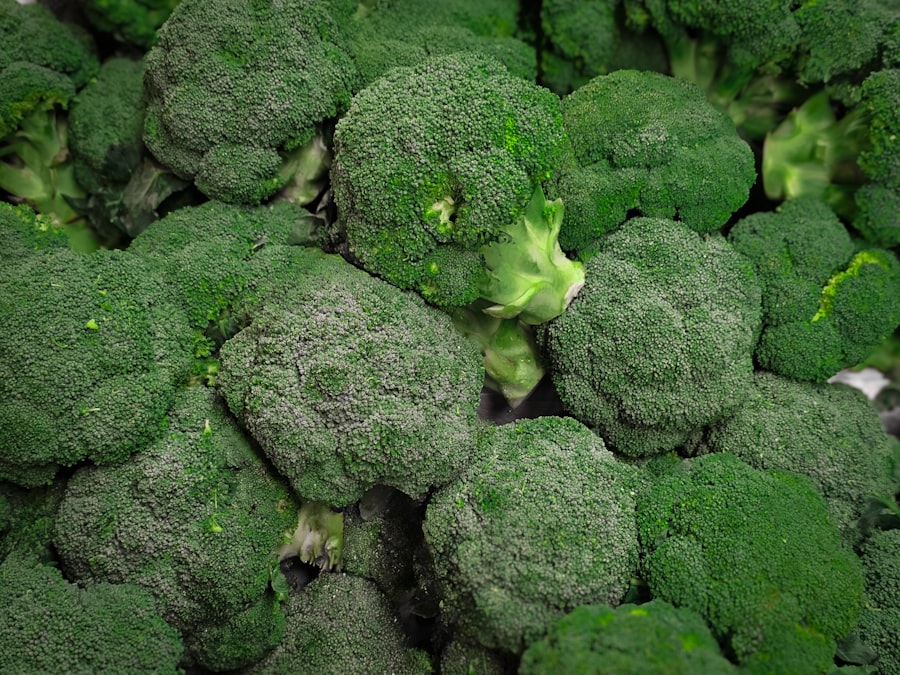
Broccoli’s agreeable flavor and texture allow it to be incorporated into a wide variety of dishes, from simple side preparations to complex main courses.
Raw vs. Cooked: Navigating Nutrient Retention
The method of preparation can influence the bioavailability of certain nutrients in broccoli.
Raw Broccoli: Preserving Vitamin C
Consuming broccoli raw, perhaps in a salad or as a crudité with dip, maximizes the retention of Vitamin C, which can be degraded by heat. The satisfying crunch of raw broccoli also adds textural contrast to meals.
Steamed Broccoli: A Balanced Approach
Steaming is often considered an optimal cooking method as it gently cooks the broccoli, making it more digestible and enhancing the bioavailability of some nutrients, while minimizing nutrient loss compared to boiling. It also preserves much of its vibrant green color and a pleasant texture.
Other Cooking Methods
Roasting broccoli brings out a sweeter, nuttier flavor and a slightly crisp texture. Sautéing with garlic and oil is another quick and flavorful option. Overcooking, however, can lead to a mushy texture and significant nutrient depletion.
Simple Preparations
Even basic preparations can highlight broccoli’s deliciousness.
Steamed Broccoli with Lemon and Herbs
A classic and simple preparation involves steaming broccoli until tender-crisp, then tossing it with a squeeze of fresh lemon juice, a drizzle of olive oil, and a sprinkle of fresh herbs like parsley or chives. This highlights the vegetable’s natural flavor without overpowering it.
Roasted Broccoli with Garlic and Parmesan
Roasting broccoli florets with olive oil, minced garlic, salt, and pepper until tender and slightly caramelized is another easy and popular method. A sprinkle of grated Parmesan cheese just before serving adds a savory depth.
Broccoli in Main Dishes
Broccoli can be a star ingredient or a supporting player in a variety of savory meals.
Broccoli and Cheese Soup
A creamy and comforting soup can be made by puréeing steamed broccoli with chicken or vegetable broth, milk or cream, and cheese, often cheddar. This is a hearty way to enjoy broccoli and a popular choice for many.
Stir-fries and Noodles
Broccoli florets are a frequent addition to vegetable stir-fries, adding color, texture, and nutrition. They pair well with a variety of protein sources and sauces, and are a natural fit for noodle dishes.
Casseroles and Gratins
Broccoli easily integrates into casseroles and gratins, often combined with cheese sauces, pasta, or grains. These baked dishes offer a rich and satisfying meal.
Broccoli in Salads and Appetizers
Broccoli can be incorporated into cold dishes and lighter fare.
Broccoli Salad with Bacon and Raisins
A popular cold salad combines raw or lightly blanched broccoli florets with ingredients like crispy bacon, sweet raisins, chopped onion, and a creamy dressing, often mayonnaise-based. This dish offers a contrast of textures and flavors.
Broccoli and Cheese Bites
Small, savory bites can be made by combining finely chopped broccoli with cheese, eggs, and breadcrumbs, then baking or frying them. These make for excellent appetizers or snacks.
Recipes Showcasing Broccoli’s Potential
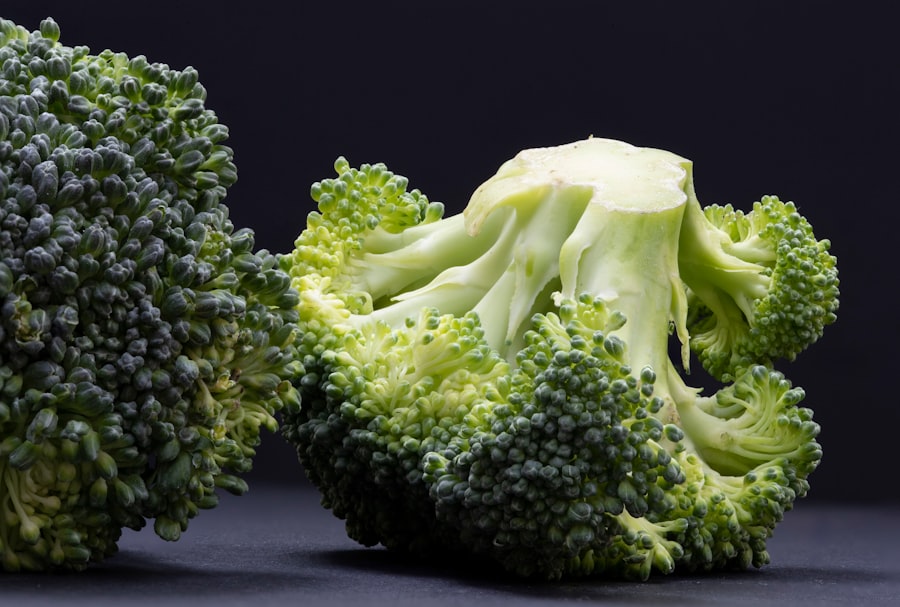
The following recipes demonstrate how broccoli can be transformed into flavorful and satisfying dishes.
Recipe 1: Creamy Broccoli and Cheddar Soup
This comforting soup is a hearty way to enjoy broccoli’s goodness.
Ingredients:
- 1 tablespoon olive oil
- 1 medium onion, chopped
- 2 cloves garlic, minced
- 4 cups broccoli florets (about 1 pound)
- 4 cups chicken or vegetable broth
- 1 cup milk
- 1 cup shredded cheddar cheese
- Salt and black pepper to taste
Instructions:
- Heat olive oil in a large pot or Dutch oven over medium heat. Add onion and cook until softened, about 5-7 minutes. Add garlic and cook for 1 minute more until fragrant.
- Add broccoli florets and broth to the pot. Bring to a boil, then reduce heat and simmer, covered, for 10-15 minutes, or until broccoli is tender.
- Carefully transfer the soup to a blender or use an immersion blender to purée until smooth. Return the puréed soup to the pot.
- Stir in milk and cheddar cheese. Heat gently over low heat, stirring, until the cheese is melted and the soup is heated through. Do not boil.
- Season with salt and pepper to taste. Serve hot, optionally garnished with extra cheese or croutons.
Recipe 2: Garlic Roasted Broccoli
A simple yet flavorful side dish.
Ingredients:
- 1 large head of broccoli, cut into florets
- 2 tablespoons olive oil
- 3 cloves garlic, minced
- Salt and black pepper to taste
Instructions:
- Preheat oven to 400°F (200°C).
- In a large bowl, toss broccoli florets with olive oil, minced garlic, salt, and pepper until evenly coated.
- Spread the broccoli in a single layer on a baking sheet.
- Roast for 15-20 minutes, or until tender and lightly browned at the edges.
Recipe 3: Broccoli and Quinoa Salad with Lemon Vinaigrette
A light, nutritious, and satisfying salad.
Ingredients:
- 1 cup cooked quinoa
- 2 cups broccoli florets, lightly blanched or steamed
- 1/4 cup chopped red onion
- 1/4 cup chopped bell pepper (any color)
- 2 tablespoons chopped fresh parsley
For the Vinaigrette:
- 3 tablespoons olive oil
- 1 tablespoon fresh lemon juice
- 1 teaspoon Dijon mustard
- Salt and black pepper to taste
Instructions:
- In a large bowl, combine the cooked quinoa, broccoli florets, red onion, bell pepper, and parsley.
- In a small bowl, whisk together the olive oil, lemon juice, Dijon mustard, salt, and pepper to make the vinaigrette.
- Pour the vinaigrette over the salad and toss gently to combine. Let sit for 5-10 minutes to allow flavors to meld before serving.
Broccoli is not only a nutritious vegetable but also a versatile ingredient that can enhance various dishes. If you’re looking to elevate your culinary creations, you might find inspiration in a related article that discusses stylish textiles and awnings for your dining space. By creating an inviting atmosphere, you can make your meals, including those featuring broccoli, even more enjoyable. For more ideas on how to transform your dining area, check out this insightful piece on textiles and awnings.
Conclusion: Integrating Broccoli into a Balanced Diet
Broccoli’s impressive nutritional profile and versatile nature make it an indispensable component of a healthy eating plan. Its contribution to disease prevention, from cancer and heart disease to digestive and eye health, solidifies its status as a nutritional powerhouse. By understanding its benefits and exploring the myriad ways it can be prepared, individuals can effectively integrate this cruciferous vegetable into their regular meals, reaping its substantial rewards. The simple act of adding broccoli to your plate is akin to making a wise investment in your long-term well-being.