

 Thomas Kelly
22 January 2026
Thomas Kelly
22 January 2026
Pomegranates are fruits native to the Middle East and parts of Asia. They have been cultivated for millennia and hold cultural significance in various traditions. The fruit is characterized by its leathery skin and the countless arils (seed casings) within, each containing a small seed encased in juicy pulp. These arils are the edible portion of the fruit. This article explores the properties, historical context, and potential health benefits associated with pomegranate consumption.
The pomegranate, scientifically known as Punica granatum, belongs to the family Lythraceae. It is a deciduous shrub or small tree, typically growing 5 to 10 meters tall.
Geographical Distribution
Pomegranates are believed to have originated in the region spanning from ancient Persia (modern-day Iran) to northern India. From there, their cultivation spread throughout the Mediterranean basin, North Africa, and subsequently to other parts of the world through trade and exploration. Evidence suggests their presence in ancient Egyptian tombs and Roman mosaics, illustrating their long history of human interaction.
Cultivar Diversity
Numerous cultivars of pomegranate exist globally, each differing in characteristics such as fruit size, skin color, aril color, sweetness, acidity, and seed hardness. Some popular cultivars include ‘Wonderful,’ known for its large, dark red fruit and tart flavor, and ‘Catania,’ prevalent in Italy. This diversity allows for a range of culinary applications and preferences.
Pomegranates are not only known for their delicious taste but also for their numerous health benefits, making them a popular choice for health-conscious individuals. If you’re interested in exploring more about healthy lifestyle choices, you might find the article on electric scooters intriguing, as it discusses how they can make commutes both fun and safe. You can read more about it here: Electric Scooters: Commutes, Fun, and Safe.
Nutritional Composition
Pomegranates are recognized for their diverse nutritional profile. They offer a range of vitamins, minerals, and bioactive compounds.
Macronutrients and Fiber
A typical serving of pomegranate arils provides carbohydrates, primarily in the form of natural sugars. The fruit is also a good source of dietary fiber, which contributes to digestive health. This fiber is predominantly insoluble, acting as a bulking agent.
Vitamins and Minerals
Pomegranates are notable for their vitamin C content, an essential antioxidant. They also contain vitamin K, important for blood clotting, and folate, crucial for cell growth and function. Among the minerals, potassium is found in significant amounts, playing a role in maintaining fluid balance and blood pressure. Other minerals present include copper and phosphorus.
Polyphenols and Antioxidants
The most prominent aspect of pomegranate’s nutritional value lies in its high concentration of polyphenolic compounds. These compounds, particularly ellagitannins and anthocyanins, are potent antioxidants.
Ellagitannins
Ellagitannins are a complex group of polyphenols exclusive to a few fruits, with pomegranate being a primary source. Upon consumption, these compounds are metabolized in the gut into urolithins, which contribute to the fruit’s biological activity. Punicalagins are a particularly abundant class of ellagitannins in pomegranate.
Anthocyanins
The rich red color of many pomegranate arils is due to anthocyanins, pigments also found in berries and red cabbage. These compounds are also recognized for their antioxidant properties. The specific profile of anthocyanins can vary depending on the pomegranate cultivar.
Culinary Applications
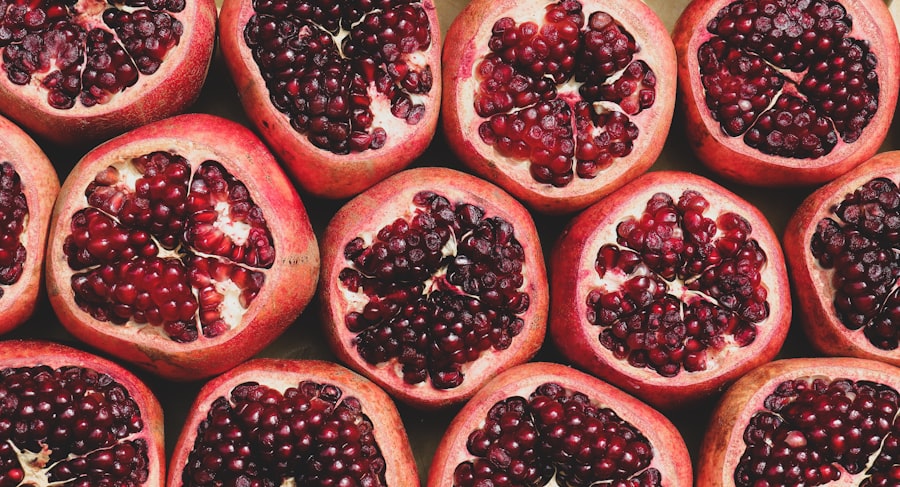
Pomegranates offer versatility in the kitchen, lending themselves to various dishes and beverages. The arils provide a bright, tart, and slightly sweet flavor, along with a textural crunch.
Fresh Consumption
Simply eating fresh pomegranate arils is a common method of consumption. They can be enjoyed on their own as a snack or added to salads for color and flavor. The process of extracting arils can be done by scoring the fruit and submerging it in water, allowing the arils to sink and the membrane to float.
Juices and Beverages
Pomegranate juice is a popular product, widely available commercially. It is often consumed for its taste and perceived health benefits. The juice can also be incorporated into smoothies or mixed with other fruit juices. Additionally, pomegranate molasses, a reduction of pomegranate juice, is a common ingredient in Middle Eastern cuisine, providing a tangy and slightly sweet flavor to savory dishes.
Savory Dishes
Pomegranate arils can enhance a range of savory dishes. They are often used as a garnish for roasted meats, particularly lamb or chicken, adding a burst of freshness. They can also be incorporated into grain salads, such as couscous or quinoa, or sprinkled over hummus. The tartness of the arils cuts through richer flavors, acting as a culinary counterpoint.
Desserts and Confections
In sweet applications, pomegranate arils can be added to yogurt, oatmeal, or fruit salads. Their vibrant color makes them an appealing topping for desserts like cheesecakes or tarts. Additionally, pomegranate can be used in making jams, jellies, and even ice cream.
Historical and Cultural Significance
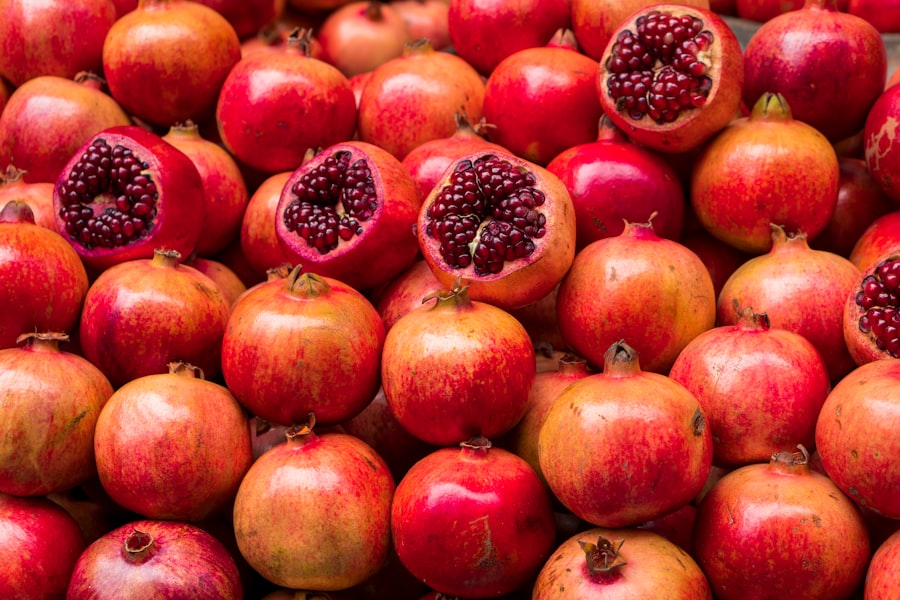
The pomegranate holds a significant place in human history and culture, appearing in ancient myths, religions, and art. Its multifaceted symbolism has persisted across civilizations.
Ancient Symbolism
In ancient Egypt, pomegranates were buried with the dead, symbolizing eternal life and fertility. In Greek mythology, the pomegranate is linked to Persephone’s descent into the underworld, representing life, death, and rebirth. Its numerous seeds were seen as a metaphor for abundance and progeny.
Religious Traditions
Within Judaism, the pomegranate is one of the seven species of fruits and grains native to the Land of Israel and mentioned in the Torah. It is traditionally consumed during Rosh Hashanah, the Jewish New Year, symbolizing righteousness and fruitfulness, often said to contain 613 seeds, corresponding to the 613 commandments of the Torah. In Islamic traditions, the pomegranate is mentioned in the Quran as a fruit of paradise.
Artistic and Literary Depictions
Throughout history, pomegranates have been a recurrent motif in art and literature. They appear in still-life paintings, religious iconography, and intricate tapestries. Their distinctive shape and vibrant color have made them an appealing subject for artists. In literature, poets and writers have often utilized the pomegranate as a symbol of love, fertility, and prosperity.
Pomegranates are not only delicious but also packed with health benefits, making them a popular choice for those seeking nutritious snacks. If you’re looking to explore more about the vibrant offerings of nature, you might find interesting activities in the beautiful region of Pemberton, Western Australia. For a comprehensive guide on what to do in this stunning area, check out this article on things to do in Pemberton, where you can discover various outdoor adventures and local attractions that celebrate the natural beauty of the region.
Potential Health Considerations
While pomegranates are generally considered safe for consumption, it is important to be aware of potential interactions or considerations.
Pharmaceutical Interactions
Pomegranate juice has been shown to interact with certain medications. For example, it can affect the metabolism of some drugs by inhibiting cytochrome P450 enzymes in the liver, similar to grapefruit juice. This can lead to increased blood levels of these medications, potentially causing adverse effects. Individuals taking medications such as statins (for cholesterol), blood pressure medications, or blood thinners should consult their healthcare provider before consuming large quantities of pomegranate or its juice.
Allergic Reactions
Although rare, allergic reactions to pomegranate can occur. Symptoms may include hives, itching, swelling, or difficulty breathing. Individuals with existing allergies to other fruits or plants may be at a slightly increased risk.
Blood Sugar Levels
Due to its natural sugar content, individuals with diabetes should monitor their blood sugar levels when consuming pomegranate or its juice. While the fiber in whole pomegranate can help mitigate rapid spikes, concentrated juice lacks this fiber and may have a more pronounced effect. Portion control is advisable.
Gastrointestinal Issues
While the fiber in pomegranates is generally beneficial for digestion, excessive consumption, particularly of the seeds, could potentially lead to gastrointestinal discomfort in some individuals, such as bloating or constipation, if not accustomed to a high-fiber diet.
Pesticide Residues
As with any agricultural product, conventionally grown pomegranates may contain pesticide residues. Consumers concerned about this can opt for organic pomegranates or thoroughly wash conventional fruit before consumption.
Research and Emerging Applications
Scientific research continues to explore the various properties and potential applications of pomegranate, moving beyond traditional understandings.
Antioxidant and Anti-inflammatory Properties
Numerous studies have investigated the antioxidant and anti-inflammatory effects of pomegranate extracts and juice. The high concentration of polyphenols, particularly ellagitannins, is thought to be responsible for these properties. Research suggests these compounds may help in mitigating oxidative stress, a process linked to various chronic diseases.
Cardiovascular Health
Preliminary research indicates that pomegranate consumption may offer benefits for cardiovascular health. Studies have explored its potential role in reducing blood pressure, improving lipid profiles, and inhibiting the oxidation of low-density lipoprotein (LDL) cholesterol, often referred to as “bad” cholesterol. These effects are attributed to the antioxidant and anti-inflammatory actions of pomegranate compounds.
Anti-carcinogenic Potential
Some laboratory and animal studies have explored the anti-carcinogenic potential of pomegranate compounds. These studies suggest that components of pomegranate may influence cell proliferation, apoptosis (programmed cell death), and angiogenesis (formation of new blood vessels, relevant to tumor growth). However, human clinical trials are essential to confirm these findings and establish definitive therapeutic applications. Readers should understand that these are areas of active research, not established treatments.
Antimicrobial Activity
Pomegranate extracts have demonstrated antimicrobial activity against a range of bacteria, viruses, and fungi in in vitro studies. This has led to explorations of its potential use in oral hygiene products and as a natural preservative. The efficacy and specific mechanisms in human applications require further investigation.
Skin Health
Topical applications of pomegranate seed oil and extracts have been explored for their potential benefits in skin care. The antioxidants and fatty acids in pomegranate oil may contribute to skin hydration, elasticity, and protection against environmental damage. This area, while promising, still needs robust clinical evidence.
Future Directions
Future research will likely focus on larger, well-controlled human clinical trials to establish definitive health claims and optimal dosages for various applications. The bioavailability and metabolism of pomegranate compounds, particularly urolithins, are also areas of ongoing investigation. Furthermore, exploration into specific cultivars and their unique phytochemical profiles may unlock new insights into the fruit’s diverse properties.
In conclusion, the pomegranate, with its intricate structure and rich history, offers a significant nutritional profile, primarily due to its abundance of polyphenols. Its versatility in culinary applications and its deep cultural roots are undeniable. While promising research continues to emerge regarding its potential health benefits, it is crucial for readers to approach health claims with a critical perspective, understanding that dietary additions should complement, not replace, conventional medical advice. The pomegranate stands as a testament to nature’s complex pharmacy, a fruit whose full narrative is still unfolding through scientific discovery.