
 Thomas Kelly
17 January 2026
Thomas Kelly
17 January 2026
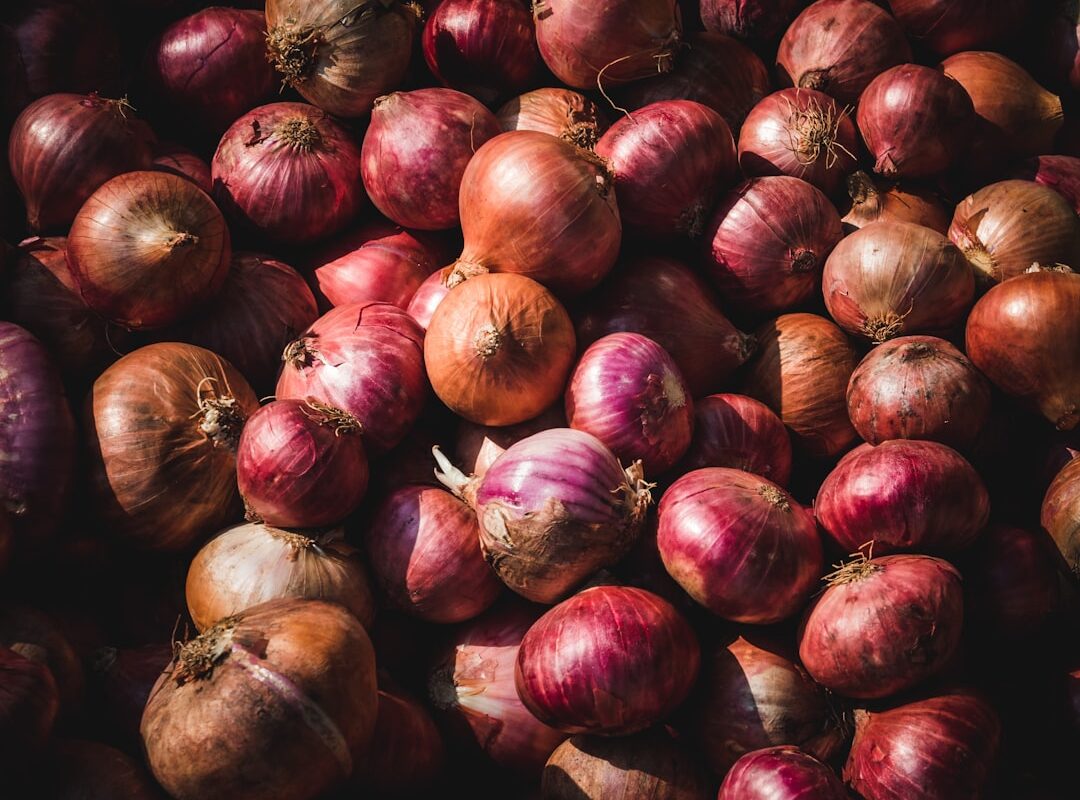
The onion (Allium cepa L.), a widely cultivated vegetable, is a staple ingredient in global cuisine. It belongs to the Amaryllidaceae family, alongside garlic, shallots, leeks, and chives. Its distinct pungent aroma and flavor, which can range from sharp and acrid when raw to sweet and mellow when cooked, are central to its culinary utility. This article explores the multifaceted role of the onion as a foundational flavor component in diverse culinary traditions.
Understanding the onion’s botanical and chemical makeup is crucial to appreciating its culinary impact.
Morphology
The onion plant is typically biennial, though it is usually harvested in its first year for its bulb. The bulb, which is the edible part, is a modified underground stem consisting of concentric layers of fleshy leaves. These layers store nutrients, contributing to the onion’s characteristic juiciness and bulk. The outer layers are papery and thin, serving as a protective covering.
Chemical Composition
The defining characteristics of an onion’s flavor and aroma stem from its sulfur compounds.
Thiosulfinates
When an onion is cut or damaged, specific enzymes, primarily alliinase, are released. These enzymes react with sulfur-containing precursor molecules, such as S-propenyl-L-cysteine sulfoxide, to produce thiosulfinates. Thiosulfinates are unstable and quickly break down into a variety of volatile compounds, including sulfenic acids. These are responsible for the pungent odor and the tear-inducing properties associated with raw onions.
Lacrimatory Factor Synthase
A key enzyme involved in onion pungency is lacrimatory factor synthase (LFS). LFS converts sulfenic acids into syn-propanethial-S-oxide, the primary lacrimal agent that irritates the eyes and causes tears. The concentration of LFS and its substrates varies between onion varieties, explaining why some onions are “milder” than others.
Sugars
Onions contain various sugars, predominantly fructose and glucose. These sugars contribute to the onion’s sweetness, which becomes more pronounced upon cooking as the heat breaks down complex carbohydrates into simpler sugars and caramelizes them. The natural sugars also play a role in browning reactions, enhancing the visual appeal and flavor complexity of dishes.
If you’re interested in learning more about the various services offered by painters in Frankston, you might find this article helpful. It provides insights into the different types of painting services available, tips for choosing the right painter, and factors to consider when planning your painting project. For more information, you can read the article here: Know About Painters in Frankston.
Culinary Applications and Techniques
The versatility of the onion in the kitchen is evidenced by its application in numerous culinary techniques and dishes across the globe.
Sautéing and Sweating
Sautéing and sweating are fundamental techniques that harness the onion’s flavor-developing potential.
Sautéing
Sautéing involves cooking finely chopped or sliced onions in a small amount of fat over medium to high heat. The goal is to brown the onions, which develops complex, nutty, and savory notes through the Maillard reaction. This technique is often used as the initial step in stir-fries, curries, and braises, forming a foundational flavor base.
Sweating
Sweating onions involves cooking them gently in fat over low heat until they become translucent and softened, without browning. This process draws out the natural sugars and moisture, mellowing their sharp edge and creating a sweet, aromatic base. Sweated onions are crucial for many sauces, soups, and risottos, where a delicate, understated onion flavor is desired.
Caramelization
Caramelization is a transformative process for onions, significantly altering their flavor profile.
Maillard Reaction and Sugar Caramelization
When onions are cooked slowly over low heat for an extended period, their natural sugars begin to caramelize. This browning reaction is a combination of true sugar caramelization and the Maillard reaction (the reaction between amino acids and reducing sugars). The resulting onions are intensely sweet, deeply savory, and often take on a rich brown color. Caramelized onions are a key component in French onion soup, onion jam, and as a topping for various dishes.
Roasting and Grilling
High-heat cooking methods like roasting and grilling bring out different characteristics of the onion.
Roasting
Roasting whole or cut onions in an oven concentrates their flavors and softens their texture. The dry heat causes the outer layers to crisp while the inner layers become tender and sweet. Roasted onions can be served as a side dish, incorporated into salads, or pureed into soups and sauces.
Grilling
Grilling onions imparts a smoky char and often a slightly sweet flavor due to the direct high heat. This method is particularly effective for larger slices or wedges, which can retain their structure while developing appealing grill marks. Grilled onions are common in barbecue, fajitas, and as a component of grilled vegetable platters.
Pickling and Fermenting
These preservation methods transform the raw onion’s pungency into a more complex, acidic, or tangy profile.
Pickling
Pickling onions involves submerging them in an acidic brine, often containing vinegar, sugar, salt, and spices. The acid denatures enzymes, preventing spoilage, and infuses the onions with a tangy flavor. Pickled onions offer a bright counterpoint to rich or fatty dishes and are a common condiment in many cuisines.
Fermenting
Fermenting onions involves allowing beneficial bacteria to convert sugars into lactic acid, producing a tangy flavor and preserving the vegetable. This process can significantly alter the onion’s texture and introduce probiotic benefits. Fermented onions are found in various global culinary traditions, offering a distinct umami and sour note.
Varieties and Their Culinary Distinctiveness
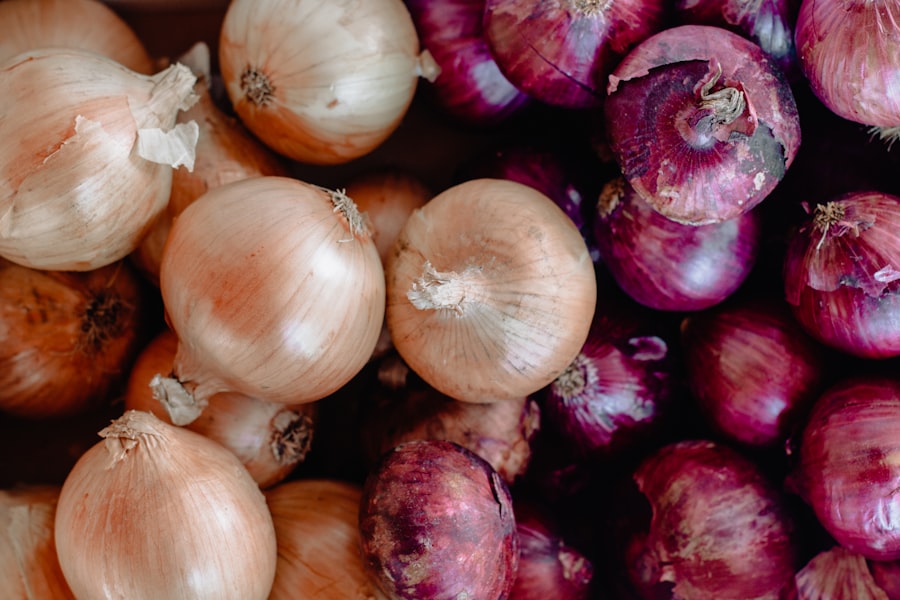
The wide array of onion varieties offers a spectrum of flavors and textures, each suited to different culinary applications.
Yellow Onions
Yellow onions, also known as brown onions, are the most common type.
Flavor Profile
They possess a strong, robust, and moderately pungent flavor when raw, which mellows considerably and becomes quite sweet upon cooking. Their high sugar content makes them ideal for caramelization and long-cooking applications.
Culinary Uses
Yellow onions are highly versatile and form the base of countless savory dishes, including stews, soups, roasts, and sauces. They lend depth and richness without overwhelming other flavors.
Red Onions
Red onions are distinguished by their vibrant purple-red skin and often purplish rings.
Flavor Profile
When raw, red onions are generally milder and sweeter than yellow onions, with a slightly peppery edge. They tend to be less pungent, making them suitable for raw consumption.
Culinary Uses
Because of their appealing color and milder flavor, red onions are frequently used raw in salads, sandwiches, and as garnishes. They also perform well when pickled or grilled, retaining some of their color and developing a sweet, smoky taste.
White Onions
White onions have a thinner, papery white skin and a crisper texture.
Flavor Profile
They offer a sharper, more pungent, and often more astringent flavor than yellow onions when raw. They tend to have a higher water content and a slightly less complex sweetness when cooked.
Culinary Uses
White onions are often favored in Mexican cuisine for salsas, guacamole, and other dishes where a robust, sharp onion flavor is desired. They can be good for frying due to their crispness.
Sweet Onions
Varieties like Vidalia, Walla Walla, and Maui onions are classified as sweet onions.
Flavor Profile
These onions are characterized by their significantly lower sulfur content and higher sugar content. This results in an exceptionally mild, subtly sweet flavor with very little pungency, even when raw.
Culinary Uses
Sweet onions are excellent for eating raw in salads, on sandwiches, or as a fresh garnish. They caramelize beautifully and are often used in dishes where a pronounced sweetness is desired without the sharp bite of other onion varieties.
Shallots
Shallots are smaller, elongated onions that grow in clusters, similar to garlic.
Flavor Profile
Shallots possess a delicate, mild onion flavor with garlic undertones. They are less pungent than most onion varieties and offer a refined sweetness when cooked.
Culinary Uses
Their subtle flavor makes them ideal for vinaigrettes, delicate sauces, and dishes where a gentle aromatic base is preferred. They are also excellent when roasted whole or finely minced and sautéed.
Green Onions/Scallions
Green onions, also known as scallions, are immature onions harvested before the bulb fully develops.
Flavor Profile
They have a mild, fresh onion flavor, with the green tops being grassier and slightly less pungent than the white bases.
Culinary Uses
Green onions are primarily used fresh as a garnish, adding a bright, crisp onion note to dishes like stir-fries, soups, and baked potatoes. They can also be lightly cooked.
Nutritional Aspects
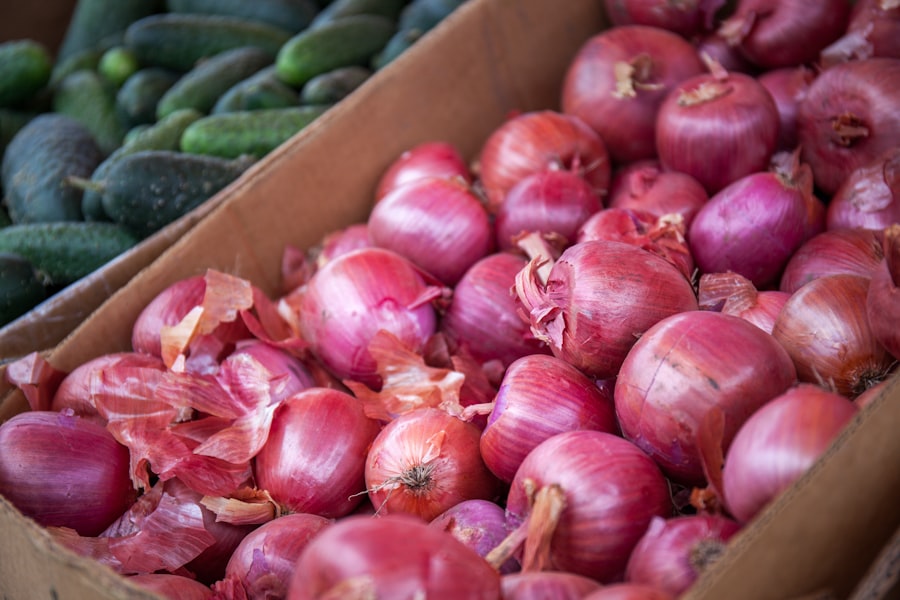
Beyond its flavor contributions, the onion offers several nutritional benefits.
Vitamins and Minerals
Onions are a good source of vitamin C, which is an antioxidant important for immune function, and vitamin B6, involved in numerous metabolic processes. They also contain smaller amounts of folate, potassium, and manganese.
Antioxidants
Onions are rich in antioxidants, particularly flavonoids like quercetin.
Quercetin
Quercetin is a potent flavonoid that has been studied for its anti-inflammatory and antioxidant properties. Red and yellow onions, particularly the outer layers, have higher concentrations of quercetin.
Onion, known for its unique flavor and versatility in cooking, has been the subject of various culinary discussions. For those interested in enhancing their meals with nutritious ingredients, exploring the benefits of home care packages can be quite enlightening. You can find more information on this topic in a related article that discusses how to access these packages effectively. This resource can help you understand how to incorporate healthy eating into your daily routine. For more details, check out the article here.
Practical Considerations for the Cook
Working with onions effectively involves understanding a few practical tips.
Reducing Tear Production
The lacrimatory factor released when cutting onions can be irritating.
Chilling the Onion
Chilling onions before cutting can slow down the enzymatic reaction that produces the lacrimatory agent, thus reducing tears.
Sharp Knife
Using a very sharp knife minimizes cell damage, releasing fewer irritating compounds into the air.
Ventilation
Cutting onions under a range hood or near a fan can help disperse the volatile compounds.
Storage
Proper storage is key to extending the shelf life of onions.
Dry, Cool, Dark Place
Whole, unpeeled onions should be stored in a cool, dry, dark, and well-ventilated area, such as a pantry or cellar, away from direct sunlight. This prevents sprouting and spoilage.
Refrigeration
Peeled or cut onions should be stored in an airtight container in the refrigerator to prevent their strong odor from affecting other foods and to maintain freshness.
If you’re interested in enhancing your indoor gardening skills, you might find it helpful to explore a related article on how to grow peppers indoors. This guide provides valuable tips and techniques that can complement your efforts in cultivating various plants, including onions. By understanding the specific needs of different vegetables, you can create a thriving indoor garden. For more information, check out this insightful article on growing peppers indoors.
Conclusion: The Unsung Hero
The ubiquity of the onion in culinary traditions worldwide is not coincidental. It is a fundamental ingredient, serving as a flavor compass in the intricate culinary landscape. From the sharp bite of a raw red onion in a fresh salsa to the profound sweetness of a caramelized yellow onion in a slow-cooked stew, the onion’s capacity to transform and elevate a dish is undeniable.
The onion is more than a simple vegetable; it is a foundational pillar of flavor. Its chemical complexity, combined with its versatility in various cooking methods, allows it to act as a bridge between ingredients, harmonizing disparate flavors and providing depth and structure. Whether in a humble home-cooked meal or a gourmet restaurant dish, the presence of the onion often underpins the overall success of the flavor profile. It is a testament to the power of a single ingredient to shape and define the gastronomic experience across cultures and cuisines.