
 Thomas Kelly
26 January 2026
Thomas Kelly
26 January 2026
The spring onion, a subtle yet omnipresent force in kitchens worldwide, offers a spectrum of culinary applications that often go unrecognized. Its delicate onion flavor, distinct from its more pungent bulbous cousins, allows it to perform a multitude of roles, from adding a fresh counterpoint to rich dishes to forming the backbone of vibrant sauces. This exploration delves into the multifaceted nature of the spring onion, examining its characteristics, cultivation, and diverse uses across global cuisines.
The spring onion, scientifically known as Allium fistulosum, is a species of perennial onion, also commonly referred to as a Welsh onion or bunching onion. Unlike its relative, the common onion (Allium cepa), which forms a distinct bulb, the spring onion primarily develops a long, hollow green stalk and a relatively small, underdeveloped bulbous base. This anatomical difference dictates its culinary trajectory, making it ideal for applications where a mild, fresh onion flavor is desired without the sharp intensity of a mature bulb.
Leaf and Stem Structure
The defining visible characteristic of the spring onion is its long, tubular green leaves, often referred to as scallions or green onions in common parlance, though botanically, these terms often encompass varieties of Allium cepa as well. These green shoots are tender and possess a crisp texture when raw, gradually softening and sweetening when cooked. The white or pale green base, while sometimes containing a small, undeveloped bulb, contributes a more concentrated onion flavor and a satisfying crunch. This duality of texture and flavor within a single plant is a key element of its versatility.
Flavor Profile
The flavor of a spring onion is generally considered milder and sweeter than that of a mature onion. It carries a fresh, grassy essence, with a subtle pungency that awakens the palate. The intensity can vary depending on the age and specific variety of the spring onion, with younger specimens offering a more delicate taste. This balanced flavor profile makes it a forgiving ingredient, capable of enhancing a dish without overpowering other components, much like a well-tuned instrument in an orchestra.
Nutritional Content
Spring onions, like many alliums, are a source of various nutrients. They contain vitamin K, vitamin C, and several B vitamins. They also offer dietary fiber and are low in calories. While not typically consumed in large quantities that would render them a primary source of macro or micronutrients, their contribution to a balanced diet is nevertheless present. Their allium family members are also known for their sulfur compounds, which are believed to contribute to their health benefits and distinctive aroma.
Spring onions, also known as green onions or scallions, are a versatile ingredient in various cuisines, prized for their mild flavor and vibrant color. They can be used in salads, stir-fries, and as a garnish for soups. For those interested in enhancing their culinary skills, understanding the importance of food safety and proper kitchen practices is essential. A related article that discusses effective building security assessments, which can also apply to food establishments, can be found here: Effective Building Security Assessment. This resource provides insights into maintaining a safe environment for food preparation and service.
Cultivation and Availability
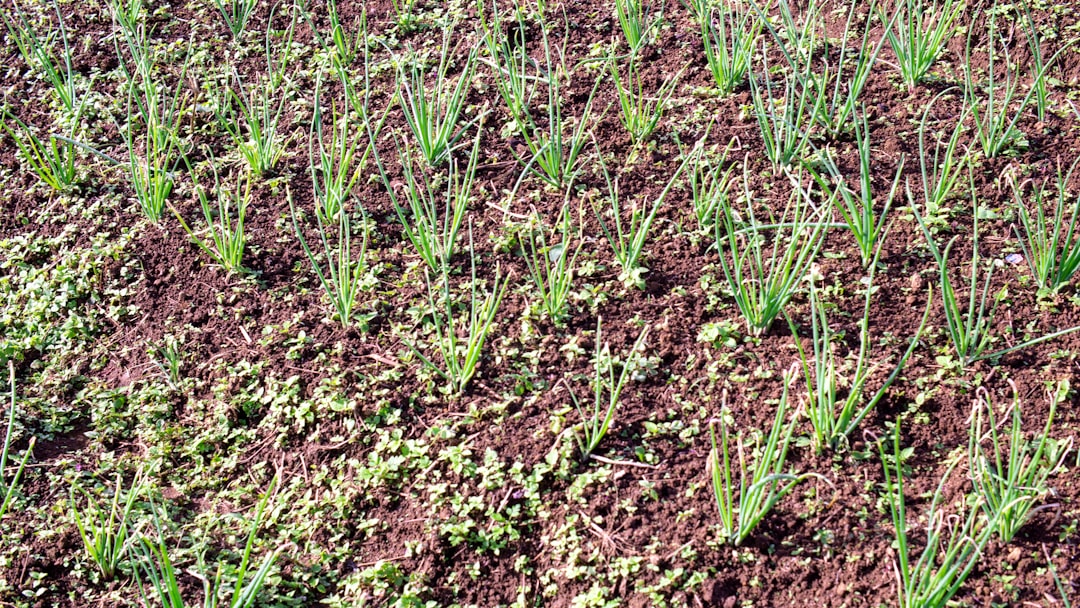
The spring onion is a resilient plant, cultivated in various climates across the globe. Its ability to tolerate cooler temperatures and its relatively quick growth cycle contribute to its widespread availability for much of the year.
Growing Conditions
Allium fistulosum thrives in well-drained soil and full sun, though it can tolerate partial shade. It is a hardy perennial, meaning it can survive through winter and regrow in spring. Many gardeners find it to be a low-maintenance crop, contributing to its home–garden popularity. The plant can be grown from seed or by dividing existing clumps.
Propagation Methods
Spring onions can be propagated in several ways. Seed germination typically occurs within one to two weeks. Alternatively, established plants can be divided, allowing gardeners to quickly establish new plantings. It is also possible, though less common for significant produce, to regrow spring onions from their roots in water, a parlor trick that demonstrates their regenerative capacity.
Global Production and Seasons
Spring onions are cultivated in temperate and subtropical regions worldwide. Major producers include China, India, and the United States. Their availability is often year-round due to staggered planting cycles and greenhouse cultivation in colder climates. In many regions, spring onions are synonymous with spring, arriving as one of the first fresh greens of the season, hence their name.
Culinary Applications: Raw and Uncooked
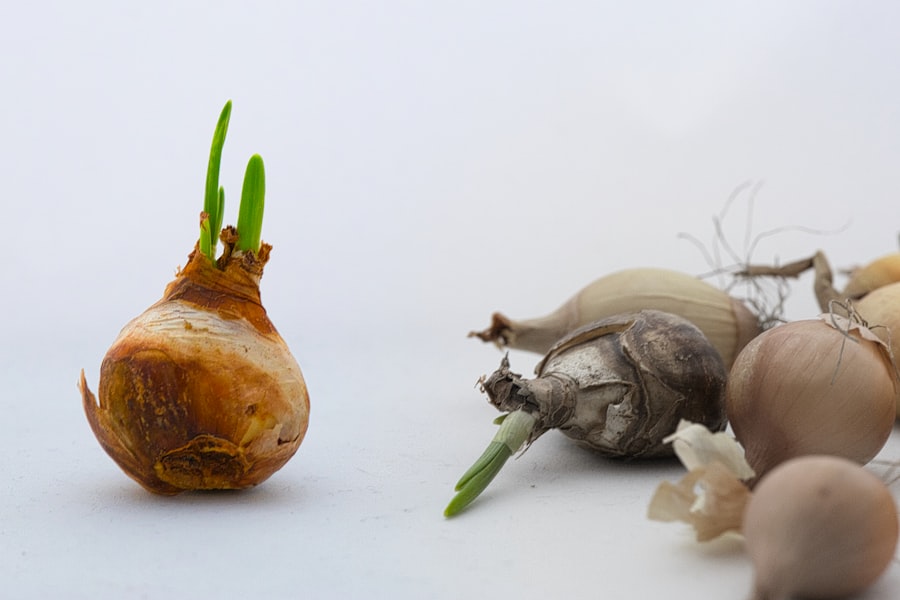
The inherent freshness and mild pungency of raw spring onions make them a valuable ingredient for adding texture and a bright, zesty note to a variety of dishes. Their unadulterated flavor can cut through richness and provide a welcome contrast.
Garnishes and Toppings
One of the most straightforward uses of raw spring onions is as a garnish. Finely chopped green tops are sprinkled over a multitude of cooked dishes, from soups and stews to stir-fries and grilled meats. They provide a burst of color and a subtle allium essence that elevates the visual appeal and aromatic complexity of the finished plate. Think of them as nature’s confetti, adding a final flourish to the culinary canvas.
Salads and Dressings
Incorporating sliced spring onions into salads introduces a pleasant crunch and a delicate onion flavor that complements a wide range of ingredients. They work particularly well in Asian-inspired noodle salads, potato salads, and coleslaws. In dressings, minced spring onions can infuse vinaigrettes and creamy concoctions with a sophisticated hint of onion without the sharpness of raw garlic or mature onion.
Dips and Spreads
The mildness of spring onions makes them an excellent addition to dips and spreads. They can be finely chopped and mixed into cream cheese-based dips, yogurt-based spreads, or even blended into hummus or guacamole. Their presence adds a savory depth and a refreshing counterpoint to richer ingredients.
Sandwiches and Wraps
Sliced spring onions can be layered into sandwiches and wraps, providing a crisp texture and a subtle flavor that enhances the overall composition. They are particularly effective in vegetarian sandwiches, where their freshness can balance out the earthiness of vegetables or the richness of cheese.
Culinary Applications: Cooked and Integrated

When subjected to heat, spring onions undergo a transformation, their flavors mellowing and their texture softening. This allows them to be integrated into dishes in ways that add depth and a sweeter onion character.
Stir-Fries and Sautéed Dishes
Spring onions are a staple in many Asian stir-fries. The white and pale green parts are often added early in the cooking process to soften and release their flavor, while the green tops can be added towards the end for a fresh, vibrant finish. They provide a foundational sweetness and aromatic complexity to the dish.
Soups and Broths
From light broths to hearty stews, spring onions lend a nuanced onion flavor without overpowering the broth. They can be added whole to simmer in liquids, imparting their essence, or chopped and sautéed as part of a mirepoix. Their presence is like a quiet hum that underpins the melody of the soup.
Omelets and Scrambled Eggs
The addition of chopped spring onions to eggs is a classic preparation. The onions soften and sweeten during cooking, distributing their flavor evenly throughout the dish. This simple combination elevates the humble egg into a more flavorful and satisfying meal.
Baked Goods and Savory Pastries
A less common, but equally effective, application is in savory baked goods. Chopped spring onions can be incorporated into cornbread, savory scones, or quiches. They add pockets of flavor and moisture, enhancing the overall taste and texture of the baked item.
Spring onions, also known as scallions, are a versatile ingredient that can enhance a variety of dishes with their mild flavor and vibrant color. They are often used in salads, stir-fries, and as a garnish, making them a staple in many kitchens. If you’re interested in exploring more about how to incorporate fresh ingredients into your meals, you might find this article on rebuilding your home quite insightful, as it discusses the importance of creating a space that encourages cooking and enjoying fresh produce.
Global Culinary Significance
The spring onion’s adaptability has cemented its place in various culinary traditions around the world, demonstrating its universal appeal.
East Asian Cuisines
In East Asian cuisines, particularly Chinese, Japanese, and Korean cooking, spring onions are ubiquitous. They are used extensively as a garnish, a flavoring agent in stir-fries, braises, and broths, and as a key ingredient in many dipping sauces and marinades. Their fresh aroma and mild pungency are essential to the characteristic flavor profiles of these regions.
Southeast Asian Cuisines
Across Southeast Asia, spring onions play a similar vital role. They are found in Vietnamese pho, Thai curries, and Indonesian nasi goreng. Their fresh crunch and aromatic notes are crucial for balancing the complex flavors of these cuisines, often incorporating chili, lime, and herbs.
Western Culinary Traditions
While perhaps not as central as in Asian cooking, spring onions have found their niche in Western kitchens. They are commonly used as garnishes for hearty European dishes, incorporated into American comfort foods like quiches and potato salads, and feature in modern fusion cuisines. Their presence is often a nod to incorporating fresh, vibrant flavors.
Mid-Eastern and South Asian Cuisines
In the culinary landscapes of the Middle East and South Asia, spring onions are valued for their ability to add a sweet onion undertone to a variety of dishes. They are often found in lentil dals, flatbread fillings, and as a base for flavor in many curries and spiced vegetable preparations.
This detailed examination reveals that the spring onion is far more than just a garnish; it is a versatile ingredient that contributes subtle yet significant flavor and texture to a vast array of dishes across global cuisines. Its ability to perform commendably in both raw and cooked applications, coupled with its ease of cultivation and availability, solidifies its status as a truly indispensable component of the modern kitchen.