
 Thomas Kelly
1 February 2026
Thomas Kelly
1 February 2026
The humble pea, often relegated to a side dish, represents a concentrated source of various nutrients. This article explores the health benefits associated with the consumption of peas, drawing upon scientific research and nutritional analysis. By understanding the diverse components within these legumes, readers can appreciate their potential contribution to a balanced diet.
Peas are a surprisingly nutrient-dense food. Beyond their caloric content, they offer a spectrum of macronutrients and micronutrients vital for human health.
Macronutrient Abundance
Peas provide a robust blend of the three primary macronutrients, essential for energy and bodily function.
Plant-Based Protein Source
For individuals seeking plant-derived protein, peas stand as a valuable option. A single cup of cooked peas can supply a significant amount of protein, contributing to muscle repair, enzyme production, and other metabolic processes. This makes them particularly relevant for vegetarians, vegans, and those looking to reduce their meat consumption. The amino acid profile of pea protein, while not always complete on its own, complements other plant-based proteins to achieve a full spectrum of essential amino acids.
Dietary Fiber Powerhouse
Peas are an excellent source of dietary fiber, both soluble and insoluble. This fiber content plays a critical role in digestive health. Insoluble fiber adds bulk to stool, promoting regularity and preventing constipation. Soluble fiber, on the other hand, forms a gel-like substance in the digestive tract, which can help regulate blood sugar levels and lower cholesterol. This dual action positions peas as a dietary tool for maintaining gut integrity and cardiovascular well-being.
Complex Carbohydrates for Sustained Energy
The carbohydrates in peas are primarily complex carbohydrates. Unlike simple sugars, complex carbohydrates are digested slowly, providing a sustained release of energy. This helps prevent sudden spikes and crashes in blood glucose levels, offering a more stable energy source throughout the day. This attribute can be particularly beneficial for individuals managing diabetes or seeking sustained energy for physical activity.
Micronutrient Spectrum
Beyond the macronutrients, peas are a reservoir of numerous vitamins and minerals crucial for optimal physiological function.
Vitamin K for Bone Health
Peas are a notable source of Vitamin K, a fat-soluble vitamin essential for blood clotting and bone metabolism. Vitamin K helps activate proteins involved in bone mineralization, contributing to bone density and reducing the risk of fractures. Regular consumption of foods rich in Vitamin K, such as peas, can be a proactive measure for maintaining skeletal integrity.
Vitamin C for Immune Support
As an antioxidant, Vitamin C plays a pivotal role in immune function. Peas contribute to your daily Vitamin C intake, helping protect cells from oxidative damage caused by free radicals. This protective action supports the body’s natural defenses against infections and contributes to overall cellular health.
Folate for Cell Division and DNA Synthesis
Folate, also known as Vitamin B9, is abundant in peas. This B vitamin is crucial for cell division, DNA synthesis, and red blood cell formation. Adequate folate intake is particularly important during periods of rapid growth, such as pregnancy, where it plays a critical role in preventing birth defects. For all individuals, folate contributes to healthy cellular maintenance and replication.
Iron for Oxygen Transport
Peas contain a respectable amount of iron, a mineral vital for oxygen transport throughout the body. Iron is a key component of hemoglobin, the protein in red blood cells that carries oxygen from the lungs to the tissues. While the iron in plants (non-heme iron) is not as readily absorbed as heme iron from animal products, consuming peas with Vitamin C-rich foods can enhance its absorption.
Manganese for Antioxidant Defense
Manganese is a trace mineral found in peas that acts as a cofactor for several enzymes, including superoxide dismutase, a powerful antioxidant enzyme. This enzyme helps protect cells from damage caused by free radicals. Therefore, the manganese in peas contributes to the body’s intrinsic antioxidant defense system.
Peas are not only a versatile ingredient in various dishes but also a powerhouse of nutrition that can significantly contribute to a healthy diet. For those looking to enhance their fitness and overall well-being, understanding the role of different foods, including peas, is essential. A related article that delves into the importance of nutrition in achieving better fitness is available at this link. This guide provides valuable insights into how dietary choices can impact body weight and fitness levels.
Digestive Health Benefits
The fibrous nature of peas contributes significantly to a healthy digestive system.
Regularity and Constipation Prevention
The insoluble fiber in peas adds bulk to stool, facilitating its passage through the digestive tract. This mechanical action helps prevent constipation by promoting regular bowel movements. For individuals experiencing irregular digestion, incorporating peas into their diet can be a simple and effective strategy. Think of insoluble fiber as a reliable guide through a winding pathway, ensuring a smooth and uninterrupted journey.
Gut Microbiome Support
Both soluble and insoluble fibers in peas act as prebiotics. Prebiotics are non-digestible food components that selectively stimulate the growth and activity of beneficial bacteria in the gut. A healthy gut microbiome, rich in diverse and beneficial bacteria, is increasingly recognized for its role in immune function, nutrient absorption, and even mood regulation. By feeding these beneficial bacteria, peas contribute to the overall health and balance of your gut ecosystem, much like cultivating a thriving garden.
Cardiovascular Wellness
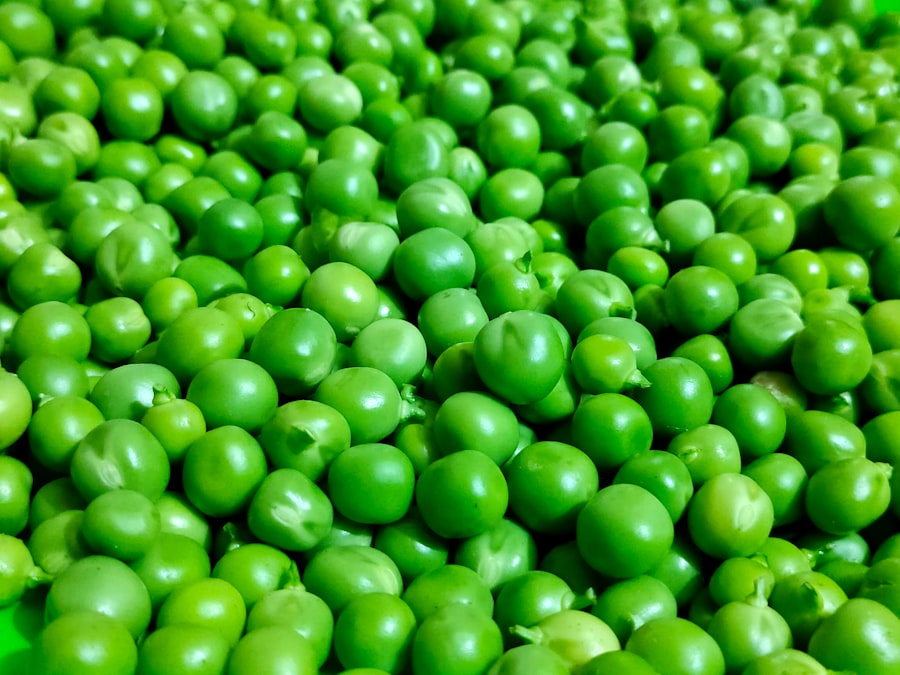
The nutritional composition of peas positions them as a beneficial food for heart health.
Cholesterol Management
The soluble fiber in peas can play a role in lowering LDL (“bad”) cholesterol levels. This fiber forms a gel-like substance in the digestive tract that binds to cholesterol, preventing its absorption and facilitating its excretion. By contributing to lower cholesterol levels, peas can help reduce the risk of atherosclerosis and other cardiovascular diseases. Imagine soluble fiber as a sponge, gently soaking up unwanted substances in its path.
Blood Pressure Regulation
Beyond their fiber content, peas also provide potassium, a mineral crucial for maintaining healthy blood pressure. Potassium helps counterbalance the effects of sodium in the body, promoting fluid balance and relaxing blood vessel walls. A diet rich in potassium-containing foods like peas can contribute to better blood pressure control, reducing the strain on your cardiovascular system.
Blood Sugar Control
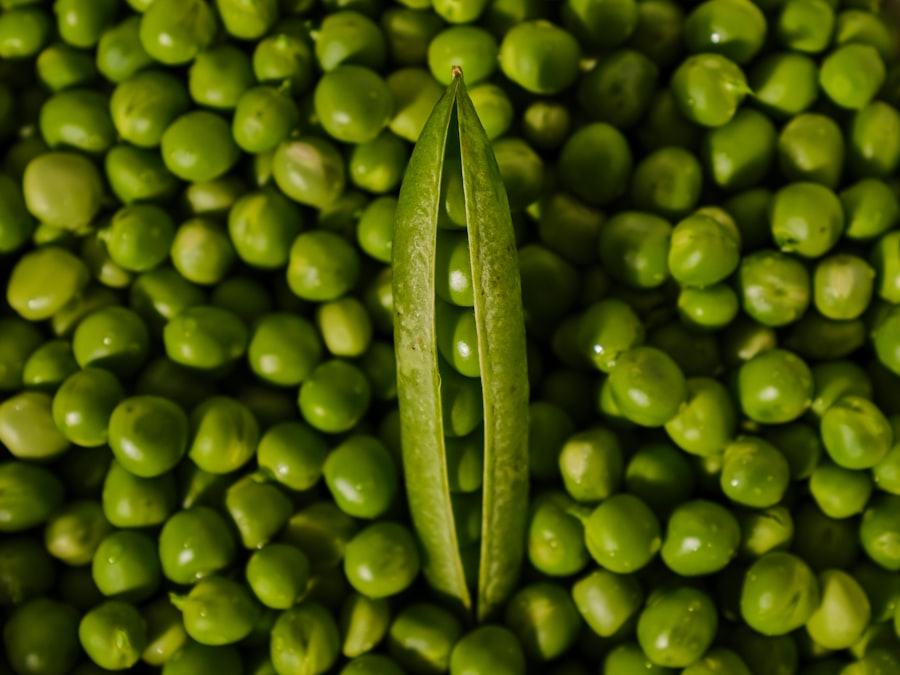
The carbohydrate profile and fiber content of peas contribute to stable blood sugar levels.
Slow Glucose Absorption
The complex carbohydrates and high fiber content in peas slow down the digestive process. This gradual digestion results in a slower and more controlled release of glucose into the bloodstream, preventing rapid spikes in blood sugar. This attribute is particularly valuable for individuals managing type 2 diabetes or those aiming to prevent its onset. Peas act as a gentle brake on the runaway train of glucose absorption.
Insulin Sensitivity Enhancement
Some research suggests that the fiber and other compounds in peas may contribute to improved insulin sensitivity. Better insulin sensitivity means that the body’s cells are more responsive to insulin, allowing glucose to be taken up more efficiently from the blood. This contributes to better overall glucose regulation and reduced risk of insulin resistance.
Peas are a versatile and nutritious addition to many dishes, and their cultivation can be an interesting topic for gardeners and food enthusiasts alike. If you’re considering expanding your home garden to include a variety of vegetables, you might find inspiration in a related article on home extensions. This piece discusses how to enhance your living space, which could also include creating a dedicated area for growing your own peas and other vegetables. For more information, check out this insightful article on home extensions.
Other Potential Health Benefits
The diverse nutrient profile of peas extends beyond these primary areas, offering additional potential advantages.
Antioxidant and Anti-inflammatory Properties
Peas contain a range of antioxidants, including flavonoids, carotenoids, and phenolic acids. These compounds help neutralize free radicals, unstable molecules that can damage cells and contribute to chronic diseases. The antioxidant capacity of peas, coupled with their anti-inflammatory compounds, may contribute to reducing systemic inflammation throughout the body. Consider these antioxidants as tiny shields, protecting your cells from daily bombardment.
Weight Management Support
Due to their high fiber and protein content, peas can contribute to feelings of fullness and satiety. This can help reduce overall calorie intake by curbing appetite and preventing overeating. Incorporating peas into meals can be a strategy for weight management, promoting a feeling of satisfaction without excessive caloric density. The combination of protein and fiber can act as a natural appetite suppressant.
Cancer Prevention Potential
While research is ongoing, some studies suggest that the consumption of legumes, including peas, may be associated with a reduced risk of certain cancers. The fiber content, along with various phytochemicals and antioxidants, may exert protective effects against cellular damage and abnormal cell growth. However, further research is needed to fully delineate the extent of these potential anti-cancer effects.
Practical Integration into Diet
Integrating peas into a regular dietary pattern is straightforward and versatile.
Versatile Culinary Uses
Peas can be consumed fresh, frozen, or canned, offering convenience and accessibility. They can be incorporated into a wide array of dishes, from salads and soups to stews and stir-fries. Pea purees can be used as a base for dips or sauces, and roasted peas offer a crunchy, healthy snack. Their mild flavor allows them to complement various cuisines and ingredients.
Storage and Preparation Tips
Fresh peas are best consumed soon after purchase. Frozen peas retain most of their nutritional value and are a convenient year-round option. When cooking, aim for minimal cooking times to preserve nutrient content, particularly water-soluble vitamins. Steaming or quick sautéing are preferred methods over prolonged boiling.
Conclusion
Peas, though often overlooked, are a nutritional powerhouse deserving of recognition. Their rich profile of protein, fiber, vitamins, and minerals offers a wide array of potential health benefits, ranging from improved digestion and cardiovascular health to blood sugar control and immune support. By consciously including peas in your diet, you are making a simple yet impactful choice for your overall well-being. Consider them not just as a garnish, but as a fundamental building block for a healthier nutritional foundation.