
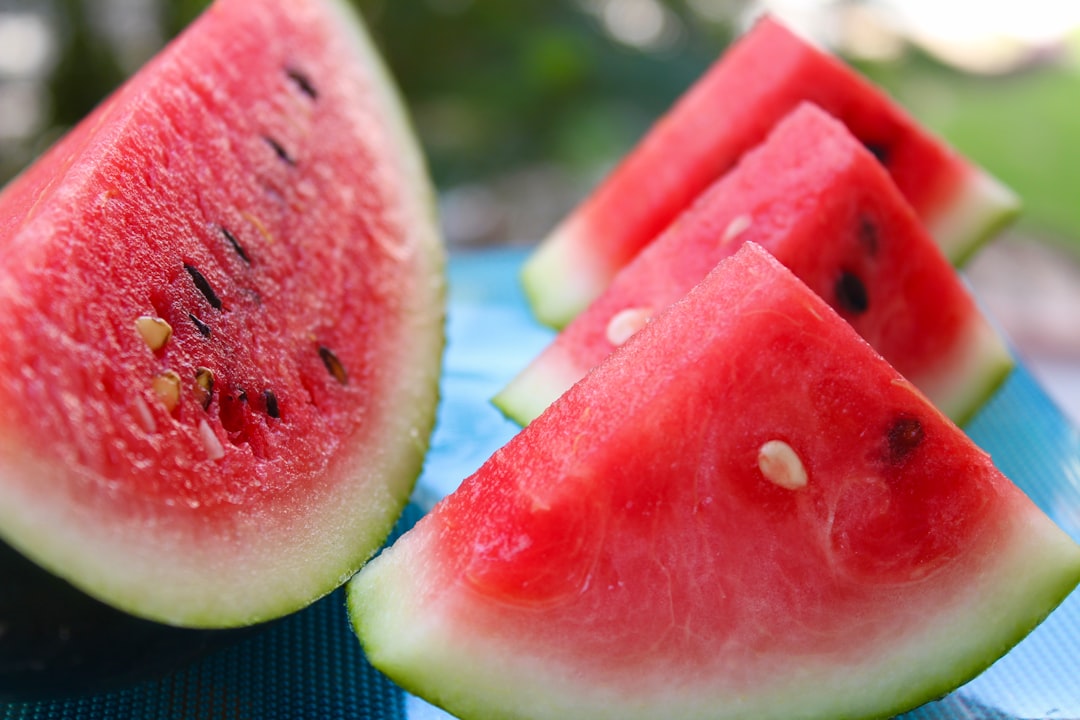
 Thomas Kelly
3 February 2026
Thomas Kelly
3 February 2026
Watermelon ( _Citrullus lanatus_ ) is a fruiting plant of the gourd family, Cucurbitaceae. The species is thought to have originated in Africa, specifically the Kalahari Desert, where wild ancestors still grow. Archaeological evidence, including seeds found in Egyptian tombs dated to the second millennium BCE, supports its long history of cultivation. Domesticated watermelons were a significant food source for ancient Egyptians and other early civilizations, prized for their hydrating properties in arid climates.
Early History and Spread
From its African origins, watermelon spread through trade routes across the Mediterranean and into Asia. Records indicate its cultivation in India by the 7th century CE and in China by the 10th century. European introduction occurred somewhat later, with its presence noted in Spain by the 10th century and more widespread cultivation by the Renaissance. Early varieties were often smaller, less sweet, and contained more seeds than modern cultivars. Selective breeding over centuries has led to the larger, sweeter, and often seedless varieties common today.
Modern Cultivation Practices
Modern watermelon cultivation encompasses a global scale, with major producers including China, Turkey, Iran, Brazil, and the United States. The plant thrives in warm climates, requiring long, hot growing seasons and ample sunlight.
Soil and Climate Requirements
Watermelons prefer well-drained, sandy loam soils with a pH between 6.0 and 6.8. They are sensitive to frost and require soil temperatures of at least 65°F (18°C) for optimal germination and growth. Consistent moisture is crucial, especially during fruit development, though excessive watering can lead to fungal diseases.
Planting and Harvesting
Seeds are typically planted directly in the soil after the last frost or started indoors and transplanted. Vines can spread considerably, requiring adequate spacing. Fruit maturity is usually indicated by a dull sound when tapped, a dry tendril near the stem, and a yellowish underside where the fruit rests on the ground. Harvesting by hand is common to prevent damage.
Pest and Disease Management
Common pests affecting watermelon include aphids, spider mites, and cucumber beetles. Fungal diseases such as powdery mildew, downy mildew, and anthracnose can also impact crops. Integrated pest management (IPM) strategies, combining biological, cultural, and chemical controls, are often employed to minimize losses.
Watermelon is not only a delicious summer fruit but also a symbol of refreshment and vitality. For those interested in exploring more about the entrepreneurial aspects of food-related businesses, you might find this article on entrepreneurial advice for new businesses insightful. It offers valuable tips and strategies that can be applied to various sectors, including the food industry. You can read it here: Entrepreneurial Advice for New Businesses.
Nutritional Profile
Watermelon is approximately 92% water by weight, contributing significantly to its hydrating properties. This high water content, combined with its relatively low calorie count, makes it a suitable food for those seeking to maintain hydration and manage weight.
Key Nutrients
Beyond water, watermelon provides a range of vitamins, minerals, and phytonutrients.
Vitamins
- Vitamin C: A powerful antioxidant essential for immune function, skin health, and collagen synthesis. A single serving of watermelon can contribute a notable percentage of the daily recommended intake.
- Vitamin A (as beta-carotene): Important for vision, immune function, and skin health. The red pigment in watermelon is primarily due to lycopene, which is structurally similar to beta-carotene.
- B Vitamins: Contains smaller amounts of B vitamins, including B1 (thiamine) and B6 (pyridoxine), which play roles in energy metabolism.
Minerals
- Potassium: An electrolyte critical for maintaining fluid balance, nerve signals, and muscle contractions. Watermelon’s potassium content contributes to cardiovascular health.
- Magnesium: Involved in over 300 enzymatic reactions in the body, including muscle and nerve function, blood glucose control, and blood pressure regulation.
Phytonutrients and Antioxidants
Watermelon is particularly rich in several beneficial phytonutrients, compounds produced by plants that can have antioxidant and anti-inflammatory effects in the human body.
- Lycopene: This carotenoid is responsible for the red color of watermelon and is a potent antioxidant. Research suggests a correlation between lycopene intake and reduced risk of certain chronic diseases, including some cancers and cardiovascular disease. Bioavailability of lycopene from watermelon is generally high.
- Citrulline: An amino acid found in significant concentrations in watermelon, particularly in the white rind. Citrulline is a precursor to arginine, another amino acid, which plays a role in nitric oxide production. Nitric oxide helps relax blood vessels, potentially contributing to improved circulation and blood pressure regulation. Some studies have investigated citrulline’s potential benefits for exercise performance and erectile dysfunction.
Hydration and Electrolyte Balance
The high water content of watermelon, combined with its natural sugars and electrolytes like potassium, makes it an effective hydrating food. This is particularly relevant during hot weather or after physical exertion, where fluid and electrolyte losses occur. Consuming watermelon can help replenish these losses without relying solely on plain water.
Culinary Applications
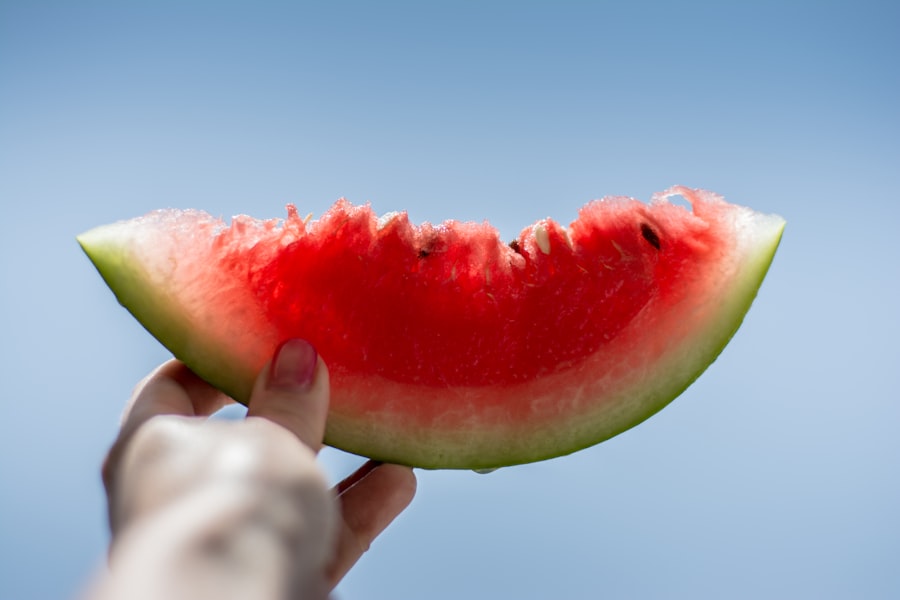
Watermelon’s sweet and subtly refreshing flavor profile makes it versatile in culinary applications, extending beyond simple consumption of fresh slices.
Fresh Consumption
The most common way to consume watermelon is fresh, cut into slices, cubes, or spheres. Its inherent sweetness and succulence require little embellishment, making it a popular warm-weather snack or dessert.
Serving Suggestions
- Simple Slices: The foundational method, offering the pure taste and texture of the fruit.
- Fruit Salads: Watermelon pairs well with other fruits such as berries, melon, and citrus, adding a hydrating and sweet component.
- Garnishes: Cubed or balled watermelon can adorn cocktails, desserts, or savory dishes for visual appeal and a burst of flavor.
Savory Pairings
While primarily associated with sweetness, watermelon’s mild flavor and high water content allow it to complement savory ingredients effectively, providing a refreshing counterpoint.
Salads
- Feta and Mint: A classic combination where the salty tang of feta and the aromatic freshness of mint highlight watermelon’s sweetness. A drizzle of balsamic glaze or olive oil can enhance this pairing.
- Prosciutto: The salty, cured meat provides a textural and flavor contrast to the crisp, sweet melon, reminiscent of traditional cantaloupe and prosciutto pairings.
- Cucumber and Onion: For a more herbaceous and pungent salad, thin slices of cucumber and red onion can be tossed with watermelon, perhaps with a lime Vinaigrette.
Grilled Watermelon
Briefly grilling watermelon caramelizes its natural sugars, lending a smoky depth and slightly softer texture while retaining its refreshing core. This method works well as a side dish or appetizer.
Beverages and Desserts
Watermelon’s juiciness makes it an ideal ingredient for various beverages and
chilled desserts.
Juices and Smoothies
- Fresh Juice: Simply blending and straining watermelon provides a naturally sweet and hydrating drink.
- Smoothies: Combined with other fruits, yogurt, or ice, watermelon forms the base for refreshing smoothies.
- Agua Frescas: Traditional Latin American beverages often feature watermelon puréed with water, lime juice, and a touch of sugar.
Sorbets and Granitas
Freezing watermelon purée into sorbets or granitas creates a light, icy, and intensely refreshing dessert. The high water content contributes to a smooth texture in sorbets and crystalline structure in granitas.
Cocktails and Mocktails
Watermelon’s flavor integrates well into both alcoholic and non-alcoholic drinks.
- Margaritas: Blended with tequila, lime juice, and triple sec for a summery twist.
- Mojitos: Muddled watermelon can replace or complement traditional mint and lime.
- Infused Water: Cubes of watermelon can infuse water with a subtle, natural sweetness.
Health Benefits and Considerations

Beyond its nutritional profile, consuming watermelon has several potential health benefits, though like any food, moderation is key.
Hydration and Electrolyte Balance
As previously noted, watermelon’s high water content and electrolyte composition make it an excellent choice for maintaining hydration, particularly important during hot weather or physical activity. Adequate hydration supports various bodily functions, including temperature regulation, nutrient transport, and waste removal.
Cardiovascular Health
Multiple components of watermelon contribute to potential cardiovascular benefits.
Lycopene
The antioxidant lycopene may help reduce oxidative stress and inflammation, factors implicated in the development of cardiovascular diseases. Studies suggest that higher lycopene intake is associated with a lower risk of stroke and heart disease.
Citrulline and Nitric Oxide
Citrulline, converted to arginine in the body, aids in the production of nitric oxide. Nitric oxide helps dilate blood vessels, which can improve blood flow and potentially contribute to lower blood pressure. This mechanism is an area of ongoing research.
Potassium
Potassium is crucial for regulating blood pressure by counteracting the effects of sodium. A diet rich in potassium, as found in watermelon, supports healthy blood pressure levels.
Digestive Health
The high water content and presence of dietary fiber in watermelon can contribute to healthy digestion. Fiber adds bulk to stool and promotes regular bowel movements, helping to prevent constipation. However, watermelon itself is not a high-fiber food compared to other fruits or vegetables.
Exercise Recovery
Watermelon’s combination of water, electrolytes, and natural sugars can aid in post-exercise recovery. It helps replenish fluids and carbohydrates, while citrulline may contribute to reducing muscle soreness. Some athletes consume watermelon or watermelon juice for these purposes.
Weight Management
Being low in calories and high in water, watermelon can be a satiating food that helps manage appetite. Its natural sweetness can satisfy cravings for sugary foods without contributing excessive calories. Incorporating watermelon into meals or as a snack can be a strategy for weight management.
Considerations
While generally healthy, there are a few considerations regarding watermelon consumption.
Sugar Content
Watermelon contains natural sugars (fructose, glucose, sucrose). Individuals managing blood sugar levels, such as those with diabetes, should consume watermelon in moderation and account for its carbohydrate content. The glycemic index of watermelon is relatively high, but its glycemic load is lower due to its high water content.
Allergies
Watermelon allergies are uncommon but can occur, particularly in individuals with pollen-food allergy syndrome, given cross-reactivity with certain pollen types. Symptoms can range from mild oral allergy syndrome (itching in the mouth and throat) to more severe systemic reactions.
Seed Consumption
Historically, watermelon seeds were often a point of contention due to their presence. Modern seedless varieties have largely alleviated this. However, traditional watermelon seeds are edible and contain nutrients like protein, magnesium, and healthy fats, though they are typically consumed after roasting.
Watermelon, a refreshing summer fruit, is not only delicious but also packed with nutrients. For those interested in enhancing their website’s visibility, understanding the importance of backlinks can be crucial. A related article that delves into this topic can be found here, where you can learn about the significance of backlinks in improving search engine rankings. By incorporating effective strategies, you can boost your online presence just as watermelon boosts hydration on a hot day. For more insights, check out the article on why backlinks are important.
Choosing and Storing
Selecting a ripe watermelon and storing it correctly maximizes its flavor and extends its shelf life.
Selecting a Ripe Watermelon
Identifying a ripe watermelon involves a combination of sensory cues.
Appearance
- Field Spot: Look for a creamy yellow or orange-yellow spot on the underside where the watermelon rested on the ground. A white or green spot indicates immaturity.
- Dullness: A ripe watermelon often loses its glossy sheen and appears dull.
- Webbing: Some varieties may develop “sugar spots” or “webbing” (brown, rough patches), which indicate sweet spots in the fruit.
Sound
- Thump Test: When tapped, a ripe watermelon should produce a deep, hollow sound. An unripe watermelon will sound higher-pitched, and an overripe one may sound dull or mushy. This method requires some practice to master.
Weight
- Heaviness for Size: A ripe watermelon should feel heavy for its size, indicating a high water content and juiciness.
Storage Practices
Proper storage is crucial for maintaining watermelon quality.
Whole Watermelons
- Cool Room Temperature: An uncut, whole watermelon can be stored at cool room temperature (around 50-60°F or 10-15°C) for up to two weeks. Avoid direct sunlight.
- Refrigeration Not Recommended (Initially): Refrigerating whole, uncut watermelons can diminish their flavor and lycopene content.
Cut Watermelons
- Refrigeration is Essential: Once cut, watermelon should be stored in an airtight container in the refrigerator to prevent drying out and contamination.
- Shelf Life: Cut watermelon typically lasts for 3-5 days in the refrigerator.
- Freezing: For longer storage, watermelon can be frozen. Remove the rind, cut the flesh into cubes or balls, and freeze on a tray before transferring to an airtight freezer bag. Frozen watermelon is best for smoothies or purées as its texture will be softer upon thawing.
Potential Issues
- Bruising: Watermelons are susceptible to bruising, which can lead to internal discoloration and spoilage. Handle with care.
- Over-ripening: An overripe watermelon will have a mushy texture, possibly a fermented smell, and may contain stringy flesh.
- Cross-Contamination: When cutting watermelon, use clean utensils and cutting boards to avoid transferring bacteria from other foods.
By following these guidelines, you can ensure a flavorful and satisfying experience with this iconic summer fruit.