
 Thomas Kelly
14 February 2026
Thomas Kelly
14 February 2026
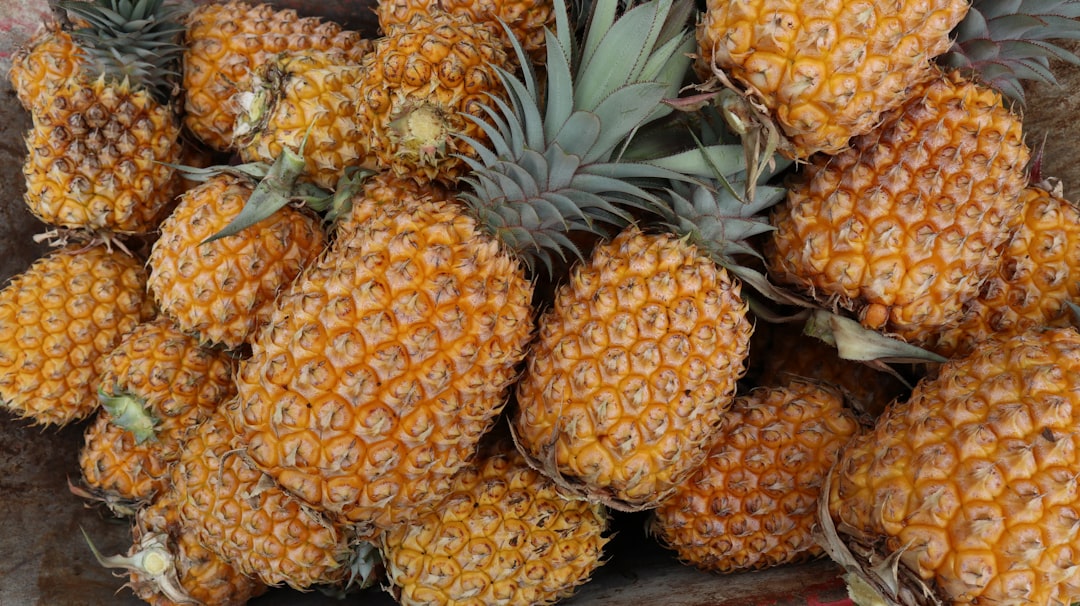
Pineapples are tropical fruits known for their distinct sweet and tangy flavor. Their unique appearance, characterized by a spiky exterior and a crown of leaves, makes them easily recognizable. This article will explore the botanical aspects of the pineapple, its historical journey, cultivation practices, nutritional profile, culinary uses, and its cultural significance.
The pineapple, scientifically designated as Ananas comosus, is a herbaceous perennial plant belonging to the Bromeliaceae family. This family encompasses a wide array of plants, many of which are epiphytic, meaning they grow on other plants without being parasitic. However, Ananas comosus is terrestrial, rooting itself in the soil.
Fruit Development
The pineapple fruit is not a single fruit in the botanical sense, but rather a multiple fruit. This means it develops from the fusion of a cluster of individual flowers, each producing a small fruitlet. These fruitlets then coalesce to form the larger, recognizable pineapple structure. This is akin to how a cluster of grapes forms a single bunch, but on a grander scale.
The Inflorescence
The pineapple plant produces a single inflorescence, a central stalk that emerges from the center of the leafy rosette. This stalk bears numerous small, sessile flowers, typically arranged in a spiral pattern. Each flower has three sepals and three petals. As these flowers mature and are pollinated, they develop into the fleshy fruitlets that make up the pineapple.
The Pepos and Fruitlets
The individual fruitlets are technically called pepos, a type of berry with a hardened rind, a characteristic shared with fruits like melons and cucumbers. However, in the pineapple, these pepos are fused together, creating the segmented appearance of the mature fruit. The tiny, often sterile ovules at the base of each ovary develop into the “eyes” of the pineapple, which are the darkened tips of the fruitlets. These eyes are also the remnants of the reproductive structures of the individual flowers.
The Crown
The distinctive crown of leaves atop the pineapple is a vegetative structure, not directly involved in fruit production. It serves a role in photosynthesis and, in wild varieties, might assist in seed dispersal. Gardeners often root these crowns to propagate new pineapple plants, a testament to the plant’s regenerative capacity.
Growth Habit
A mature pineapple plant typically grows to about 2.5 to 5 feet (0.76 to 1.5 meters) in height and 2 to 4 feet (0.61 to 1.2 meters) in width. It is characterized by a short, stout stem that is almost entirely underground, from which the leaves and the fruiting stalk emerge. The leaves themselves are tough, waxy, and sword-shaped, often with serrated edges. They are arranged in a dense spiral, forming a rosette.
Pineapples are not only a delicious tropical fruit but also symbolize hospitality and warmth in many cultures. If you’re interested in exploring how positive energy can be harnessed through various objects, you might find this article on the positive vibe exerted from pendants in Australia particularly intriguing. It discusses how certain items can uplift your spirit and energize your surroundings. You can read more about it here: Positive Vibe Exerted from Pendants in Australia.
History and Domestication
The origin of the pineapple can be traced to South America, specifically the region encompassing present-day Brazil and Paraguay, where it grew in relative abundance in the wild. Indigenous peoples in this area were the first to cultivate and utilize this fruit.
Early Domestication and Spread
Archaeological evidence suggests that pineapple cultivation dates back at least 3,500 years in South America. Indigenous peoples not only consumed the fruit but also likely used its fibers for clothing and rope, and its juice for medicinal purposes. The distinctive tropical fruit was a valuable commodity for these early societies.
From its South American homeland, the pineapple began a remarkable journey across continents, facilitated by human migration and trade. It was carried northward through the Caribbean and Central America.
Arrival in Europe and the Old World
Christopher Columbus and his crew are credited with encountering the pineapple during their second voyage to the Americas in 1493. They discovered the fruit on the island of Guadeloupe and are believed to have brought it back to Europe.
The pineapple was a sensation in Europe, a tropical novelty that quickly became a symbol of wealth, status, and exoticism. Growing pineapples in the often cool European climate was a significant challenge, requiring specialized greenhouses called “pineries.” This difficulty further amplified its desirability and exclusivity among the aristocracy. Kings and queens often displayed pineapples as centerpieces at banquets, a testament to their rarity and the immense cost associated with their cultivation.
The plant’s journey did not stop in Europe. Spanish and Portuguese explorers and traders subsequently introduced the pineapple to other tropical regions, including Africa, India, and Southeast Asia, where it found new environments suitable for its growth. The ease with which it adapted to many tropical climates allowed for its widespread cultivation outside its native range.
Modern Cultivation and Commercialization
As cultivation techniques improved and transportation methods advanced, the pineapple transitioned from an exclusive luxury item to a widely available fruit. Selective breeding has also led to the development of numerous cultivated varieties, or cultivars, with varying characteristics in terms of size, sweetness, acidity, and flesh texture.
The 20th century saw the rise of large-scale commercial pineapple plantations, particularly in Hawaii, the Philippines, and various countries in Latin America and Africa. This industrialization made the pineapple accessible to a much broader global market, solidifying its place as a popular fruit enjoyed worldwide. The fruit’s resilience and adaptability have allowed it to become a staple in many tropical agricultural economies.
Cultivation and Harvesting
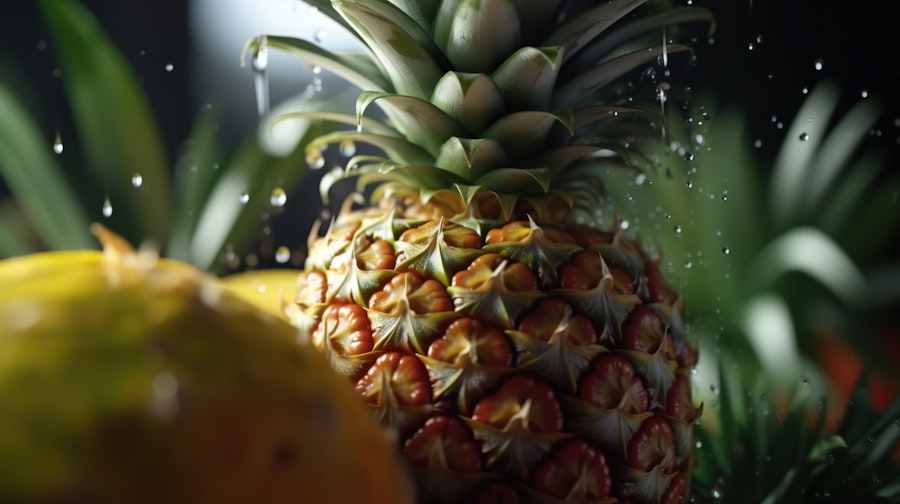
The pineapple is a relatively hardy plant, but its cultivation requires specific climatic conditions and careful management to ensure optimal fruit production.
Climate and Soil Requirements
Pineapples thrive in warm, humid climates with tropical or subtropical conditions. They require temperatures ranging between 70°F and 86°F (21°C and 30°C) for optimal growth and fruit development. Frost is detrimental to the plant. They are also sensitive to prolonged periods of cold.
Regarding soil, pineapples prefer well-draining, sandy loam soils. They are acidic in nature, tolerating a soil pH range of 4.5 to 6.5. Poor drainage can lead to root rot, a common problem in pineapple cultivation.
Planting and Propagation
Pineapples are sterile and do not produce viable seeds for reproduction. Instead, they are propagated vegetatively. Several methods are used:
- Slips: These are small shoots that grow from the base of the fruit.
- Slugs: These are also shoots, but they emerge from the axils of the leaves on the fruiting stalk.
- Crowns: As mentioned earlier, the leafy top of the fruit can be removed, allowed to dry slightly, and then planted to grow a new plant.
These vegetative parts are planted in nursery beds or directly in the field. The planting material needs to be healthy and free from disease.
Growth Cycle and Fertilization
A pineapple plant takes approximately 18 to 24 months from planting to produce its first fruit. After fruiting, the plant produces basal suckers that can be used for subsequent plantings, ensuring a continuous cycle of production.
Fertilization is crucial for vigorous growth. The leaves of the pineapple plant are adapted to absorb nutrients from the air and rain, as well as from the soil. Fertilizers are typically applied to the soil and, in some cases, directly into the heart of the plant, where the leaves form a cup. This allows for direct absorption. The plant requires a balanced supply of nitrogen, phosphorus, and potassium, along with essential micronutrients.
Pest and Disease Management
Pineapples can be susceptible to various pests and diseases. Common pests include mealybugs, mites, and fruit flies, which can damage the leaves, fruit, and overall plant health. Diseases can include root rot, anthracnose, and bacterial heart rot, particularly in conditions of excessive moisture or poor sanitation.
Integrated Pest Management (IPM) strategies are often employed to control these issues. This includes biological control, cultural practices (such as proper spacing and drainage), and judicious use of approved pesticides when necessary.
Harvesting
Pineapples are typically harvested when the fruit is mature but still firm. Maturity is often indicated by a slight softening of the flesh, a change in color from green to golden yellow at the base of the fruit, and a fragrant aroma. The fruit does not continue to ripen significantly after it is harvested, so timing is important to capture optimal flavor and sweetness.
Harvesting is usually done by hand. A sharp machete or knife is used to cut the fruit from the stalk. The leaves of the fruit are often trimmed, and the crowns may be removed for ease of handling and storage. Proper handling during harvesting is essential to prevent bruising and damage, which can affect the quality and shelf life of the fruit.
Nutritional Profile and Health Benefits
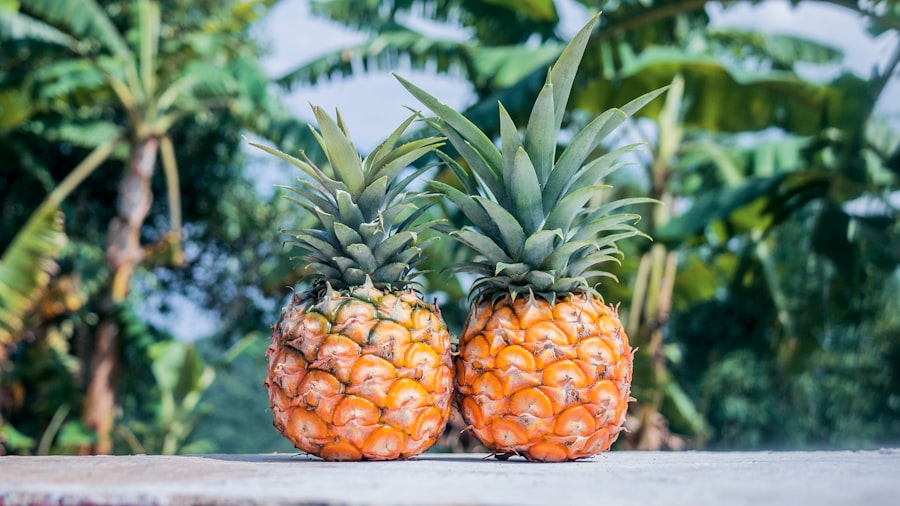
Pineapples are not only a delicious fruit but also a good source of several essential nutrients. Their consumption is associated with various health benefits, largely due to their unique enzymatic content and vitamin and mineral composition.
Key Nutrients
Pineapple is a particularly rich source of Vitamin C, a vital antioxidant that plays a role in immune function, collagen synthesis, and protection against cellular damage. A single serving of pineapple can provide a significant portion of the recommended daily intake of Vitamin C.
It also contains manganese, a mineral that is important for bone health, metabolism, and antioxidant defense. Manganese is a cofactor for many enzymes involved in these processes.
Pineapple also provides:
- Dietary Fiber: Important for digestive health, fiber aids in regulating blood sugar levels and promoting satiety.
- B Vitamins: Including thiamin (B1), riboflavin (B2), niacin (B3), pantothenic acid (B5), and pyridoxine (B6), which are involved in energy metabolism and various bodily functions.
- Minerals: Such as potassium, which helps regulate blood pressure, and copper, which is involved in iron metabolism and energy production.
Bromelain: The Enzyme Powerhouse
Perhaps the most unique and medically significant component of pineapple is bromelain. Bromelain is a complex mixture of proteolytic enzymes, meaning it has the ability to break down proteins. It is found in the fruit and stalk of the pineapple plant, with higher concentrations often found in the core and stem.
Bromelain is recognized for its diverse therapeutic properties:
- Anti-inflammatory Properties: Bromelain has demonstrated anti-inflammatory effects by modulating immune responses and reducing the production of pro-inflammatory mediators. This can be beneficial in conditions like osteoarthritis and inflammatory bowel diseases.
- Digestive Aid: As a protein-digesting enzyme, bromelain can assist with the breakdown of food in the digestive tract, potentially alleviating symptoms of indigestion and bloating, particularly in individuals with pancreatic insufficiency.
- Wound Healing: Bromelain has been used topically to promote wound healing and debridement of burns and skin lesions by breaking down dead tissue and reducing inflammation.
- Antimicrobial Activity: Some studies suggest that bromelain may possess antimicrobial properties, inhibiting the growth of certain bacteria and viruses.
- Mucolytic Action: Bromelain’s ability to break down proteins can also help to thin mucus, making it easier to expel from the airways. This property has led to its use as a component in some cough and cold remedies.
Health Benefits Summary
The combination of vitamins, minerals, fiber, and bromelain contributes to a range of potential health benefits:
- Enhanced Immune Function: The high Vitamin C content supports a robust immune system.
- Improved Digestion: Bromelain and fiber aid in digestive processes.
- Reduced Inflammation: Bromelain’s anti-inflammatory properties can contribute to managing inflammatory conditions.
- Accelerated Wound Healing: Bromelain aids in tissue repair.
It is important to note that while pineapple and bromelain offer potential health benefits, they are not a substitute for professional medical advice or treatment. Individuals with specific health concerns should consult with a healthcare provider.
Pineapple is not only a delicious tropical fruit but also offers numerous health benefits that can complement a balanced diet. For those looking to explore healthier beverage options, you might find it interesting to read about the advantages of reducing coffee consumption. This article discusses various alternatives that can provide energy and hydration without the jitters associated with caffeine. To learn more about these alternatives, check out this insightful piece on drinking less coffee.
Culinary Uses
The versatility of pineapple in the culinary world is extensive, ranging from fresh consumption to cooked dishes and beverages. Its sweet and tangy flavor profile makes it a popular ingredient across various cuisines.
Fresh Consumption
The simplest and perhaps most popular way to enjoy pineapple is by eating it fresh. Once the spiky exterior is removed and the core is discarded, the juicy, golden flesh can be sliced, diced, or cut into chunks. It is a refreshing snack, often enjoyed on its own. The bright, tropical taste of fresh pineapple can instantly transport one to a sunnier climate.
Culinary Applications
Pineapple’s unique flavor and texture lend themselves to a wide array of culinary applications:
- Salads: Diced pineapple adds a sweet and tangy contrast to both fruit salads and savory dishes. It pairs particularly well with chicken, shrimp, and certain vegetables in salads. The enzymes in pineapple can also help to tenderize meats when used in marinades.
- Desserts: Pineapple is a star ingredient in many desserts. It is famously used in pineapple upside-down cake, where caramelized pineapple rings are placed at the bottom of the pan before the cake batter is poured in, creating a visually appealing and flavorful dessert. Pineapple is also used in fruit tarts, puddings, ice creams, and sorbets.
- Cooked Dishes:
- Sweet and Sour Dishes: Pineapple is a staple in many Chinese and Southeast Asian sweet and sour recipes, providing its characteristic sweet and tangy element. It is often combined with vegetables and proteins like pork, shrimp, or chicken.
- Grilling and Roasting: Grilled pineapple slices offer a caramelized sweetness and a slightly smoky flavor, making them an excellent accompaniment to grilled meats and poultry. Roasted pineapple can also be a delicious side dish or dessert.
- Pizza: The addition of pineapple to pizza, famously known as Hawaiian pizza, is a point of culinary debate but remains a popular choice for many. The sweetness of the pineapple provides a counterpoint to the savory cheese and tomato sauce.
- Beverages:
- Juice: Freshly squeezed pineapple juice is a popular beverage worldwide. It is often consumed on its own or used as a base for cocktails and smoothies.
- Cocktails: Pineapple juice is a key ingredient in many tropical cocktails, such as piña coladas, mai tais, and mojitos, adding its distinctive tropical flair.
- Smoothies: Blended with other fruits and liquids, pineapple creates refreshing and nutritious smoothies.
Preserved Pineapple
Pineapple is also processed and preserved for year-round availability. Common forms include:
- Canned Pineapple: Available as slices, chunks, or crushed, canned pineapple is packed in its own juice or syrup. It is a convenient option for baking and cooking.
- Dried Pineapple: Dehydrated pineapple offers a chewy texture and concentrated sweetness, making it a popular snack.
The ability of pineapple to be enjoyed in so many forms highlights its adaptability and broad appeal in the global food landscape.
Pineapple is not only a delicious tropical fruit, but it also offers numerous health benefits that can enhance your overall well-being. For those looking to improve their fitness routine, incorporating activities like walking can complement a healthy diet rich in fruits such as pineapple. If you’re interested in exploring the advantages of daily walking, you can read more about it in this insightful article on the benefits of walking every day. By combining the nutritional power of pineapple with regular physical activity, you can achieve a balanced and healthy lifestyle.
Cultural Significance and Symbolism
Beyond its culinary and nutritional value, the pineapple has woven itself into the fabric of human culture, acquiring rich symbolism and a noteworthy presence in various traditions and artistic expressions. Its journey from a rare, exotic fruit to a globally recognized symbol is a testament to its impact.
Symbol of Hospitality
In Western cultures, particularly from the colonial era onwards, the pineapple emerged as a prominent symbol of hospitality, warmth, and welcome. This association began in the 17th and 18th centuries when European colonists in the Caribbean encountered the fruit. Upon their return to Europe, displaying a pineapple at the entrance of a home or as a centerpiece at a gathering signified that the hosts were generous and welcoming to their guests. The rarity and expense of the fruit made this a significant gesture. This tradition, though less common in its literal form today, persists in a symbolic sense. Pineapple motifs are still incorporated into decorative elements, carvings, and even architecture to convey a message of welcome.
Exoticism and Luxury
Throughout much of its history outside of its native South America, the pineapple was viewed as an exotic and luxurious item. Its origins in distant, tropical lands, combined with the difficulty and expense of transporting or cultivating it in cooler climates, contributed to this perception. For centuries, possessing and consuming pineapple was a mark of wealth and status, a tangible representation of one’s access to rare and desirable goods. This association with luxury and the exotic continues to resonate in some contexts, although its widespread availability has somewhat diminished this exclusive aura.
Artistic and Decorative Motifs
The distinctive shape of the pineapple has made it a popular motif in art, design, and architecture. Its spiky exterior and leafy crown provide a unique visual element that has been incorporated into:
- Architecture: Pineapple carvings have been used as decorative elements on gateposts, stair railings, and the facades of buildings, particularly in colonial and neoclassical styles, to signify hospitality.
- Decorative Arts: Pineapple-shaped objects, such as ceramic vases, candle holders, and even furniture designs, have been produced throughout history, reflecting its enduring visual appeal.
- Textiles and Engravings: Pineapple imagery has appeared on fabrics, wallpaper, and in historical engravings, further cementing its place in visual culture.
In Folklore and Tradition
While not as pervasive as some other fruits, the pineapple has found its way into certain regional folklore and traditions. Its association with the tropics often links it to themes of abundance, fertility, and good fortune in some cultures. In parts of its native South America, there are indigenous traditions and medicinal uses associated with the plant that predate European contact.
The pineapple’s cultural journey reflects its ability to transcend its botanical origins and become a symbol that resonates with human values and aesthetic sensibilities. From a rare delicacy to a universally recognized fruit, its significance continues to evolve.