
 Thomas Kelly
21 January 2026
Thomas Kelly
21 January 2026
For visitors contemplating a trip to Airlie Beach, a common inquiry revolves around the feasibility and safety of swimming directly from its sandy shores. This article aims to provide a comprehensive and factual overview of swimming conditions at Airlie Beach, outlining the various considerations, risks, and alternatives available to those seeking aquatic recreation in the region.
Airlie Beach is situated in a region characterized by significant tidal fluctuations, a crucial factor when considering swimming activities. Unlike some coastlines with relatively stable water levels, the Whitsunday region experiences a substantial difference between high and low tide.
Tidal Movement and Its Impact
The average tidal range in Airlie Beach can vary from 2 to 4 meters, depending on the lunar cycle and time of year. This ebb and flow acts as a grand orchestrator of the shoreline, dictating the accessibility and depth of the water. At low tide, the foreshore can recede considerably, exposing large expanses of mudflats and shallow areas. During these periods, natural swimming might be impractical or even impossible due to insufficient water depth. Conversely, high tide brings the water closer to the shoreline, offering more immediate access.
Understanding Tidal Charts
To effectively plan any water-based activities, consulting local tidal charts is essential. These charts provide predictions for high and low tide times and heights, allowing individuals to anticipate optimal conditions for swimming, kayaking, or other watersports. Numerous online resources and local information centers offer readily accessible tidal data. Ignoring these charts is akin to attempting to navigate a river without understanding its currents; it can lead to frustration and missed opportunities.
If you’re planning a trip to Airlie Beach and wondering about swimming options, you might find it helpful to read about the importance of safety in recreational areas. Understanding the role of security can enhance your experience, ensuring that you enjoy the beautiful waters without any concerns. For more insights, check out this related article on the importance of security guard companies at this link.
Marine Life Considerations
The waters surrounding Airlie Beach, like many tropical and subtropical marine environments, are home to a diverse array of marine life. While much of this biodiversity is harmless and fascinating, certain species warrant attention when considering swimming directly from the beach.
Irukandji and Box Jellyfish
Perhaps the most significant concern for swimmers in the Whitsundays, particularly during the warmer months (typically October to May), is the presence of potentially dangerous jellyfish species, notably the Irukandji and Box Jellyfish. These cnidarians possess potent venom and their stings can cause severe illness, known as Irukandji syndrome, or even be fatal in some cases.
Stinger Season
This period, often referred to as “stinger season,” necessitates additional precautions. Local authorities and tour operators actively monitor for jellyfish presence and disseminate information regarding current risks. Swimming enclosures, equipped with specially designed stinger nets, are deployed in designated areas to provide a safer swimming environment during this time.
Protective Measures
When swimming outside of stinger nets during stinger season, wearing a full-body “stinger suit” is strongly recommended. These suits, made from thin, protective material, act as a physical barrier against jellyfish stings. Many local shops offer these suits for purchase or rent. It is important to note that while stinger suits offer significant protection, they do not guarantee absolute immunity from all marine stings.
Crocodiles
While less common directly at Airlie Beach itself, saltwater crocodiles (Crocodylus porosus) inhabit the estuaries and river systems of North Queensland, including some areas within the broader Whitsunday region. These apex predators are opportunistic hunters and can be extremely dangerous.
Habitat and Behavior
Crocodiles prefer brackish or freshwater environments but can, and do, enter saltwater. They are most active at dawn, dusk, and night. While direct encounters at the main Airlie Beach foreshore are rare, vigilance is always advised, particularly in areas near river mouths, mangroves, or remote stretches of coastline. Signs warning of crocodile presence are typically posted in known habitats. Ignoring such warnings is to invite unnecessary risk.
Designated Swimming Areas and Alternatives
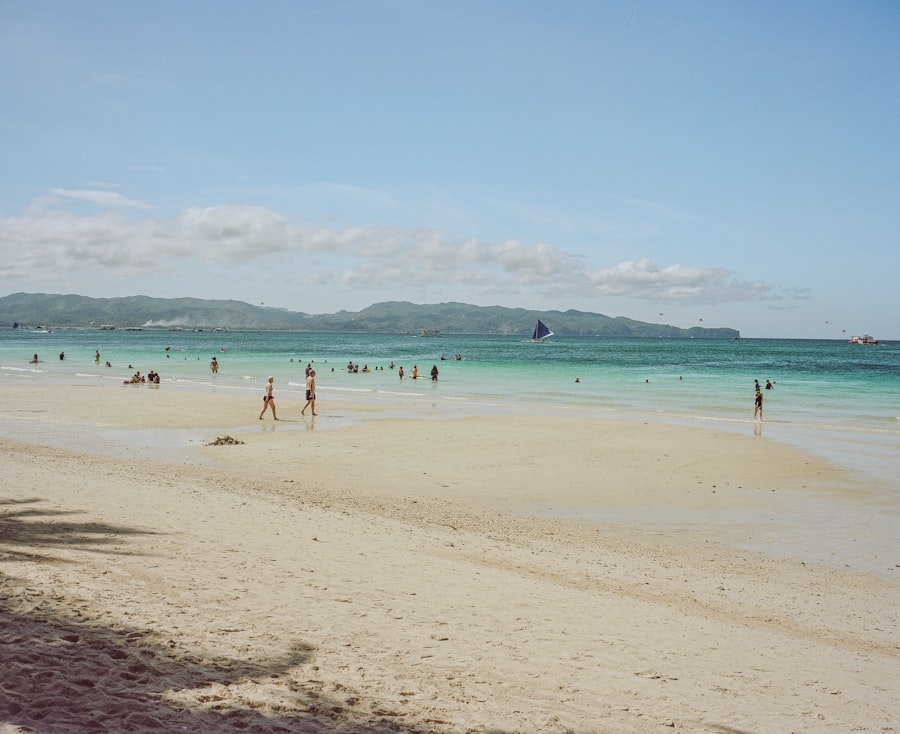
Given the tidal dynamics and marine life, direct, unsupervised swimming from all parts of Airlie Beach can present challenges. However, several well-maintained and safer alternatives are available for aquatic enjoyment.
The Airlie Beach Lagoon
The Airlie Beach Lagoon stands as the primary and most popular dedicated swimming facility in the town. This man-made, saltwater swimming pool complex offers a safe and controlled environment for people of all ages.
Features and Amenities
The lagoon features a variety of depths, ranging from shallow sections ideal for young children to deeper areas suitable for lap swimming. It is regularly patrolled by lifeguards and is meticulously maintained, ensuring excellent water quality. Surrounding the lagoon are landscaped gardens, picnic areas, and sunbathing spots, making it a comprehensive recreational hub. The lagoon effectively acts as a buffer zone, providing a contained and monitored swimming option removed from the open ocean and its inherent complexities.
Accessibility
The Airlie Beach Lagoon is centrally located within the town, making it easily accessible on foot from most accommodations. Entry to the lagoon is free of charge, further enhancing its appeal as a convenient and safe swimming solution.
Nearby Islands and Beaches
For those seeking an ocean swimming experience, the Whitsunday Islands offer numerous pristine beaches and sheltered coves that are often more conducive to swimming than the mainland foreshore.
Whitehaven Beach
Whitehaven Beach, renowned for its dazzling white silica sand and crystal-clear waters, is a prime example. Its calm, shallow turquoise waters make it an ideal location for swimming and snorkeling. Many tour operators offer excursions to Whitehaven Beach, often including opportunities for swimming and exploring.
Sheltered Coves
Numerous other islands feature isolated coves and bays where the water is calm and the risk of currents and marine hazards is significantly reduced. These locations are typically accessed via organized tours, private charters, or by ferry services. Consider these islands as a collection of smaller, safer swimming pockets within the larger marine environment.
Water Sports and Activities
Beyond traditional swimming, Airlie Beach and the surrounding Whitsundays offer a plethora of water-based activities that allow visitors to engage with the marine environment in different ways.
Snorkeling and Diving
The Great Barrier Reef, a UNESCO World Heritage site, lies a short distance from Airlie Beach. Its vibrant coral reefs and abundant marine life make it an unparalleled destination for snorkeling and diving.
Organized Tours
Numerous tour operators offer daily excursions to the outer reef and various island fringing reefs. These tours typically provide all necessary equipment, expert guides, and often include professional reef interpretation. Exploring the reef through snorkeling or diving offers a window into a complex underwater world, far removed from the immediate concerns of beach swimming.
Safety Protocols
Reputable tour operators adhere to strict safety protocols, including comprehensive briefings, provision of stinger suits (when applicable), and constant supervision. This structured approach significantly mitigates risks associated with marine life encounters.
Kayaking and Paddleboarding
For a more active and self-directed exploration of the coastal waters, kayaking and stand-up paddleboarding (SUP) are popular options. These activities allow individuals to navigate the calmer waters closer to shore.
Guided Tours and Rentals
Both guided tours and equipment rentals are widely available in Airlie Beach. Guides can lead paddlers to scenic coves, mangrove areas, and point out local wildlife. When undertaking these activities, basic swimming ability is recommended, and the use of personal flotation devices (PFDs) is often required and always advisable.
Environmental Considerations
Paddling provides a low-impact way to appreciate the coastal ecosystem. It encourages a closer, more personal interaction with the environment, allowing for observation of marine life from a respectful distance.
Sailing and Boating
The Whitsundays are world-renowned for sailing. Chartering a yacht, either bareboat or with a skipper, provides an unparalleled opportunity to explore the islands and their secluded bays at your own pace.
Day Charters and Overnight Stays
Various options exist, from short day trips to multi-day sailing adventures. Many charters offer opportunities for swimming, snorkeling, and shore excursions at different island locations. Sailing offers a mobile platform from which to access the region’s best swimming spots, effectively allowing you to pick and choose your aquatic playground.
Safety and Navigation
Those undertaking bareboat charters require appropriate experience and certifications. All boaters must adhere to marine safety regulations and be mindful of navigation markers, weather conditions, and marine park zones.
If you’re planning a visit to Airlie Beach and wondering about the best activities to enjoy, you might find it helpful to explore related topics. For instance, you can learn about various career opportunities in Australia, such as becoming a phlebotomy technician, which could be an interesting read while you relax by the beach. Check out this informative article on phlebotomy technician careers in Australia to discover more about this field.
General Safety Advice
Regardless of the chosen swimming location or activity, adopting a cautious and informed approach is paramount.
Heed Local Warnings and Signs
Local authorities and tourism operators regularly disseminate information regarding current conditions, marine hazards, and safety recommendations. Pay close attention to warning signs posted on beaches, at the lagoon, and at marina facilities. These signs are not merely decorative; they are vital pieces of information designed to keep you safe.
Never Swim Alone
Whenever possible, swim with a companion. This provides an extra layer of safety in case of unforeseen circumstances or medical emergencies. A lone swimmer is like a single candle; easily extinguished. Two candles provide more light and a better chance of survival should one falter.
Assess Your Swimming Ability
Be realistic about your swimming skills and physical fitness. Do not attempt to swim in conditions beyond your capabilities, especially in unfamiliar waters or strong currents.
Sun Protection
The Queensland sun can be intense. Always use broad-spectrum sunscreen with a high SPF, wear a hat, and consider rash guards or protective clothing, even on cloudy days. Dehydration is also a risk; ensure you drink plenty of water.
First Aid Knowledge
Familiarize yourself with basic first aid, particularly regarding marine stings. Knowing how to react in an emergency can make a significant difference. Carrying a small first aid kit, including vinegar (for Box Jellyfish stings) and hot water (for Stonefish stings), is a prudent measure, especially in remote areas.
Respect the Marine Environment
The Whitsundays are part of the Great Barrier Reef Marine Park. It is crucial to adhere to responsible tourism practices, such as not touching coral, not feeding marine animals, and properly disposing of waste. This ensures the preservation of this unique ecosystem for future generations.
If you’re planning a visit to Airlie Beach and wondering about swimming options, you might find it helpful to explore related topics that enhance your travel experience. For instance, understanding the importance of climate control in your accommodation can significantly impact your comfort during your stay. You can read more about this in the article on split systems before making your booking. This knowledge can help ensure that you have a pleasant environment to return to after a day of enjoying the beautiful beaches.
Conclusion
Can you swim at Airlie Beach? The answer is nuanced. Direct ocean swimming directly from the main Airlie Beach foreshore is possible, particularly at high tide and outside of stinger season, but it comes with considerable caveats regarding tidal conditions and potential marine hazards. The safest and most recommended option for swimming in Airlie Beach itself is undoubtedly the Airlie Beach Lagoon.
For those seeking an authentic ocean swimming experience, the nearby Whitsunday Islands offer numerous idyllic and often safer locations accessible via various tours and charters. Engaging in activities like snorkeling, diving, kayaking, or sailing provides alternative and often more enriching ways to interact with the spectacular marine environment of the Whitsundays. By understanding the local conditions, respecting marine life, and adhering to safety guidelines, visitors can enjoy the aquatic wonders of Airlie Beach and its surrounding region responsibly and safely.