
 Thomas Kelly
24 January 2026
Thomas Kelly
24 January 2026
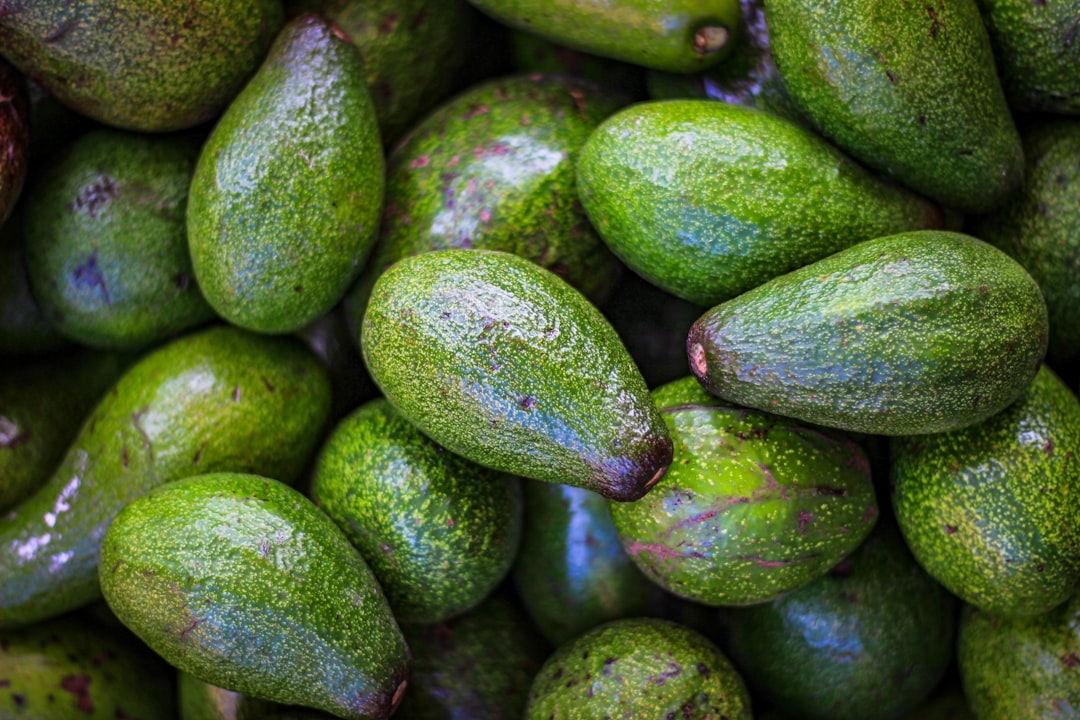
Avocado is a fruit originating from South Central Mexico. Botanically, it is a large berry containing a single large seed. Avocado trees are classified as members of the flowering plant family Lauraceae. This article will explore the nutritional composition of avocados and their potential health implications, referencing scientific studies where applicable. We will discuss its versatility in culinary applications and provide guidance on selection and storage.
Avocado’s nutritional density is a primary factor contributing to its recognition as a beneficial food. Unlike many other fruits, avocado is notable for its high fat content. However, these are predominantly monounsaturated fatty acids, considered beneficial for health.
Macronutrients
A typical serving of avocado (approximately 100 grams) provides a significant amount of the recommended daily intake for various nutrients.
Fats
The predominant fat in avocado is oleic acid, a monounsaturated fatty acid also found in olive oil. This type of fat has been associated with various health benefits.
Carbohydrates
Avocados are relatively low in carbohydrates, with a significant proportion of these being dietary fiber. This makes them suitable for various dietary approaches.
Protein
While not a primary source of protein, avocados do contain a modest amount, contributing to overall nutrient intake.
Micronutrients
Avocados are rich in a wide array of vitamins and minerals essential for bodily functions. Consider the avocado as a botanical multivitamin, offering a spectrum of micronutrients.
Vitamins
- Vitamin K: Important for blood clotting and bone health.
- Vitamin C: A powerful antioxidant involved in immune function and collagen synthesis.
- Vitamin B6: Plays a role in brain development and function, as well as metabolism.
- Folate (Vitamin B9): Crucial for cell growth and DNA formation, particularly important during pregnancy.
- Vitamin E: Another antioxidant that protects cells from damage.
- Pantothenic Acid (Vitamin B5): Essential for various metabolic processes.
Minerals
- Potassium: Plays a vital role in maintaining fluid balance, nerve signals, and muscle contractions. Avocado is particularly high in potassium, often exceeding the content found in bananas.
- Magnesium: Involved in over 300 biochemical reactions in the body, including muscle and nerve function, blood glucose control, and blood pressure regulation.
- Copper: Essential for iron metabolism, formation of red blood cells, and immune system function.
- Manganese: Involved in bone formation, carbohydrate and fat metabolism, and antioxidant defense.
Avocados are not only a delicious addition to various dishes but also offer numerous health benefits that can enhance athletic performance. For those interested in improving their running times, understanding nutrition is crucial. A related article that discusses the impact of diet on running performance can be found here: How Long Does It Take to Run 3km?. This article provides insights into how proper nutrition, including the incorporation of nutrient-dense foods like avocados, can help runners achieve their goals.
Potential Health Implications
The unique nutritional composition of avocado has led to numerous studies investigating its potential impact on human health. While these studies often show promising correlations, it is important to remember that dietary benefits are typically observed within the context of a balanced diet.
Cardiovascular Health
The fatty acid profile of avocado has been a focal point of research concerning heart health.
Cholesterol Management
Regular consumption of avocados has been linked to improvements in blood lipid profiles. Studies have suggested that avocados can help lower levels of low-density lipoprotein (LDL) cholesterol, often referred to as “bad” cholesterol, while potentially increasing high-density lipoprotein (HDL) cholesterol, or “good” cholesterol. This effect is attributed primarily to its monounsaturated fat content.
Blood Pressure Regulation
The high potassium content in avocados contributes to blood pressure regulation. Potassium acts as a counterweight to sodium, helping to maintain electrolyte balance and reducing the strain on the cardiovascular system.
Digestive Health
The dietary fiber content of avocados plays a significant role in digestive function. Think of fiber as the internal janitor, sweeping through your digestive tract.
Regularity and Bowel Function
Fiber adds bulk to stool, facilitating regular bowel movements and preventing constipation. Both soluble and insoluble fibers are present in avocados, each contributing to different aspects of digestive health.
Gut Microbiome Support
Some research suggests that the fiber and other compounds in avocados may support a healthy gut microbiome, which is the community of microorganisms residing in the digestive tract. A balanced gut microbiome is increasingly recognized for its widespread impact on overall health.
Blood Sugar Control
Avocados can play a supportive role in managing blood sugar levels, particularly for individuals with insulin resistance or type 2 diabetes.
Low Glycemic Index
Due to their low carbohydrate content and high fiber and fat content, avocados have a minimal impact on blood glucose levels. Their glycemic index is very low, meaning they cause a slow and steady rise in blood sugar rather than a sharp spike.
Satiety and Weight Management
The combination of healthy fats and fiber in avocados contributes to increased satiety, meaning you feel fuller for longer. This can be beneficial for appetite control and, consequently, weight management. When you feel full, you are less likely to overeat or snack on less nutritious foods.
Culinary Versatility
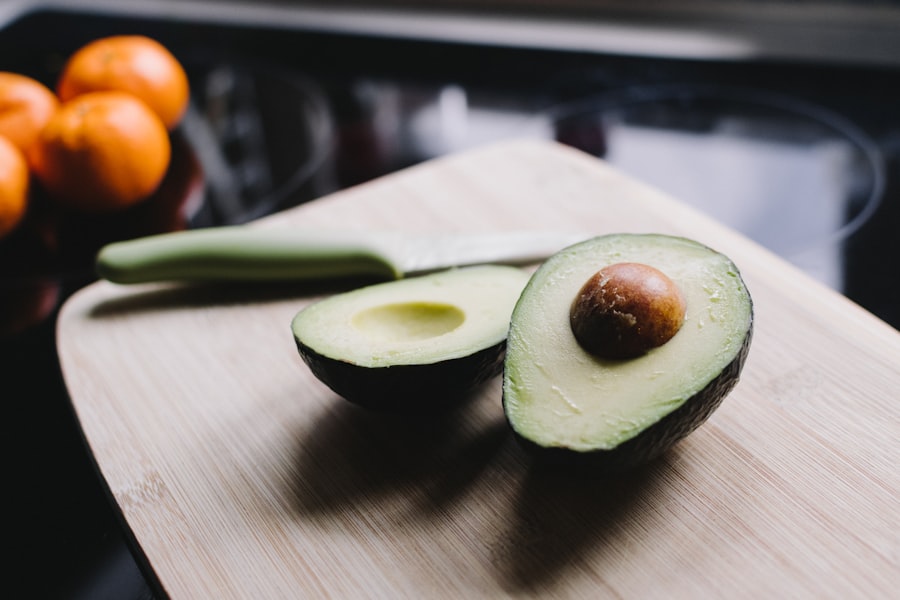
Beyond its nutritional merit, avocado is distinguished by its adaptability in the kitchen. Its creamy texture and mild flavor make it a valuable ingredient in a wide range of dishes.
Savory Applications
Avocado is a staple in various cuisines globally, particularly in Latin American gastronomy.
Guacamole
Perhaps the most iconic use of avocado, guacamole is a dip or spread made from mashed avocado, typically mixed with onion, cilantro, chili peppers, and lime juice. Its popularity showcases the fruit’s ability to be both a main ingredient and a flavorful accompaniment.
Salads and Sandwiches
Sliced or diced avocado can be added to salads for a creamy texture and nutrient boost. It also serves as an excellent spread or filling in sandwiches and wraps, offering a healthier alternative to some traditional condiments.
Soups and Smoothies
Avocado can be blended into cold soups to add richness and a velvety texture. In smoothies, it contributes creaminess without overpowering other flavors, while also adding healthy fats and fiber.
Sweet Applications (Less Common)
While savory applications are more prevalent, avocados are also utilized in some sweet preparations, particularly in certain cultural contexts.
Desserts
In some regions, avocado is used in desserts such as ice cream or milkshakes, where its creaminess is highly valued. The mild flavor allows it to blend seamlessly with other sweeter ingredients.
Puddings
Mashed avocado can be incorporated into raw food puddings, often combined with cocoa powder or other flavorings to create a rich and decadent texture.
Selection and Storage
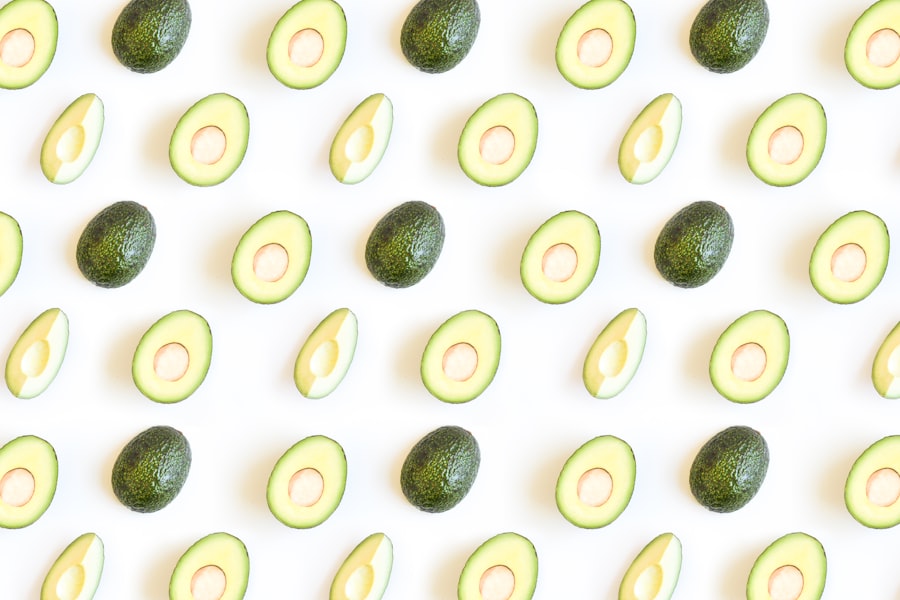
To maximize the enjoyment and nutritional benefits of avocados, proper selection and storage techniques are important.
Ripeness Indicators
Choosing an avocado at the optimal stage of ripeness is crucial for flavor and texture.
Skin Color
The skin color of an avocado can be an indicator of ripeness, though this varies by variety. For Hass avocados, the most common variety, the skin typically darkens from green to a purplish-black as it ripens. However, some varieties remain green even when ripe.
Firmness
A ripe avocado will yield to gentle pressure when squeezed lightly. If it’s rock-hard, it’s underripe. If it’s very soft or mushy, it’s overripe and may have brown spots inside. The stem end can also be a good indicator; if it pries off easily and reveals green flesh underneath, the avocado is likely ripe.
Storage Techniques
Proper storage can extend the shelf life of avocados and prevent spoilage.
Unripe Avocados
Unripe avocados should be stored at room temperature to allow them to ripen. Placing them in a paper bag with another fruit, such as a banana or apple, can accelerate the ripening process due to the release of ethylene gas.
Ripe Avocados
Once ripe, avocados can be stored in the refrigerator for several days to slow down further ripening. Do not refrigerate unripe avocados, as this can halt the ripening process and result in an avocado that never fully softens.
Cut Avocados
To prevent browning of a cut avocado, which is caused by oxidation, store it with the pit intact (if only half is used), sprinkle the exposed flesh with lemon or lime juice, and wrap it tightly in plastic wrap or place it in an airtight container. The acid from the citrus helps inhibit the enzymatic browning reaction.
Avocados have gained immense popularity not only for their creamy texture and health benefits but also for their versatility in various dishes. If you’re looking to elevate your culinary experience, you might find inspiration in a related article that discusses the craftsmanship behind handmade leather shoes, which can complement your dining style. Discover more about this unique blend of fashion and function by visiting this article.
Global Production and Sustainability
The increasing global demand for avocados has significant implications for production practices and sustainability. Understanding these aspects provides a broader context for the fruit’s journey from tree to table.
Major Producing Regions
Avocado production is concentrated in specific geographical areas with suitable climates.
Mexico
Mexico is the world’s largest producer of avocados, with the state of Michoacán being a primary growing region. The vast majority of avocados consumed in the United States, for example, originate from Mexico.
Other Significant Producers
Other notable avocado-producing countries include Peru, Colombia, Chile, Indonesia, and the United States (primarily California and Florida). Each region has its own specific climatic conditions and cultivation methods.
Environmental Considerations
The high demand for avocados has raised concerns regarding environmental impact.
Water Usage
Avocado trees require significant amounts of water, particularly in regions with arid or semi-arid climates. This has led to concerns about water scarcity and the sustainability of cultivating avocados in certain areas. Innovative irrigation techniques and water management strategies are being explored to mitigate this impact.
Land Use and Deforestation
In some producing regions, the expansion of avocado orchards has been linked to deforestation and habitat loss. This is a complex issue involving economic pressures, agricultural policies, and conservation efforts.
Pest Management
While some avocado production relies on conventional farming methods, there is a growing movement towards sustainable and organic practices to minimize the use of pesticides and promote ecological balance. Consumers can contribute to sustainable practices by seeking out avocados certified as grown under environmentally responsible conditions.
Avocados are not only a popular superfood but also require specific storage conditions to maintain their freshness and flavor. Understanding how to properly chill and store avocados can significantly enhance their shelf life. For those interested in learning more about the importance of temperature control for various food items, including avocados, you can read a related article on different types of chillers by following this link. This resource provides valuable insights into how proper chilling techniques can benefit a range of produce.
Conclusion
Avocado is a nutrient-dense fruit characterized by its unique fat profile, rich micronutrient content, and high fiber. Its potential benefits for cardiovascular, digestive, and metabolic health are supported by scientific research, though a holistic dietary approach remains paramount. As a versatile ingredient, avocado enhances both savory and, to a lesser extent, sweet dishes across various cuisines. Understanding proper selection and storage techniques ensures optimal enjoyment. The growing global consumption also brings into focus important considerations regarding environmental impact and sustainable agricultural practices. By understanding these facets, you, as a consumer, can make informed decisions about incorporating this fruit into your diet.